Identification of autosomal and sex chromosome aneuploidies using next generation sequencing
Nidia Barco-Armengol, Dèlia Yubero, Clara Xiol, Núria Catasús, Laura Martí-Sánchez, Judith Armstrong, Francesc Palau, Guerau Fernandez

TL;DR
This paper explores using next generation sequencing to detect chromosomal abnormalities in live births, showing it is effective and cost-efficient for clinical diagnostics.
Contribution
The study demonstrates that next generation sequencing can detect both autosomal and sex chromosome aneuploidies with high accuracy, including mosaicism.
Findings
NGS detected autosomal and sex chromosome aneuploidies with high specificity using clinical and whole exome sequencing data.
Mosaic aneuploidies were successfully identified, highlighting the method's sensitivity.
NGS is proposed as a cost-effective first-line diagnostic tool for routine aneuploidy screening.
Abstract
Chromosomal abnormalities, referred to as aneuploidies, occur in approximately 0.3% of live births. While the majority of aneuploidies in humans are incompatible with life, well-characterized exceptions include Down syndrome (47,+21), Patau syndrome (47,+13), Edwards syndrome (47,+18), Turner syndrome (45,X0), Klinefelter syndrome (47,XXY), and triple X syndrome (47,XXX). These chromosomal alterations disrupt gene expression and cellular function, leading to genetic and developmental disorders. With the increasing adoption of next generation sequencing (NGS) in clinical diagnostics, this study aims to explore the potential use of NGS for aneuploidies detection. Using data derived from clinical exomes (CES) and whole exomes (WES) sequencing we have been able to detect autosomal as well as sex chromosome aneuploidies with high specificity. Moreover, we have also been able to identify…
Genes, proteins, chemicals, diseases, species, mutations and cell lines named across the full text — each resolved to its canonical identifier and authoritative record.
Click any figure to enlarge with its caption.
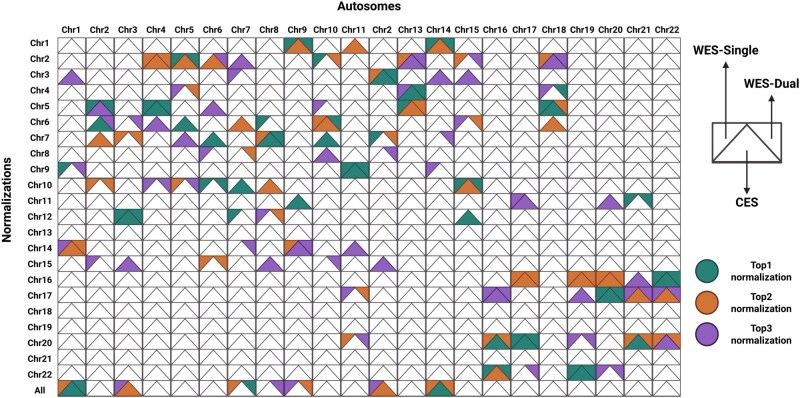 Figure 1
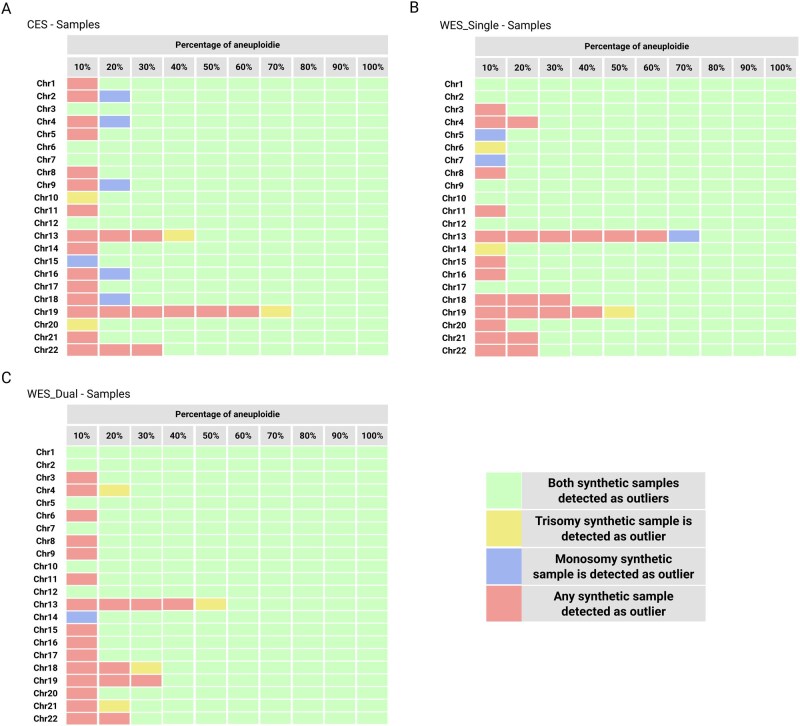 Figure 2
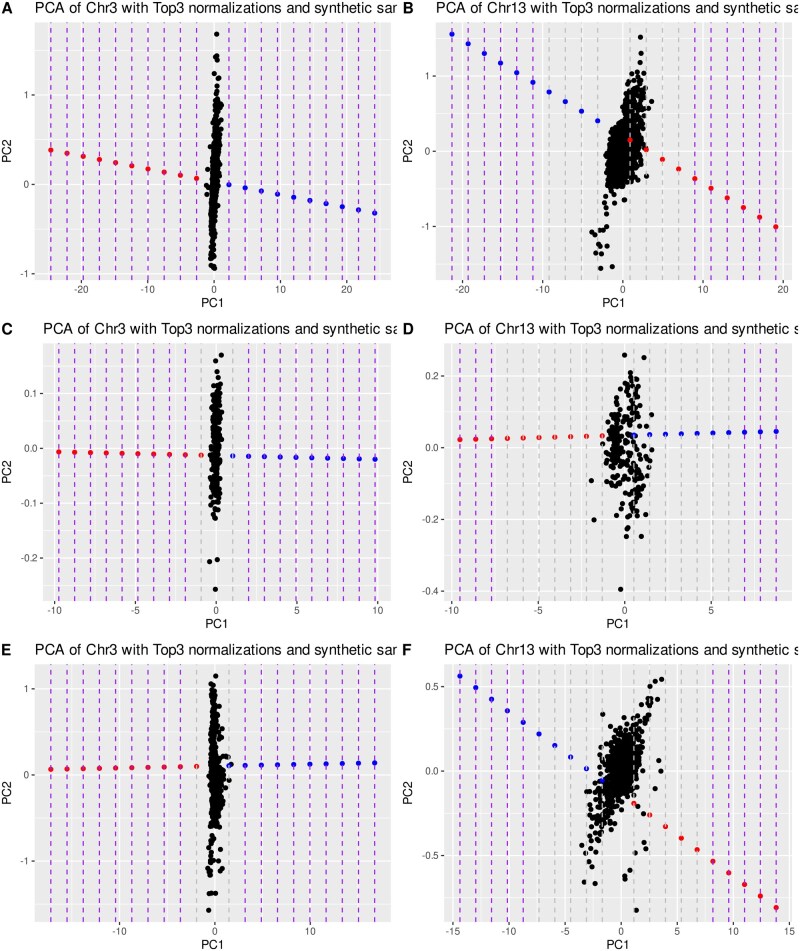 Figure 3
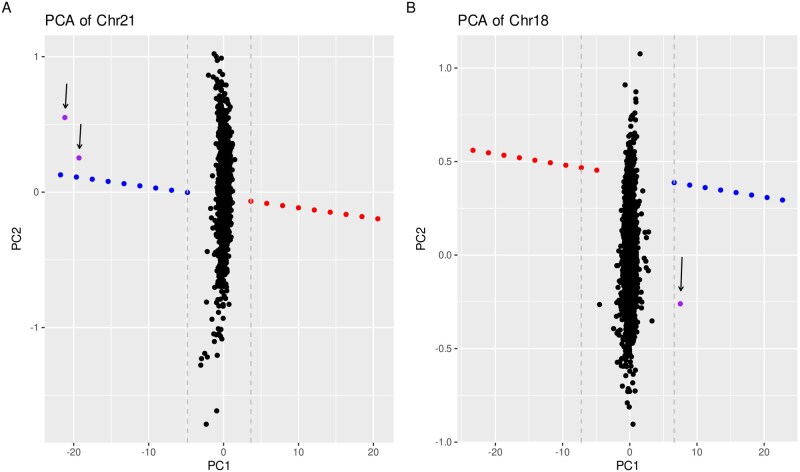 Figure 4
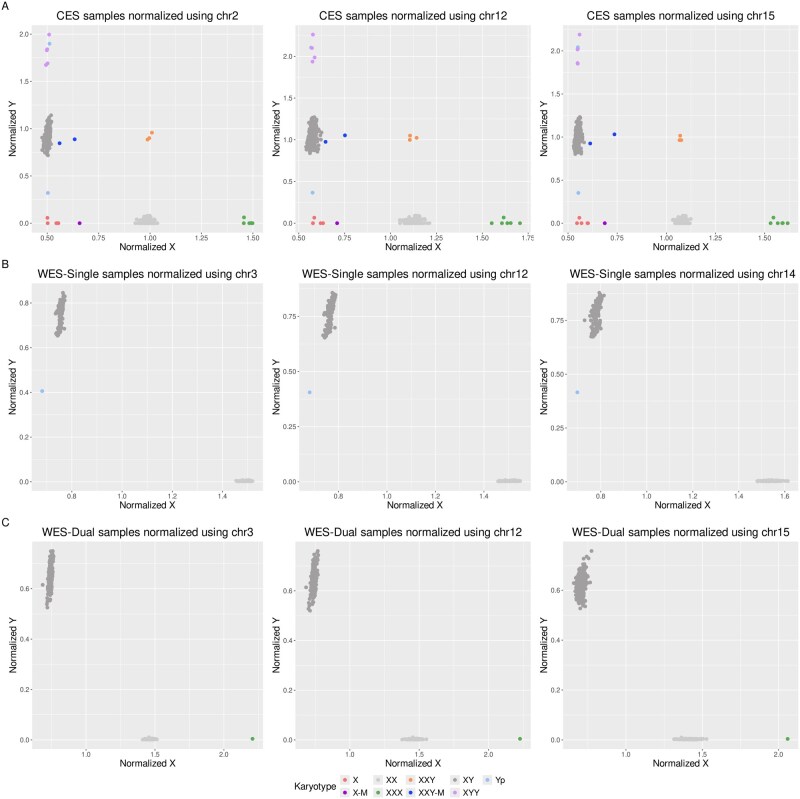 Figure 5
Peer Reviews
No public reviews on file for this paper yet. If you reviewed it on a platform where reviews are public (OpenReview, ICLR, NeurIPS, ICML), you can paste yours below so the community can read it here.
Videos
No videos yet. Explain this paper in a talk, walkthrough, or lecture? Add one.
Taxonomy
TopicsPrenatal Screening and Diagnostics · Genomic variations and chromosomal abnormalities · Genetic and Clinical Aspects of Sex Determination and Chromosomal Abnormalities