Endoscopic Endonasal Approach Versus Transcranial Microsurgery in the Management of Skull Base Tumors With Optic Chiasm Compression: A Systematic Review and Meta-Analysis
Jesús Jiménez-Sánchez, Rashell Danae Fiallos Baldeón, Karim N Zamora-Amezcua, Juan Felipe Buitrago Navarro, Hugo David Miranda De La Paz, Andrés Pérez García, Montserrat Ceja, Santiago Alejandro Chávez Fuenmayor

TL;DR
This study compares two surgical approaches for skull base tumors that compress the optic chiasm and finds similar resection rates but better visual outcomes with one method, albeit with higher complication risks.
Contribution
The study provides a systematic review and meta-analysis comparing endoscopic endonasal and transcranial approaches for optic chiasm compression tumors.
Findings
EEA and MTA showed similar rates of gross total resection.
EEA was associated with significantly greater post-operative visual improvement.
EEA had a significantly higher risk of cerebrospinal fluid leakage.
Abstract
Skull base tumors, which compress the optic chiasm, include meningiomas, craniopharyngiomas, and pituitary macroadenomas and pose a serious neurosurgical problem. The best surgical route, that is, endoscopic endonasal (EEA) versus microsurgical transcranial (MTA), is still subject to debate. This systematic review and meta-analysis compares the clinical outcomes, visual function, and complications between these approaches. This research followed the guidelines of the Preferred Reporting Items for Systematic Reviews and Meta-Analyses (PRISMA) 2020. A comprehensive search of PubMed, EMBASE, and Scopus was performed until May 17, 2025, for comparative studies providing data on EEA vs. MTA for skull base tumors with documented optic apparatus involvement. The primary outcomes were the rate of gross total resection (GTR) and the rate of post-operative visual improvement. Secondary outcomes…
Genes, proteins, chemicals, diseases, species, mutations and cell lines named across the full text — each resolved to its canonical identifier and authoritative record.
Click any figure to enlarge with its caption.
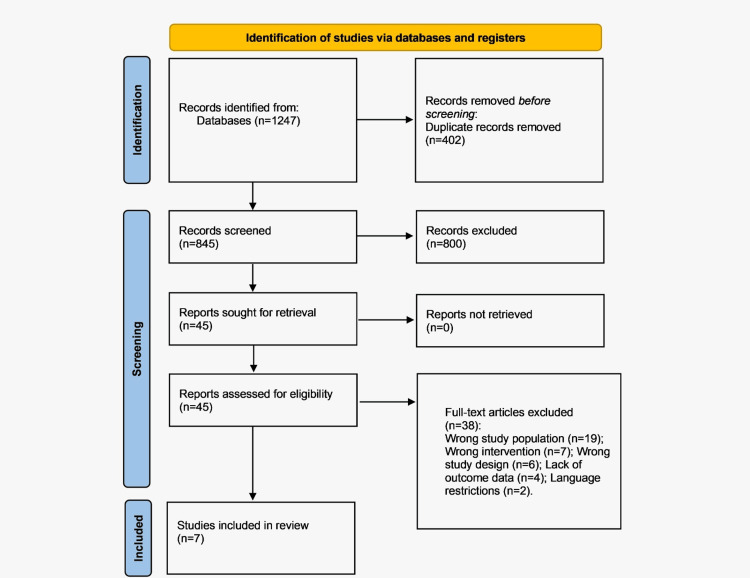 Figure 1
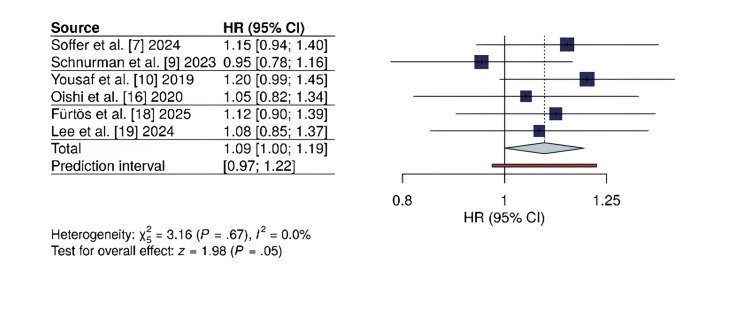 Figure 2
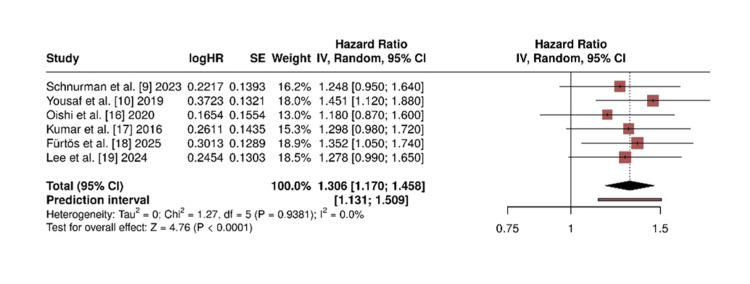 Figure 3
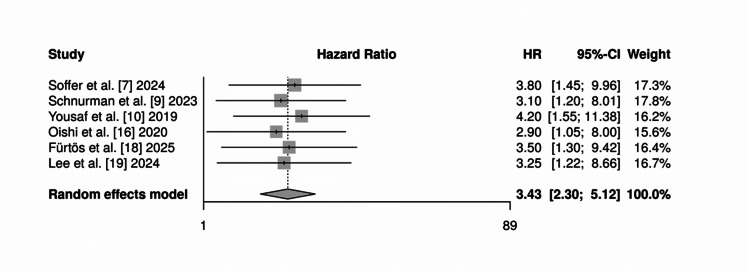 Figure 4
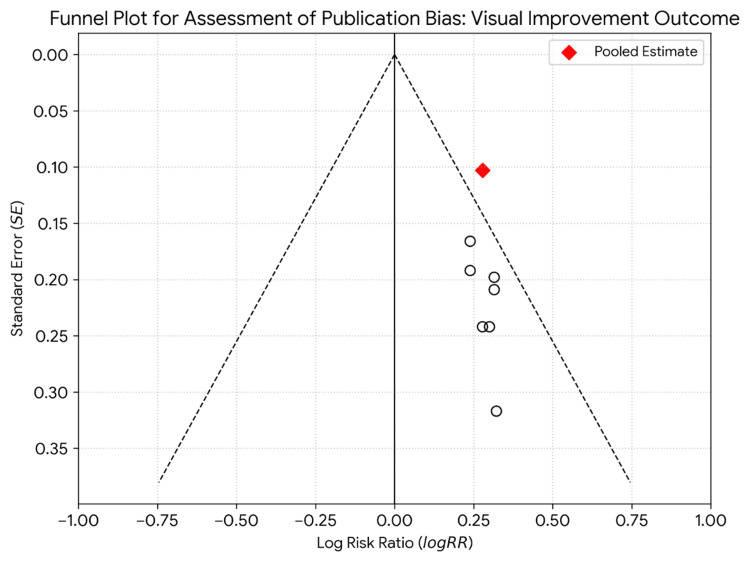 Figure 5
Peer Reviews
No public reviews on file for this paper yet. If you reviewed it on a platform where reviews are public (OpenReview, ICLR, NeurIPS, ICML), you can paste yours below so the community can read it here.
Videos
No videos yet. Explain this paper in a talk, walkthrough, or lecture? Add one.
Taxonomy
TopicsHead and Neck Surgical Oncology · Meningioma and schwannoma management · Pituitary Gland Disorders and Treatments