PGM1 deficiency is linked to sarcomeric and mitochondrial dysfunction in patient-derived iPSC-cardiomyocytes
Silvia Radenkovic, Graeme Preston, Rohit Budhraja, Irena Muffels, Anna Ligezka, Nathan P. Staff, Ron Hrstka, Bijina Balakrishnan, Rameen Shah, Sanne Verberkmoes, Ibrahim Shammas, Inez Bosnyak, Kyle M. Stiers, Kent Lai, Lesa J. Beamer, Akhilesh Pandey, Eva Morava, Tamas Kozicz

TL;DR
This study shows that PGM1 deficiency causes heart problems by disrupting the Z-disk and mitochondrial function in patient-derived heart cells.
Contribution
The study reveals a glycosylation-independent role of PGM1 in linking Z-disk integrity and mitochondrial metabolism in cardiomyopathy.
Findings
PGM1-deficient cardiomyocytes show reduced beating frequency and impaired contractility.
PGM1 interacts with LDB3 to maintain Z-disk integrity and mitochondrial function.
Mitochondrial respiration is severely impaired in PGM1-deficient cells.
Abstract
PGM1-congenital disorder of glycosylation (PGM1-CDG) is frequently associated with cardiomyopathy. Although galactose therapy corrects glycosylation defects, cardiac dysfunction typically persists, suggesting a glycosylation-independent mechanism. Recent evidence of mitochondrial abnormalities in PGM1-deficient human and murine heart, together with the association of PGM1 with the Z-disk protein LDB3 (ZASP/Cypher), suggests a critical role for PGM1 in cardiomyocyte structural and energetic homeostasis. We hypothesized that PGM1-related cardiomyopathy arises from a glycosylation-independent disruption of Z-disk–mitochondrial coupling driven by loss of PGM1–LDB3 interactions, resulting in mitochondrial energy failure and impaired contractile function. Induced pluripotent stem cell–derived cardiomyocytes (iCMs) were generated from PGM1-deficient patient fibroblasts. Multielectrode array…
Genes, proteins, chemicals, diseases, species, mutations and cell lines named across the full text — each resolved to its canonical identifier and authoritative record.
Click any figure to enlarge with its caption.
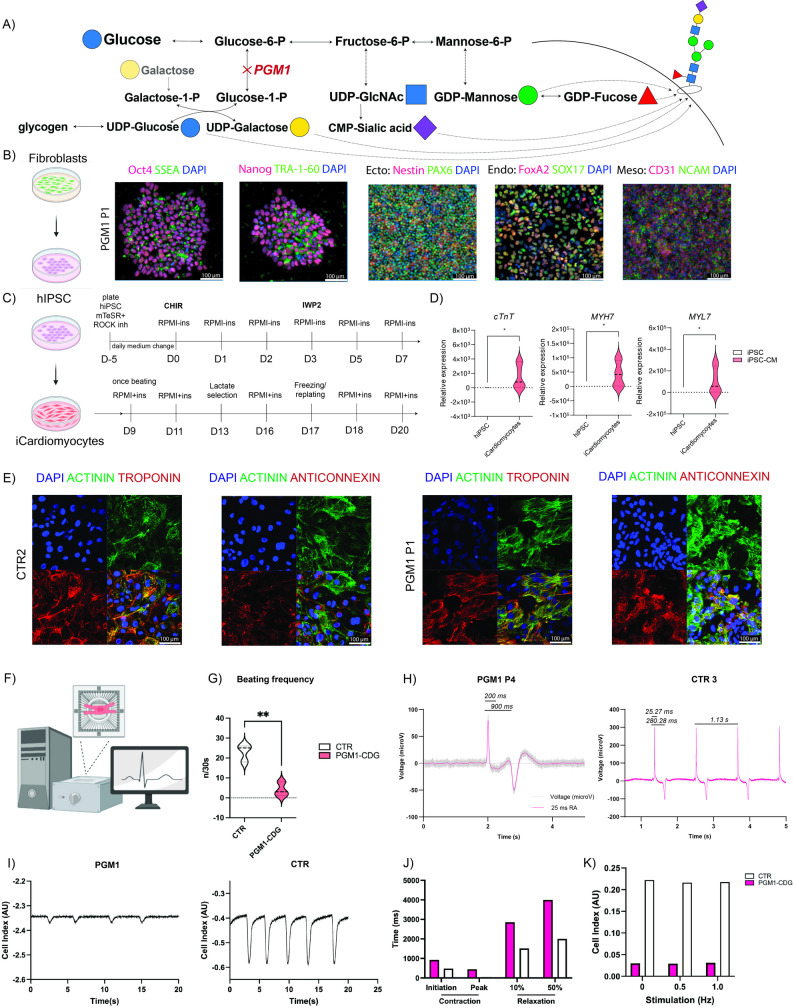 Figure 2
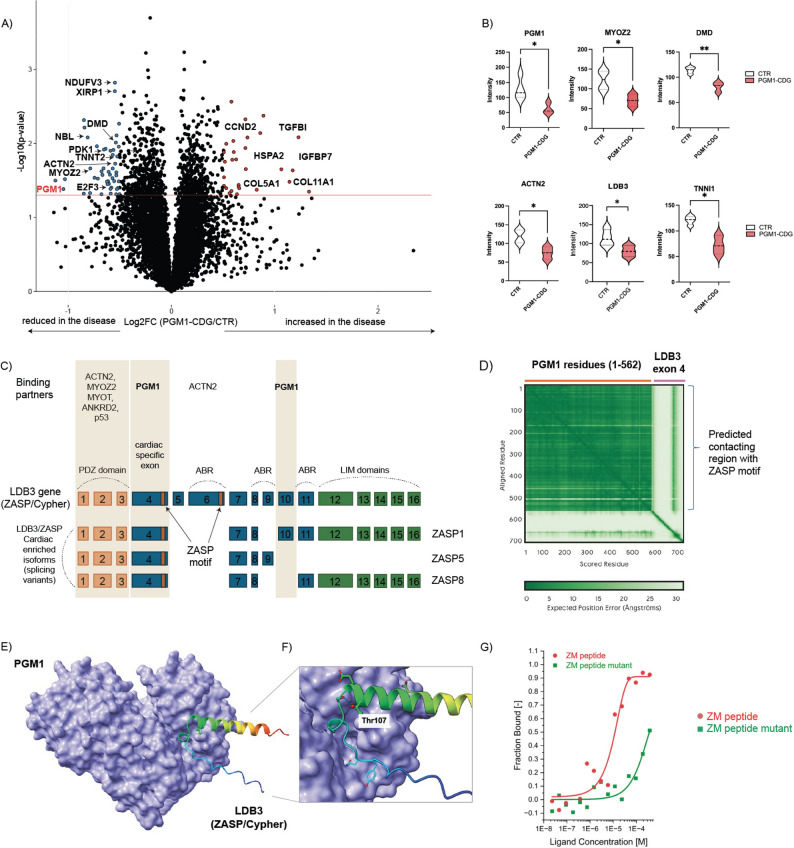 Figure 3
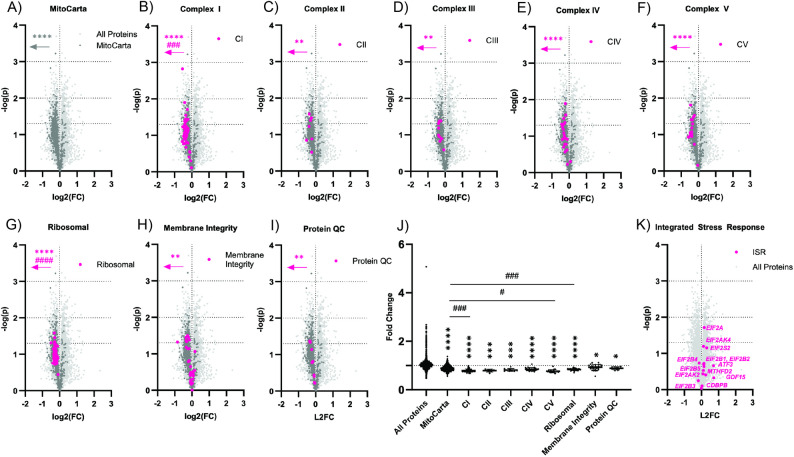 Figure 4
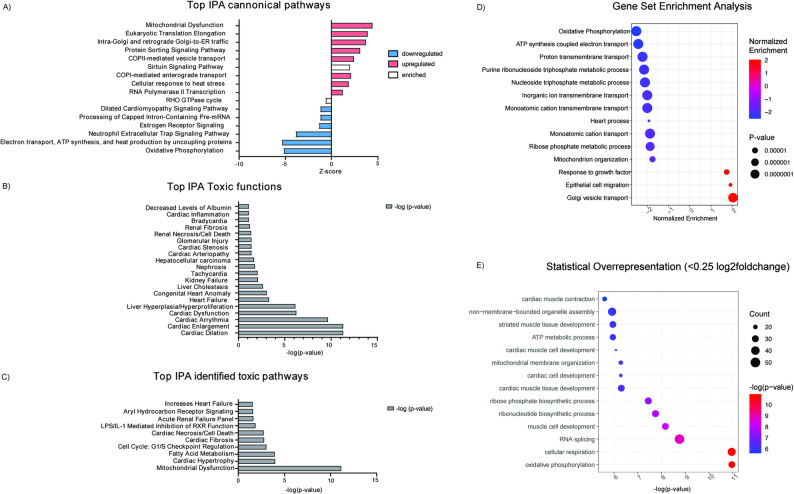 Figure 5
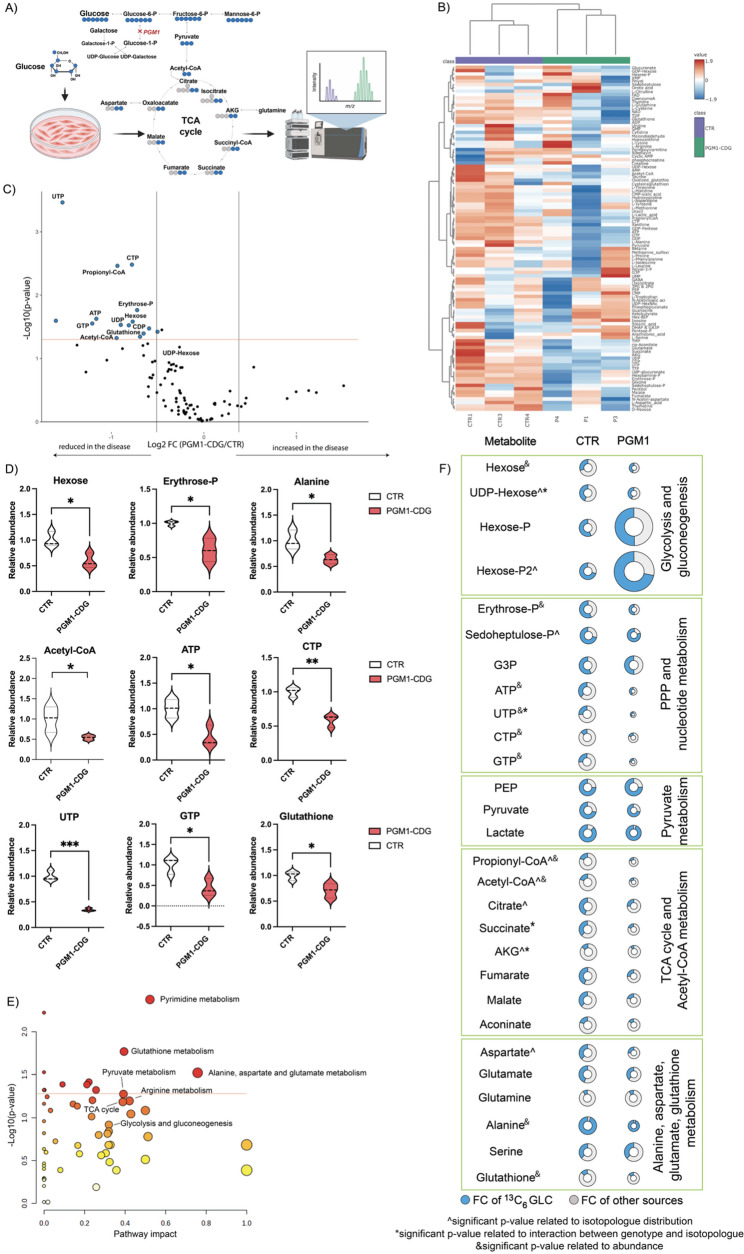 Figure 6
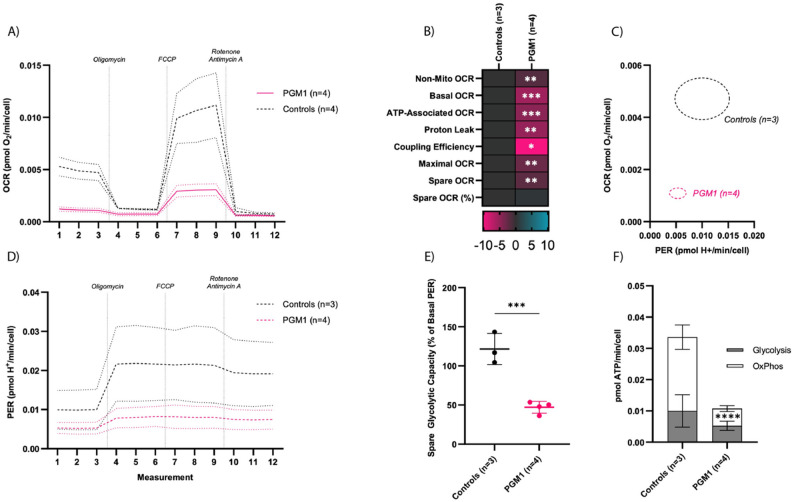 Figure 7
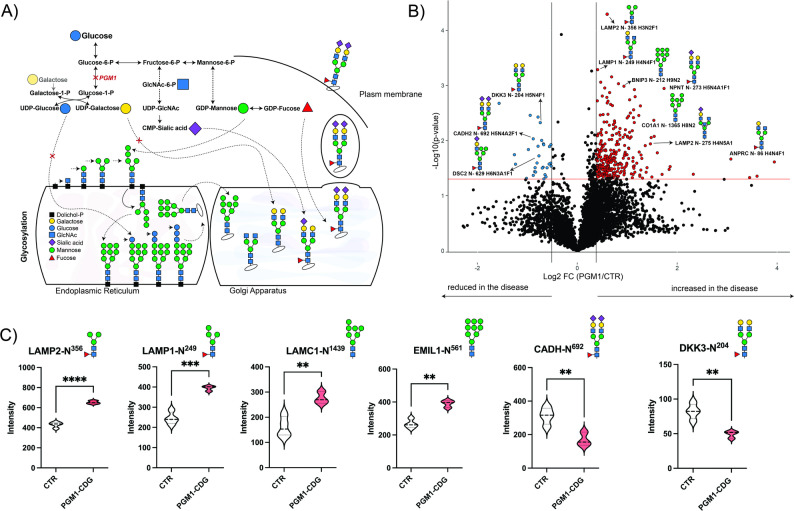 Figure 8
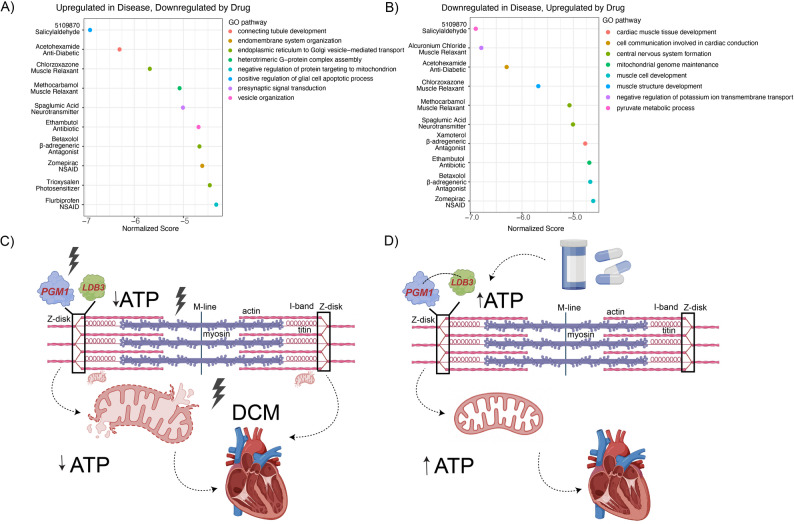 Figure 9
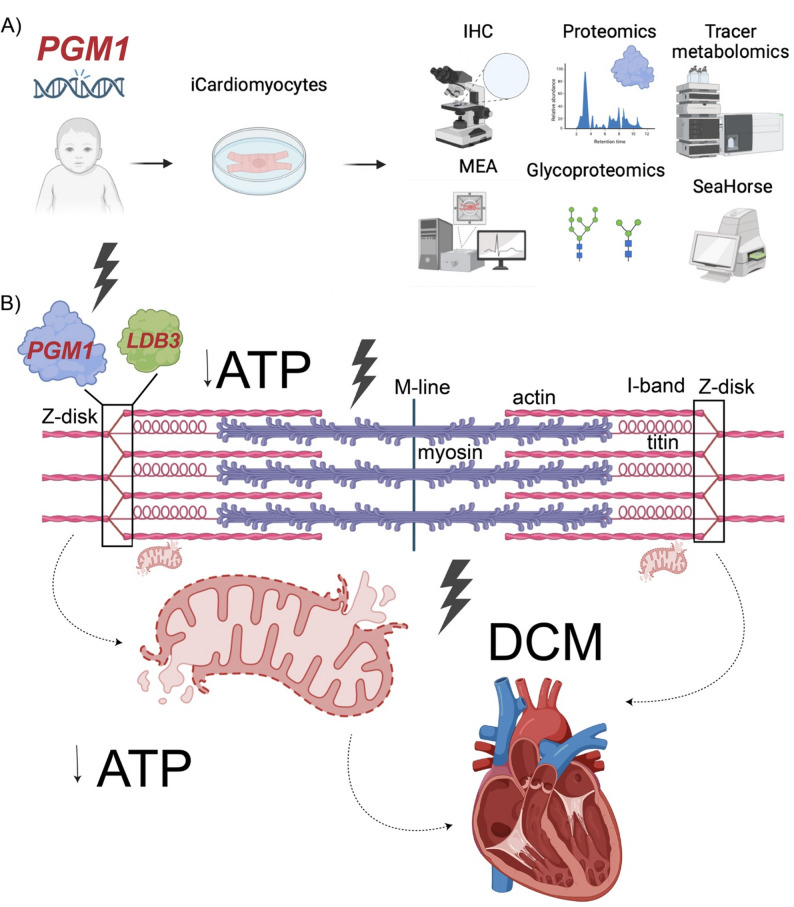 Figure 9
Peer Reviews
No public reviews on file for this paper yet. If you reviewed it on a platform where reviews are public (OpenReview, ICLR, NeurIPS, ICML), you can paste yours below so the community can read it here.
Videos
No videos yet. Explain this paper in a talk, walkthrough, or lecture? Add one.
Taxonomy
TopicsGlycosylation and Glycoproteins Research · Proteoglycans and glycosaminoglycans research · Congenital heart defects research