Genomic and epidemiological identification of Pseudomonas aeruginosa transmission chains and in hospital ICUs
Lucia Graña-Miraglia, Xiaoyi Hu, Cheryl Volling, Laura Mataseje, Michael R. Mulvey, Allison McGeer, David S. Guttman, S. Anceva-Sami, S. Anceva-Sami, B. L. Coleman, A. J. Jamal, J. Johnstone, A. Li, V. Mahesh, R. Melano, A. Paterson, M. Pejkovska, A. Sultana, T. Vikulova

TL;DR
This study uses genomic data to track how Pseudomonas aeruginosa spreads in hospital ICUs, showing that contaminated sinks and patient-to-patient transmission are key sources of infection.
Contribution
The study introduces a 24 SNP genetic threshold for identifying transmission clusters and highlights the role of environmental reservoirs in ICU infections.
Findings
A 24 SNP threshold effectively identifies epidemiologically linked Pseudomonas aeruginosa strains.
Environmental reservoirs in ICU sink drains persist for nearly two years and contribute to infections.
Over 70% of environment-patient strain pairs show epidemiological linkage, indicating direct transmission.
Abstract
Pseudomonas aeruginosa (PA) is an opportunistic pathogen that poses a significant threat to hospitalized patients, particularly in intensive care units (ICUs) due to its ability to contaminate the environment and subsequently infect vulnerable patients. This study seeks to demonstrate that genomic data is an accessible, rapid, and robust genomic epidemiological tool that can be used in a clinical or diagnostic setting to improve our understanding of PA transmission dynamics and enhance infection prevention and control strategies. We performed analysis on 2046 PA isolates recovered from patients and sink drains in seven hospital ICUs. We find that a pairwise genetic distance threshold of 24 SNPs best approximates the maximum expected divergence between clonal strains. The pairing of this genetic threshold and the ELS identifies 82 transmission clusters, encompassing 730 isolates,…
Genes, proteins, chemicals, diseases, species, mutations and cell lines named across the full text — each resolved to its canonical identifier and authoritative record.
Click any figure to enlarge with its caption.
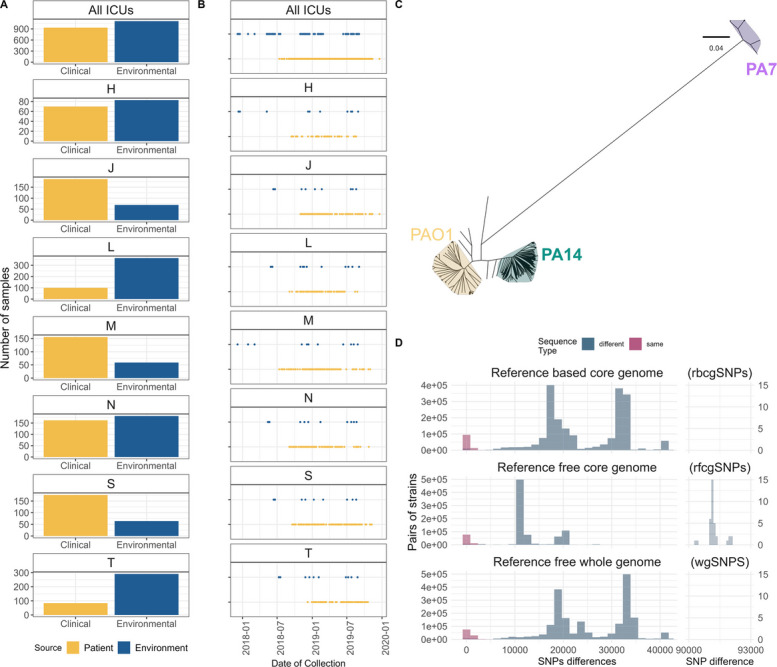 Figure 1
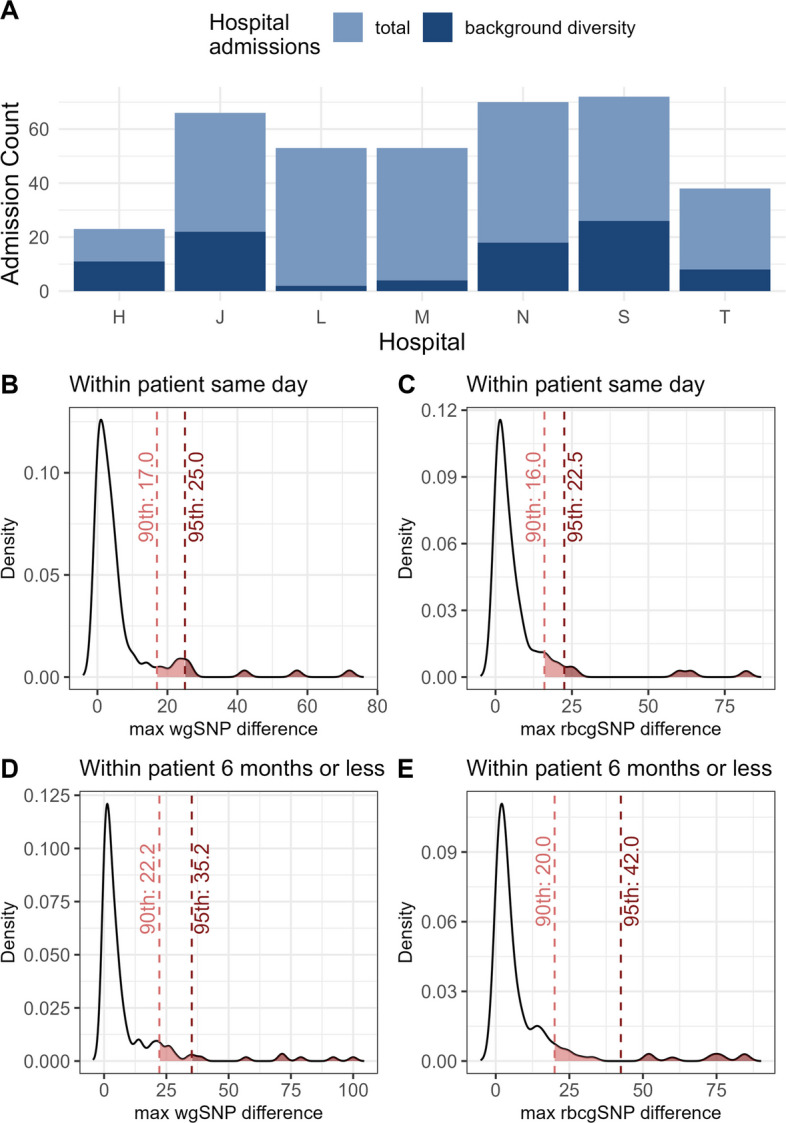 Figure 2
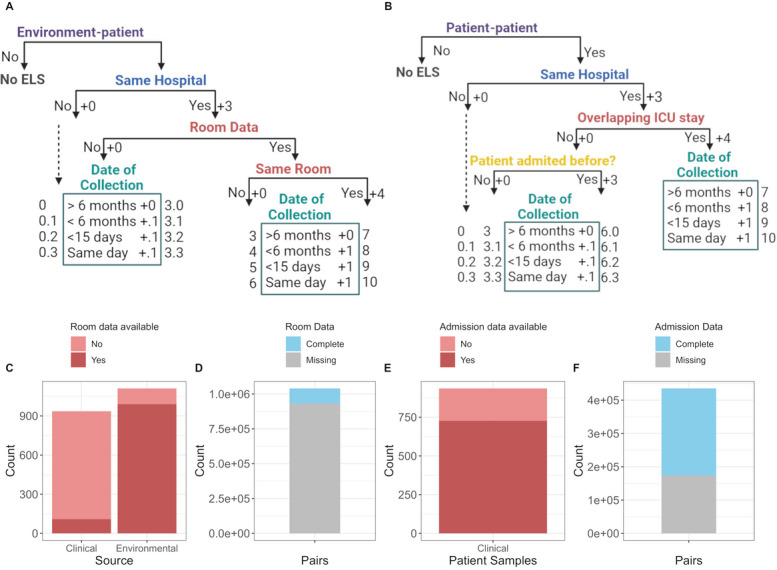 Figure 3
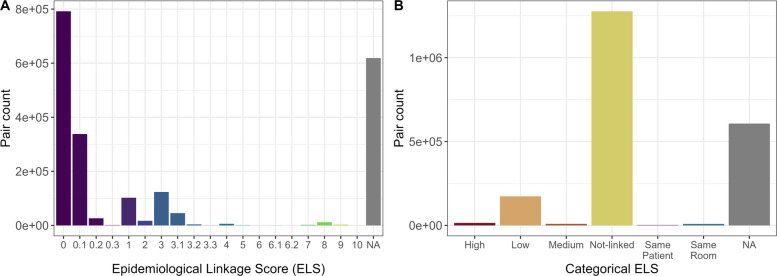 Figure 4
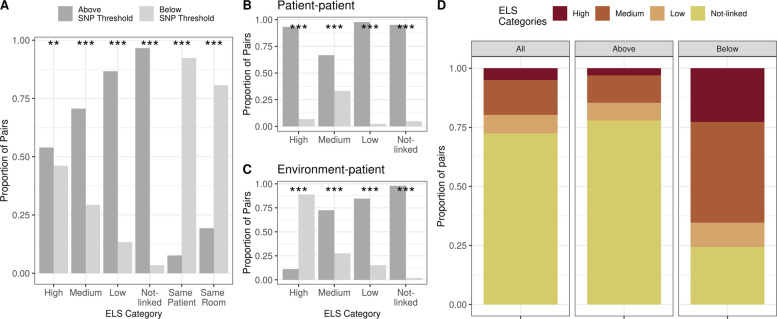 Figure 5
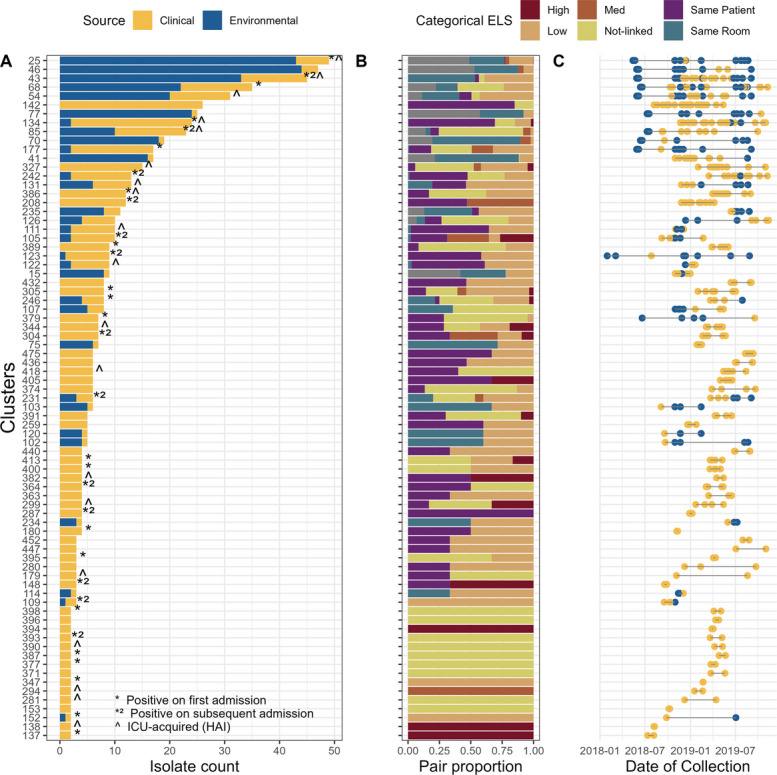 Figure 6
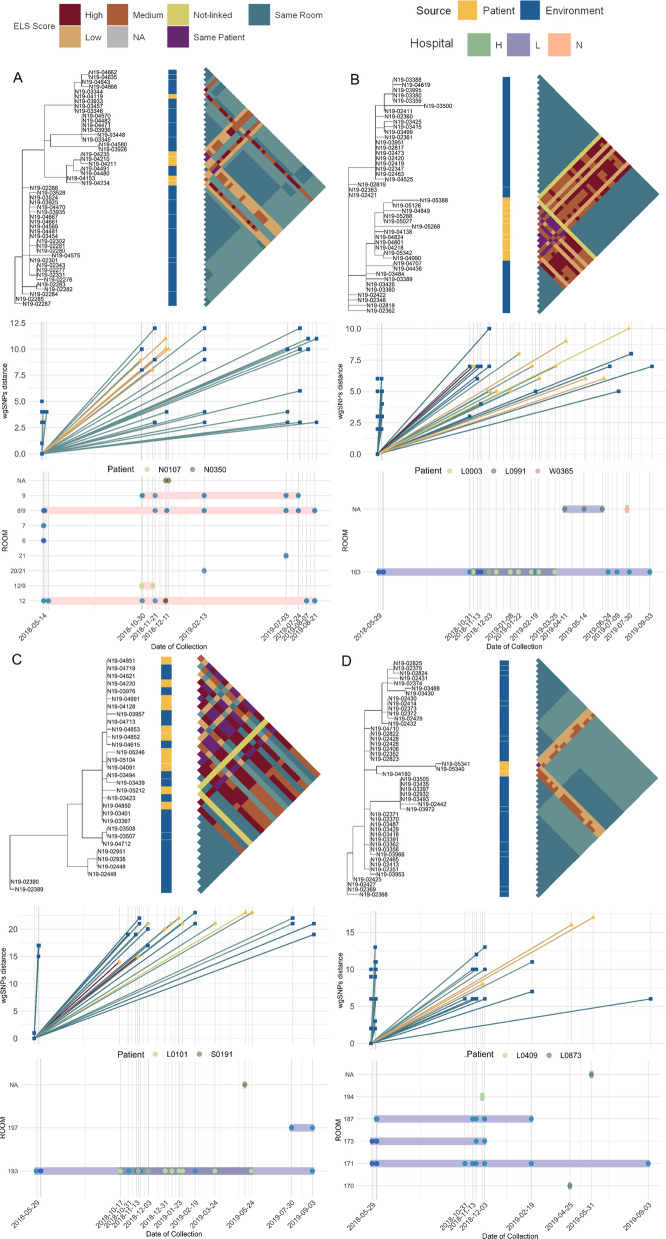 Figure 7
Peer Reviews
No public reviews on file for this paper yet. If you reviewed it on a platform where reviews are public (OpenReview, ICLR, NeurIPS, ICML), you can paste yours below so the community can read it here.
Videos
No videos yet. Explain this paper in a talk, walkthrough, or lecture? Add one.
Taxonomy
TopicsAntibiotic Resistance in Bacteria · Bacterial biofilms and quorum sensing · Infections and bacterial resistance