Exploratory analysis of machine learning models for state and trait anxiety based on Spielberger questionnaire data in nursing students
Reza Salehinia, Sajjad Salehian, Marzieh Nasiri Sangari, Mohammad Amin Nasiri Sangari, Hossein Abbassian

TL;DR
This study explores how machine learning can help assess anxiety in nursing students using the Spielberger questionnaire, finding that social and demographic factors are more influential than physiological ones.
Contribution
The study introduces machine learning as a complementary tool for analyzing state and trait anxiety in nursing students, revealing patterns overlooked by traditional methods.
Findings
State and trait anxiety are strongly correlated (p < .001) in nursing students.
Machine learning models showed moderate predictive accuracy (R² ≈ 0.11–0.13) for anxiety scores.
Gender, academic major, and physiological factors like SpO₂ and body temperature were key predictors.
Abstract
This study aimed to explore the ability of machine learning models to assess state and trait anxiety using data collected from the Spielberger State-Trait Anxiety Inventory (STAI). Considering the significant impact of mental health on the academic and professional performance of medical students, the research sought to determine whether machine learning could complement traditional assessment methods and provide insights into the relative influence of demographic and physiological factors on anxiety levels. A census sampling approach was applied, including all 106 eligible students from the Tabas Faculty of Nursing. Participants with a history of anxiety disorders or use of psychoactive medications were excluded. State and trait anxiety were measured using the STAI. Data analysis was performed using SPSS and MATLAB. Bivariate tests (Kruskal-Wallis and Chi-Square) examined associations…
Genes, proteins, chemicals, diseases, species, mutations and cell lines named across the full text — each resolved to its canonical identifier and authoritative record.
Click any figure to enlarge with its caption.
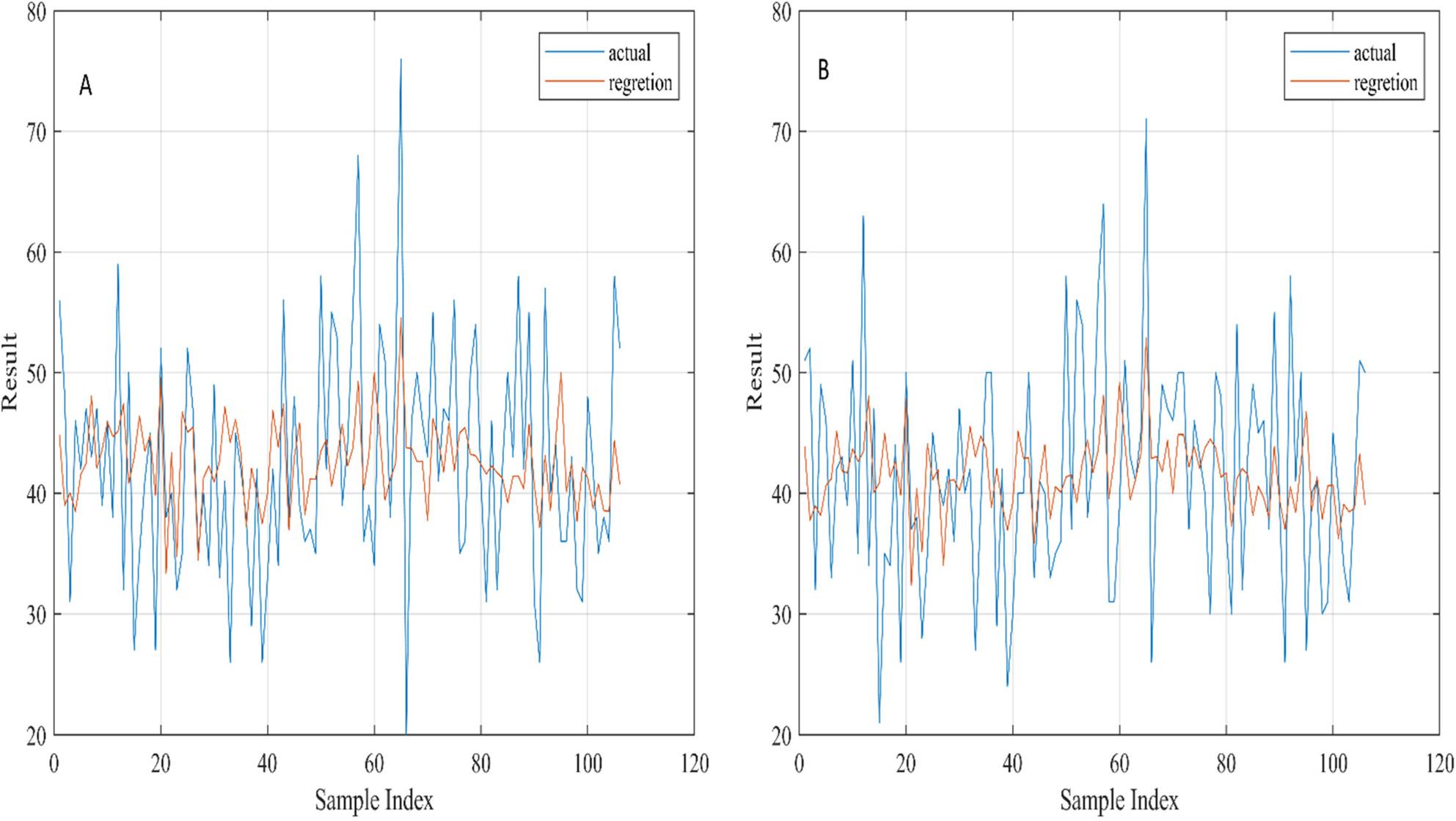 Figure 1
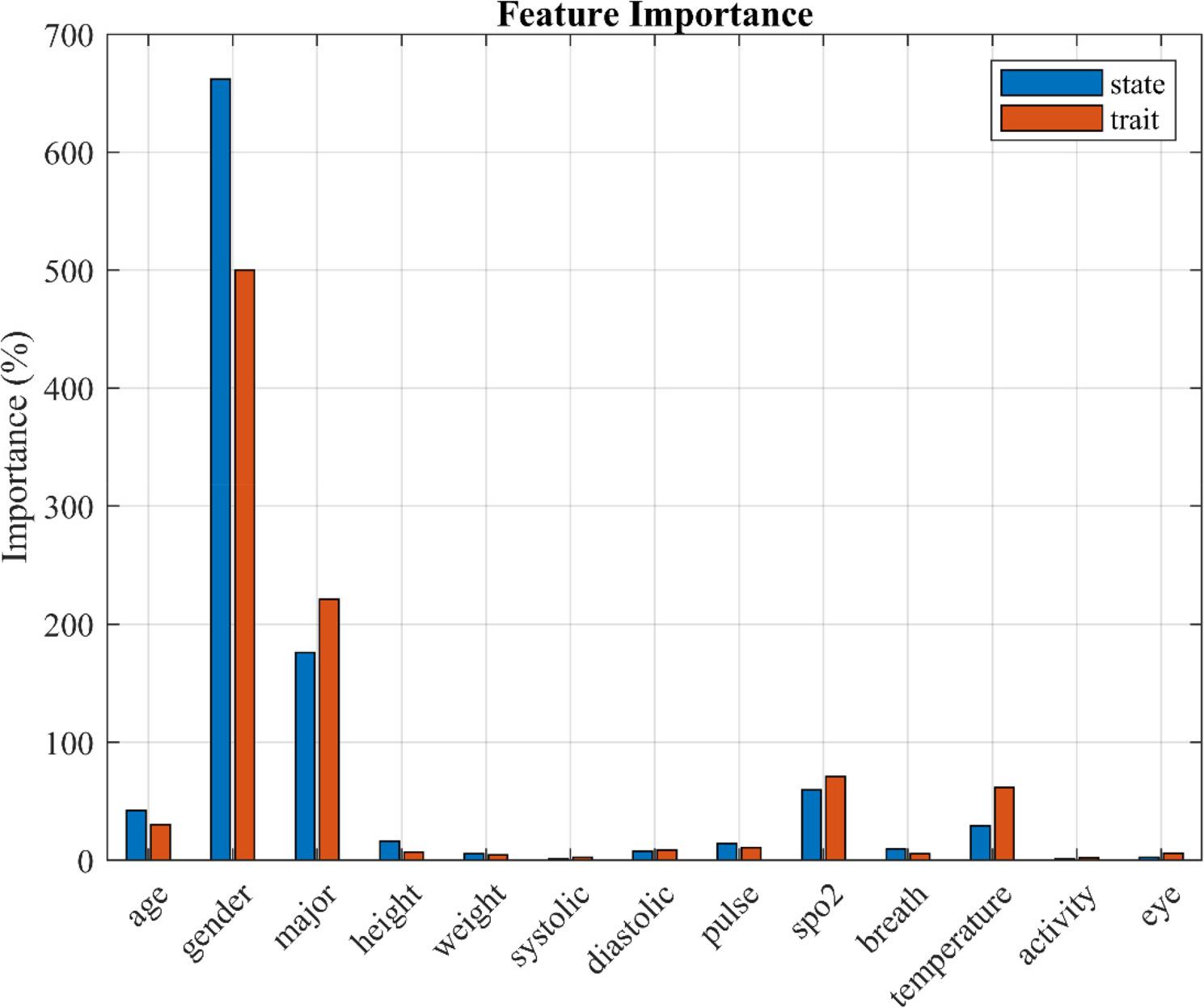 Figure 2
Peer Reviews
No public reviews on file for this paper yet. If you reviewed it on a platform where reviews are public (OpenReview, ICLR, NeurIPS, ICML), you can paste yours below so the community can read it here.
Videos
No videos yet. Explain this paper in a talk, walkthrough, or lecture? Add one.
Taxonomy
TopicsNursing education and management · Healthcare professionals’ stress and burnout · Anxiety, Depression, Psychometrics, Treatment, Cognitive Processes