Clinic-based prevalence of uncorrected refractive errors and associated visual impairment: a nationwide cross-sectional study of 3.6 million outpatients in Mexico
Abraham García-Gil, Beatriz Itzel Hernández-Jurado, Marco Antonio Luna-Ruiz-Esparza, Perla Lorena Ayón-Sicaeros, Eduardo Espinoza-Angulo, Héctor Machado-Jiménez, Humberto Gómez-Campaña, Linda Nasser-Nasser, Abraham Campos-Romero, Jonathan Alcántar-Fernández

TL;DR
This study finds that 26.5% of 3.6 million outpatients in Mexico have uncorrected refractive errors, with significant regional and age-related variations, highlighting the need for better eye care access.
Contribution
The study provides the first comprehensive national assessment of uncorrected refractive errors and related visual impairment in Mexico using a large outpatient sample.
Findings
The national clinic-based prevalence of uncorrected refractive errors was 26.5%.
Baja California Sur had the highest URE prevalence at 43.8% among males aged 40–49 years.
URE-related visual impairment affected 0.89% of the population, with the highest rates in Hidalgo state and among those over 80 years.
Abstract
Uncorrected refractive errors (UREs) are the predominant cause of vision impairment and blindness worldwide, despite the availability of eyeglasses as a cost-effective intervention. Sociocultural factors, including restricted access to healthcare and inadequate self-care education, exacerbate the burden of UREs. There is a paucity of studies evaluating UREs in Mexico with comprehensive national coverage across various age groups. This clinic-based study aimed to assess the profile of UREs and associated visual impairment (VI) in Mexico using a substantial sample of individuals seeking care at a large nationwide outpatient network. We evaluated UREs and URE-related VI by analyzing eye examination data from 3.6 million outpatients who attended Salud Digna clinics in 2024. The national clinic-based prevalence of UREs was 26.5% (980,718 affected individuals, 95% CI:26.5%-26.59%), highest…
Genes, proteins, chemicals, diseases, species, mutations and cell lines named across the full text — each resolved to its canonical identifier and authoritative record.
Click any figure to enlarge with its caption.
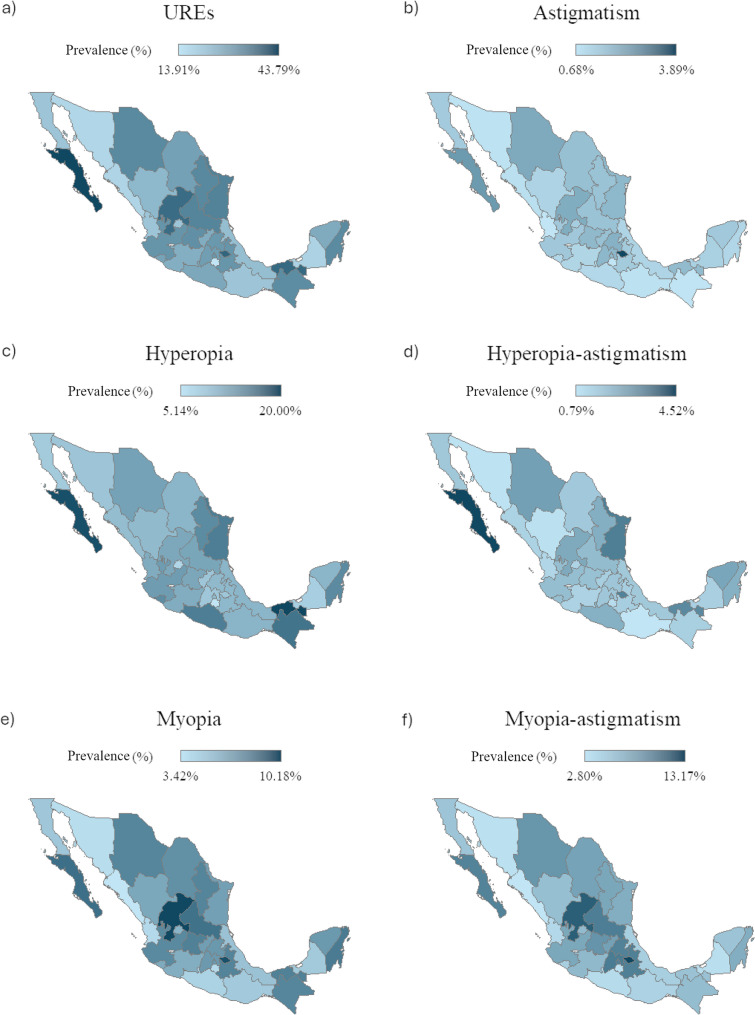 Figure 1
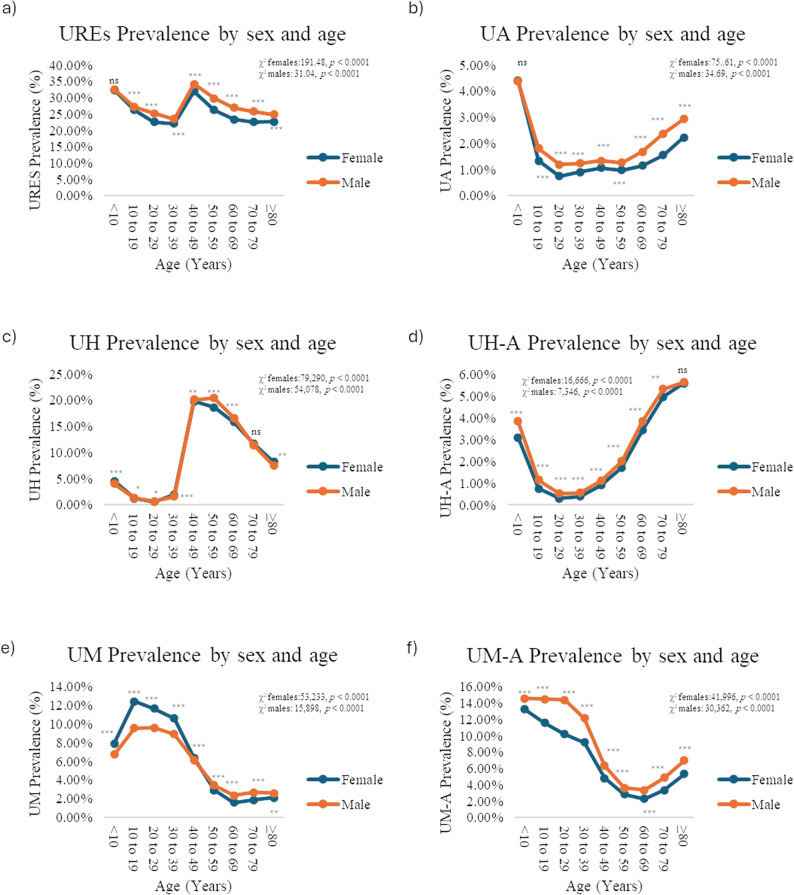 Figure 2
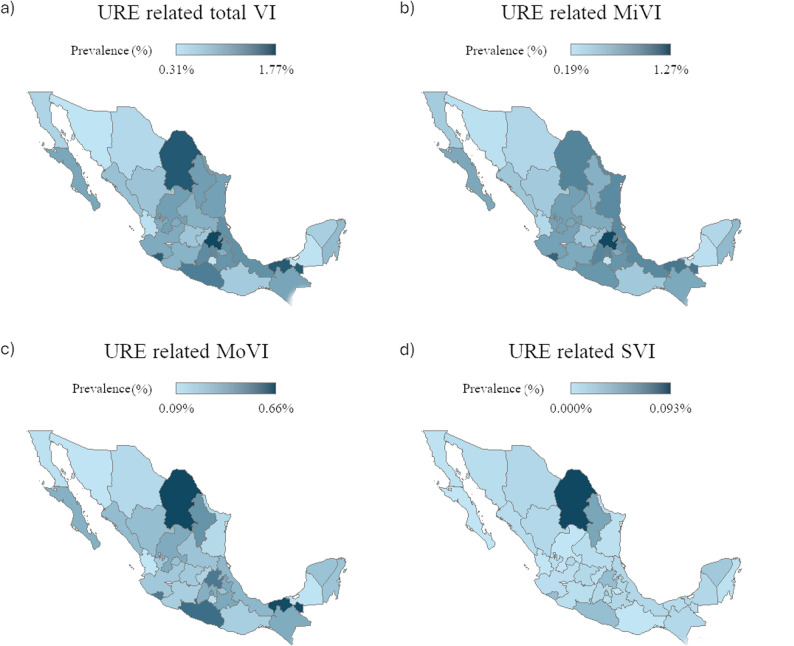 Figure 3
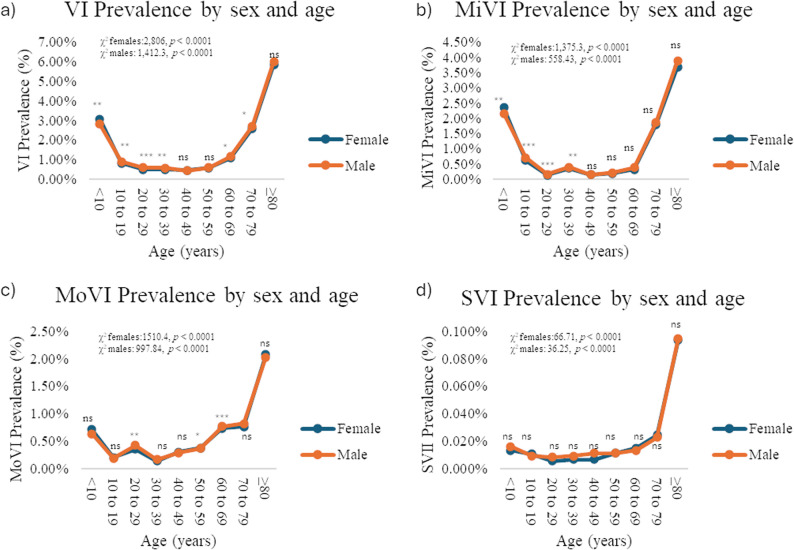 Figure 4
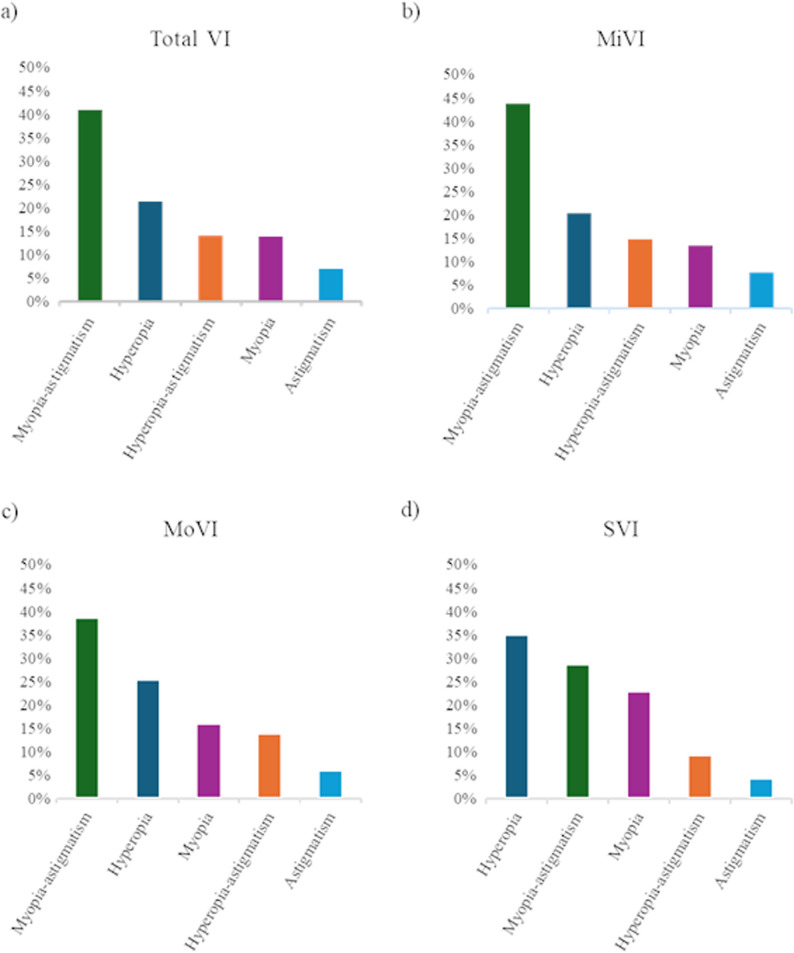 Figure 5
Peer Reviews
No public reviews on file for this paper yet. If you reviewed it on a platform where reviews are public (OpenReview, ICLR, NeurIPS, ICML), you can paste yours below so the community can read it here.
Videos
No videos yet. Explain this paper in a talk, walkthrough, or lecture? Add one.
Taxonomy
TopicsOphthalmology and Visual Impairment Studies · Tactile and Sensory Interactions · Corneal surgery and disorders