Progressive neurodegeneration, motor decline, and premature mortality in aging Ngly1 deficient rats
Lei Zhu, Selina Dwight, William F. Mueller, Becky Schweighardt

TL;DR
This study shows that Ngly1-deficient rats experience severe neurological decline, motor problems, and shortened lifespan, mirroring the human NGLY1 Deficiency disease.
Contribution
The study provides the first longitudinal assessment of late-onset phenotypes in Ngly1⁻/⁻ rats, revealing progressive neurodegeneration and premature mortality.
Findings
Ngly1⁻/⁻ rats showed progressive neurological decline and premature mortality compared to controls.
Surviving Ngly1⁻/⁻ rats exhibited worsening motor deficits and widespread neuroinflammation.
Histopathological analysis revealed loss of peripheral axons and spinal motor neurons in Ngly1⁻/⁻ rats.
Abstract
N-glycanase 1 (NGLY1) Deficiency is an ultra-rare autosomal recessive disorder of deglycosylation caused by loss-of-function mutations in the NGLY1 gene. Patients present with developmental delay, intellectual disability, hyperkinetic movement disorder, elevated liver enzymes, (hypo)alacrima, and peripheral neuropathy. Despite supportive care, many experience early neurological deterioration, with loss of previously attained motor skills by adolescence. Additionally, life-threatening complications are not uncommon, and the published median lifespan of patients is ~13 years. The pathophysiology of NGLY1 Deficiency remains poorly understood, in part due to limited long-term studies in animal models. Notably, Ngly1⁻/⁻ mice (C57BL/6) are embryonically lethal, and prior characterization of Ngly1⁻/⁻ rats was restricted to young adult rat (~7 months old), leaving late-onset phenotypes and…
Genes, proteins, chemicals, diseases, species, mutations and cell lines named across the full text — each resolved to its canonical identifier and authoritative record.
Click any figure to enlarge with its caption.
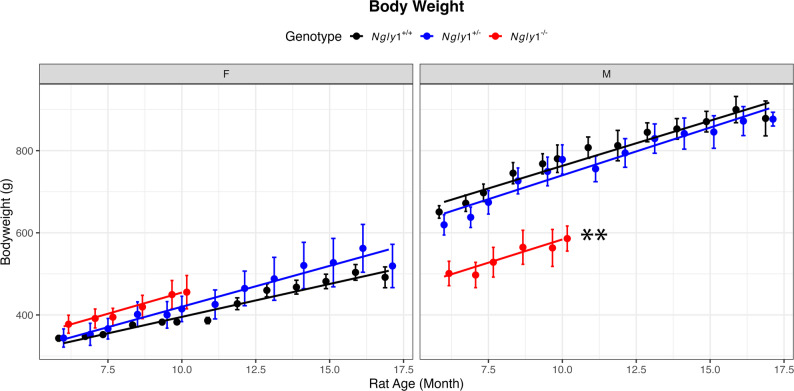 Figure 1
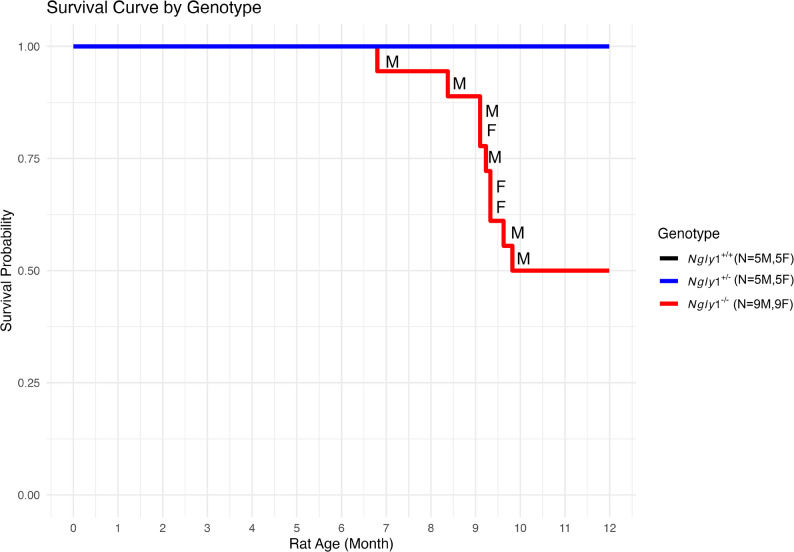 Figure 2
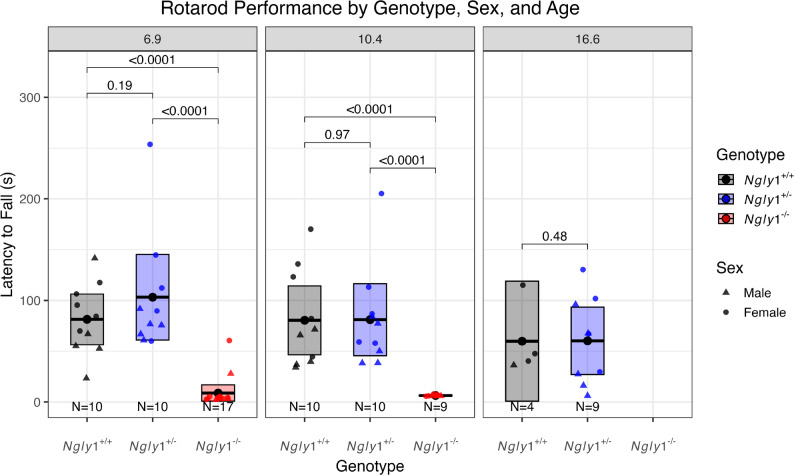 Figure 3
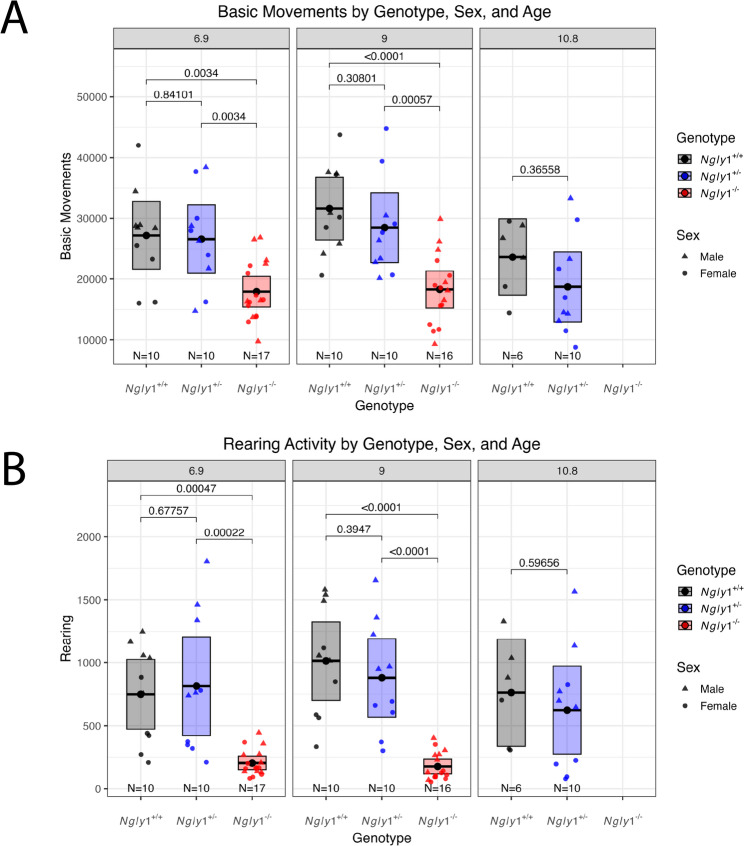 Figure 4
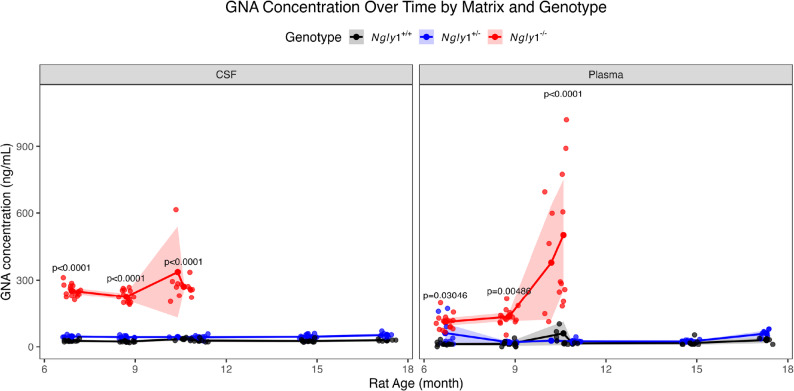 Figure 5
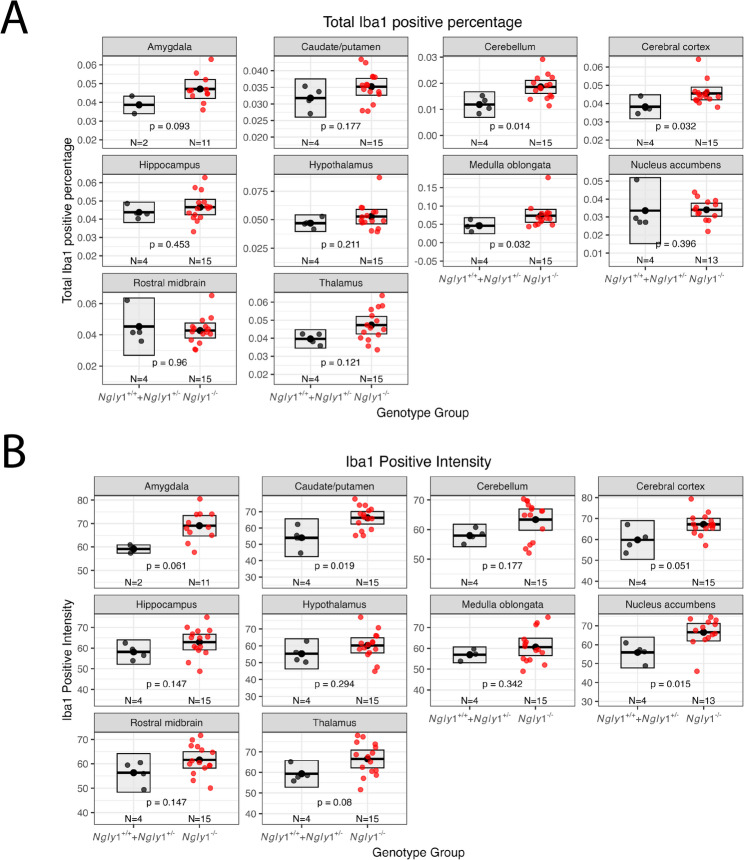 Figure 6
Peer Reviews
No public reviews on file for this paper yet. If you reviewed it on a platform where reviews are public (OpenReview, ICLR, NeurIPS, ICML), you can paste yours below so the community can read it here.
Videos
No videos yet. Explain this paper in a talk, walkthrough, or lecture? Add one.
Taxonomy
TopicsEndoplasmic Reticulum Stress and Disease · Cannabis and Cannabinoid Research · Glycosylation and Glycoproteins Research