OPRM1/MRGPRX1 heterodimers drive opioid-induced itch through a peripheral mechanism
Babina Sanjel, Diwas Rawal, Myeong Ryeo Kim, Wook-Joo Lee, Kwang Won Jeong, Won-Sik Shim

TL;DR
Opioid-induced itch is caused by a receptor pair in sensory neurons, offering a new target for treatments that reduce itching without affecting pain relief.
Contribution
Identifies OPRM1/MRGPRX1 heterodimers as a novel peripheral mechanism for opioid-induced itch.
Findings
OPRM1 and MRGPRX1 form heterodimers in sensory neurons, switching signaling to promote calcium mobilization and scratching behavior.
Blocking OPRM1 or MRGPRX1 reduced itch responses in mice, suggesting a potential therapeutic target.
In atopic dermatitis models, higher OPRM1 and β-endorphin levels correlated with increased itch behavior.
Abstract
Opioid-induced itch is a common and distressing side effect of opioid analgesics, yet its underlying mechanisms remain poorly understood. While central µ-opioid receptor (OPRM1) signaling has been implicated, emerging evidence suggests that peripheral mechanisms also contribute, although their specific roles have not been clearly defined. We investigated the interaction between OPRM1 and the itch-specific receptor MRGPRX1 in sensory neurons using bimolecular fluorescence complementation (BiFC), calcium and cAMP imaging, siRNA knockdown, and pharmacological inhibition assays. Behavioral assays in mice were conducted to assess scratching responses. We also employed immunohistochemistry, RT-qPCR, and ELISA to evaluate gene and protein expression levels in dorsal root ganglia (DRG) and skin tissues, including a mouse model of atopic dermatitis (AD). OPRM1 formed heterodimers with MRGPRX1…
Genes, proteins, chemicals, diseases, species, mutations and cell lines named across the full text — each resolved to its canonical identifier and authoritative record.
Click any figure to enlarge with its caption.
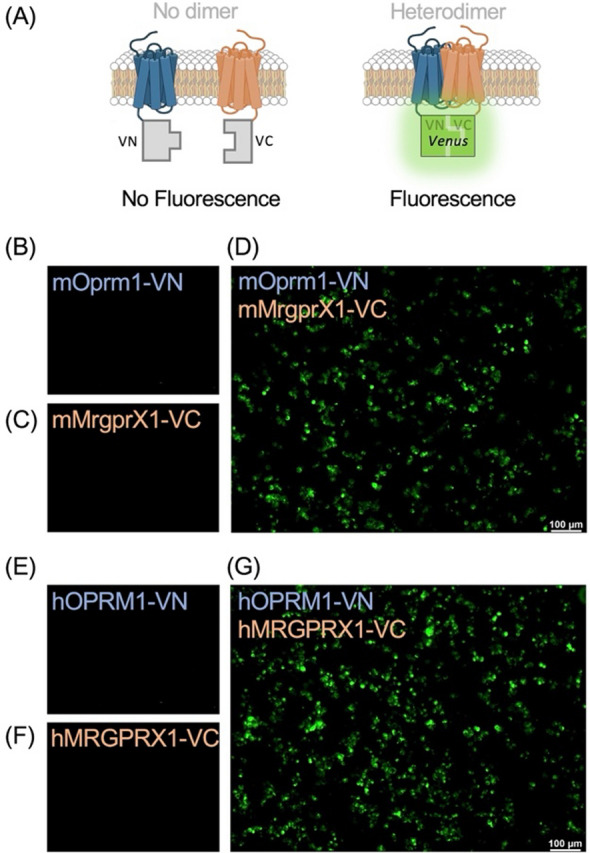 Figure 1
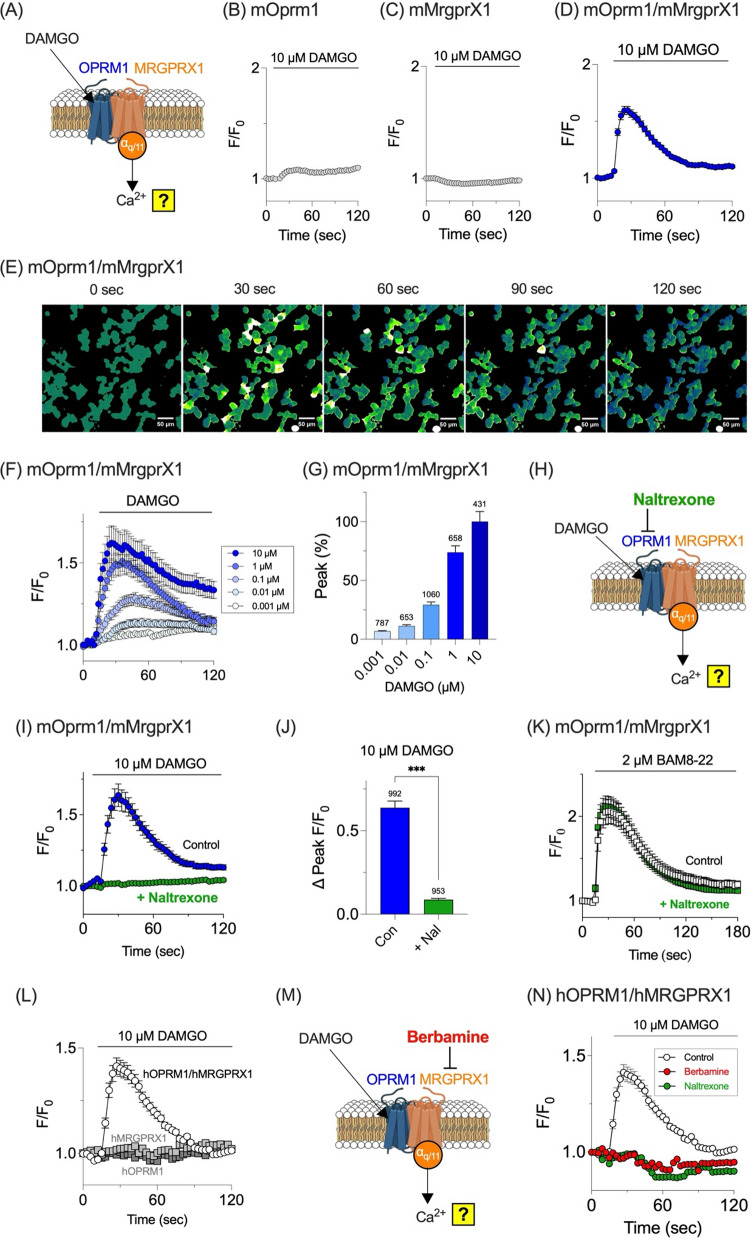 Figure 2
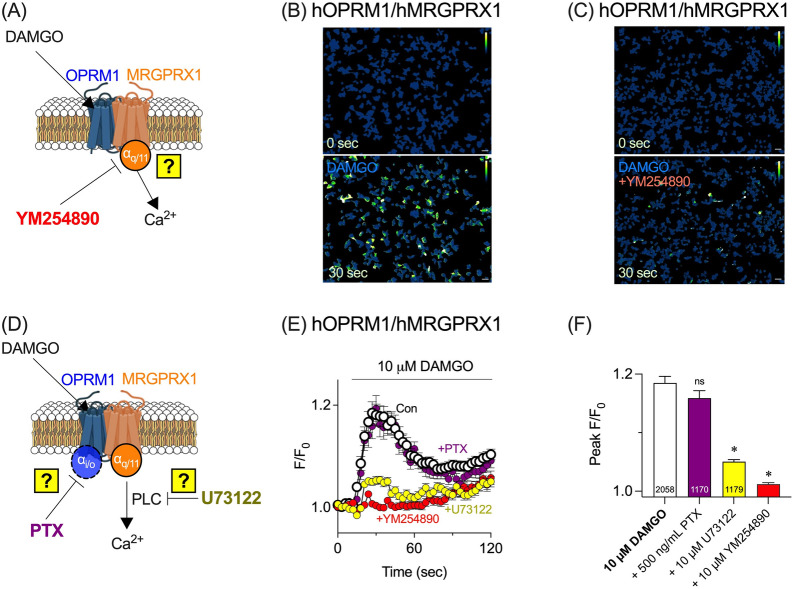 Figure 3
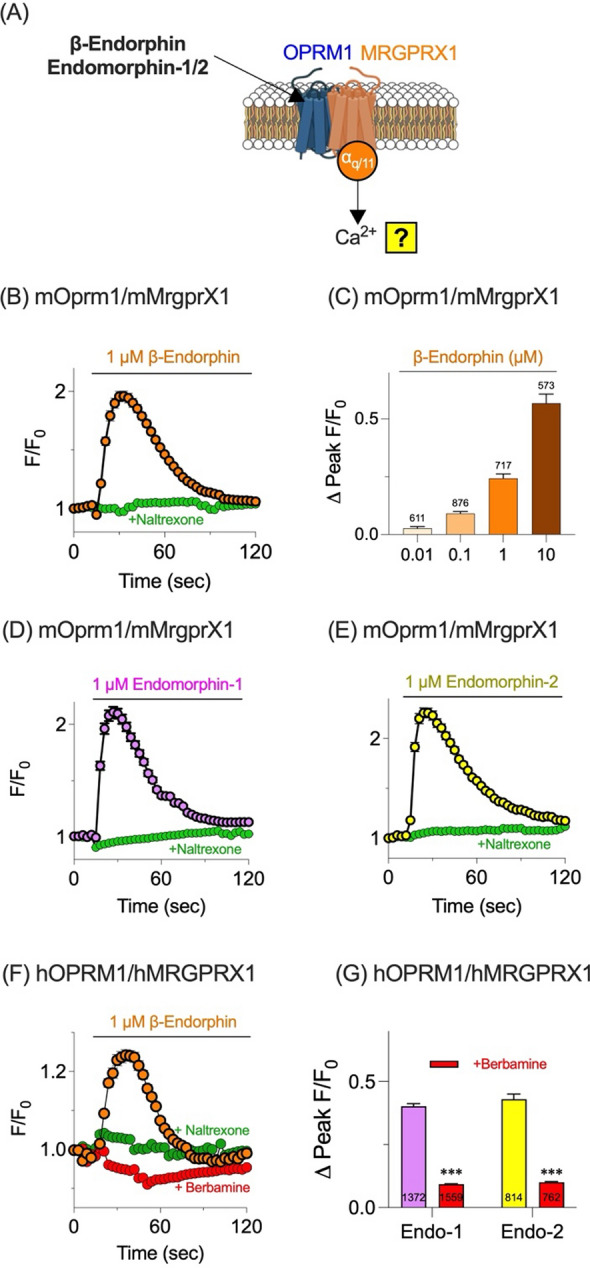 Figure 4
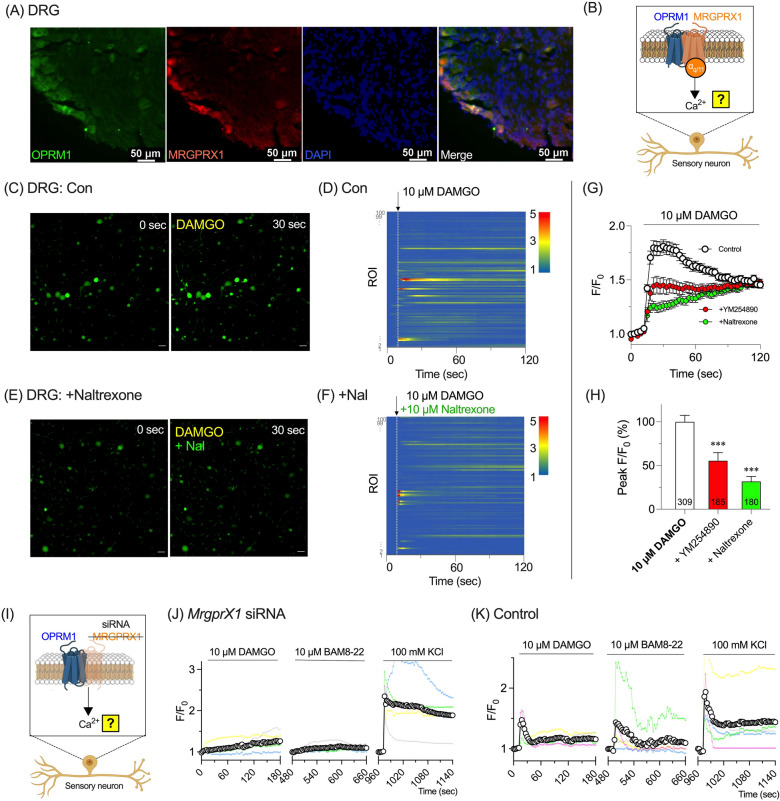 Figure 5
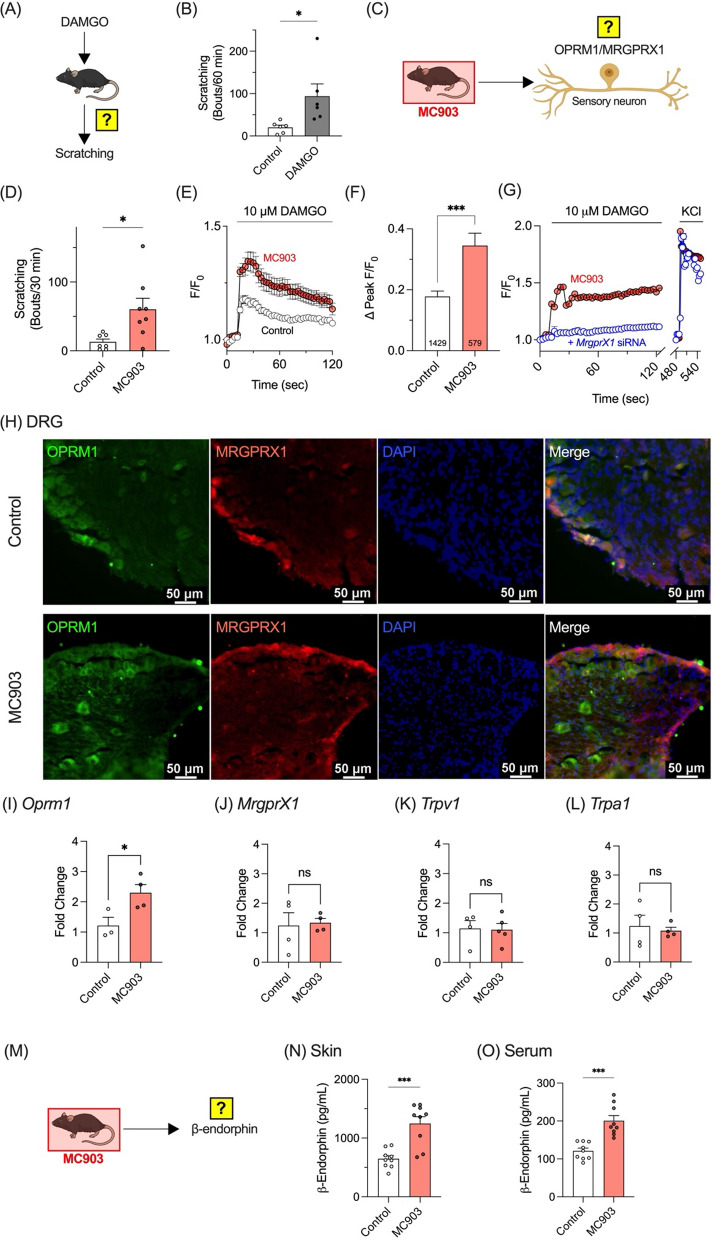 Figure 6
Peer Reviews
No public reviews on file for this paper yet. If you reviewed it on a platform where reviews are public (OpenReview, ICLR, NeurIPS, ICML), you can paste yours below so the community can read it here.
Videos
No videos yet. Explain this paper in a talk, walkthrough, or lecture? Add one.
Taxonomy
TopicsDermatology and Skin Diseases · Neuropeptides and Animal Physiology · Pain Mechanisms and Treatments