Prognostic and immunological roles of ammonia-induced cell death-related genes in non-small cell lung cancer
Hongbin Li, Kai Xue, Jianying Pei, Xiaoli Ma, Xueshan Zhao, Chong Zhang

TL;DR
This study explores how ammonia-induced cell death affects non-small cell lung cancer prognosis and immune response, identifying four genes that could improve treatment strategies.
Contribution
The study identifies four genes linked to ammonia-induced cell death in NSCLC and demonstrates their prognostic and immunological significance.
Findings
SLC7A5, SLC2A1, CAV1, and SPP1 regulate ammonia-induced cell death in NSCLC and correlate with patient survival and immune suppression.
A gene signature from these four regulators predicts overall survival and immune response in NSCLC patients.
Functional assays show that CAV1, SPP1, and SLC7A5 protect T cells from ammonia-induced death, while SLC2A1 increases susceptibility.
Abstract
Lung cancer remains the predominant cause of cancer-related mortality globally, with non-small cell lung cancer (NSCLC) comprising approximately 85% of cases, despite advancements in immunotherapy. This challenge is primarily due to the persistent dysfunction of effector T cells within the tumor microenvironment (TME). Ammonia-induced cell death (AICD), a newly identified form of programmed cell death, leads to the attrition of CD8⁺ T cells and contributes to immune suppression. However, the clinical significance of AICD in NSCLC has yet to be elucidated. In light of this context, the current study seeks to investigate AICD-related genes and their prognostic and immunological implications in NSCLC. Transcriptomic data from The Cancer Genome Atlas (TCGA) and Gene Expression Omnibus (GEO) cohorts were integrated with single-cell RNA sequencing and functional assays. Glutamine…
Genes, proteins, chemicals, diseases, species, mutations and cell lines named across the full text — each resolved to its canonical identifier and authoritative record.
Click any figure to enlarge with its caption.
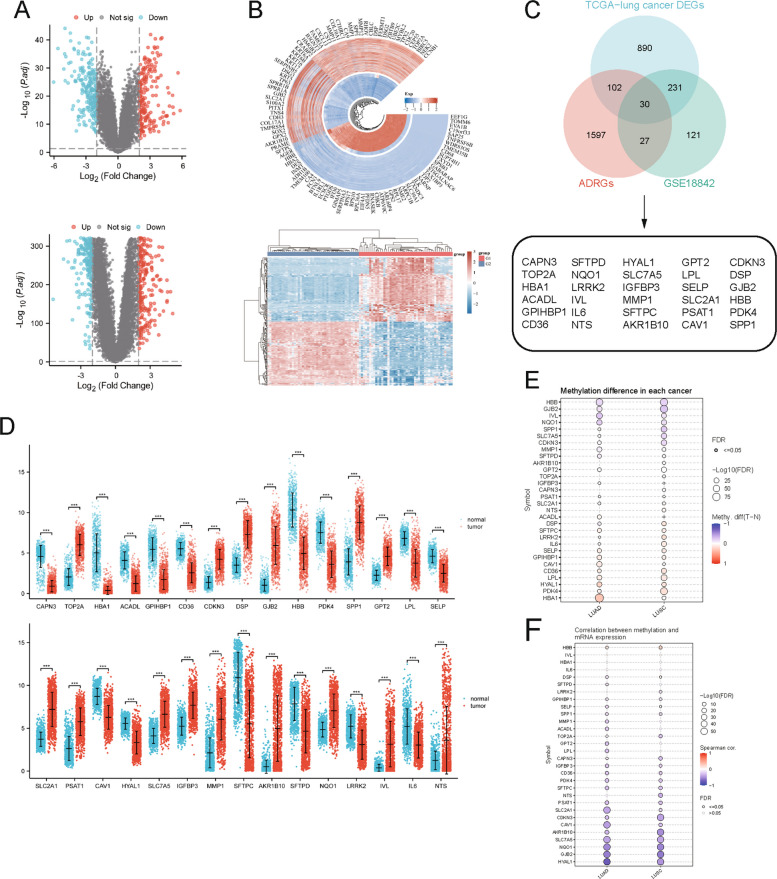 Figure 1
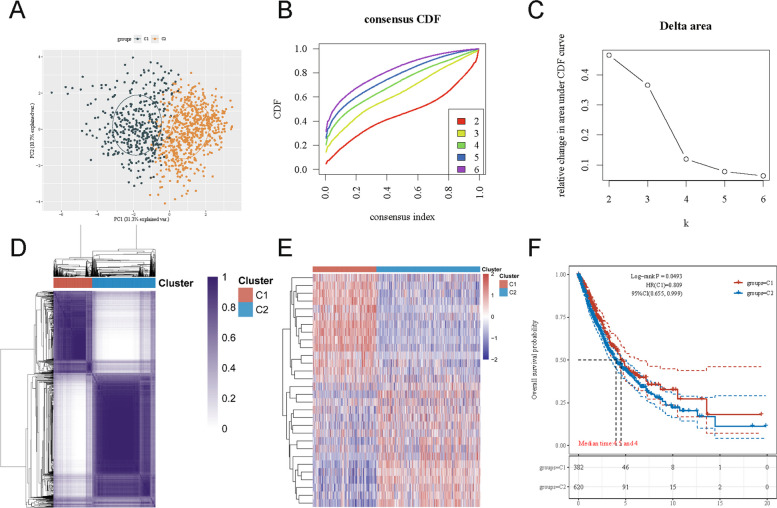 Figure 2
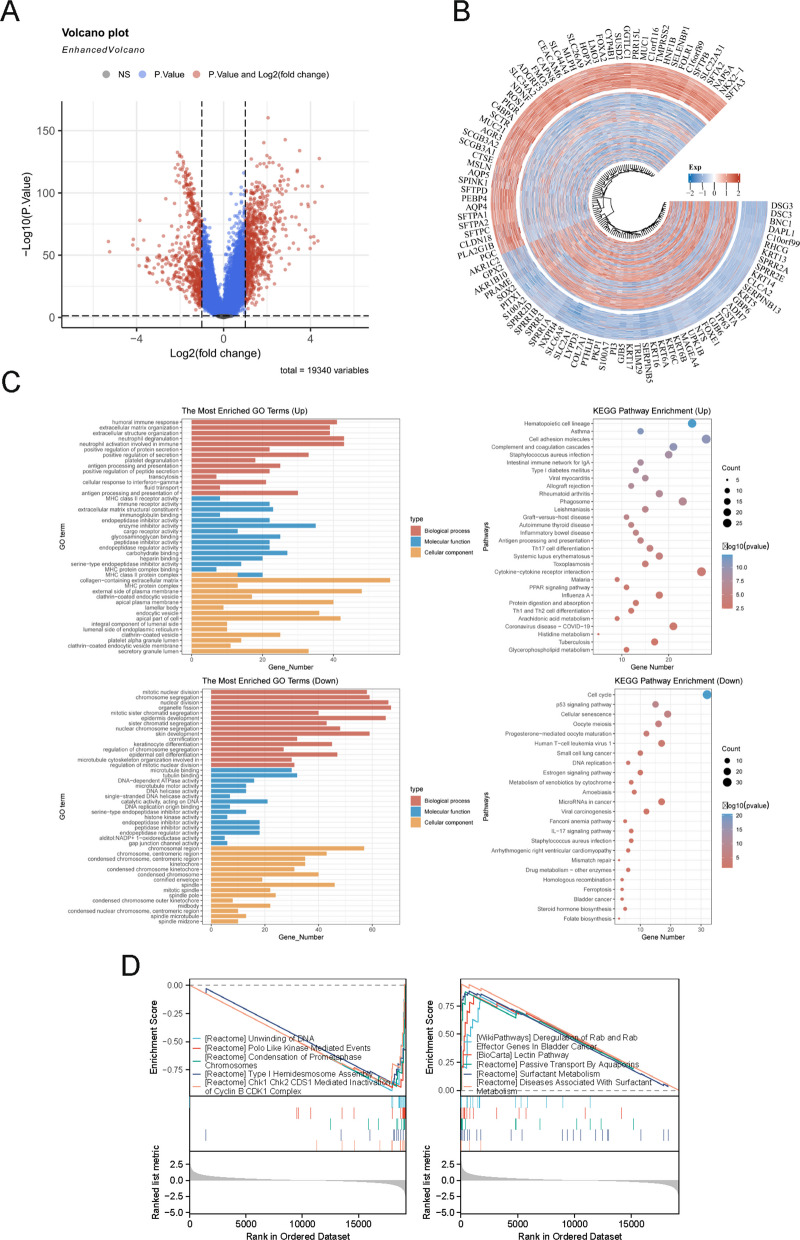 Figure 3
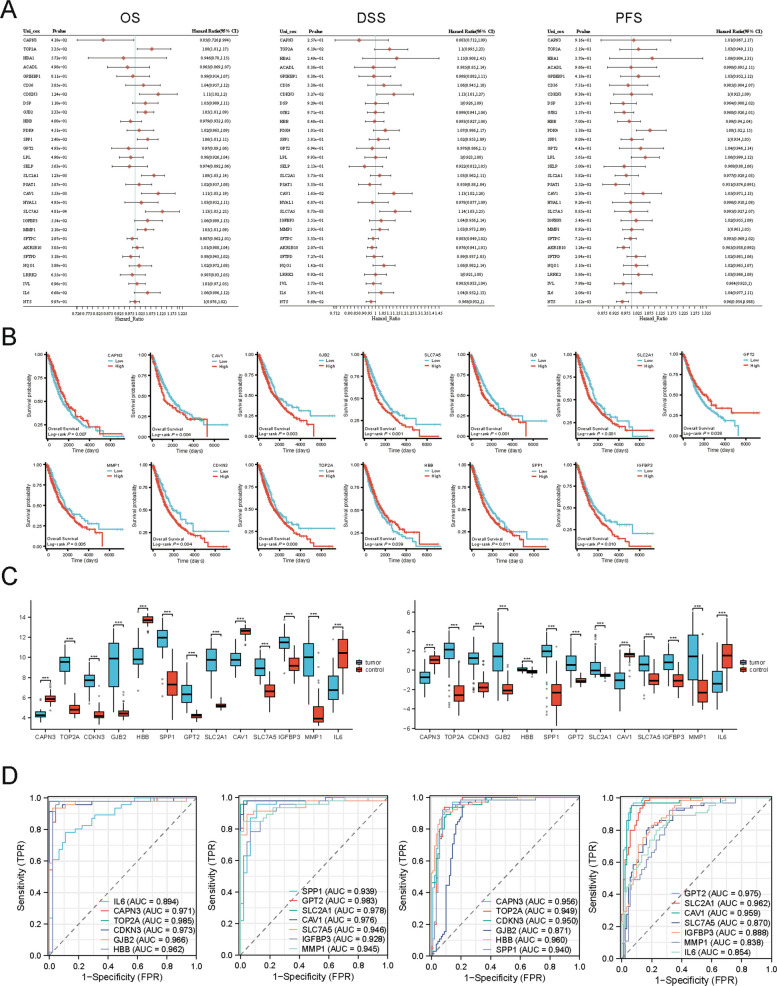 Figure 4
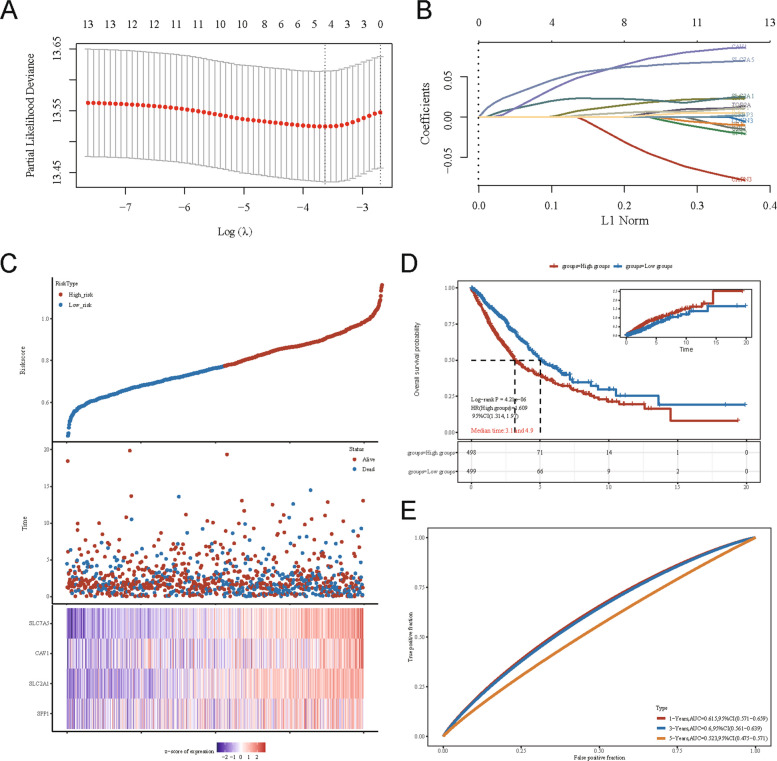 Figure 5
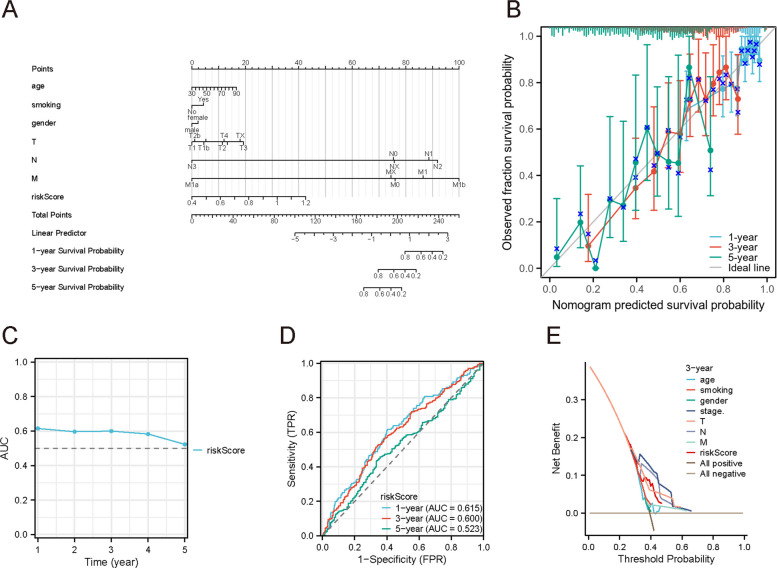 Figure 6
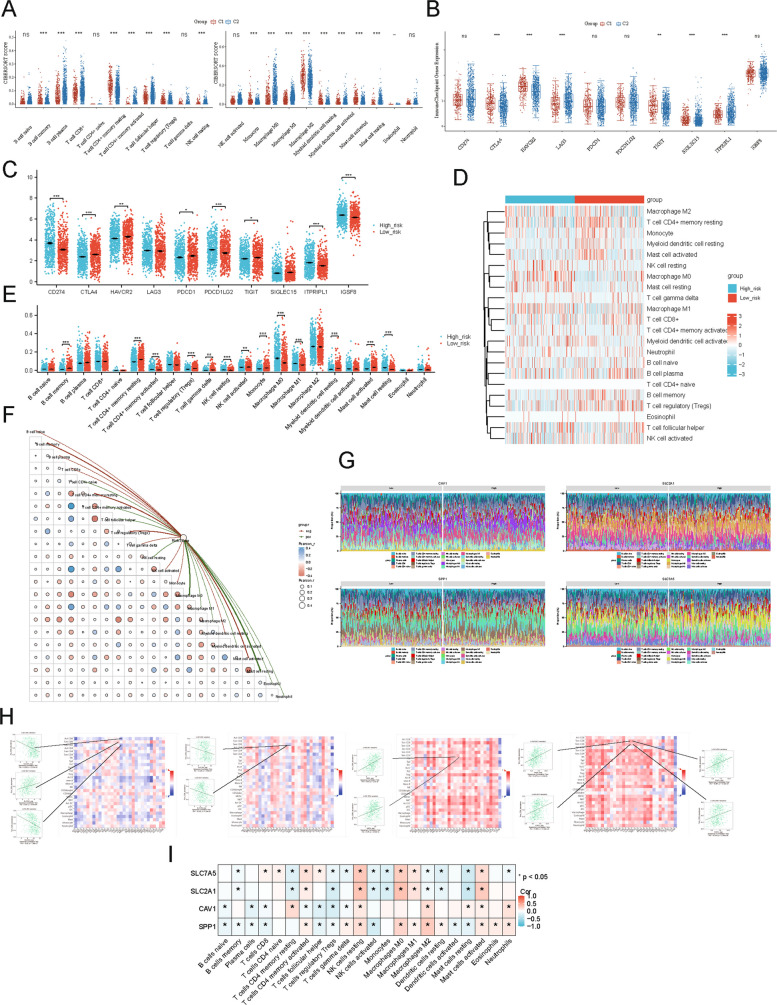 Figure 7
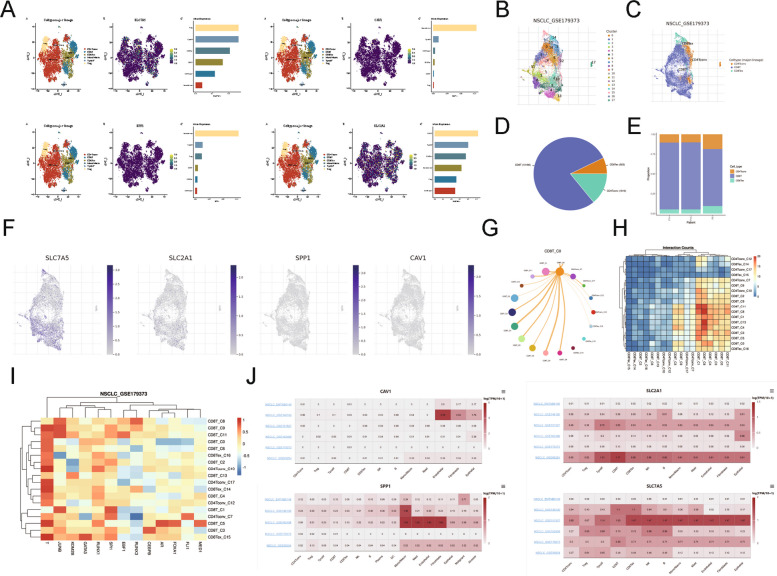 Figure 8
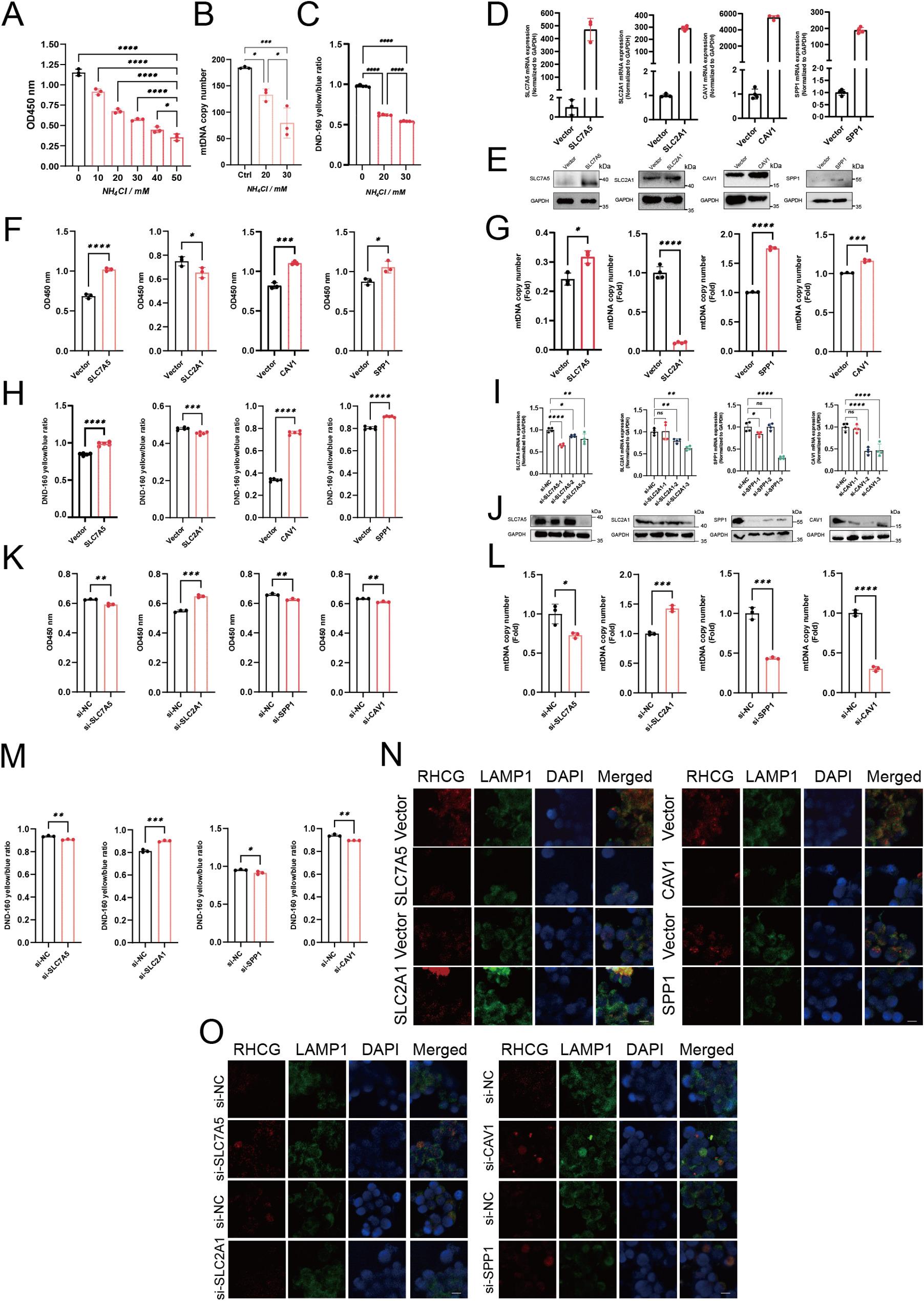 Figure 9
Peer Reviews
No public reviews on file for this paper yet. If you reviewed it on a platform where reviews are public (OpenReview, ICLR, NeurIPS, ICML), you can paste yours below so the community can read it here.
Videos
No videos yet. Explain this paper in a talk, walkthrough, or lecture? Add one.
Taxonomy
TopicsCancer, Hypoxia, and Metabolism · Ferroptosis and cancer prognosis · Cancer Immunotherapy and Biomarkers