PRIME-BSPre: a genome-wide protein-RNA binding sites prediction method based on templates
Xinhang Wei, Yingtian Duan, Danyang Li, Xudong Liu, Juan Xie, Shiyong Liu

TL;DR
PRIME-BSPre is a new method that predicts where proteins bind to RNA in the genome using RNA structure and protein data.
Contribution
PRIME-BSPre introduces the use of low Shannon entropy to model RNA binding preferences of RBPs.
Findings
PRIME-BSPre uses RNA sequence, secondary structure, and RBP tertiary structure for genome-wide predictions.
The method includes LS-PEAK to optimize alignment screening for RNA binding site prediction.
PRIME-BSPre shows excellent performance and robustness across different cell lines.
Abstract
In this paper, we present PRIME-BSPre, a template-based genome-wide method for predicting protein-RNA binding sites that incorporates the RNA sequence and secondary structure as well as the tertiary structure of corresponding RBPs. We are pioneers in introducing low Shannon entropy algorithm in PRIME-BSPre to describe the binding preferences of RBPs on RNA motifs. The LS-PEAK derived from LS-Scores in PRIME-BSPre is utilized to optimize the alignments screening. PRIME-BSPre has been successfully benchmarked on the human genome, demonstrating its excellent prediction performance on independent RBP datasets and its robustness across different cell lines. The online version contains supplementary material available at 10.1186/s12864-026-12657-3.
Genes, proteins, chemicals, diseases, species, mutations and cell lines named across the full text — each resolved to its canonical identifier and authoritative record.
Click any figure to enlarge with its caption.
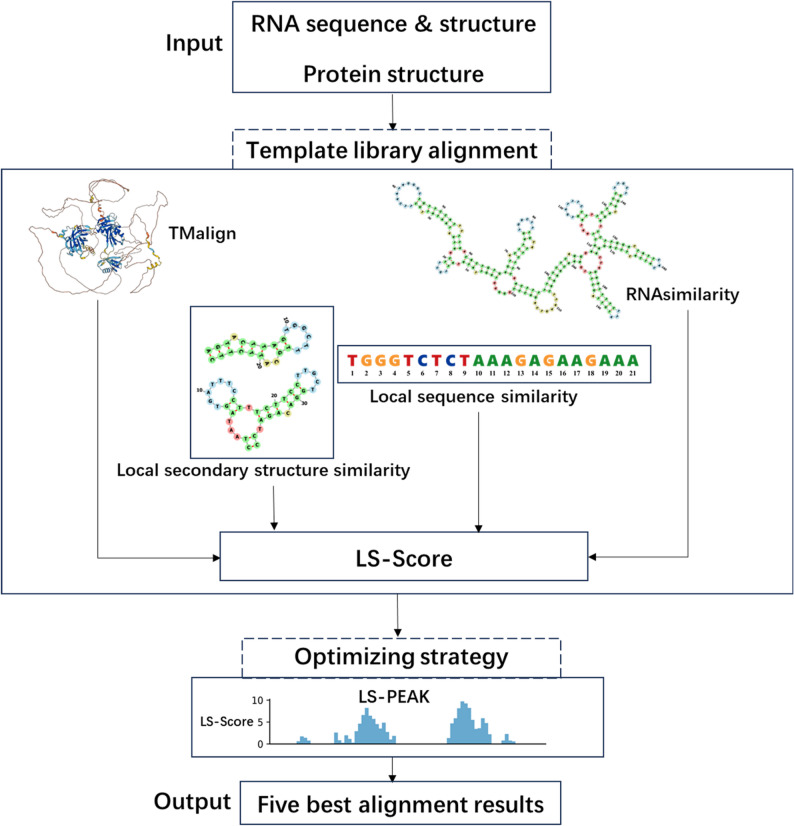 Figure 1
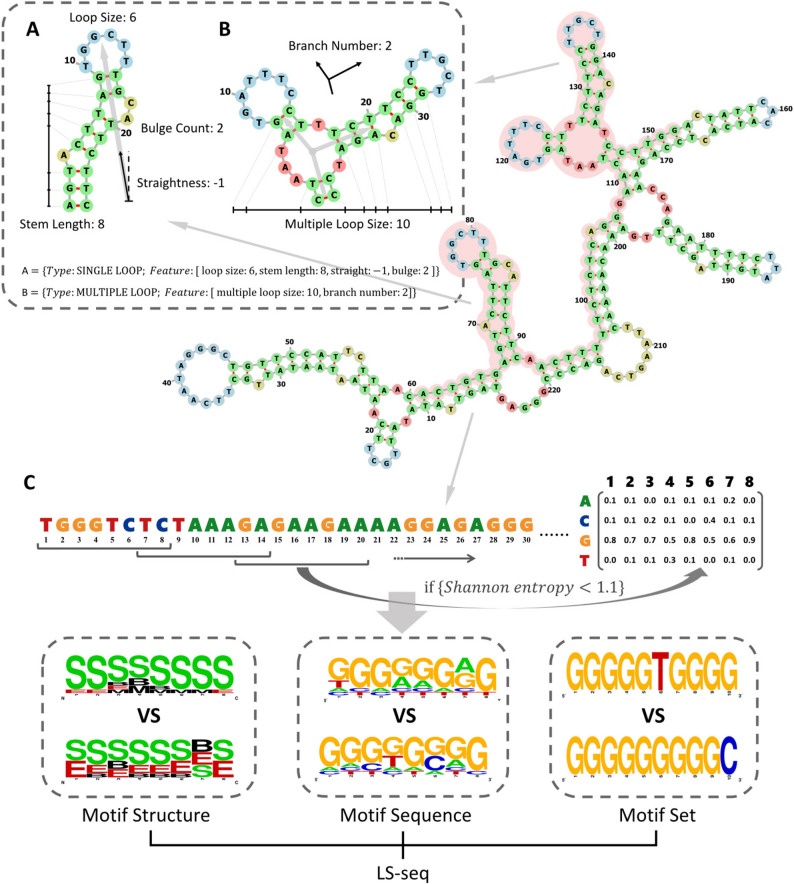 Figure 2
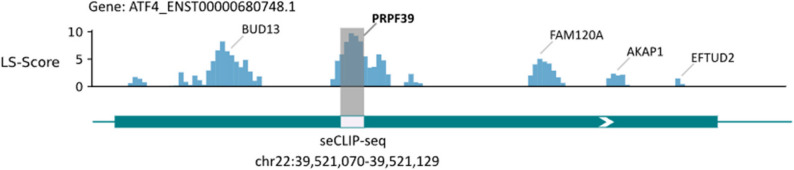 Figure 3
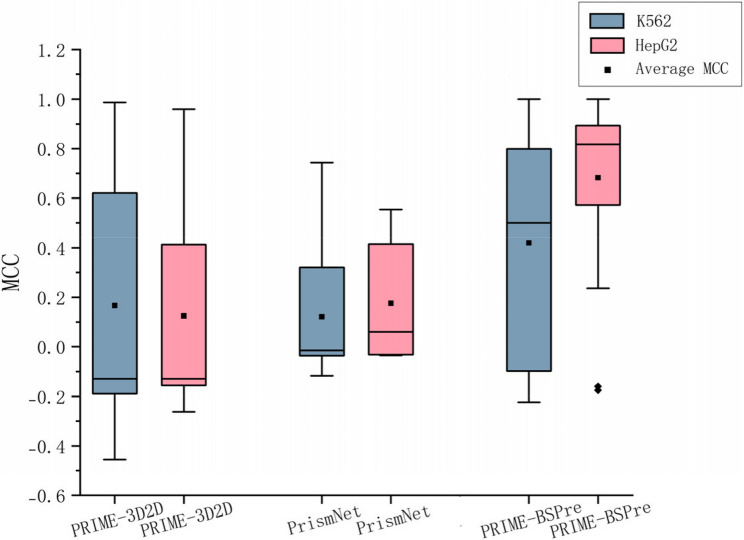 Figure 4
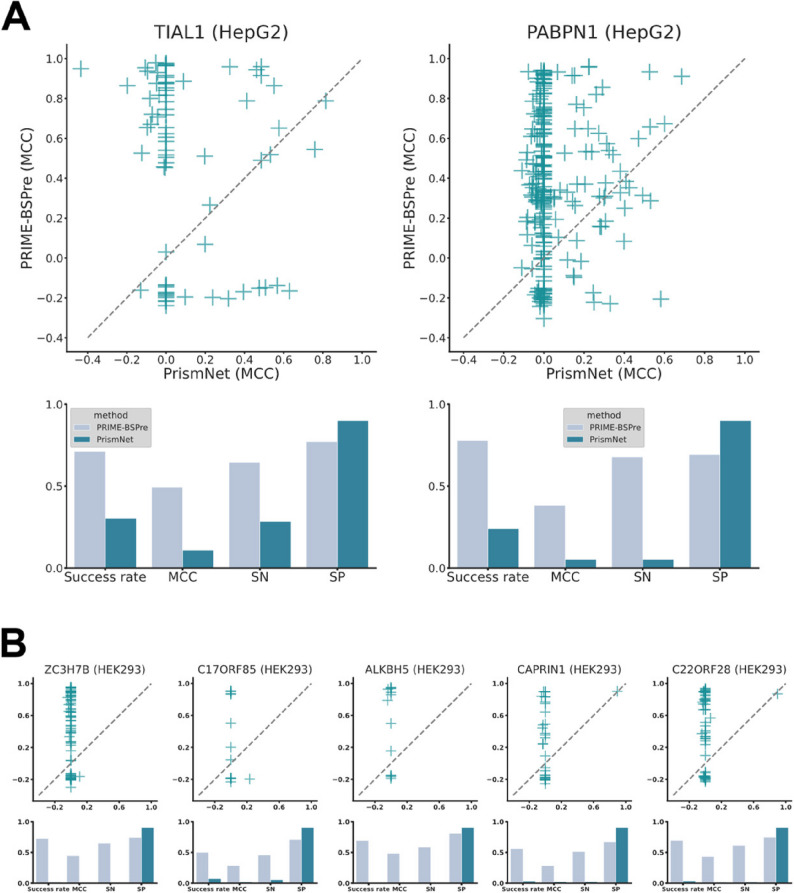 Figure 5
Peer Reviews
No public reviews on file for this paper yet. If you reviewed it on a platform where reviews are public (OpenReview, ICLR, NeurIPS, ICML), you can paste yours below so the community can read it here.
Videos
No videos yet. Explain this paper in a talk, walkthrough, or lecture? Add one.
Taxonomy
TopicsRNA and protein synthesis mechanisms · RNA Research and Splicing · Genomics and Chromatin Dynamics