Post-thaw storage of sperm as a tool towards revealing paternal-effect-associated genes in Eurasian perch, Perca fluviatilis
Abhipsa Panda, Sylwia Wałdowska, Katarzyna Palińska-Żarska, Rossella Debernardis, Joanna Nynca, Rafał Rożyński, Anna M. Majewska, Jan P. Jastrzębski, Daniel Żarski

TL;DR
This study explores how storing thawed sperm affects offspring survival and gene expression in Eurasian perch larvae, revealing paternal-effect-associated genes.
Contribution
A novel experimental model using post-thaw sperm storage to identify paternal-effect-associated genes and study non-genetic inheritance in fish.
Findings
Post-thaw sperm storage reduced sperm motility but did not affect fertilization success.
Larvae from stored sperm showed higher mortality and immune-related gene expression differences.
Transcriptomic analysis identified 41 differentially expressed genes, including several candidate paternal-effect-associated genes.
Abstract
The influence of paternity on progeny quality, particularly during early developmental stages, has long been underappreciated. However, altered sperm phenotypes are increasingly recognized as effective tools for identifying paternal-effect-associated genes (PEAGs), whose expression in the progeny is influenced by genetic or non-genetic factors carried by the sperm. This study investigated the impact of post-thaw sperm storage (PTS) as a stressor to verify its effect on larval performance in common garden rearing trial and to reveal PEAGs in Eurasian perch (Perca fluviatilis) progeny. In vitro fertilizations were performed using cryopreserved sperm that was either used immediately after thawing (0 min; CON) or after 30 min of post-thaw storage at 4 °C. Despite a marked decline in sperm motility during PTS, fertilization success remained unaffected, allowing the use of PTS to study its…
Genes, proteins, chemicals, diseases, species, mutations and cell lines named across the full text — each resolved to its canonical identifier and authoritative record.
Click any figure to enlarge with its caption.
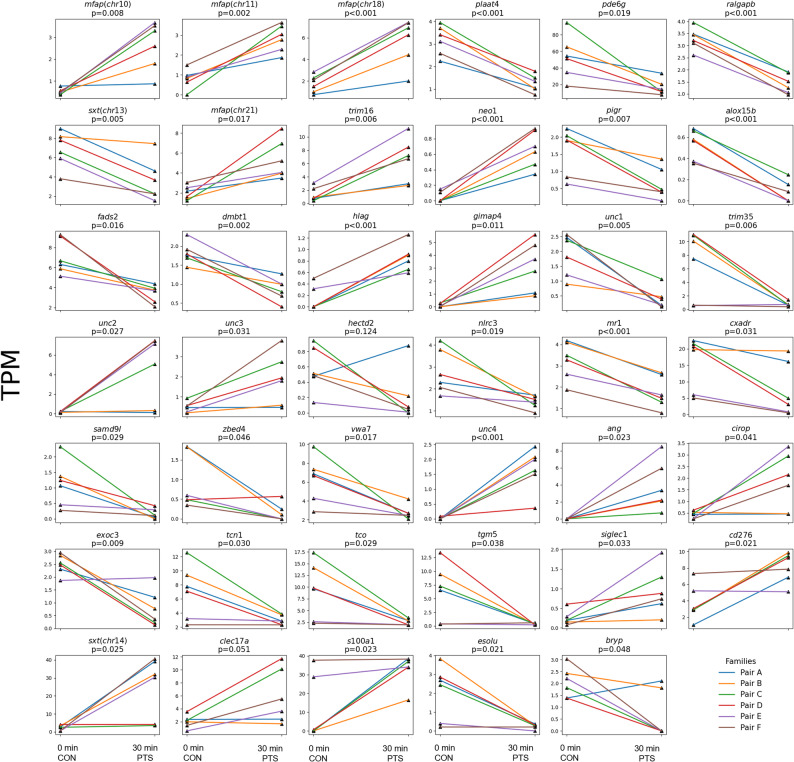 Figure 10
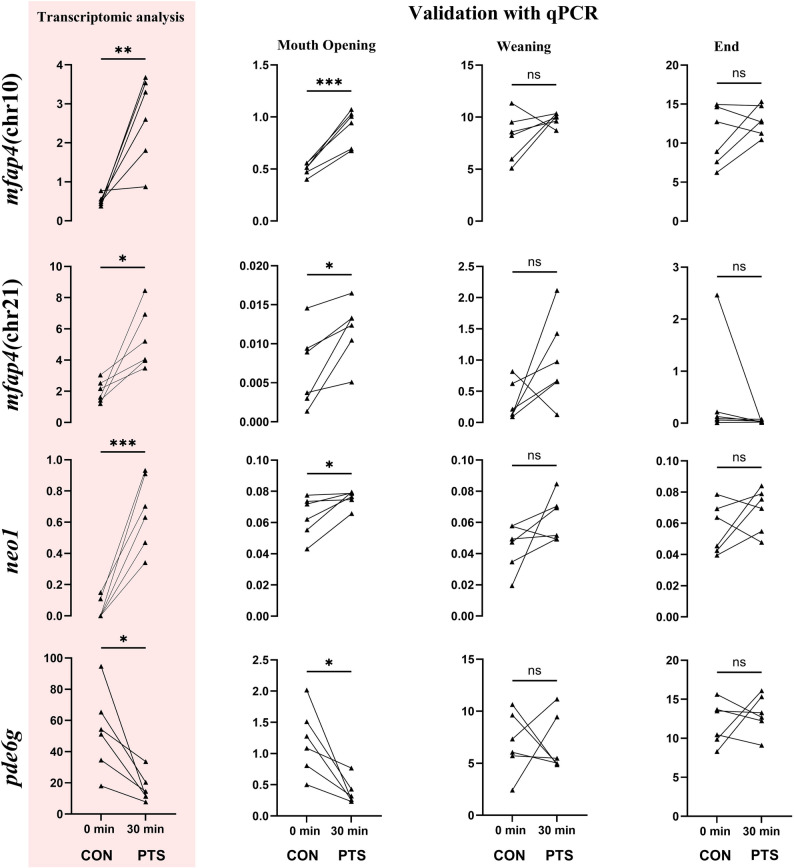 Figure 11
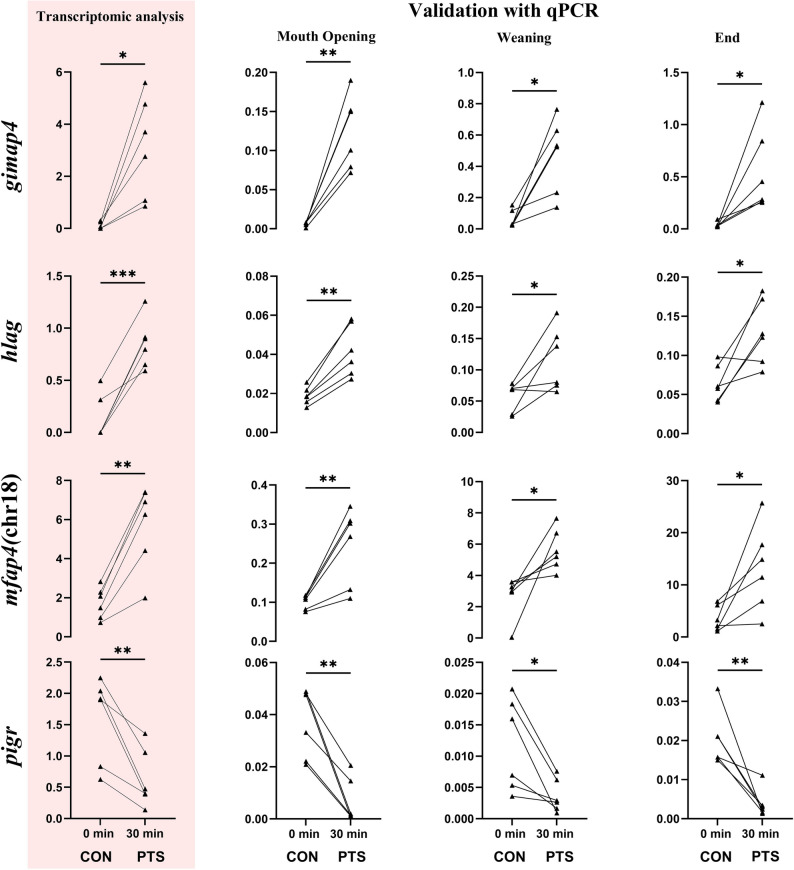 Figure 12
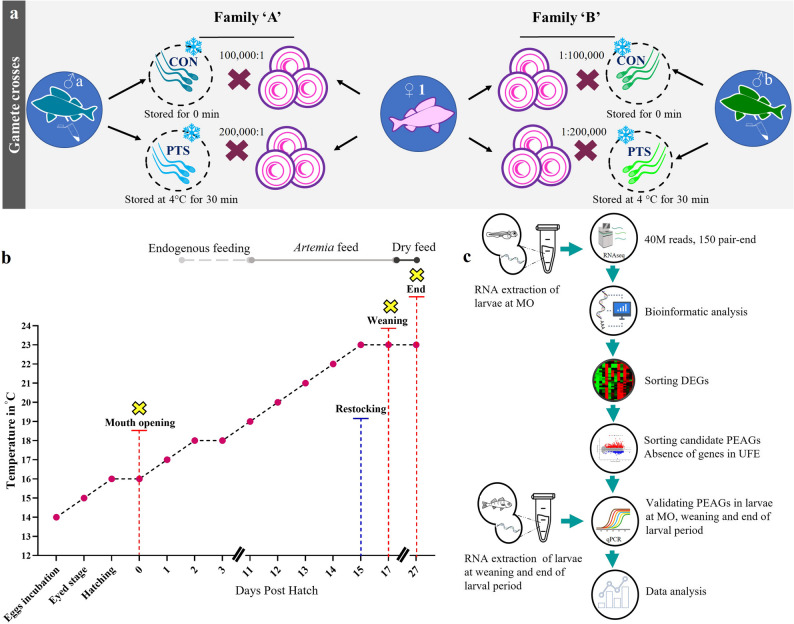 Figure 1
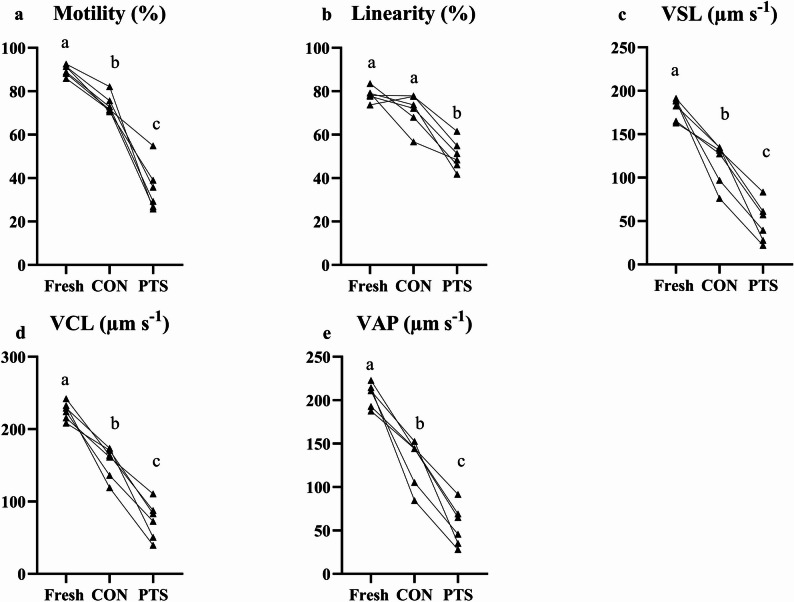 Figure 2
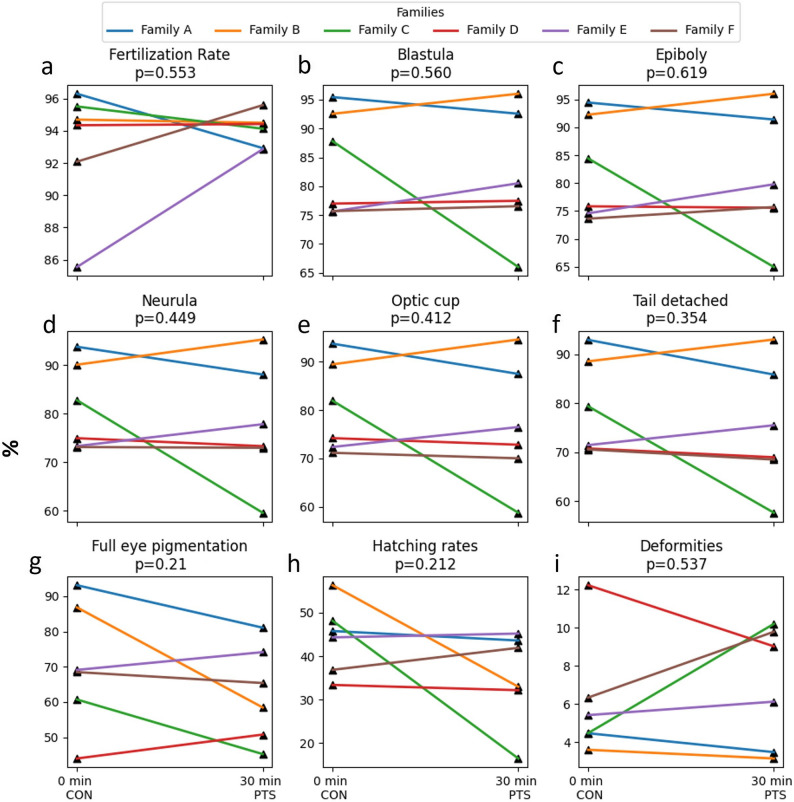 Figure 3
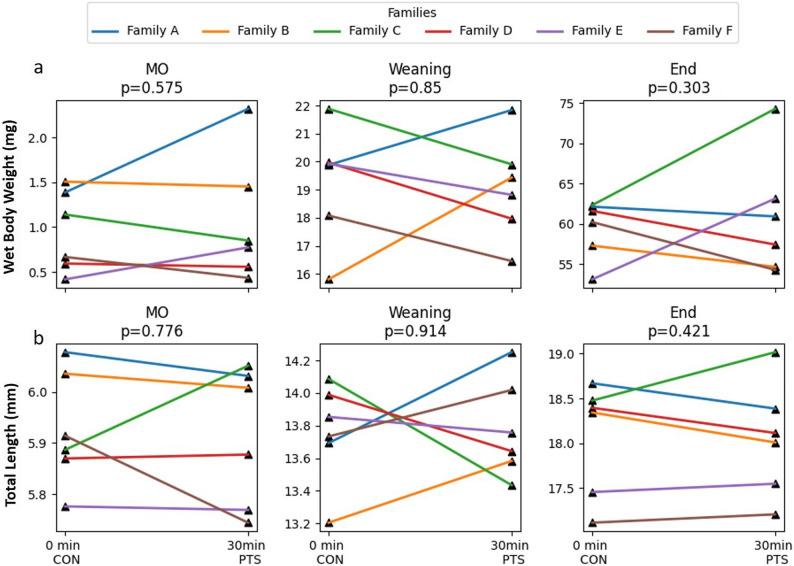 Figure 4
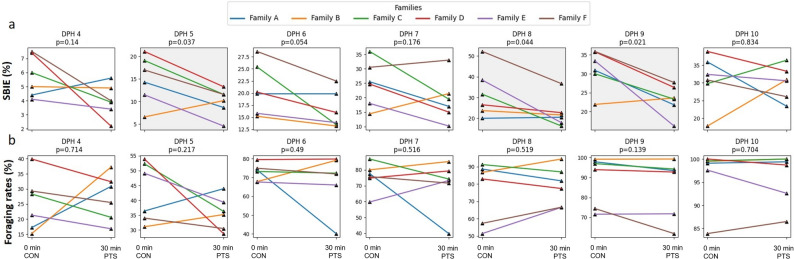 Figure 5
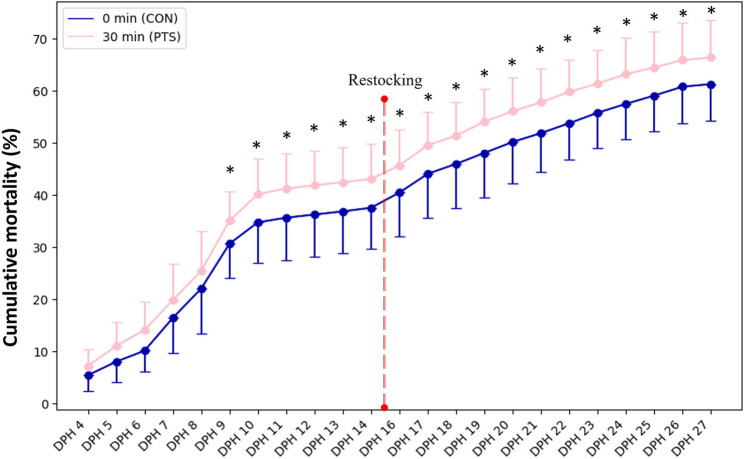 Figure 6
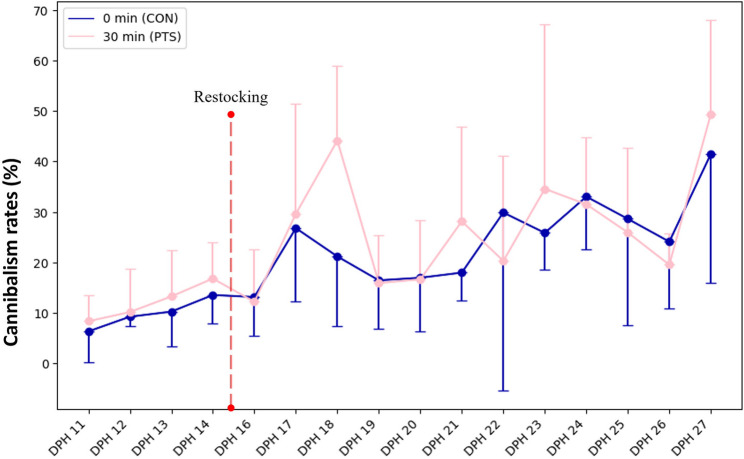 Figure 7
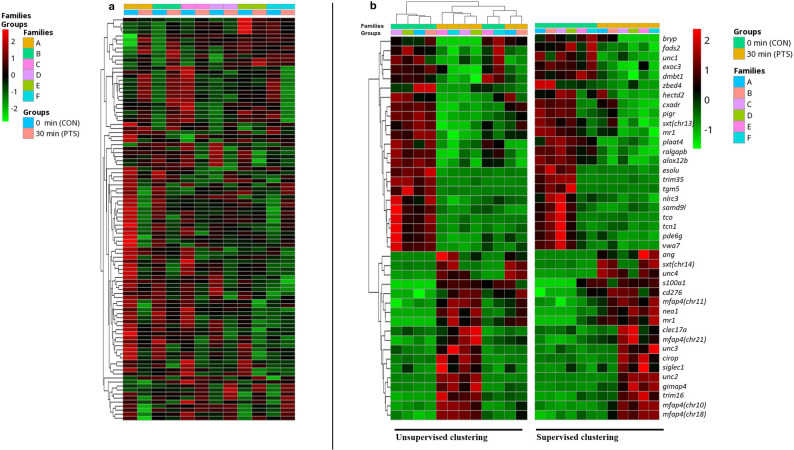 Figure 8
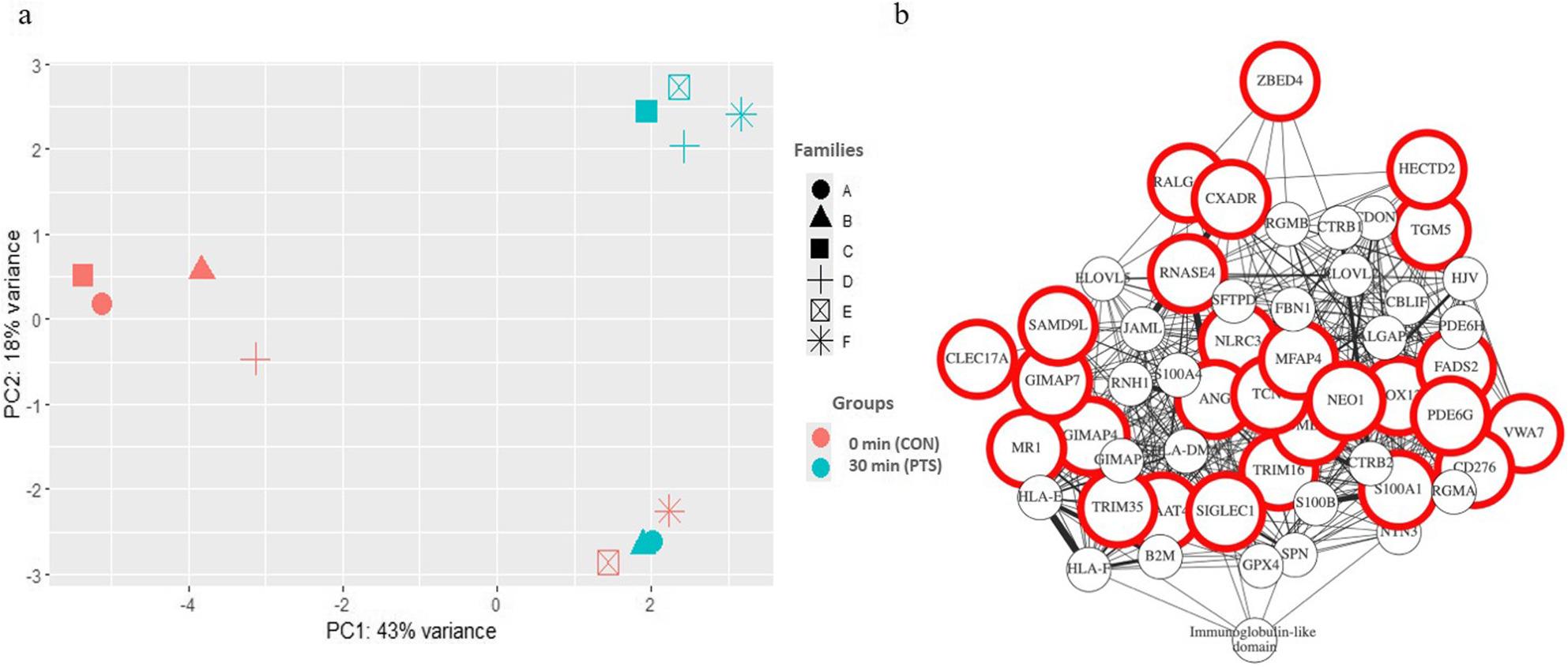 Figure 9
Peer Reviews
No public reviews on file for this paper yet. If you reviewed it on a platform where reviews are public (OpenReview, ICLR, NeurIPS, ICML), you can paste yours below so the community can read it here.
Videos
No videos yet. Explain this paper in a talk, walkthrough, or lecture? Add one.
Taxonomy
TopicsReproductive biology and impacts on aquatic species · Sperm and Testicular Function · Animal Behavior and Reproduction