Elective induction versus expectant management for suspected large-for-gestational-age fetuses: a systematic review and meta-analysis
Abd-alrahman Al-Qudah, Mohammad Aleidi, Husam Alshebelat, Mohammad Al-Hanaktah, Reham Albadaineh, Edward Mullins

TL;DR
Elective induction around 38 weeks for suspected large babies reduces birth trauma and C-sections without major risks, according to a review of clinical trials.
Contribution
A systematic review and meta-analysis of recent trials comparing elective induction with expectant management for suspected LGA fetuses.
Findings
Induction reduced shoulder dystocia and caesarean birth rates in suspected LGA pregnancies.
Induction increased spontaneous vaginal births but also neonatal phototherapy needs.
No significant differences were found in instrumental delivery or perinatal death rates.
Abstract
Suspected large-for-gestational-age (LGA) fetuses present a clinical dilemma: early induction may reduce birth trauma but raise intervention risks. Previous reviews lacked recent data. To assess whether elective induction at 37–39 weeks reduces adverse maternal and neonatal outcomes compared with expectant management in pregnancies with suspected LGA fetuses. We systematically searched PubMed, Cochrane Library, Scopus, Web of Science, and ClinicalTrials.gov through May 2025, with no language restrictions. We included randomised controlled trials (RCTs) comparing elective induction (37–39 weeks) with expectant management in singleton pregnancies with suspected (LGA) fetuses. Two reviewers independently screened studies, extracted data, and assessed the risk of bias using RoB 2.0. Outcomes were pooled using fixed- or random-effects meta-analysis, and the certainty of evidence was…
Genes, proteins, chemicals, diseases, species, mutations and cell lines named across the full text — each resolved to its canonical identifier and authoritative record.
Click any figure to enlarge with its caption.
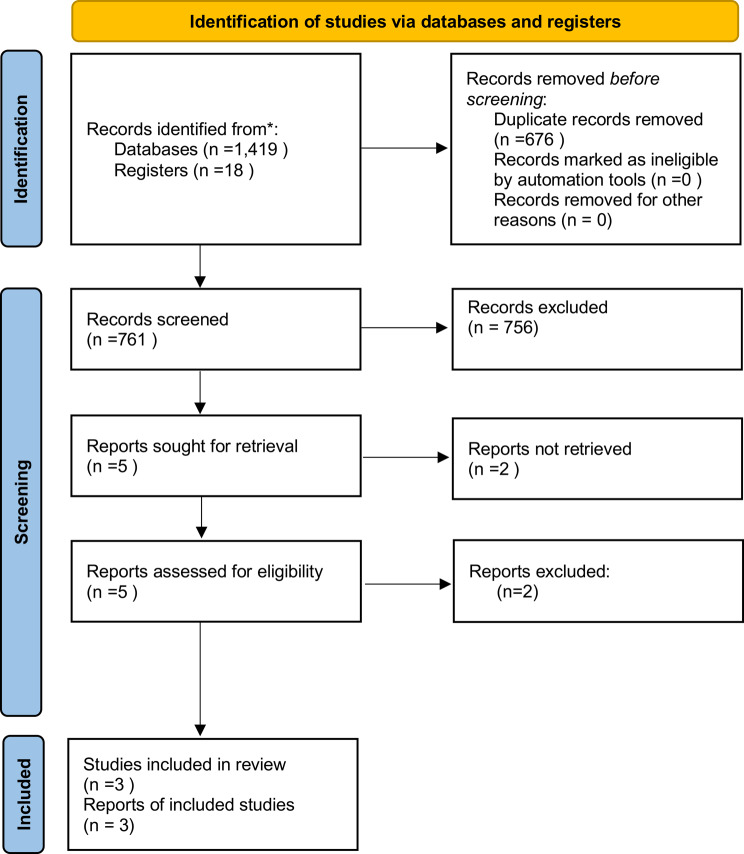 Figure 1
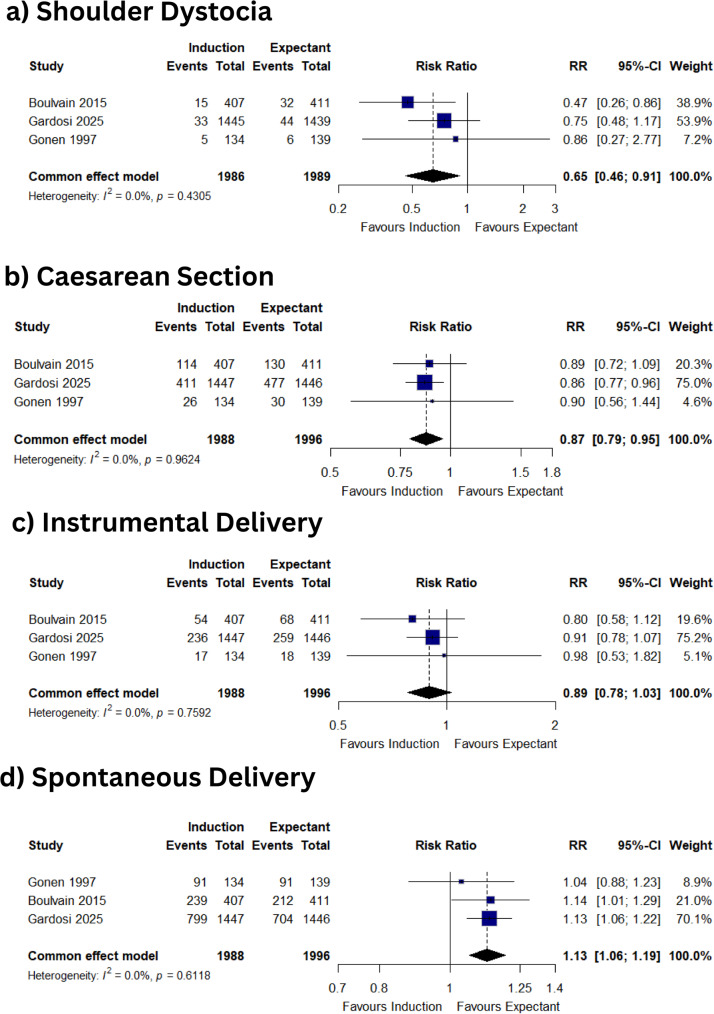 Figure 2
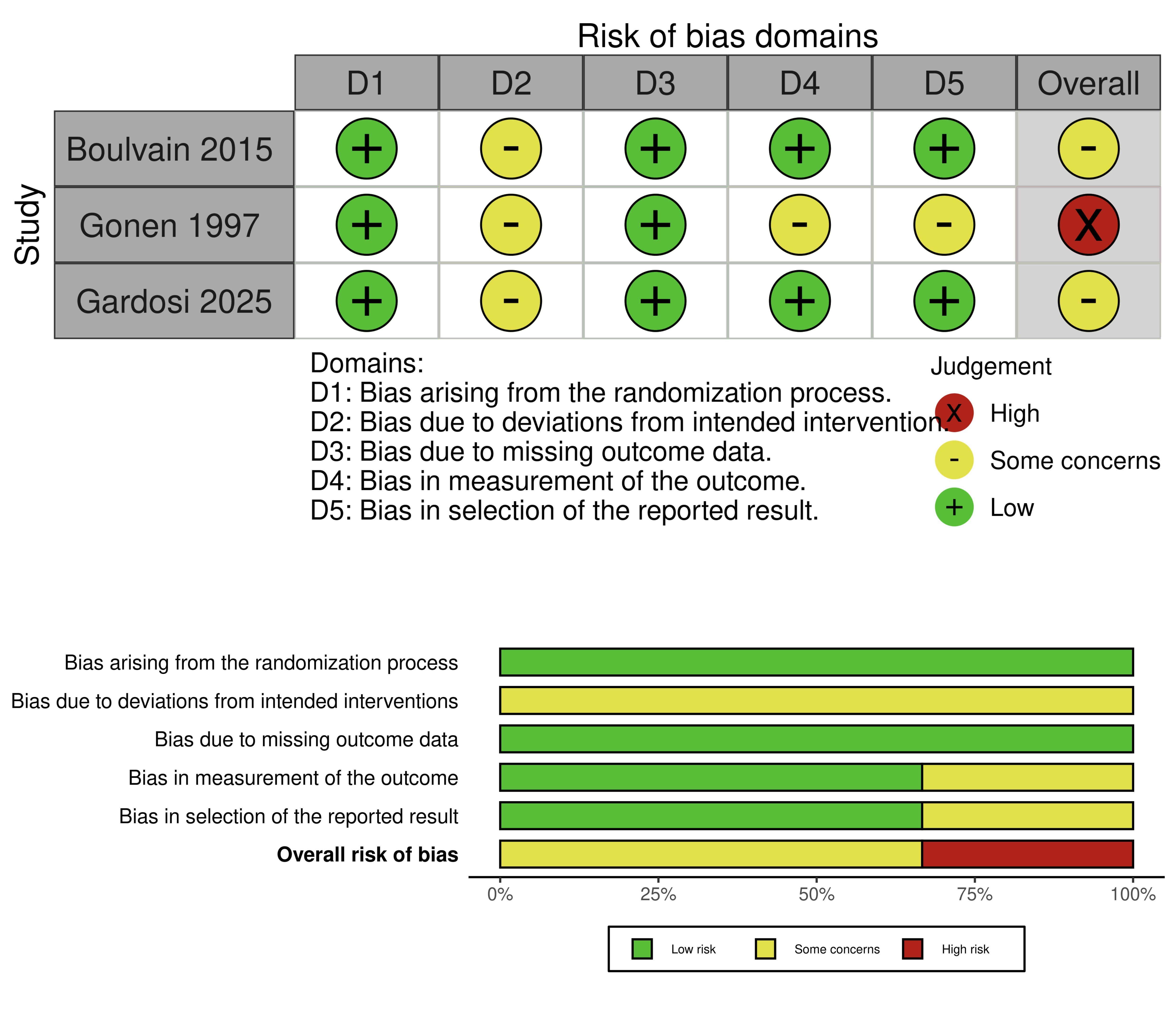 Figure 3
Peer Reviews
No public reviews on file for this paper yet. If you reviewed it on a platform where reviews are public (OpenReview, ICLR, NeurIPS, ICML), you can paste yours below so the community can read it here.
Videos
No videos yet. Explain this paper in a talk, walkthrough, or lecture? Add one.
Taxonomy
TopicsPregnancy and preeclampsia studies · Maternal and Perinatal Health Interventions · Gestational Diabetes Research and Management