Cell-of-origin and genetic drivers define advanced bladder cancer subtypes and potential therapeutic response in mouse models
Ester Munera-Maravilla, Mercedes Pérez-Escavy, Carolina Rubio, Cristina Segovia, Iris Lodewijk, Sandra P. Nunes, Álvaro Martín de Bernardo, Ignacio A. Reina, Esther Montesinos, Lucía Morales, Víctor G. Martínez, Ainara Álvarez-Prada, Mónica Martínez-Fernández, Marta Dueñas

TL;DR
This study creates new mouse models of bladder cancer that mimic human disease, helping to understand cancer origins and test new treatments.
Contribution
The study introduces novel genetically engineered mouse models of advanced bladder cancer with defined cell-of-origin and driver genes.
Findings
Loss of retinoblastoma genes correlates with reduced survival and more differentiated tumors.
Luminal-derived tumors develop earlier but show less metastasis and resemble human basal-squamous subtypes.
Syngeneic graft models respond to CDK4/6 inhibition and anti-PD-L1 immunotherapy, validating their preclinical utility.
Abstract
Bladder cancer (BC) remains a major clinical challenge owing to its high recurrence, limited treatment options, and molecular heterogeneity. Despite recent therapeutic advances, prognosis remains poor and resistance to treatment is common, underscoring the need for improved experimental models to study tumorigenesis and therapeutic response. A critical obstacle in advanced BC research is the scarcity of in vivo models that accurately replicate invasive and metastatic behavior and serve as robust preclinical tools for evaluating new therapies, especially in immunocompetent settings. To assess how the cell of origin and specific driver genes influence bladder tumorigenesis and subtype specification, we engineered four genetically modified mouse models of advanced BC. Two combinations of tumor suppressor genes—either Pten and Trp53, or Pten, Trp53, Rb1, and Rbl1— were targeted either…
Genes, proteins, chemicals, diseases, species, mutations and cell lines named across the full text — each resolved to its canonical identifier and authoritative record.
Click any figure to enlarge with its caption.
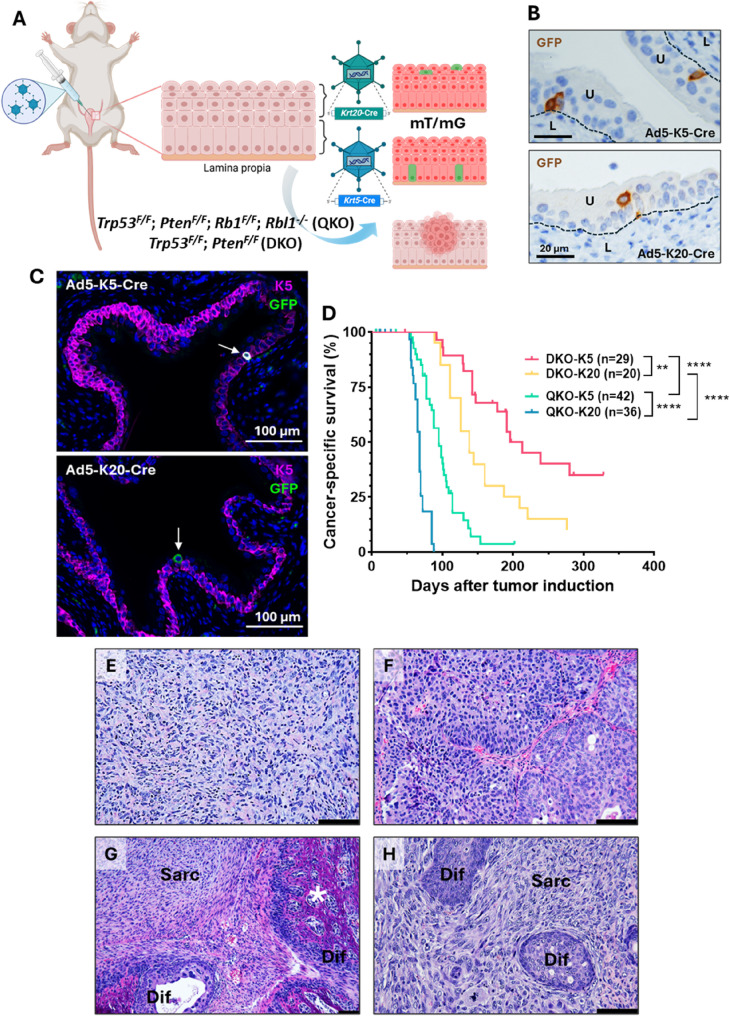 Figure 1
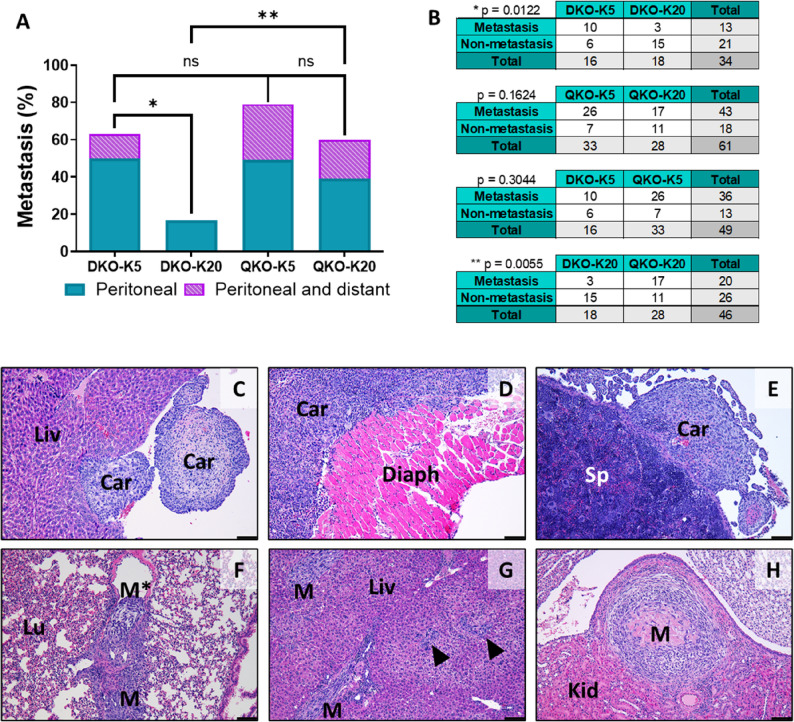 Figure 2
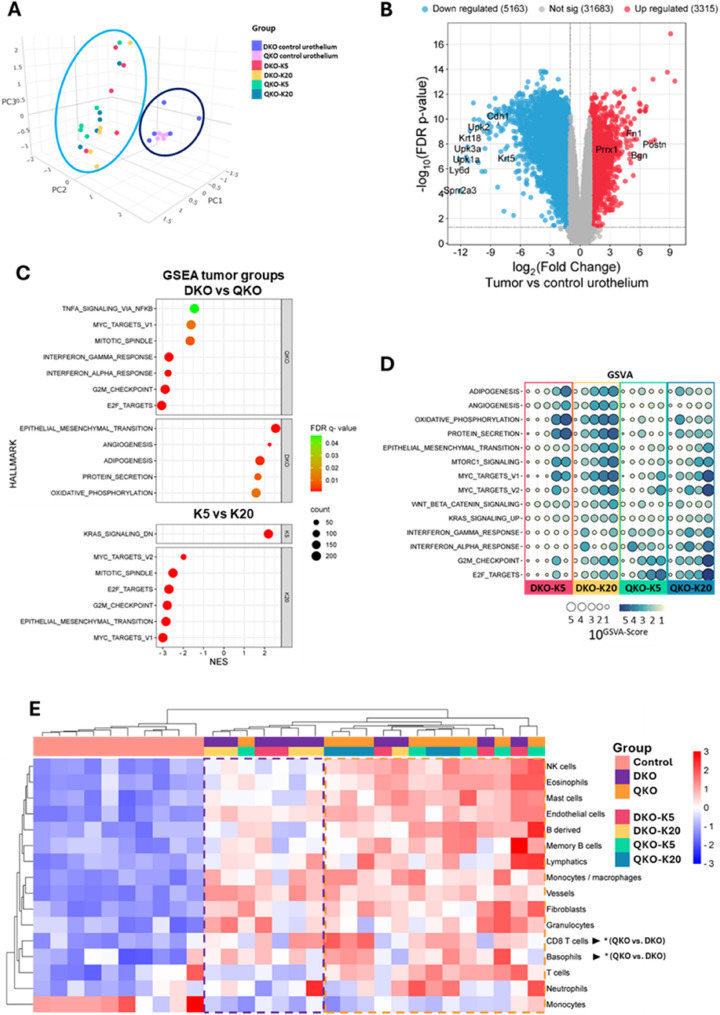 Figure 3
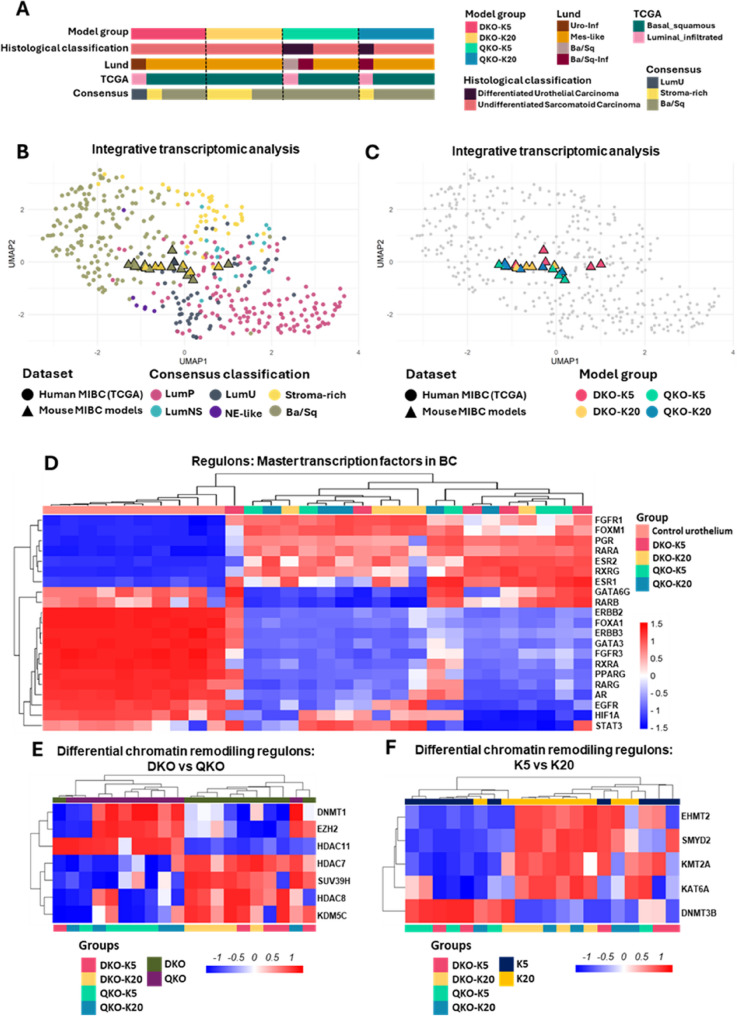 Figure 4
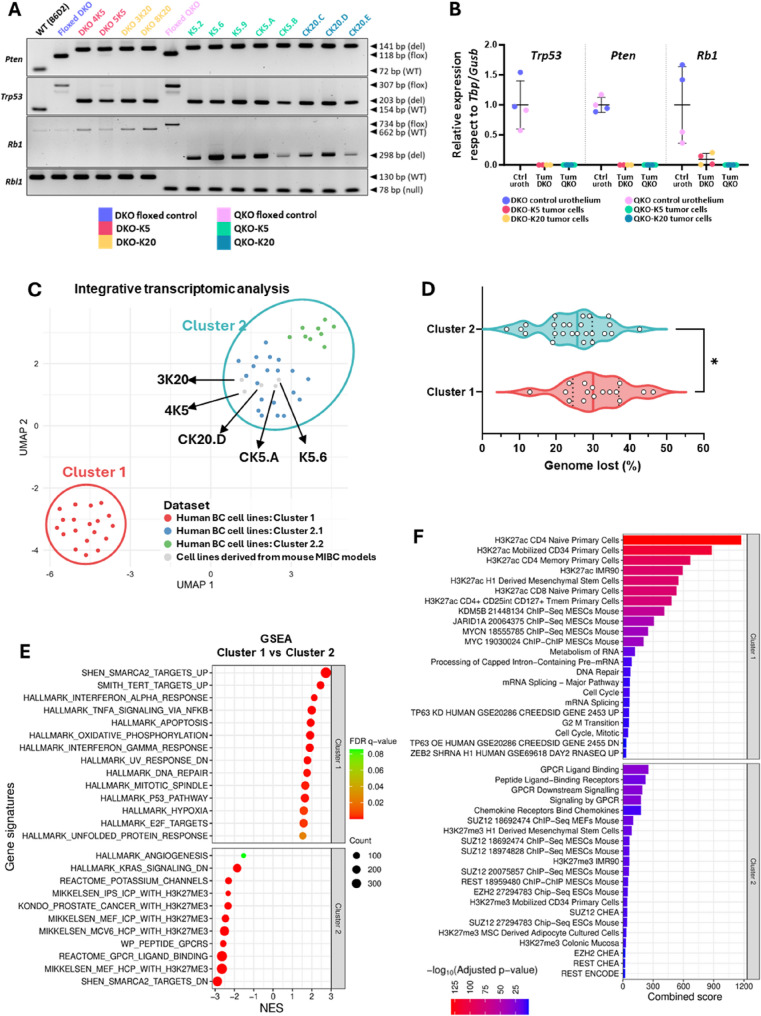 Figure 5
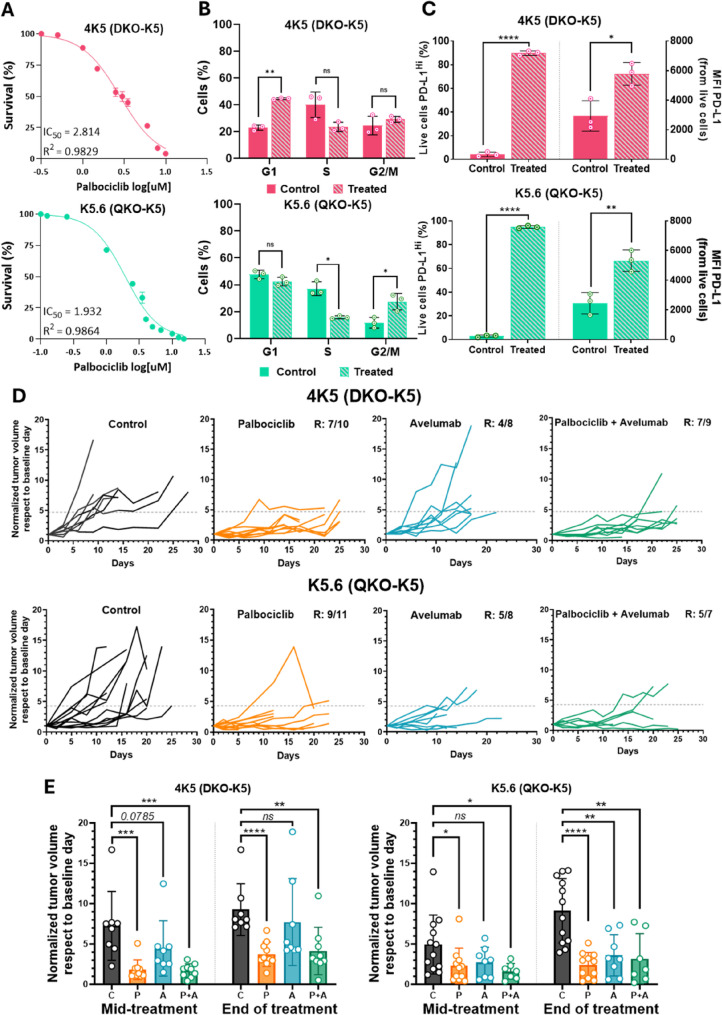 Figure 6
Peer Reviews
No public reviews on file for this paper yet. If you reviewed it on a platform where reviews are public (OpenReview, ICLR, NeurIPS, ICML), you can paste yours below so the community can read it here.
Videos
No videos yet. Explain this paper in a talk, walkthrough, or lecture? Add one.
Taxonomy
TopicsBladder and Urothelial Cancer Treatments · Tissue Engineering and Regenerative Medicine · Renal and related cancers