Creative pedagogic methods for self-guided embodied thinking and learning about animal research
Emma Roe, Sarah J. Bailey, Louise Mackenzie, Jordi L. Tremoleda, Daniel M. Weary, David Mawufemor Azilagbetor, Megan Lafollete

TL;DR
This paper explores how creative methods can help people engage with the ethical complexities of animal research by fostering curiosity and co-creating knowledge.
Contribution
The paper introduces embodied creative methods as a novel approach to engage diverse audiences with animal research beyond traditional education.
Findings
Current engagement efforts rely on self-selecting learners and emphasize defending animal research rather than exploring its practices.
Didactic communication styles reinforce hierarchical dynamics between experts and non-experts.
Creative methods like artwork and workshops foster curiosity and reduce engagement anxieties.
Abstract
A prevailing view suggests that with greater knowledge, the public might respond differently to opinion surveys. This paper examines animal research – a domain marked by ethical complexity - to explore how curiosity and creativity can be harnessed to engage people with conflicting values and emotions. Rather than focusing solely on knowledge acquisition, the paper conceptualizes and illustrates how embodied creative methods can enable the public and industry professionals to make, to co-create their own knowledges about animal research. Three critical observations of contemporary engagement efforts are offered. Firstly, while existing approaches have made notable strides in informing and educating the public, they rely on the active participation of self-selecting learners. Secondly, engagement efforts tend to emphasise defending the principles of animal research, often overlooking the…
Genes, proteins, chemicals, diseases, species, mutations and cell lines named across the full text — each resolved to its canonical identifier and authoritative record.
Click any figure to enlarge with its caption.
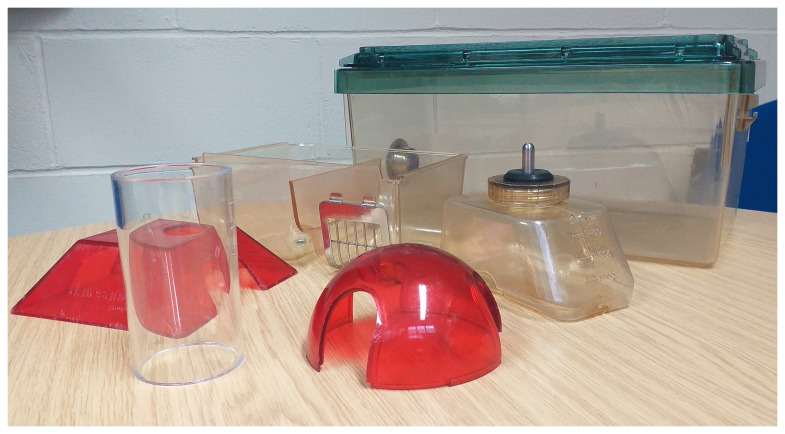 Figure 1
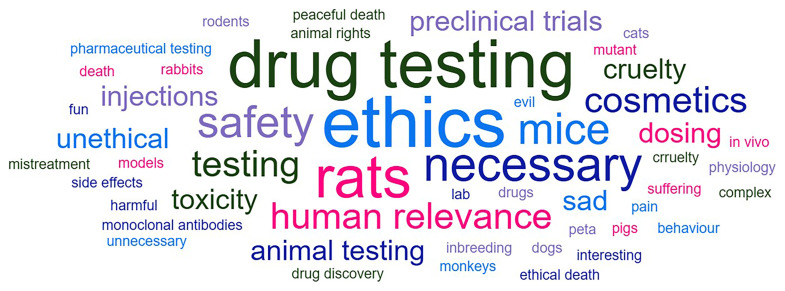 Figure 2
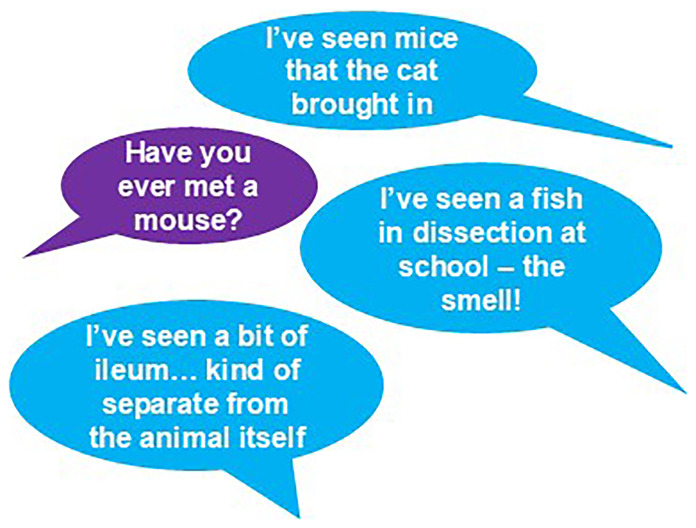 Figure 3
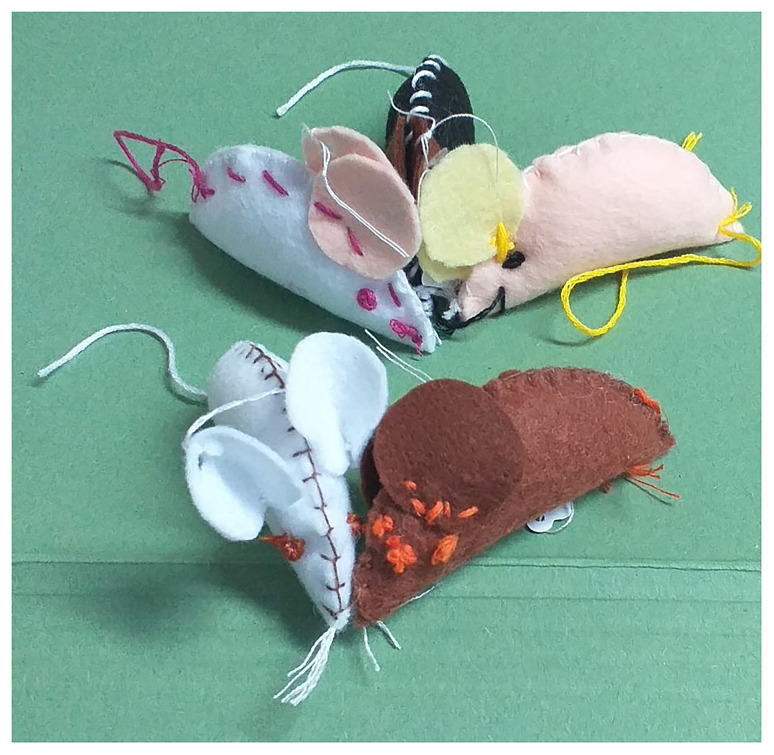 Figure 4
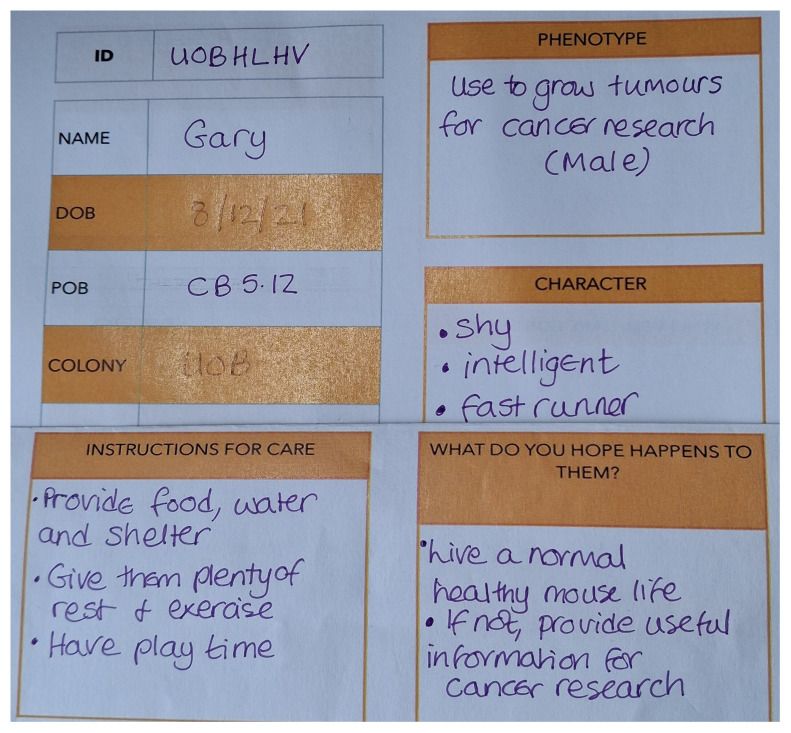 Figure 5
Peer Reviews
No public reviews on file for this paper yet. If you reviewed it on a platform where reviews are public (OpenReview, ICLR, NeurIPS, ICML), you can paste yours below so the community can read it here.
Videos
No videos yet. Explain this paper in a talk, walkthrough, or lecture? Add one.
Taxonomy
TopicsAnimal and Plant Science Education · Outdoor and Experiential Education · Creativity in Education and Neuroscience