Digital Phenotyping of Pain Modulation and Associations Among Personality, Attachment, and Behavioral Signatures: Cross-Sectional Study
Chie Kishimoto, Hani M Bu-Omer, Aya Nakae

TL;DR
This study shows that pain perception can be objectively measured through digital behavioral signatures, revealing how personality and attachment traits influence pain responses.
Contribution
The paper introduces a framework for 'digital phenotyping' of pain using real-time behavioral data, moving beyond traditional self-report methods.
Findings
Pain intensity ratings varied significantly based on prior thermal exposure, showing cognitive contrast effects.
Personality traits like vulnerability and self-discipline were linked to specific behavioral signatures of pain modulation.
Secure attachment mediated the effect of self-discipline on pain evaluation instability.
Abstract
The transition from acute to chronic pain often reflects a persistent dissociation between physical tissue damage and subjective reports. In alignment with the 2020 International Association for the Study of Pain definition, pain is a personal experience filtered through a latent “susceptibility architecture.” While clinical assessment currently relies on static, text-based questionnaires, these are often confounded by linguistic interpretation bias and cognitive literacy. We hypothesized that an individual’s internal psychological substrate—traditionally captured via text—can be characterized through real-time behavioral signatures during physical challenge. This study aimed to demonstrate that the “pain-prone” phenotype can be identified through high-frequency digital assessment of pain ratings. By correlating established psychometric traits with dynamic behavioral signatures, we…
Genes, proteins, chemicals, diseases, species, mutations and cell lines named across the full text — each resolved to its canonical identifier and authoritative record.
Click any figure to enlarge with its caption.
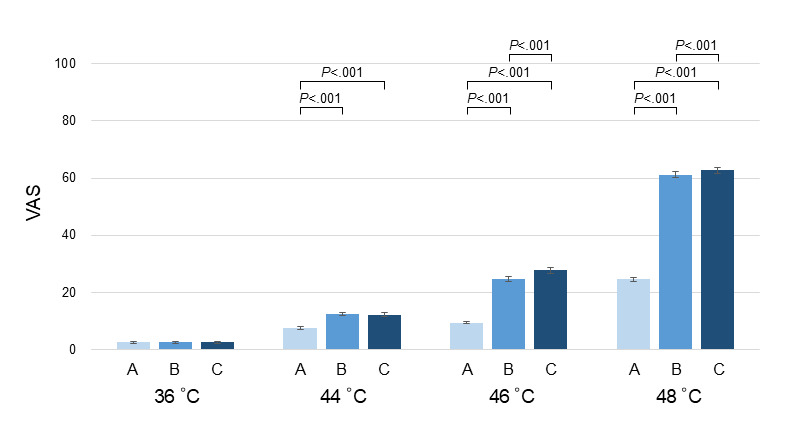 Figure 1
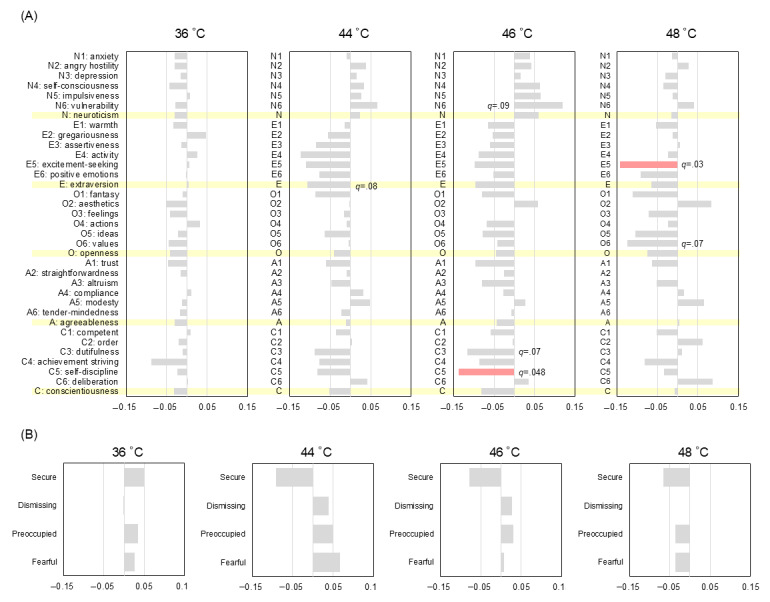 Figure 2
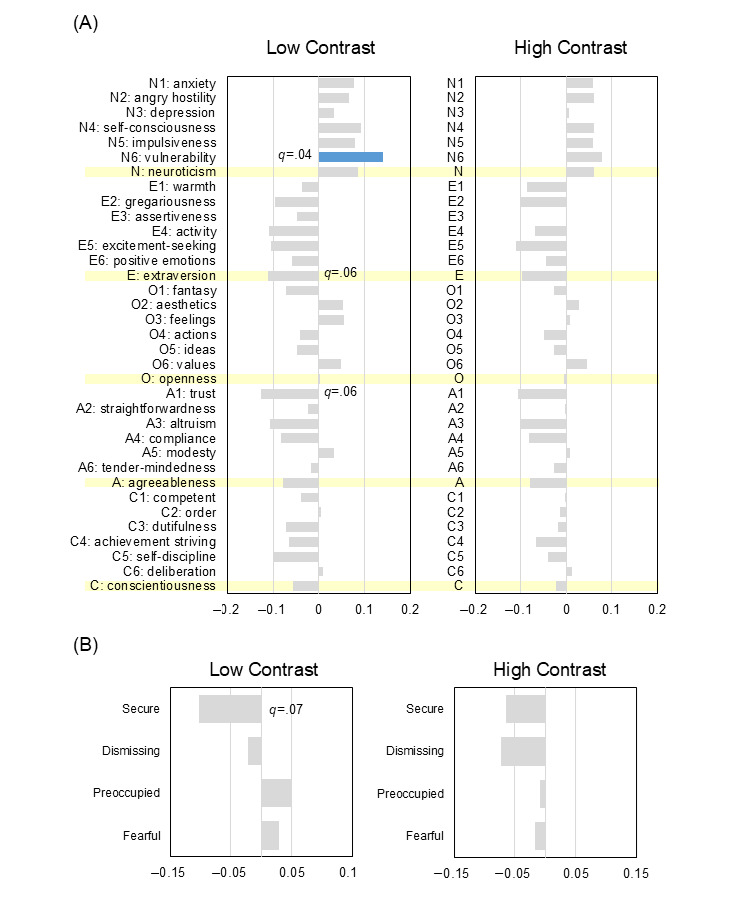 Figure 3
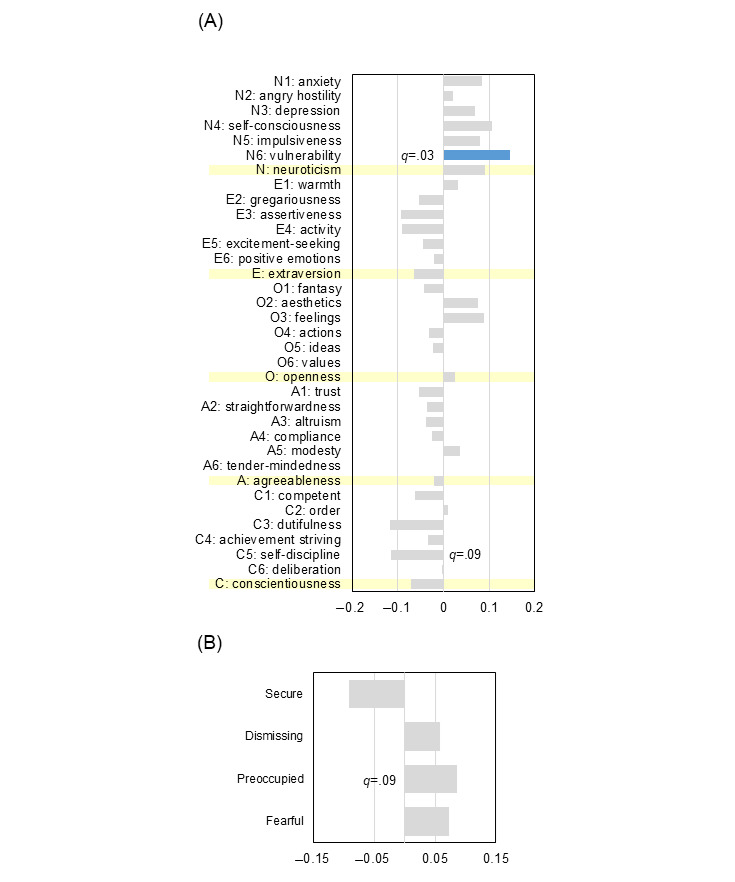 Figure 4
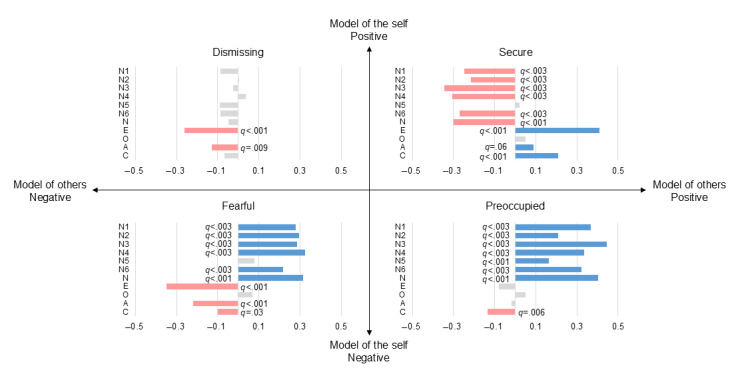 Figure 5
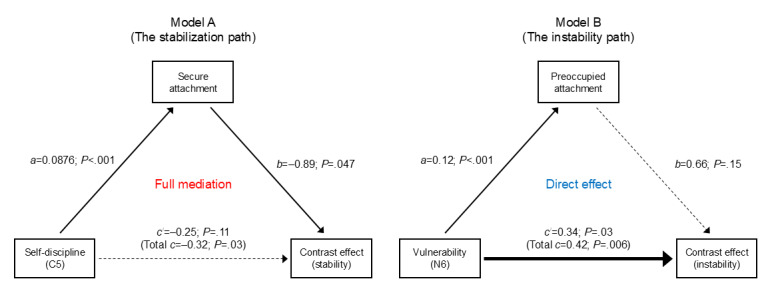 Figure 6
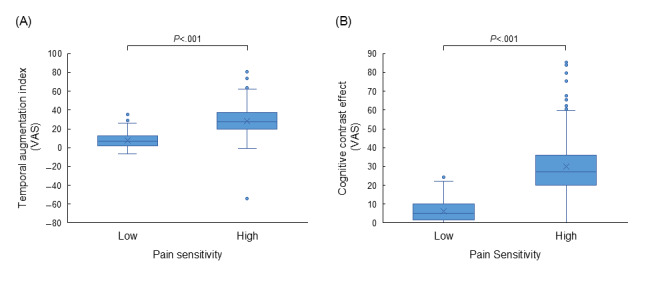 Figure 7
Peer Reviews
No public reviews on file for this paper yet. If you reviewed it on a platform where reviews are public (OpenReview, ICLR, NeurIPS, ICML), you can paste yours below so the community can read it here.
Videos
No videos yet. Explain this paper in a talk, walkthrough, or lecture? Add one.
Taxonomy
TopicsMusculoskeletal pain and rehabilitation · Pediatric Pain Management Techniques · Mental Health via Writing