Enhancing Interprofessional Team Performance to Prevent Medication Errors in Emergency Care: Quasi-Experimental Study Using Multimodal Virtual Simulation-Based Interprofessional Education
Ora-In Chu, Phanupong Phutrakool, Khrongwong Musikatavorn, Thitiporn Kongchim, Lapol Herabat, Jiraphan Ritsamdang, Krittin Bunditanukul, Kanittha Triamamornwooth, Khuansiri Narajeenron

TL;DR
A virtual simulation training program improved teamwork and communication among emergency care professionals, leading to better safety practices and increased error reporting.
Contribution
ER-VIPE is a novel multimodal interprofessional education intervention that integrates virtual simulation and TeamSTEPPS to enhance emergency care teamwork and reduce medication errors.
Findings
ER-VIPE improved interprofessional team performance scores significantly in both simulation and real-world emergency department settings.
Near-miss prescription error reporting increased significantly after the intervention, indicating improved safety culture.
The greatest improvements in team performance were observed among physicians, followed by nurses and pharmacists.
Abstract
Effective interprofessional collaboration (IPC) is essential for patient safety; yet, poor teamwork and communication remain key challenges in high-pressure settings like the emergency department (ED), contributing to medication errors. Although Team Strategies and Tools to Enhance Performance and Patient Safety (TeamSTEPPS)–based interprofessional education addresses these issues, adaptation in clinical settings remains difficult. To bridge this gap, we developed Emergency Room Virtual Simulation-Based Interprofessional Education (ER-VIPE), a multimodal, TeamSTEPPS-integrated intervention designed to enhance IPC and reduce medication errors. The aim of the study is to evaluate the effectiveness of ER-VIPE in enhancing IPC performance among emergency physicians, nurses, and pharmacists and in reducing medication errors. The primary objective is to assess changes in IPC performance in…
Genes, proteins, chemicals, diseases, species, mutations and cell lines named across the full text — each resolved to its canonical identifier and authoritative record.
Click any figure to enlarge with its caption.
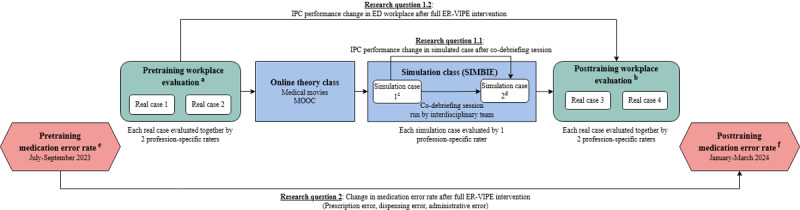 Figure 1
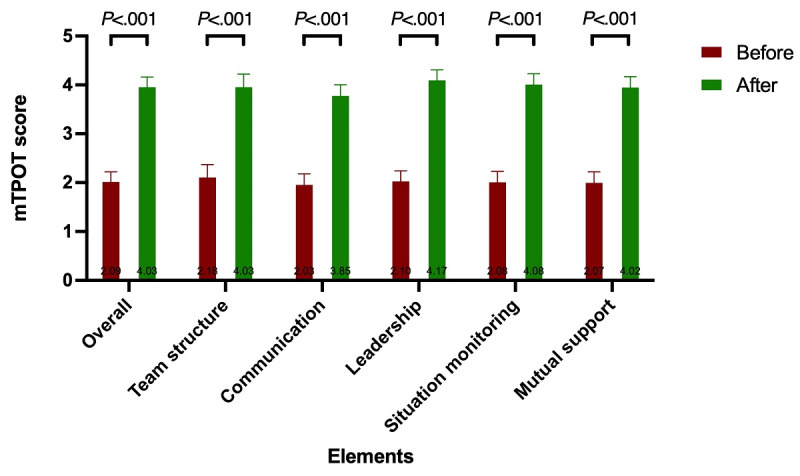 Figure 2
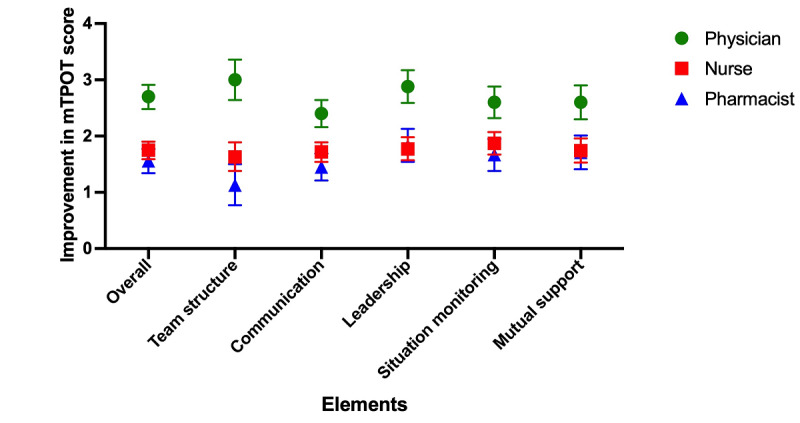 Figure 3
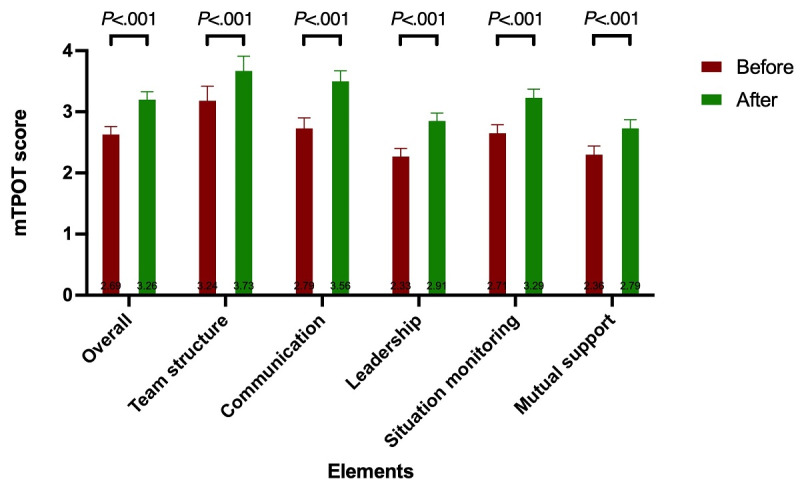 Figure 4
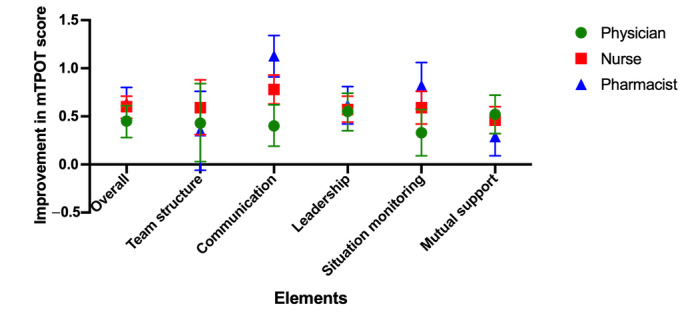 Figure 5
Peer Reviews
No public reviews on file for this paper yet. If you reviewed it on a platform where reviews are public (OpenReview, ICLR, NeurIPS, ICML), you can paste yours below so the community can read it here.
Videos
No videos yet. Explain this paper in a talk, walkthrough, or lecture? Add one.
Taxonomy
TopicsInterprofessional Education and Collaboration · Simulation-Based Education in Healthcare · Interdisciplinary Research and Collaboration