Deontological Guilt Differentially Affects Moral Behaviour in Participants With and Without Obsessive–Compulsive Disorder (OCD)
M. S. Panasiti, A. Mancini, I. Parisi, I. Gualtieri, S. M. Aglioti, F. Mancini

TL;DR
People with OCD react differently to guilt based on rules (deontological guilt) compared to guilt from harming others (altruistic guilt), which affects their moral choices.
Contribution
The study reveals that deontological guilt uniquely disrupts moral behavior in OCD, offering new insights for targeted psychotherapy.
Findings
Deontological guilt increased self-serving lies in OCD participants but decreased them in controls.
Altruistic guilt reduced lying in all participants, promoting prosocial behavior.
Distinguishing guilt subtypes is crucial for OCD treatment and moral behavior understanding.
Abstract
Obsessive–compulsive disorder (OCD) is characterised by a dysfunctional sensitivity to a sense of guilt that significantly interferes with everyday functioning and is believed to be a key mechanism in symptom maintenance. Mounting evidence indicates that individuals with OCD are particularly sensitive to deontological guilt, which stems from the perception of violating an internalised rule, as opposed to altruistic guilt, which arises from the feeling of having harmed others. Here, we assess the impact of deontological vs. altruistic guilt on moral behaviour in participants with OCD. Twenty participants with OCD and 20 gender‐ and age‐matched comparison participants took part in a social game in which they could choose to lie for a personal reward (self‐gain lie) or to benefit the other player (other‐gain lie). During the game, they were exposed to stimuli designed to evoke one of three…
Genes, proteins, chemicals, diseases, species, mutations and cell lines named across the full text — each resolved to its canonical identifier and authoritative record.
Click any figure to enlarge with its caption.
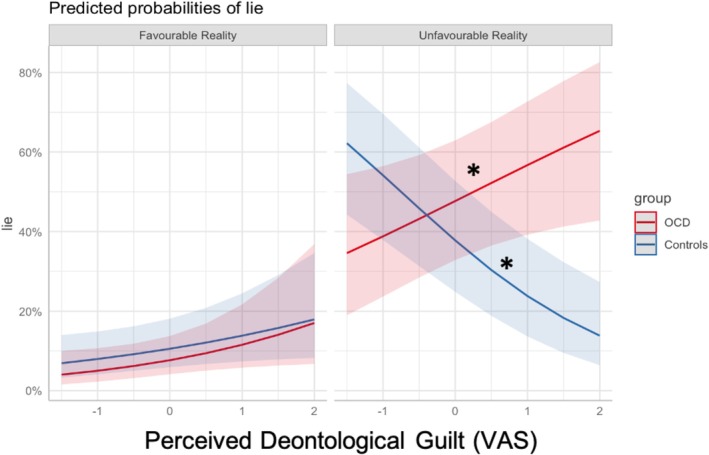 Figure 1
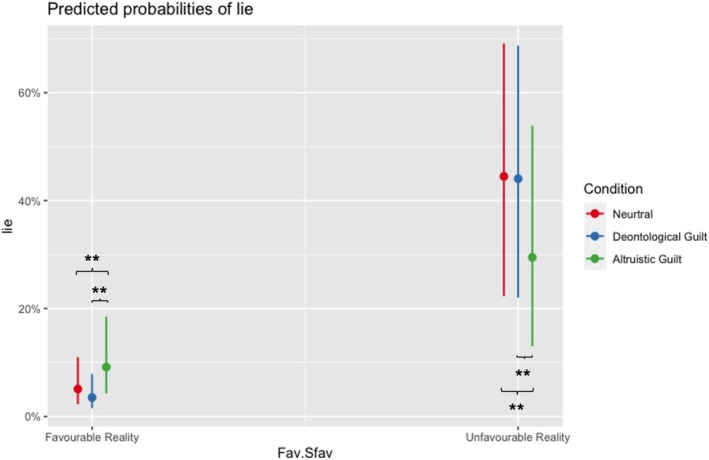 Figure 2
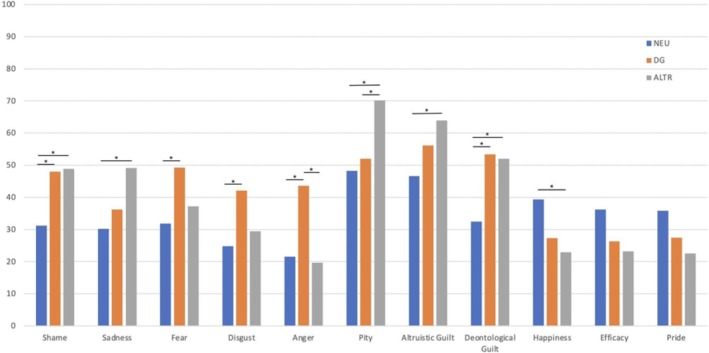 Figure 3
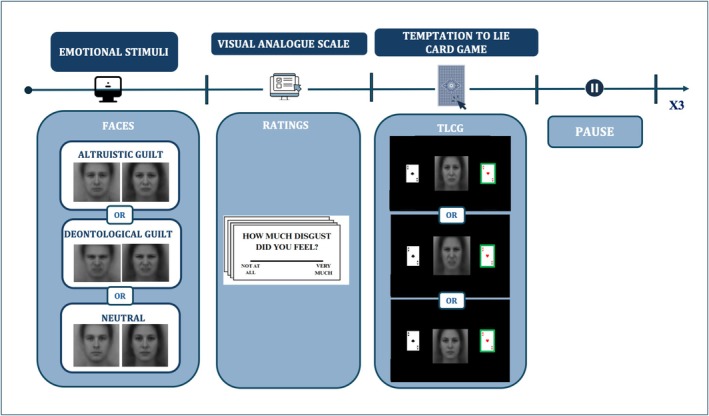 Figure 4
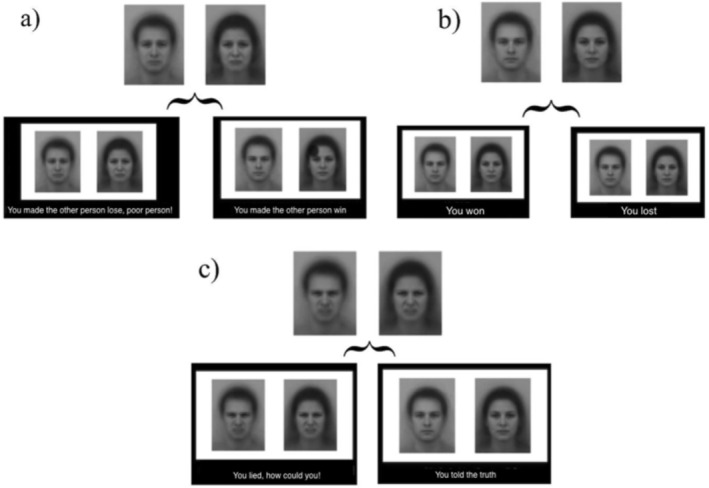 Figure 5
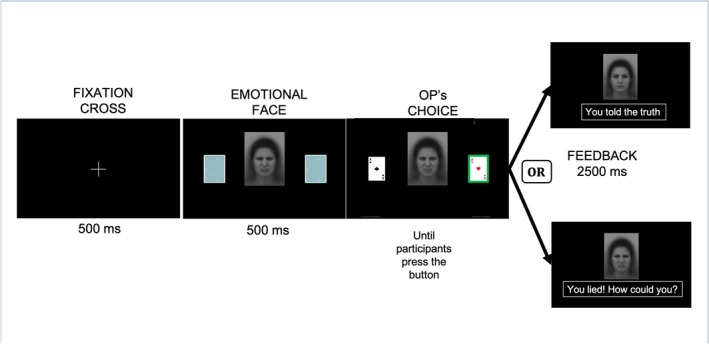 Figure 6
Peer Reviews
No public reviews on file for this paper yet. If you reviewed it on a platform where reviews are public (OpenReview, ICLR, NeurIPS, ICML), you can paste yours below so the community can read it here.
Videos
No videos yet. Explain this paper in a talk, walkthrough, or lecture? Add one.
Taxonomy
TopicsObsessive-Compulsive Spectrum Disorders · Personality Disorders and Psychopathology · Psychology of Moral and Emotional Judgment