VPS13B, gene responsible for Cohen syndrome, regulates gingival epithelial barrier function via intracellular trafficking of coxsackievirus and adenovirus receptor
Risako Matsumura, Keita Tanigaki, Naoko Sasaki, Tsukasa Tamamori, Shunsuke Yamaga, Akito Sakanaka, Atsuo Amano, Michiya Matsusaki, Hiroki Takeuchi, Masae Kuboniwa

TL;DR
This study shows that the VPS13B gene, linked to Cohen syndrome, helps protect the mouth's tissue barrier by controlling the movement of a receptor involved in fighting bacteria.
Contribution
The study reveals a novel role of VPS13B in intracellular trafficking of CXADR to maintain gingival epithelial barrier function.
Findings
Loss of VPS13B reduces cell surface localization of CXADR but not JAM1.
VPS13B knockout increases permeability to LPS and PGN, which is restored by CXADR-JAM1c−term expression.
VPS13B regulates intracellular trafficking of CXADR, providing a molecular basis for periodontal complications in Cohen syndrome.
Abstract
Cohen syndrome is an autosomal recessive genetic disease caused by mutations in the vacuolar protein sorting homolog B (VPS13B) gene that leads to a variety of complications including periodontitis. However, the molecular mechanism underlying periodontal inflammation caused by VPS13B dysfunction in human gingival epithelial cells remains unclear. A previous report noted that coxsackievirus and adenovirus receptor (CXADR) and junctional adhesion molecule 1 (JAM1) are involved in barrier functions against penetration by lipopolysaccharide (LPS) and peptidoglycan (PGN) into gingival tissues. The present study was conducted to examine the effects and significance of VPS13B on gingival barrier function. It was confirmed that loss of VPS13B resulted in decreased cell surface localization of CXADR, but not of JAM1. Additionally, abundant lysosomal localization of CXADR was detected in…
Genes, proteins, chemicals, diseases, species, mutations and cell lines named across the full text — each resolved to its canonical identifier and authoritative record.
Click any figure to enlarge with its caption.
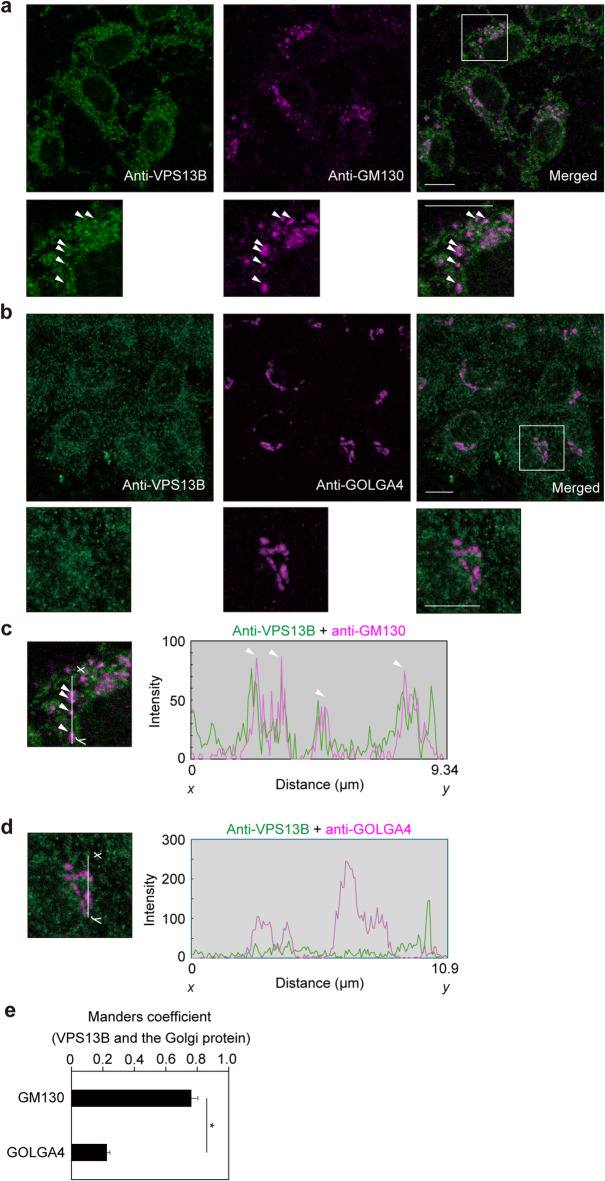 Figure 1
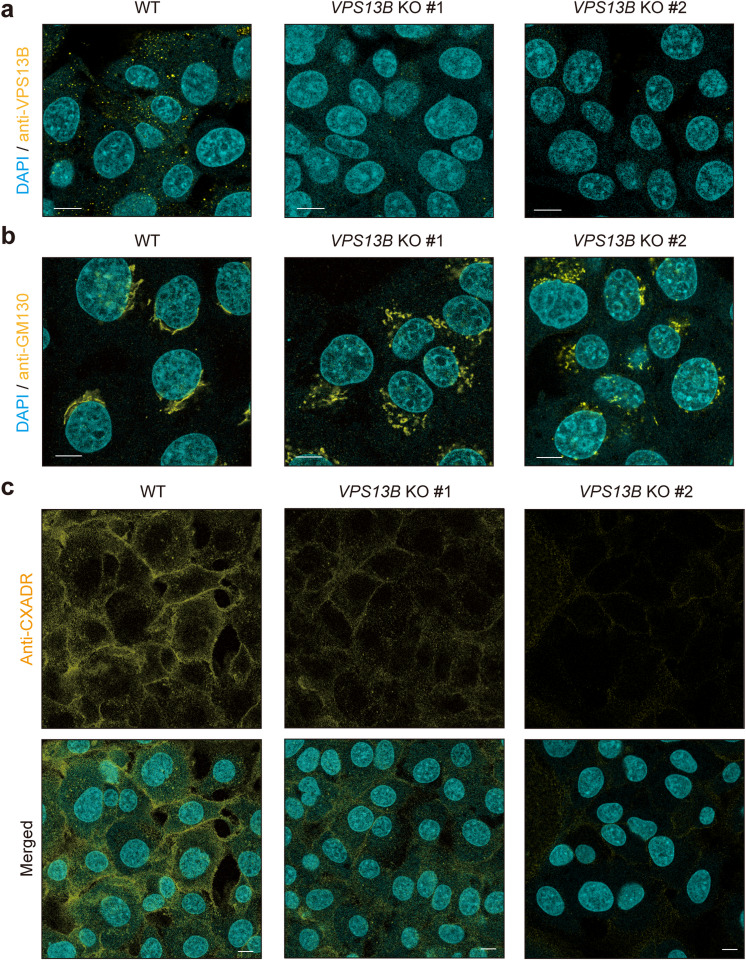 Figure 2
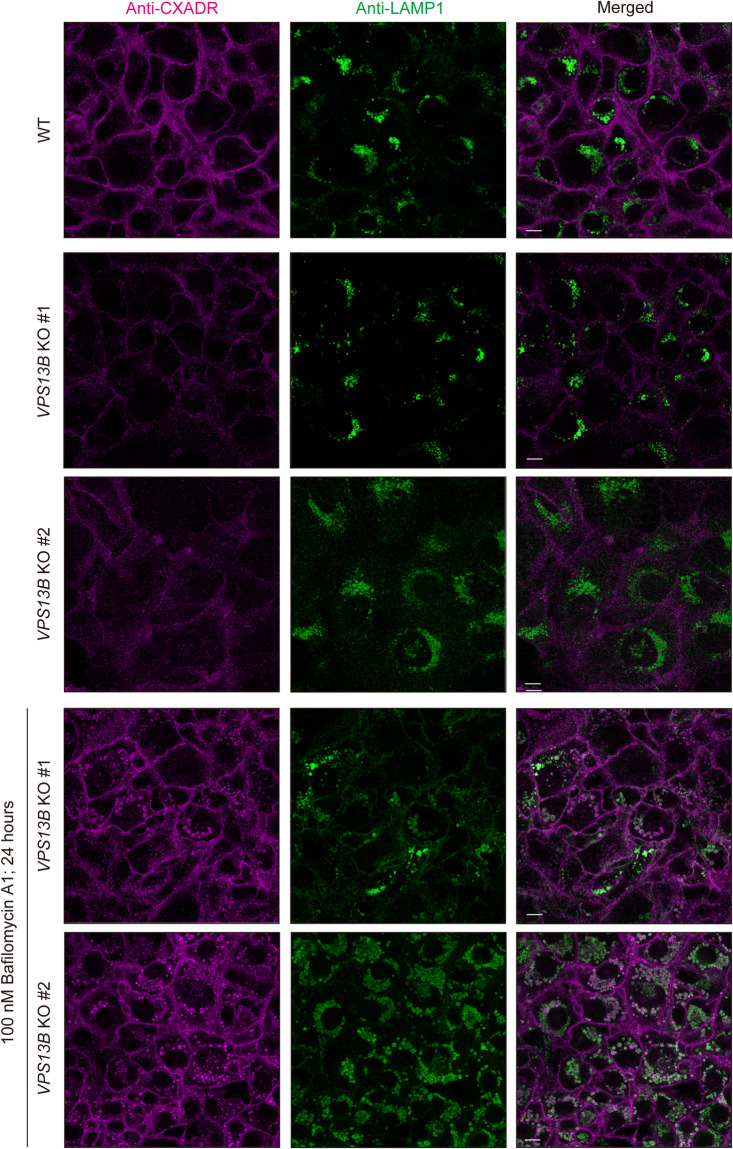 Figure 3
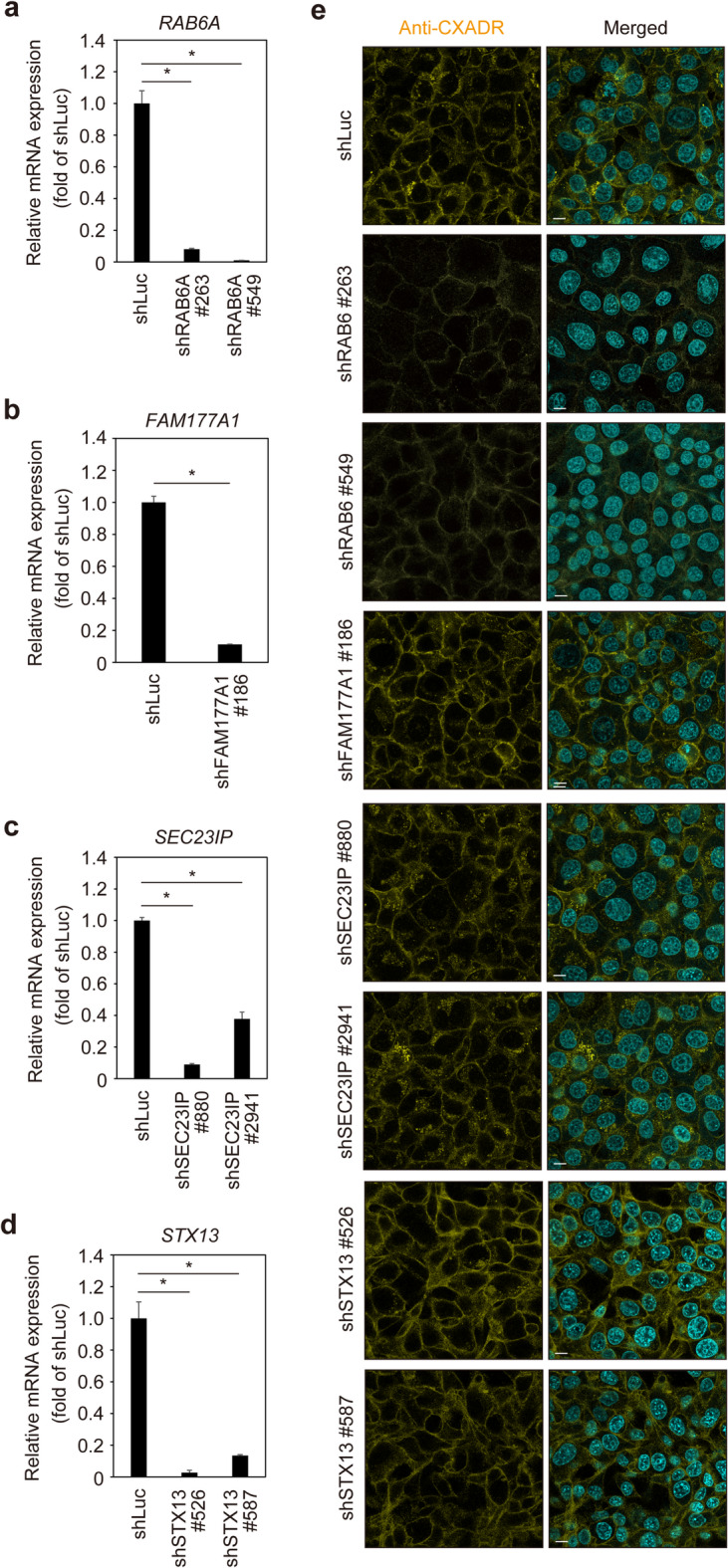 Figure 4
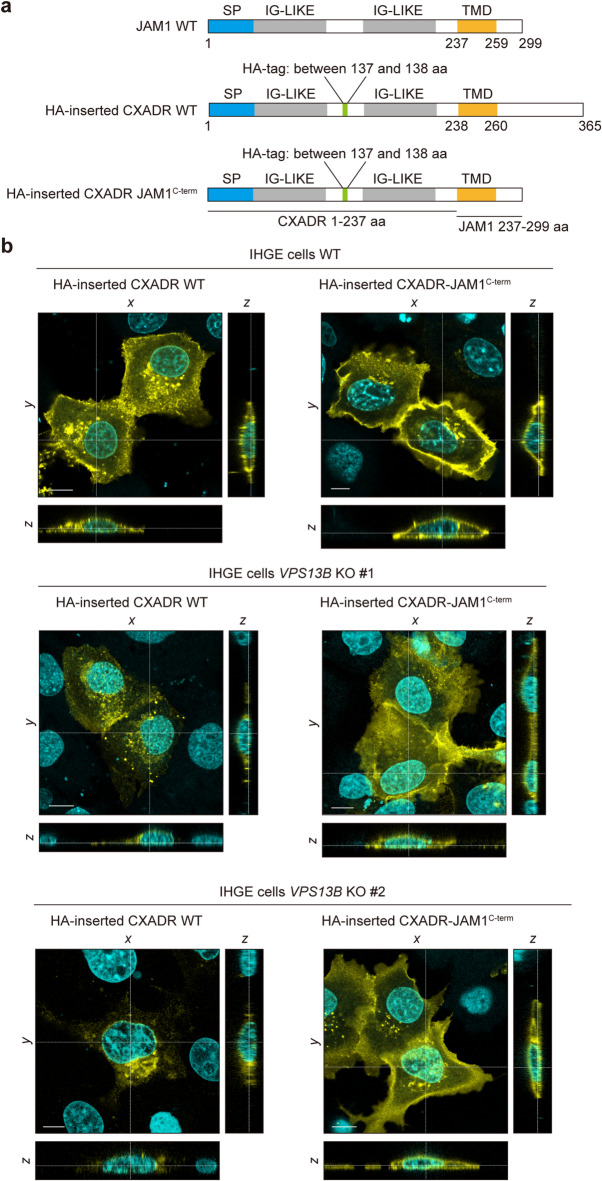 Figure 5
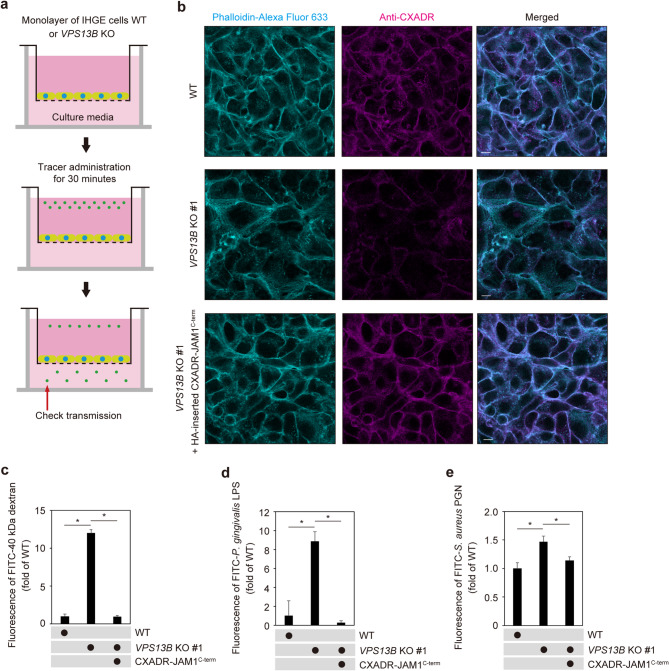 Figure 6
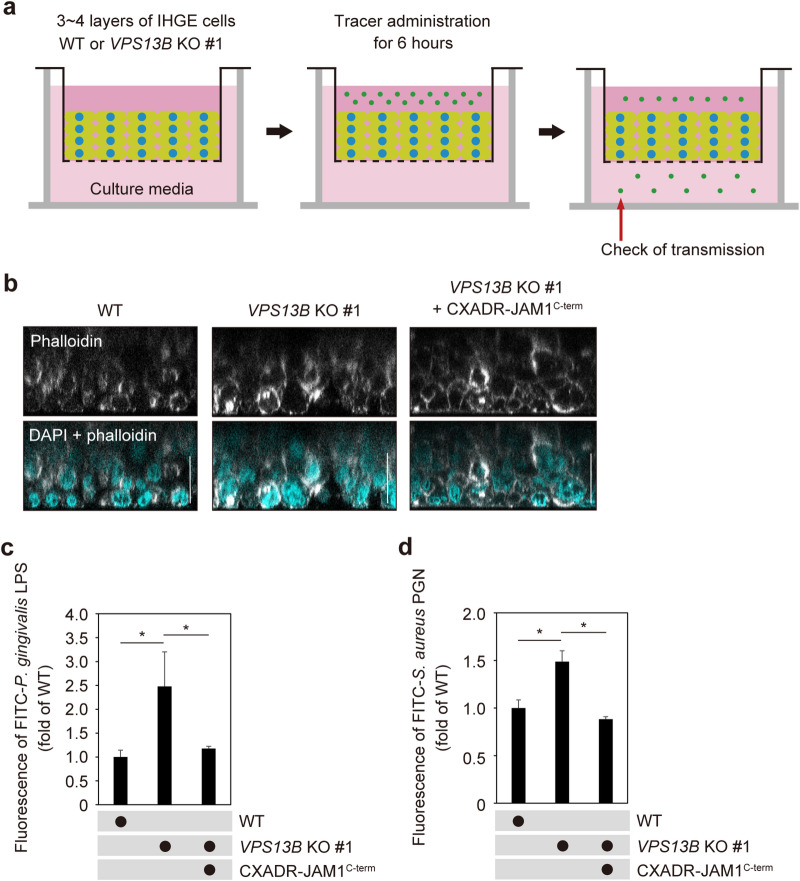 Figure 7
Peer Reviews
No public reviews on file for this paper yet. If you reviewed it on a platform where reviews are public (OpenReview, ICLR, NeurIPS, ICML), you can paste yours below so the community can read it here.
Videos
No videos yet. Explain this paper in a talk, walkthrough, or lecture? Add one.
Taxonomy
TopicsBlood disorders and treatments · Parvovirus B19 Infection Studies · Immunodeficiency and Autoimmune Disorders