An in-silico study to design C60 fullerene-based nanosensors for the adsorption, detection, and removal of the narcotic drug γ-hydroxybutyric acid
Ruaa M. Almotawa

TL;DR
This study designs nanosensors using C60 fullerenes to detect and remove the drug GHB, offering a fast and reliable method for drug detection.
Contribution
The novel contribution is the computational design and evaluation of fullerene-based nanosensors for GHB detection and removal.
Findings
Boron-doped C60 (BC59) is best for electrochemical sensing of GHB due to conductivity and charge transfer behavior.
Pure C60 is suitable for colorimetric detection due to a large spectral shift in the visible range.
Zinc-doped C60 shows the best adsorption properties for GHB removal and purification.
Abstract
γHydroxybutyric acid (GHB), a depressant of the central nervous system, is commonly used illegally and in drug-facilitated crimes; therefore, it is crucial to develop reliable and fast methods for detecting GHB. This study uses DFT theory to design and evaluate the performance of electrochemical and colorimetric nanosensors based on fullerene and its forms of doping with boron and zinc for GHB detection. The calculation results (bond length, HOMO-LUMO energy gap, infrared spectra and UV-visible absorption spectra) for C60 showed very good overlap with experimental results in other literature, indicating the validity of the computational method used in this work. Several analyses (such as electronic structure calculations, adsorption energy evaluation, charge-transfer analysis, NBO, NCI/RDG, ELF, LOL, QTAIM, conductivity, recovery time, and optical response analyses) were performed to…
Genes, proteins, chemicals, diseases, species, mutations and cell lines named across the full text — each resolved to its canonical identifier and authoritative record.
Click any figure to enlarge with its caption.
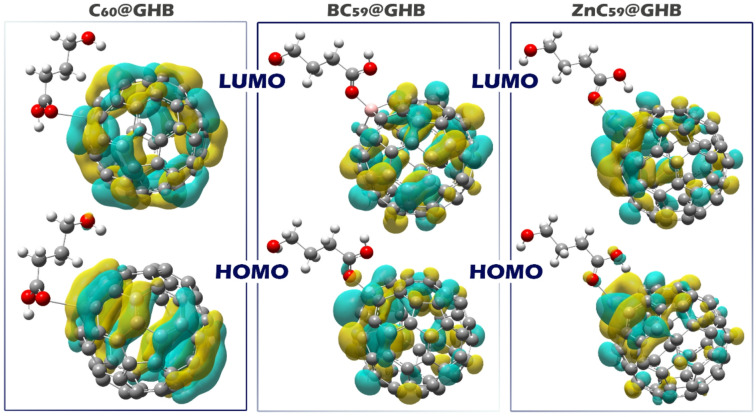 Figure 10
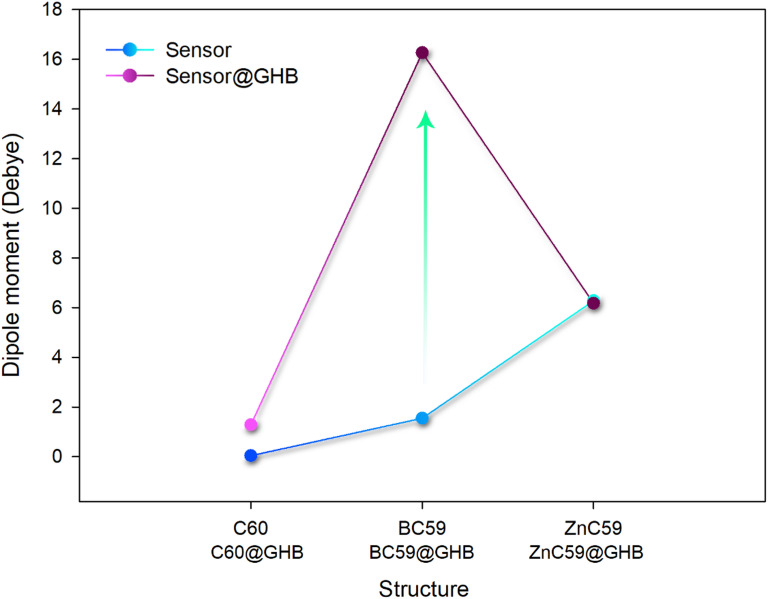 Figure 11
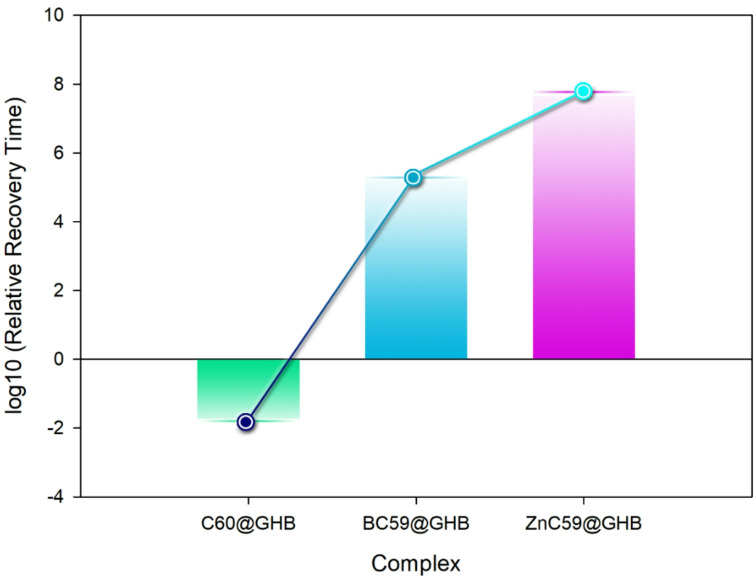 Figure 12
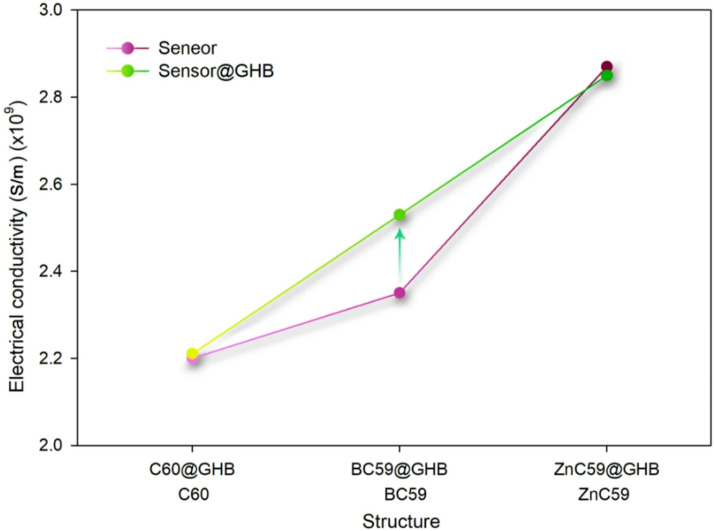 Figure 13
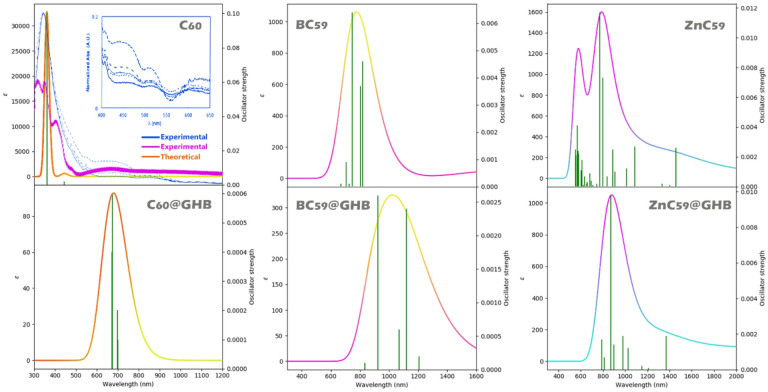 Figure 14
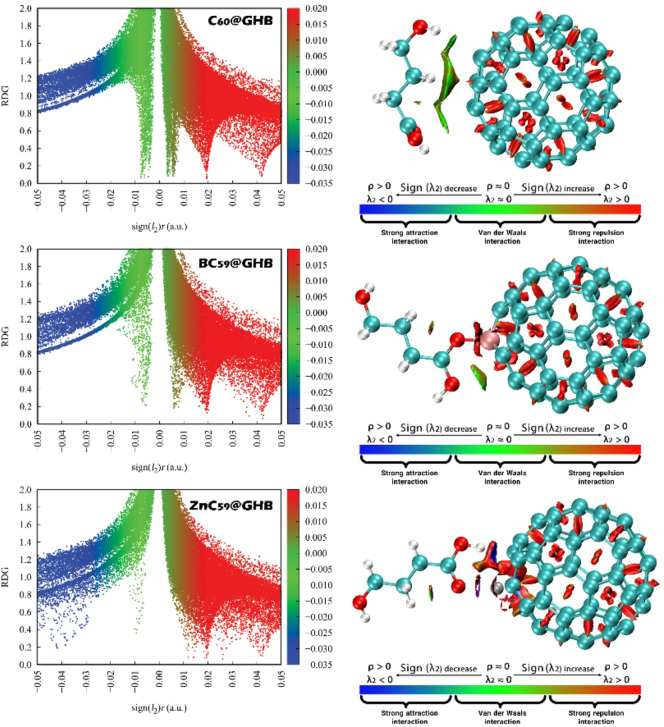 Figure 15
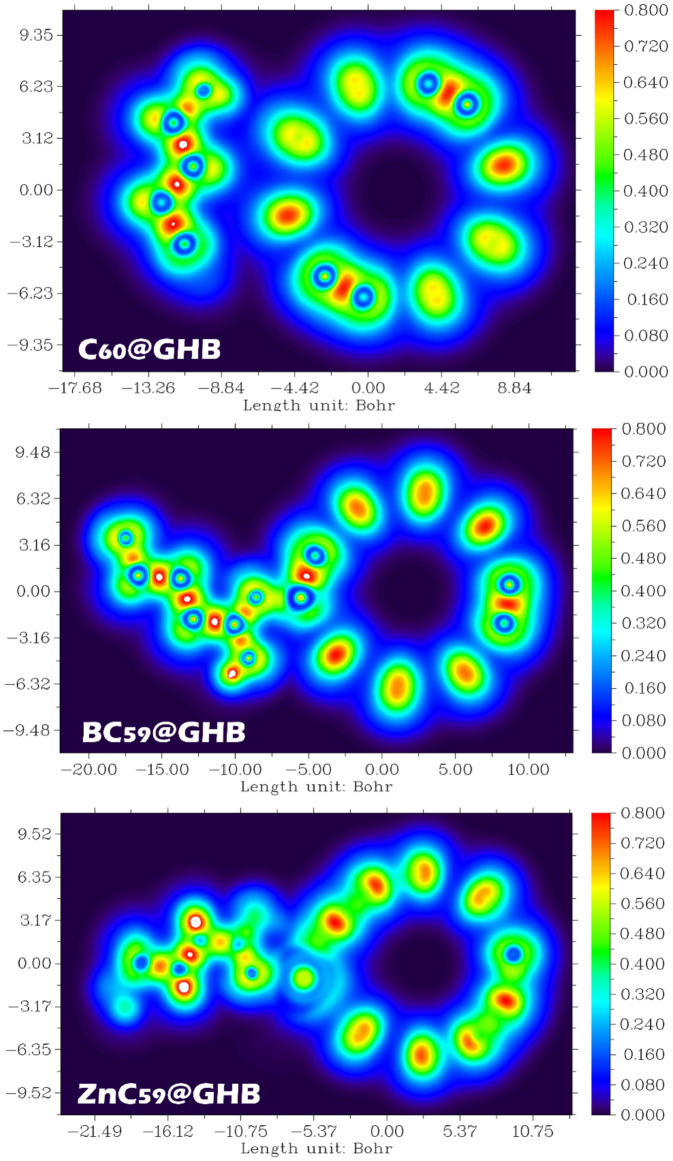 Figure 16
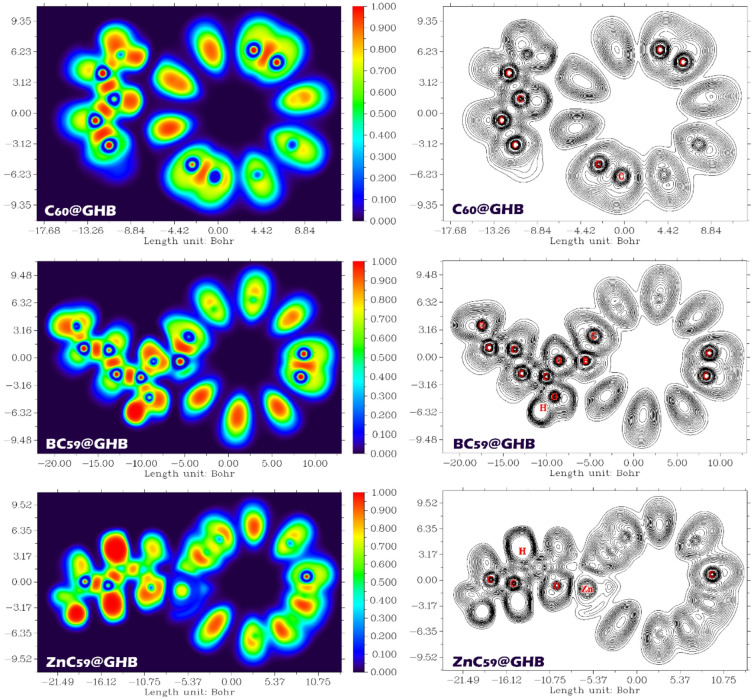 Figure 17
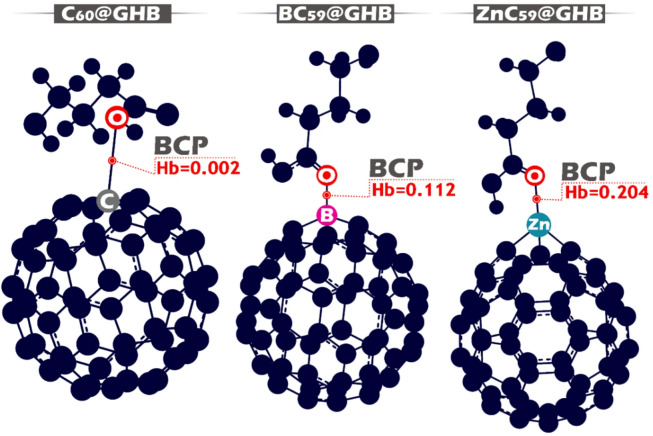 Figure 18
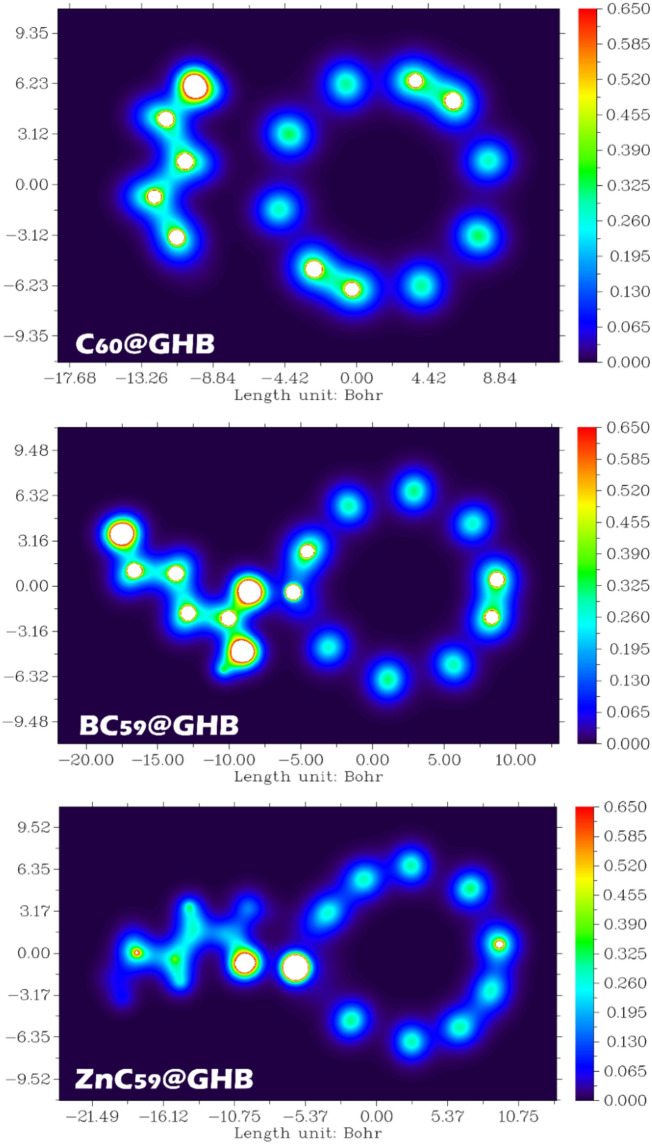 Figure 19
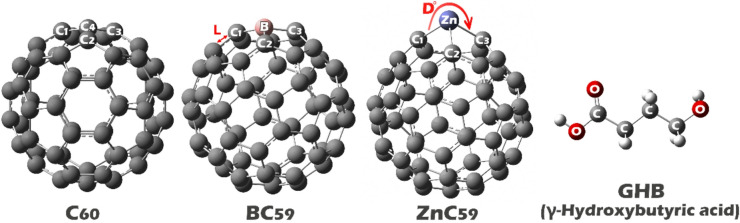 Figure 1
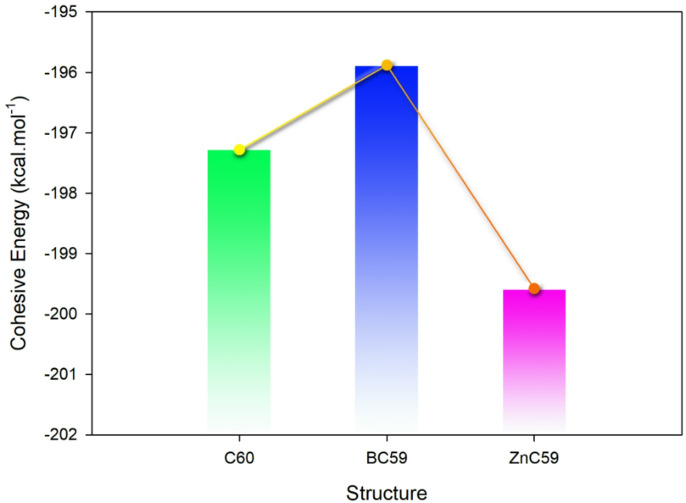 Figure 2
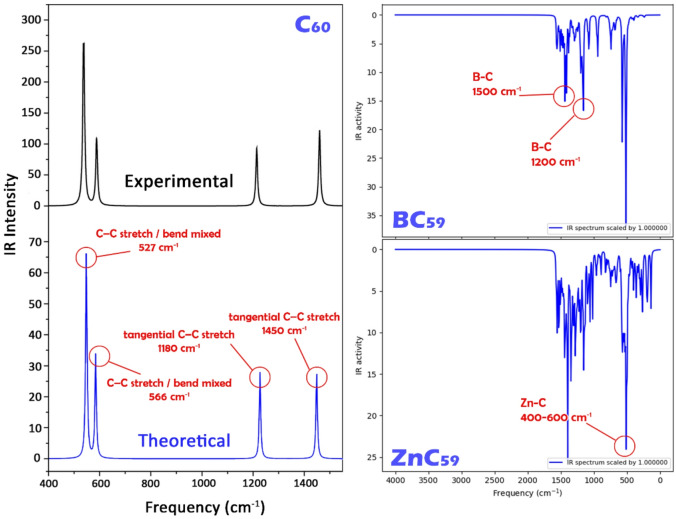 Figure 3
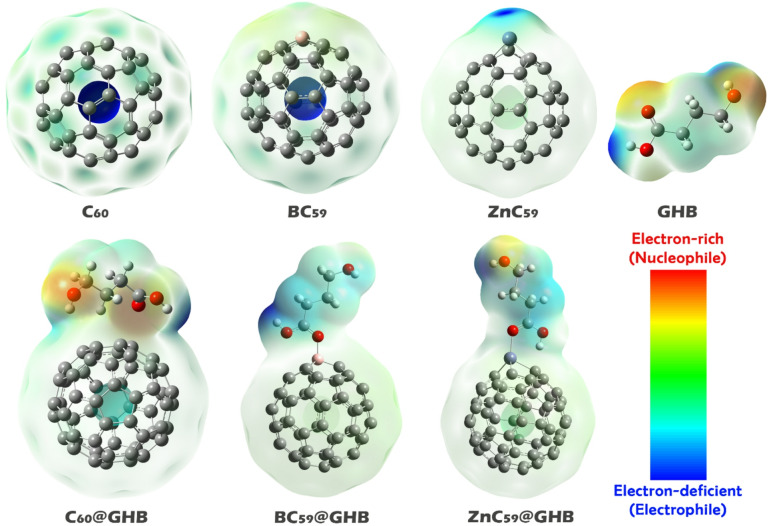 Figure 4
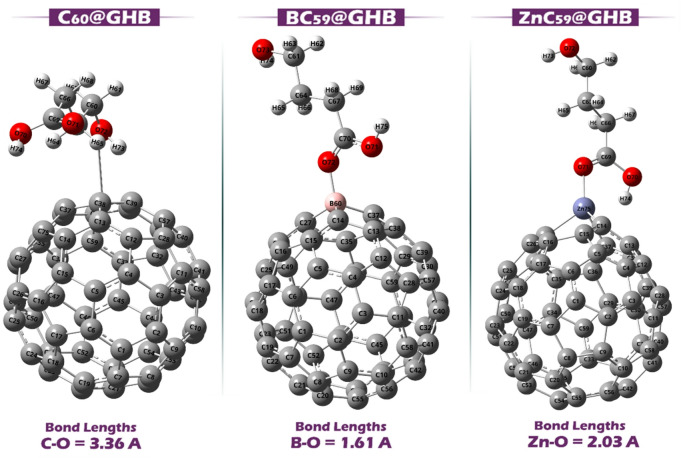 Figure 5
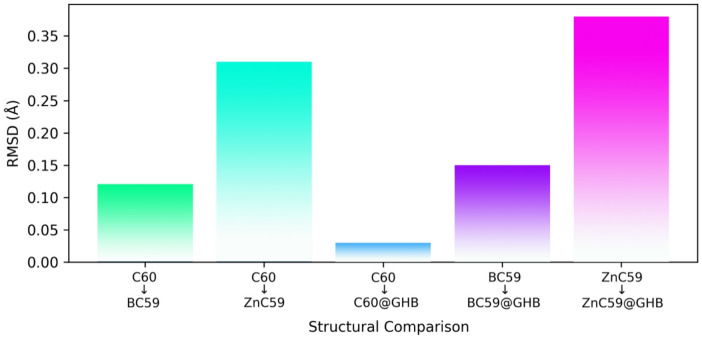 Figure 6
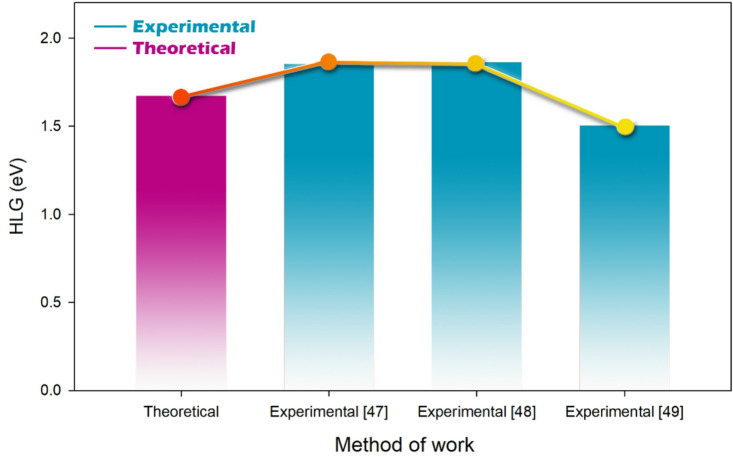 Figure 7
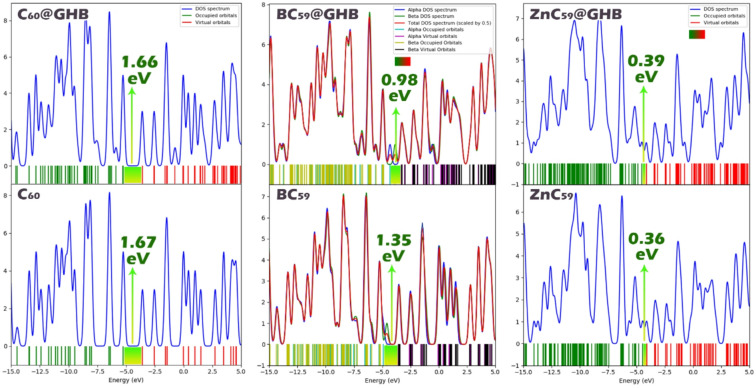 Figure 8
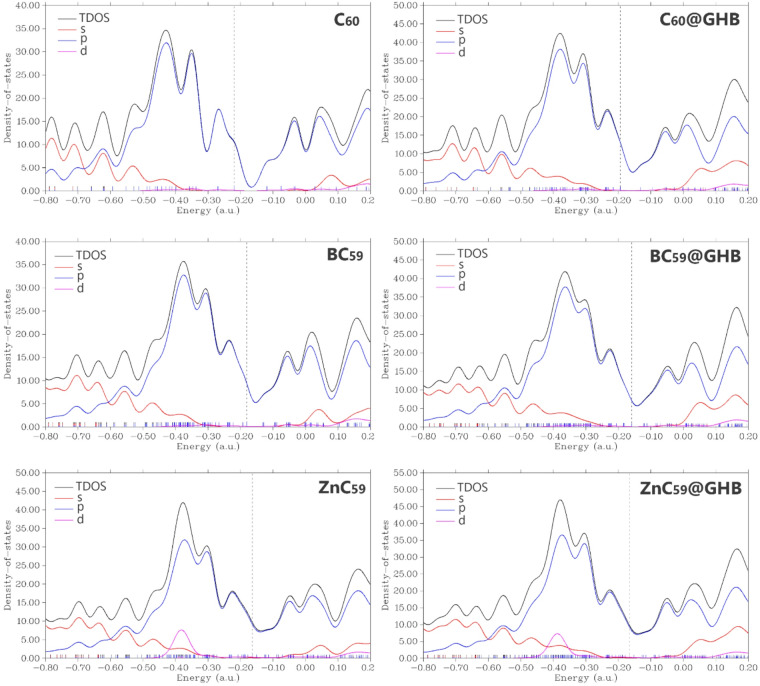 Figure 9
Peer Reviews
No public reviews on file for this paper yet. If you reviewed it on a platform where reviews are public (OpenReview, ICLR, NeurIPS, ICML), you can paste yours below so the community can read it here.
Videos
No videos yet. Explain this paper in a talk, walkthrough, or lecture? Add one.
Taxonomy
TopicsForensic Toxicology and Drug Analysis · Pharmacological Effects and Assays · Dye analysis and toxicity