In silico DNA barcoding surpasses whole genome sequencing for species identification from vector surveillance pools
C. L. Nascimento, D. P. Tonge, F. Tripet

TL;DR
This paper shows that using DNA barcoding with the MinION sequencer is more effective than whole genome sequencing for identifying mosquito species and pathogens in surveillance pools.
Contribution
The study introduces a simplified bioinformatic workflow using DNA barcoding that improves species abundance estimation in mosquito pools.
Findings
Combining Minimap2 with samtools provides the most accurate pipeline for species identification.
Targeted DNA barcoding outperforms whole genome sequencing in estimating mosquito vector species abundance.
The MinION sequencer is effective for mosquito surveillance with minimal training requirements.
Abstract
Mosquito-borne diseases are responsible for over 600,000 deaths annually, mainly in sub-Saharan countries. Mosquito surveillance is a crucial element of vector control programmes to assure they remain effective. This study focused on optimizing the use of the MinION sequencer for interrogating mosquito pools from surveillance programmes, with simplified bioinformatic workflows for use in African laboratories nearer to the field. Mosquito pools were created using different human disease vector species, mimicking possible field trap contents. Some pools were spiked with DNA from the malaria parasite Plasmodium falciparum and filarial worm Brugia malayi. In the first instance, three pipelines were used to map reads to full reference genomes and their accuracy was compared. Subsequently, mapping reads to full assembled genomes was compared to mapping to a concatenation of diagnostic…
Genes, proteins, chemicals, diseases, species, mutations and cell lines named across the full text — each resolved to its canonical identifier and authoritative record.
Click any figure to enlarge with its caption.
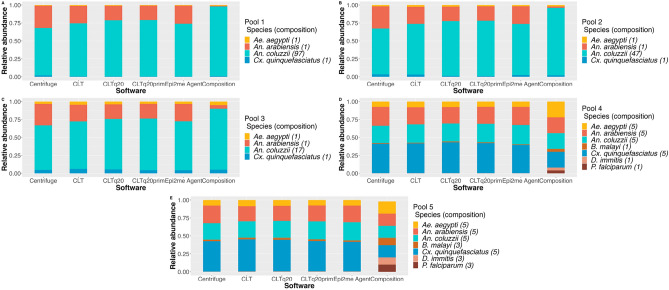 Figure 1
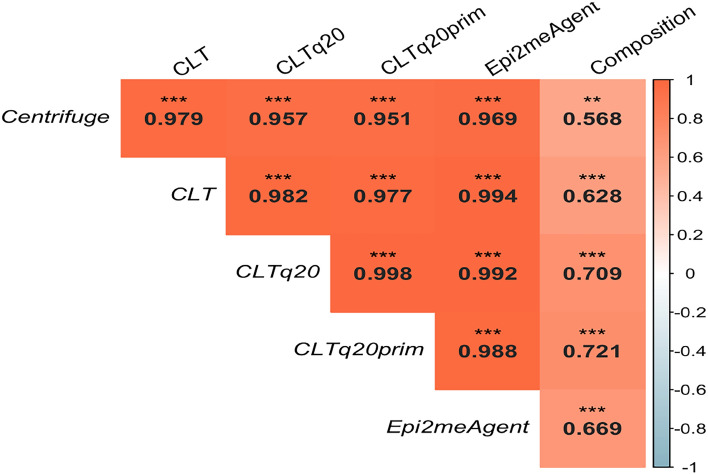 Figure 2
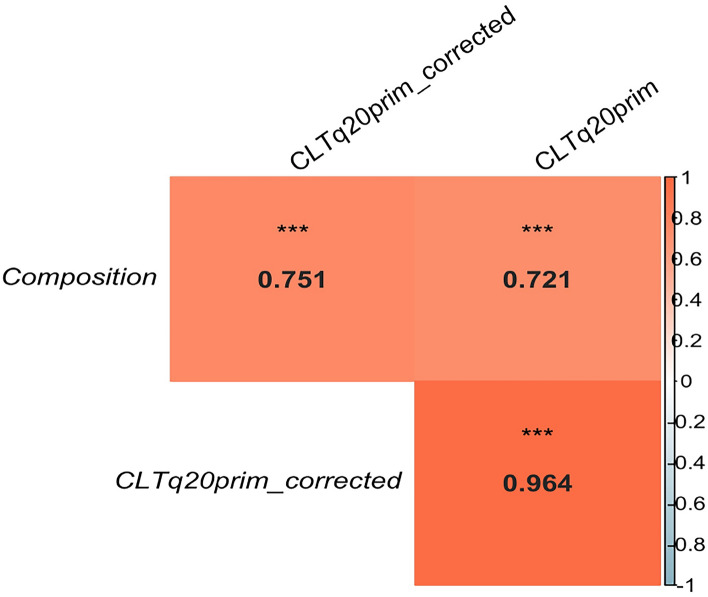 Figure 3
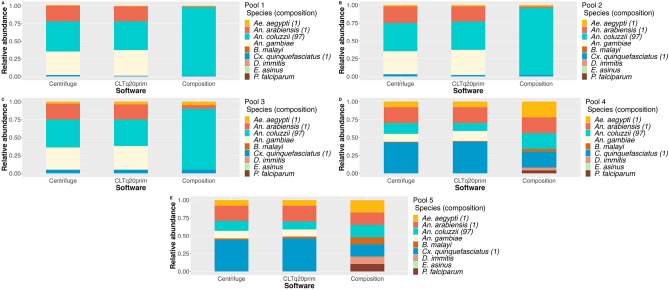 Figure 4
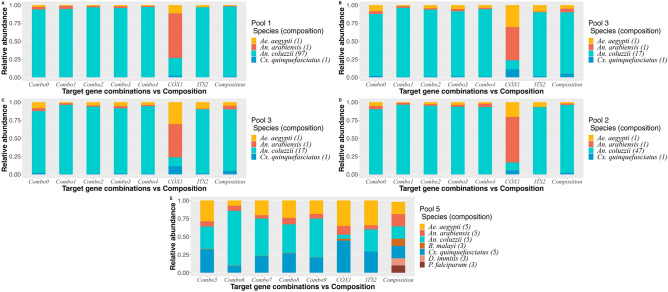 Figure 5
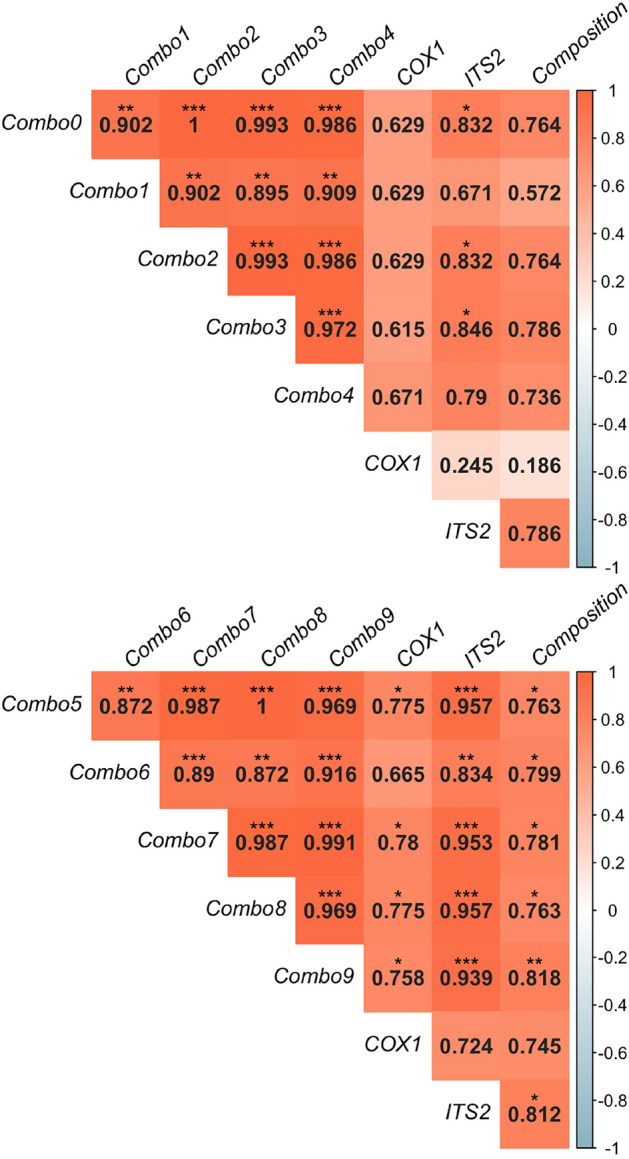 Figure 6
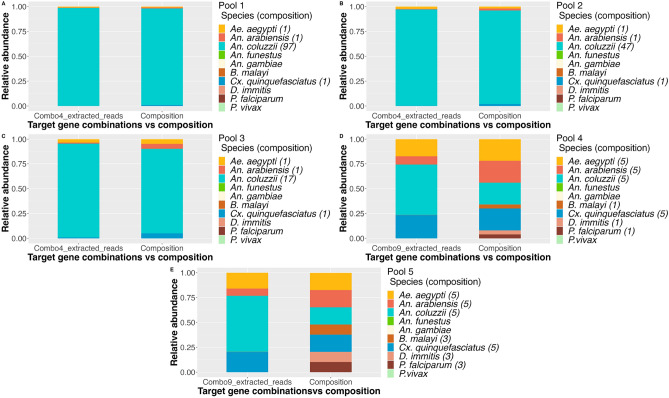 Figure 7
Peer Reviews
No public reviews on file for this paper yet. If you reviewed it on a platform where reviews are public (OpenReview, ICLR, NeurIPS, ICML), you can paste yours below so the community can read it here.
Videos
No videos yet. Explain this paper in a talk, walkthrough, or lecture? Add one.
Taxonomy
TopicsEnvironmental DNA in Biodiversity Studies · Identification and Quantification in Food · Genomics and Phylogenetic Studies