PEO-sheathed liquid jets increase sample delivery stability for serial femtosecond X-ray crystallography
Mohammad Vakili, Saša Bajt, Johan Bielecki, Sabine Botha, Claire Cerniglia, Henry N. Chapman, Carsten Deiter, Raphael de Wijn, Katerina Dörner, Juncheng E, Petra Fromme, Raimund Fromme, Alfonso M. Gañán Calvo, Huijong Han, Phan Bao Ngoc Huynh, Chan Kim, Marco Kloos

TL;DR
This paper introduces a new method using PEO-sheathed liquid jets to improve sample delivery stability for X-ray crystallography experiments.
Contribution
The novelty lies in using PEO-sheathed jets with triple-flow nozzles to handle viscous buffers for time-resolved experiments.
Findings
PEO-sheathed jets enable stable delivery of protein microcrystals in various buffer viscosities.
Triple-flow nozzles improve control over viscous buffers for diffusive mixing experiments.
The method bridges the time delay gap between XFELs and synchrotrons.
Abstract
Viscoelastic jets can be generated by the polyethylene oxide (PEO) sheathing of an aqueous solution using double-flow focusing nozzles (DFFNs) and represent an efficient method to deliver samples that are dispersed in low and medium-viscosity liquids for X-ray diffractive imaging experiments. Due to their micrometre diameter and millimetre length, such jets can be used for pump–probe serial femtosecond crystallography (SFX) in order to access a timescale of a few tens of microseconds. This range is in between the previously achievable ranges accessible at XFELs (picoseconds-to-microsecond time delays) and synchrotrons (a few hundred µs to millisecond delays), respectively. Here, we demonstrate their effectiveness to deliver protein microcrystals (lysozyme and photosystem II) in buffer compositions of various viscosities for SFX and explore capabilities of triple-flow focusing nozzles…
Genes, proteins, chemicals, diseases, species, mutations and cell lines named across the full text — each resolved to its canonical identifier and authoritative record.
Click any figure to enlarge with its caption.
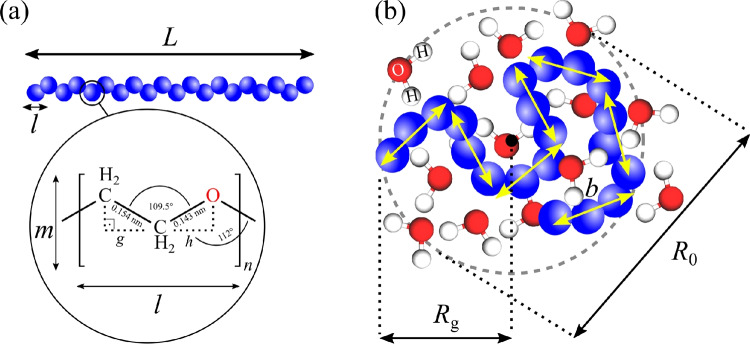 Figure 10
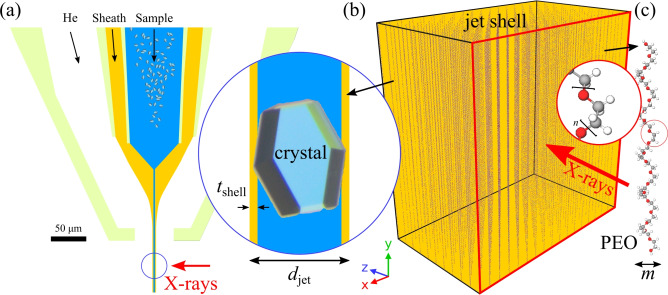 Figure 11
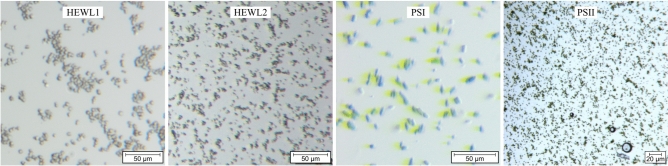 Figure 12
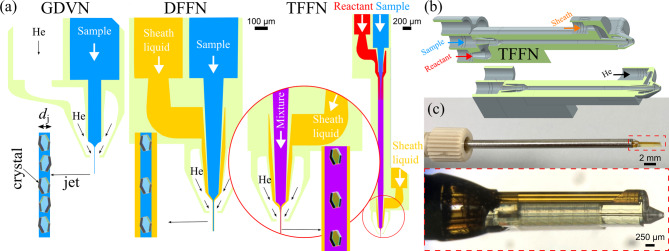 Figure 1
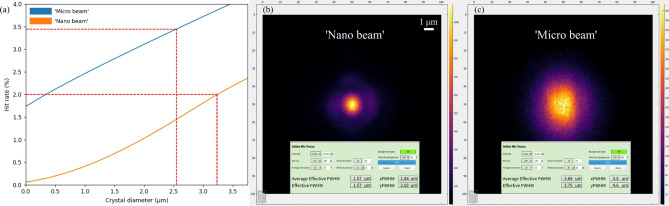 Figure 2
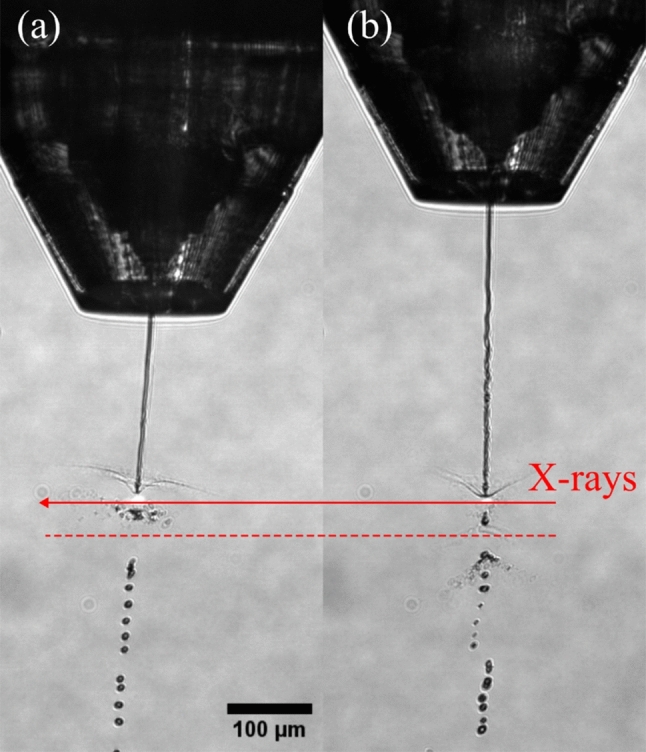 Figure 3
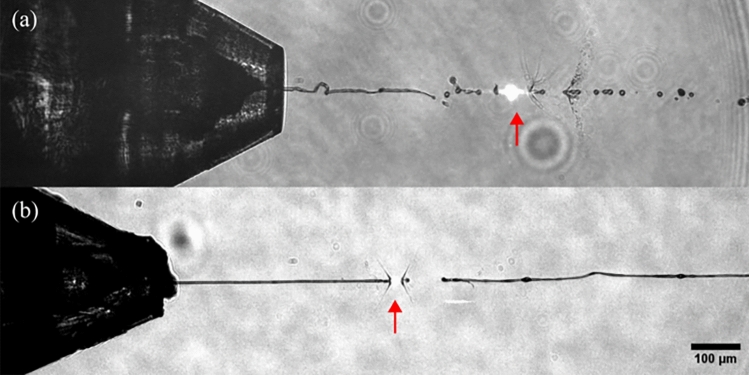 Figure 4
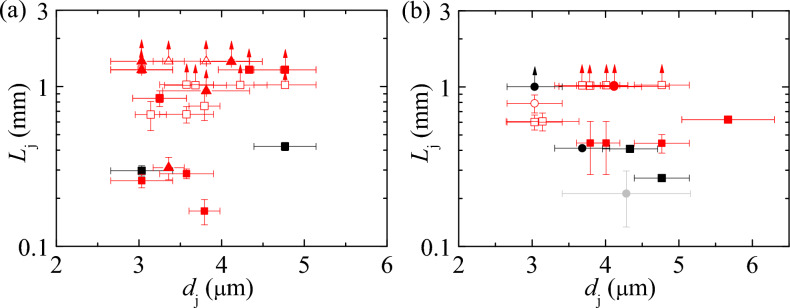 Figure 5
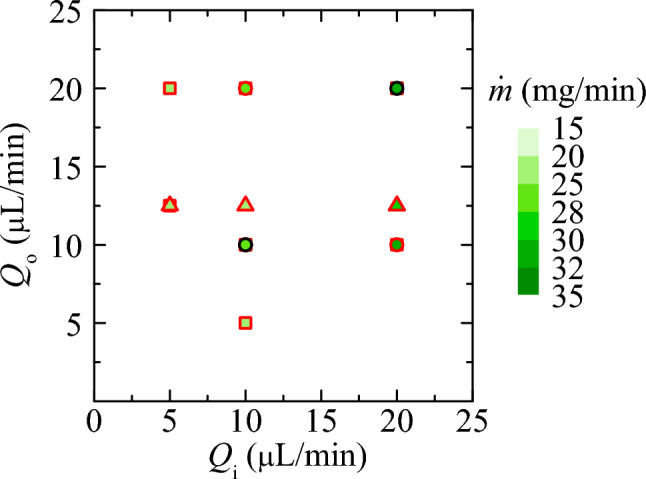 Figure 6
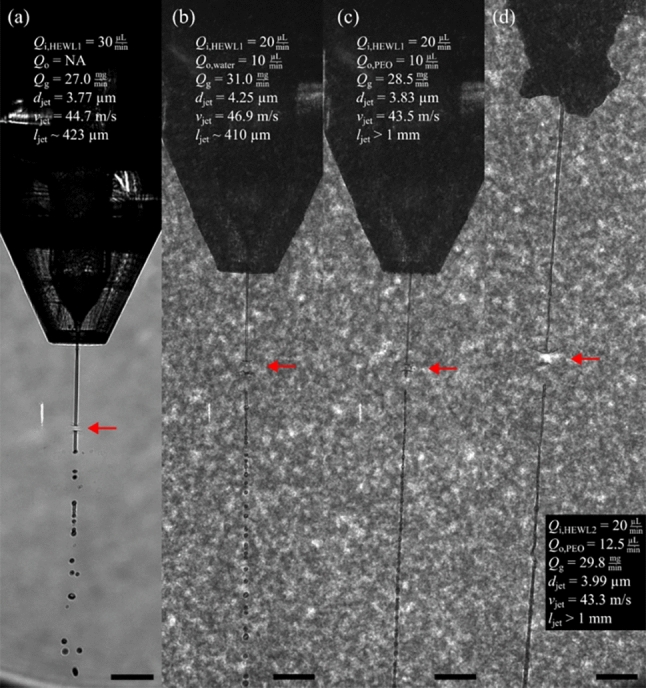 Figure 7
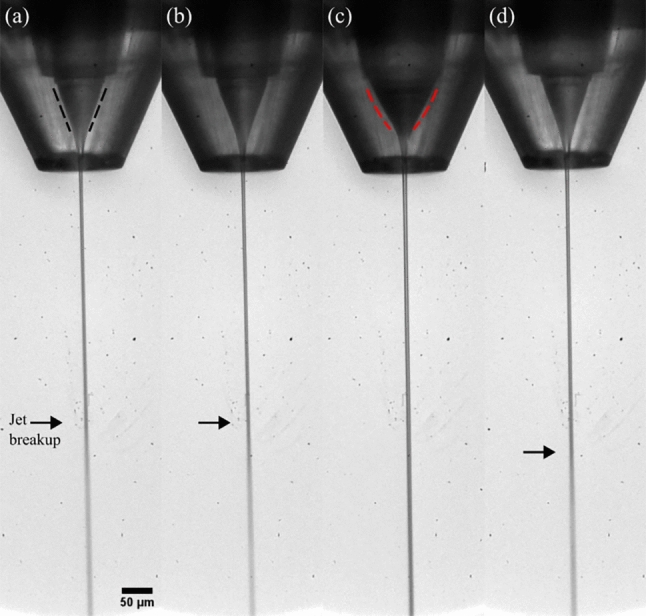 Figure 8
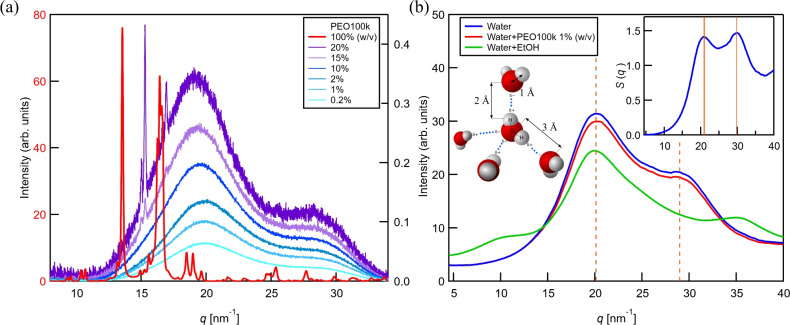 Figure 9
Peer Reviews
No public reviews on file for this paper yet. If you reviewed it on a platform where reviews are public (OpenReview, ICLR, NeurIPS, ICML), you can paste yours below so the community can read it here.
Videos
No videos yet. Explain this paper in a talk, walkthrough, or lecture? Add one.
Taxonomy
TopicsEnzyme Structure and Function · Advanced X-ray Imaging Techniques · Laser-Plasma Interactions and Diagnostics