Evaluating flow modulating treatment response in intracranial aneurysms using black-blood MRI in vitro
Mariya S. Pravdivtseva, Hivnu Toraman, Jana Korte, Franziska Gaidzik, Oluwabusayo A. Oni, Philipp Berg, Prasanth Velvaluri, Lana Bautz, Fritz Wodarg, Jan-Bernd Hövener, Olav Jansen, Naomi Larsen

TL;DR
Black-blood MRI may help assess treatment success in brain aneurysms by detecting reduced blood flow, even when metal implants cause imaging issues.
Contribution
The study demonstrates that black-blood MRI can detect flow reductions in aneurysms caused by implanted devices, offering a potential alternative to 4D flow MRI in the presence of metal artifacts.
Findings
Black-blood signal increases in treated aneurysms correlate inversely with reduced blood flow velocity.
Metal artifacts are less pronounced in black-blood MRI compared to 4D flow MRI.
Flow reductions observed experimentally match numerical simulations.
Abstract
Changes in blood flow after brain aneurysm treatment are linked to treatment success. While 4D flow magnetic resonance imaging (MRI) can measure these changes, it is sensitive to metal artifacts from implants. Black-blood MRI, less affected by artifacts, may complement 4D flow MRI. We investigated whether changes in black-blood signal reflect reductions in blood flow and could indicate the success of aneurysm treatment. We performed 22 flow experiments using 3D printed models of two patient-derived brain aneurysms and two straight vessels. Flow-modulating devices, including flow-diverter stents and intrasaccular devices, were inserted into 15 aneurysm models, while untreated models served as controls. All models were imaged with 4D flow and black-blood MRI on a 3 T clinical system. Numerical flow simulations were also performed. Blood flow velocity and black-blood signal were compared…
Genes, proteins, chemicals, diseases, species, mutations and cell lines named across the full text — each resolved to its canonical identifier and authoritative record.
Click any figure to enlarge with its caption.
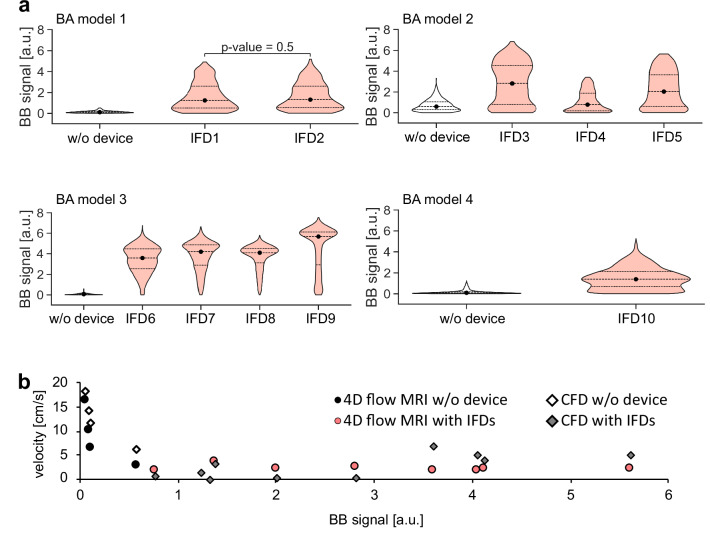 Figure 10
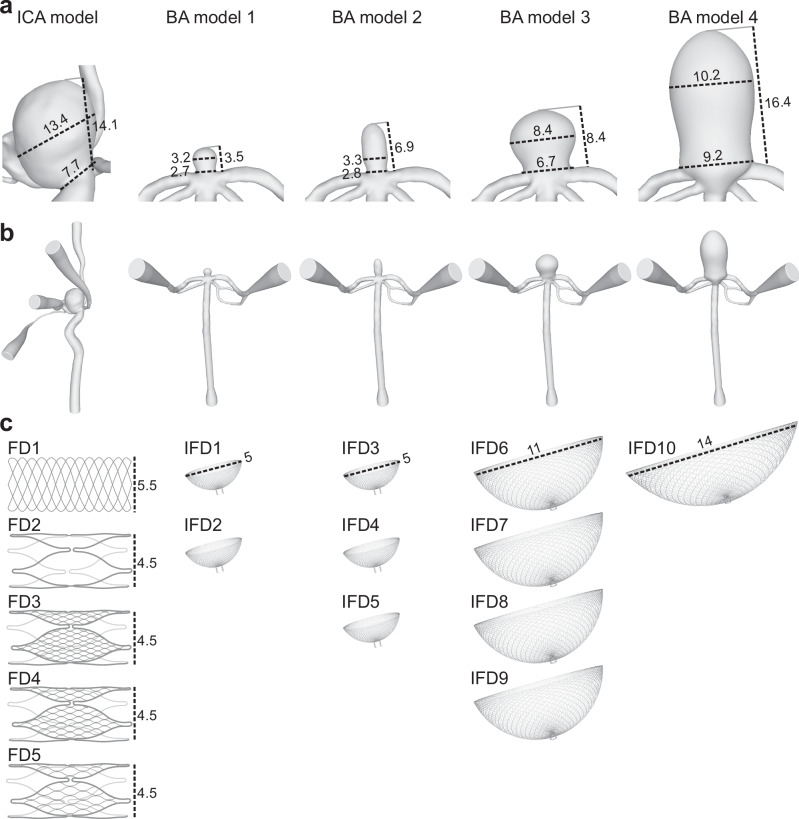 Figure 1
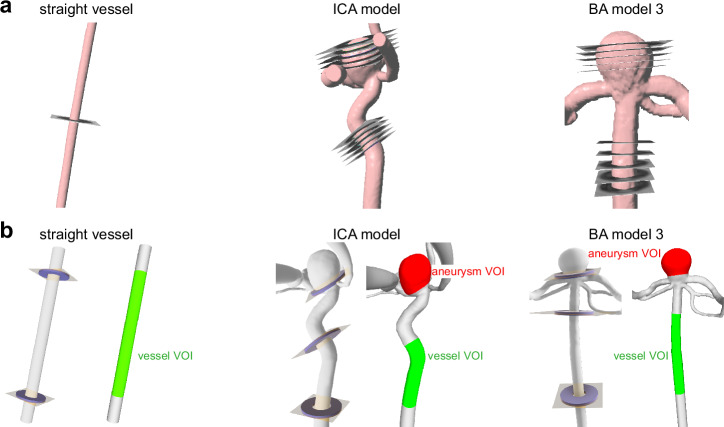 Figure 2
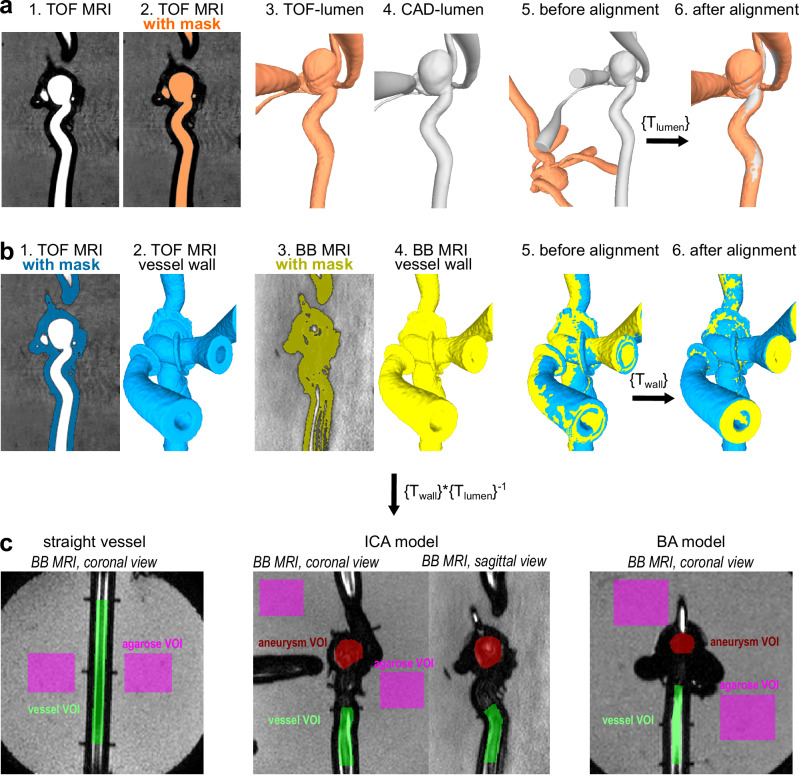 Figure 3
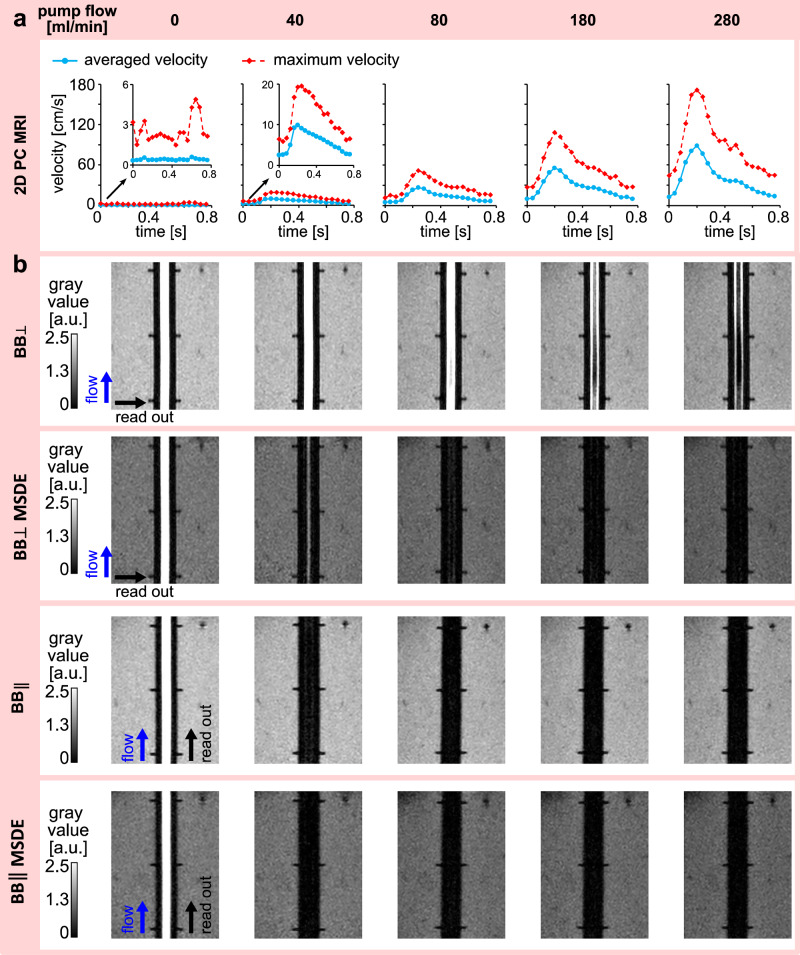 Figure 4
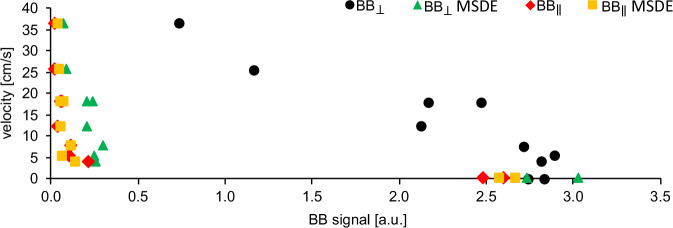 Figure 5
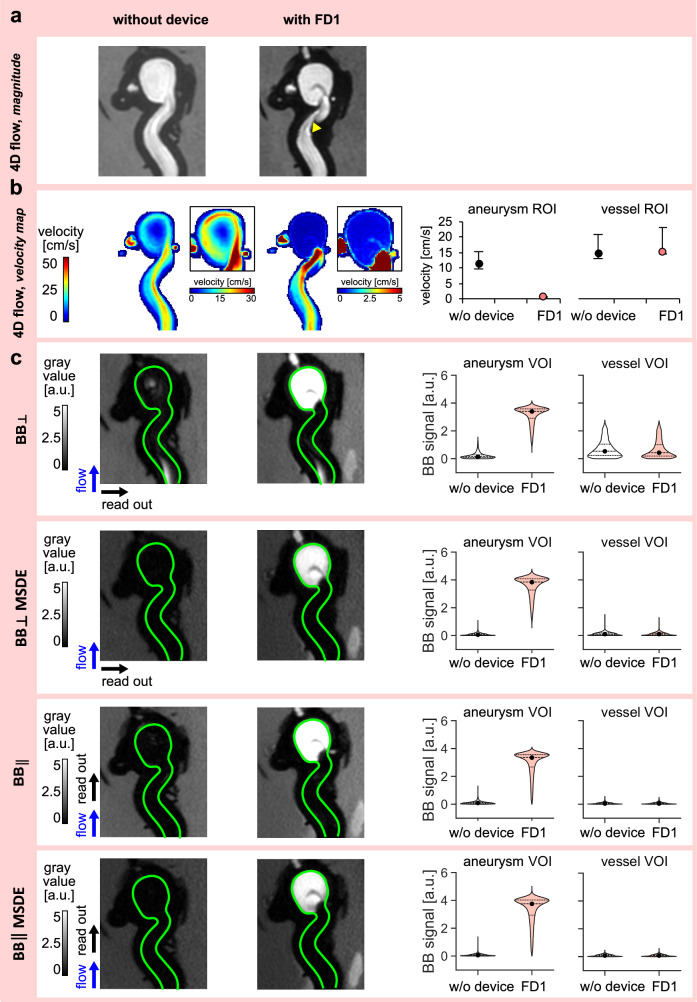 Figure 6
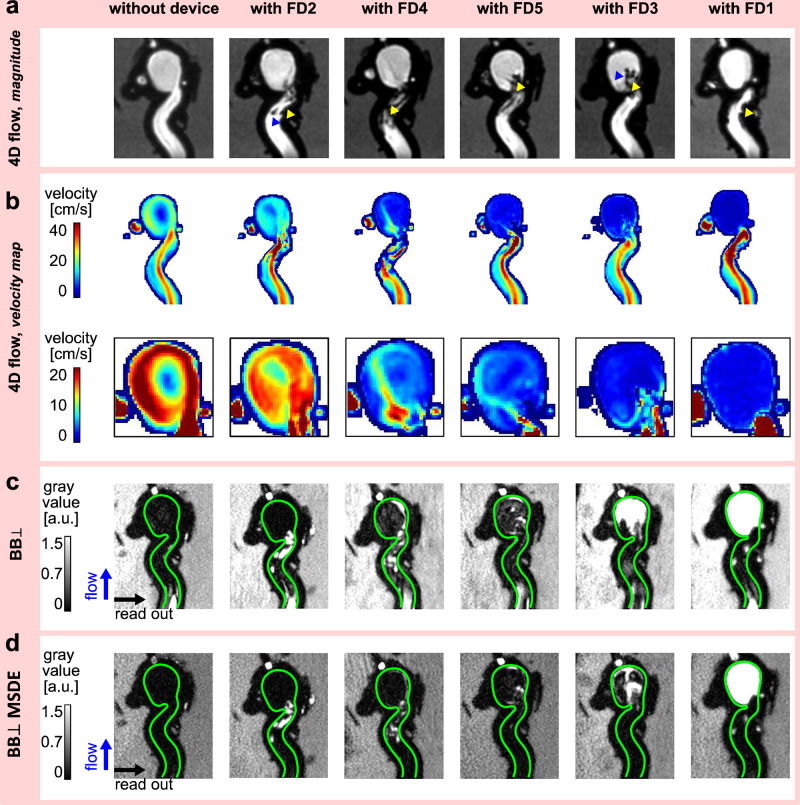 Figure 7
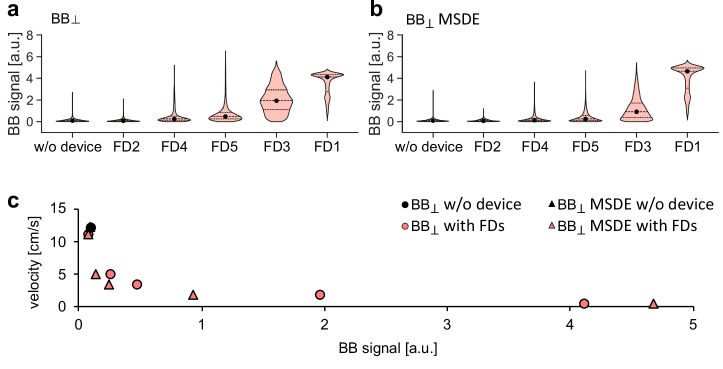 Figure 8
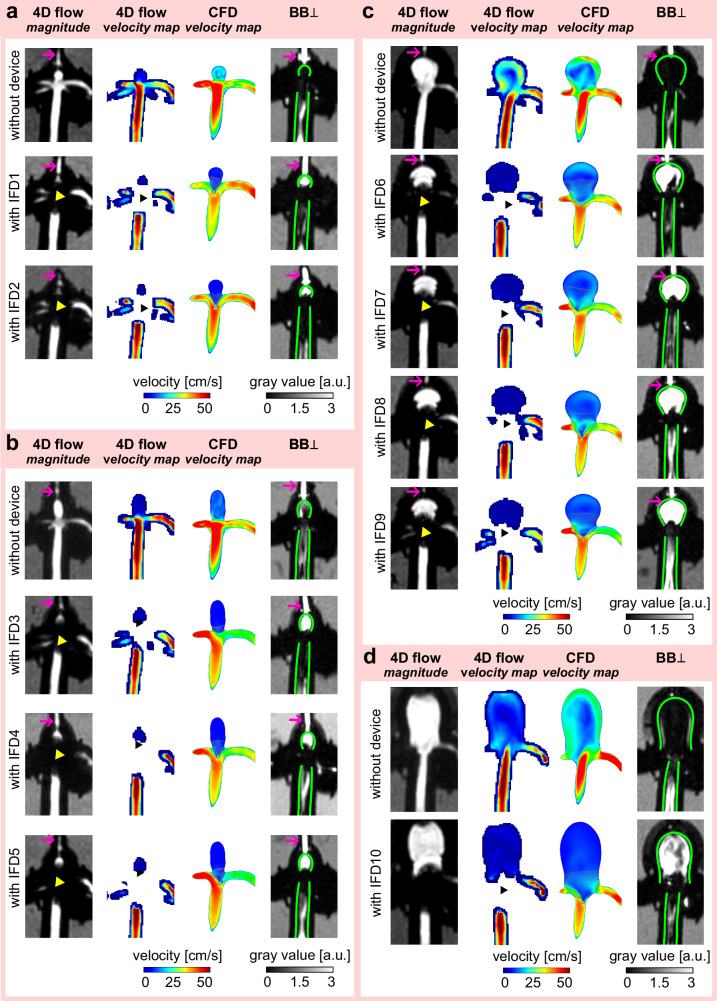 Figure 9
Peer Reviews
No public reviews on file for this paper yet. If you reviewed it on a platform where reviews are public (OpenReview, ICLR, NeurIPS, ICML), you can paste yours below so the community can read it here.
Videos
No videos yet. Explain this paper in a talk, walkthrough, or lecture? Add one.
Taxonomy
TopicsIntracranial Aneurysms: Treatment and Complications · Advanced MRI Techniques and Applications · Vascular Malformations Diagnosis and Treatment