Differentiable multiphase flow model for physics-informed machine learning in reservoir pressure management
Harun Ur Rashid, Aleksandra Pachalieva, Daniel O’Malley

TL;DR
This paper introduces a machine learning method that uses a differentiable multiphase flow simulator to efficiently manage reservoir pressure in subsurface systems.
Contribution
A novel physics-informed machine learning workflow that reduces the computational cost of reservoir pressure predictions using transfer learning.
Findings
The model achieves high accuracy with fewer than three thousand full-physics simulations, a drastic reduction from previous estimates.
Transfer learning from single-phase simulations significantly speeds up training for complex multiphase scenarios.
The CNN effectively predicts fluid extraction rates to maintain pressure limits in heterogeneous reservoirs.
Abstract
Accurate subsurface reservoir pressure control is extremely challenging due to geological heterogeneity and multiphase fluid-flow dynamics. Predicting behavior in this setting relies on high-fidelity physics-based simulations that are computationally expensive. Yet, the uncertain, heterogeneous properties that control these flows make it necessary to perform many of these expensive simulations, which is often prohibitive. To address these challenges, we introduce a physics-informed machine learning workflow that couples a fully differentiable multiphase flow simulator, which is implemented in the DPFEHM framework with a convolutional neural network (CNN). The CNN learns to predict fluid extraction rates from heterogeneous permeability fields to enforce pressure limits at critical reservoir locations. By incorporating transient multiphase flow physics into the training process, our…
Genes, proteins, chemicals, diseases, species, mutations and cell lines named across the full text — each resolved to its canonical identifier and authoritative record.
Click any figure to enlarge with its caption.
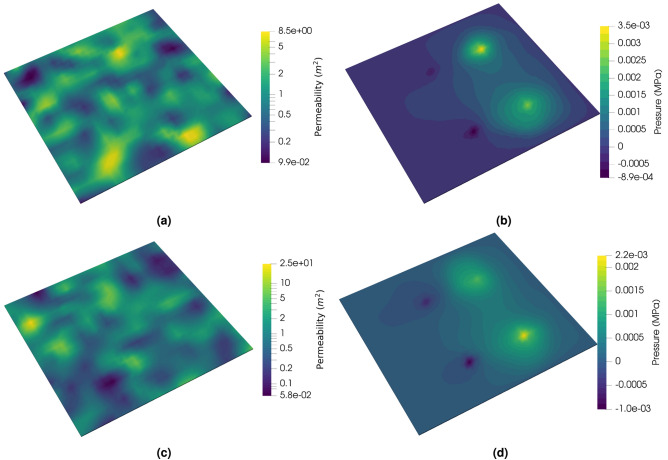 Figure 10
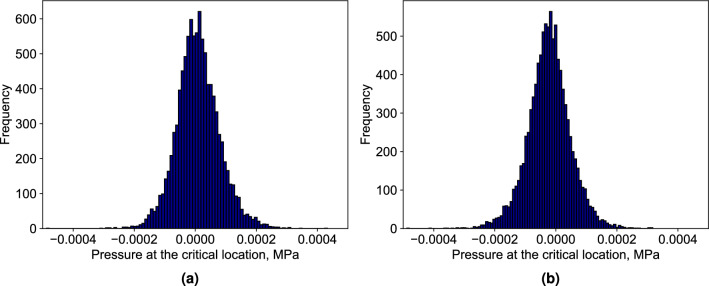 Figure 11
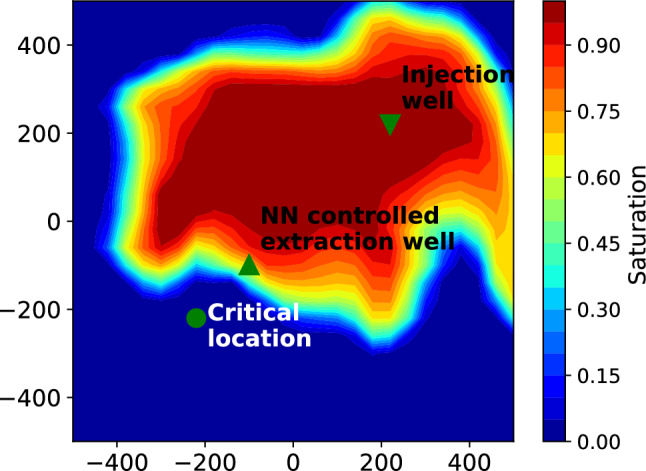 Figure 1
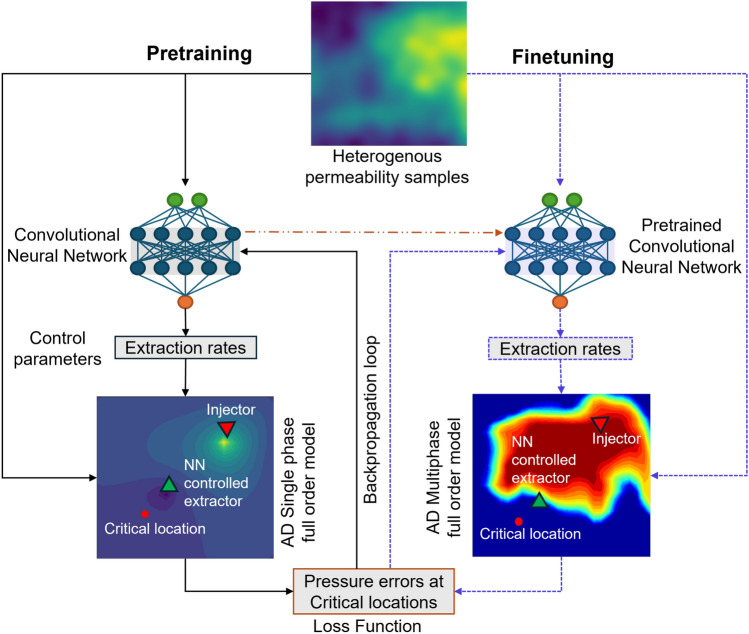 Figure 2
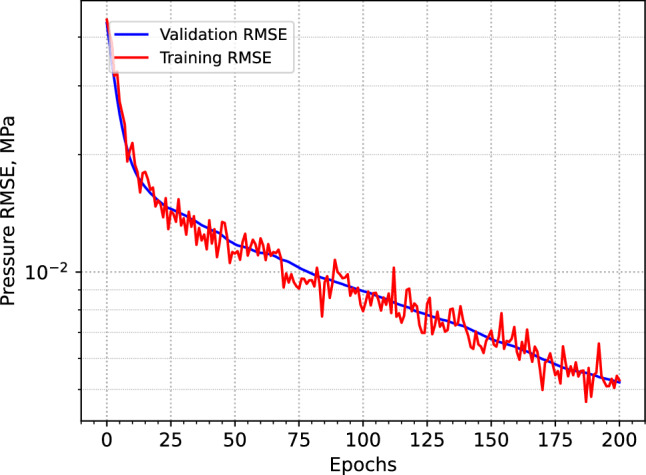 Figure 3
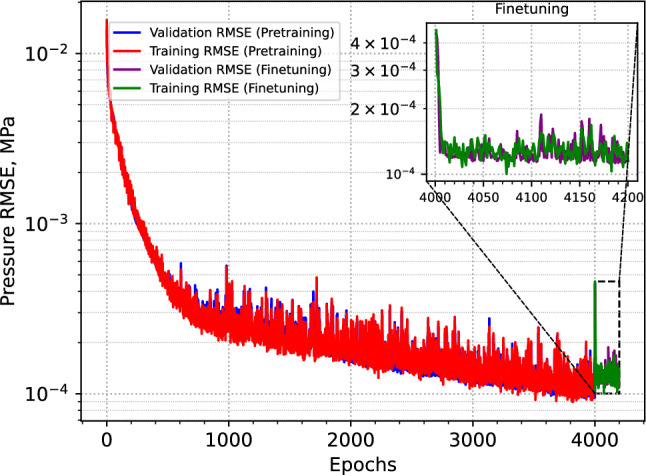 Figure 4
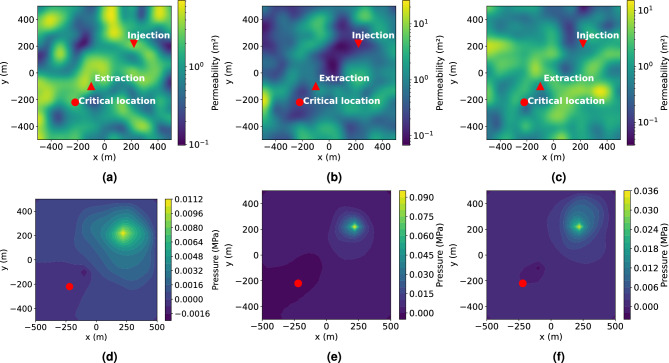 Figure 5
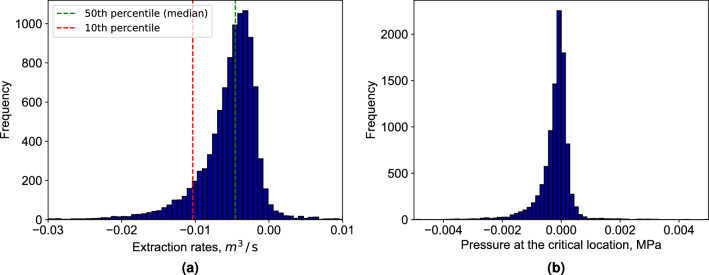 Figure 6
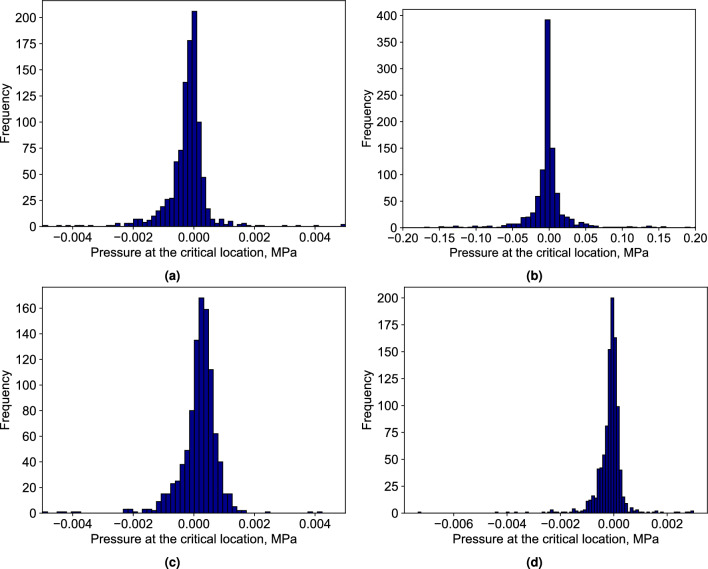 Figure 7
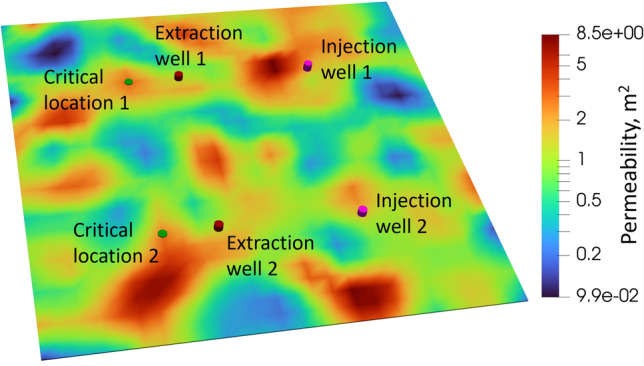 Figure 8
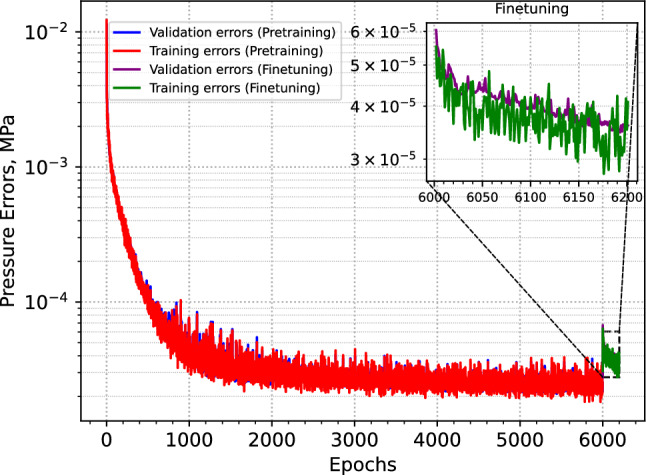 Figure 9
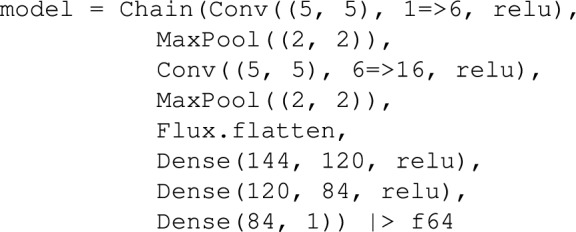 Figure 12
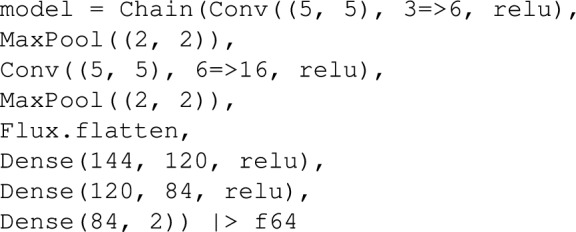 Figure 13
Peer Reviews
No public reviews on file for this paper yet. If you reviewed it on a platform where reviews are public (OpenReview, ICLR, NeurIPS, ICML), you can paste yours below so the community can read it here.
Videos
No videos yet. Explain this paper in a talk, walkthrough, or lecture? Add one.
Taxonomy
TopicsModel Reduction and Neural Networks · Reservoir Engineering and Simulation Methods · Neural Networks and Reservoir Computing