Targeting the FNIP2-SERCA2b axis improves metabolic and mitochondrial defects in Ataxia Telangiectasia
Maria Vinciguerra, Catiana El Kharef, Christopher Bruhn, Lucia Falbo, Chiara Milanese, Matteo Audano, Galina V. Beznoussenko, Alexander A. Mironov, Domenico Delia, Marco Foiani, Pier Giorgio Mastroberardino, Nico Mitro, Vincenzo Costanzo

TL;DR
This study identifies a new metabolic pathway involving FNIP2 and SERCA2b that could help treat Ataxia Telangiectasia by improving mitochondrial function and reducing glycogen buildup.
Contribution
The study reveals a novel role of the FNIP2-SERCA2b axis in metabolic defects of Ataxia Telangiectasia and suggests it as a potential therapeutic target.
Findings
AT cells show widespread glycogen accumulation due to impaired glucose metabolism and mitochondrial respiration.
Inactivating FNIP2 rescues metabolic defects and improves cell survival in AT cellular models.
FNIP2 interacts with SERCA2b, and its inactivation increases cytoplasmic calcium and glucose consumption.
Abstract
Ataxia telangiectasia (AT) is a rare multisystem disorder caused by the loss of functional ATM protein, leading to immunodeficiency, cancer predisposition, neurodegeneration, diabetes, heart failure, and premature aging. Although ATM’s role as a sensor of DNA double-strand breaks (DSBs) is well established, the mechanisms underlying the diverse AT phenotypes remain incompletely understood, with evidence suggesting they extend beyond DSB sensing. Here, we uncover widespread glycogen accumulation as a key feature of AT cells and tissues, driven by dysregulated glucose metabolism and impaired mitochondrial respiration assessed with a multidimensional approach including metabolomics, flux analysis, histopathology, bioenergetic measurements, and electron tomography. These metabolic defects contribute to reduced cellular viability and premature senescence observed in AT patient-derived cells.…
Genes, proteins, chemicals, diseases, species, mutations and cell lines named across the full text — each resolved to its canonical identifier and authoritative record.
Click any figure to enlarge with its caption.
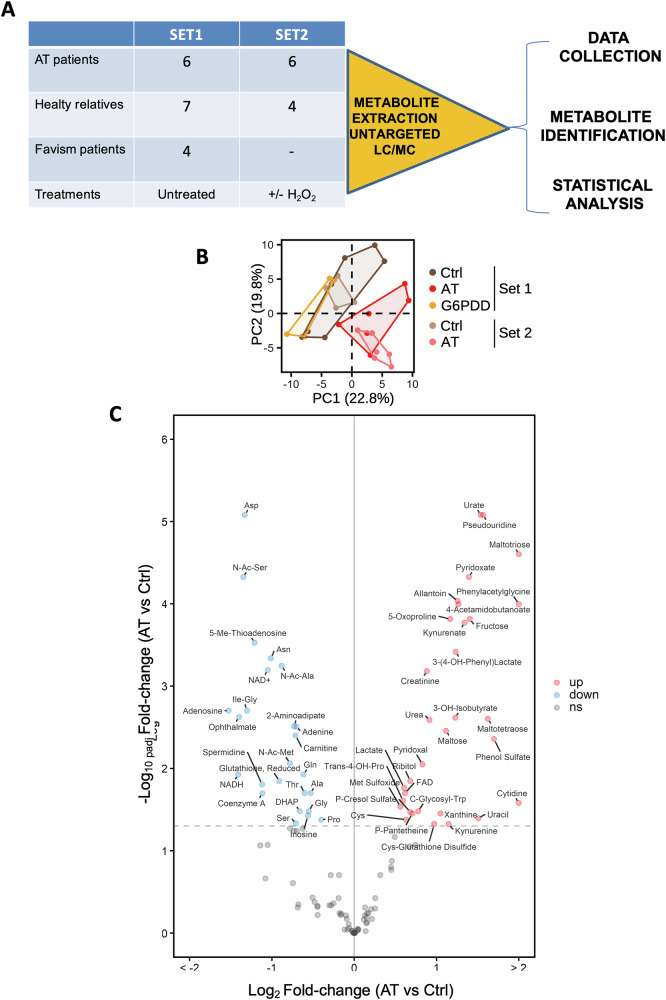 Figure 1
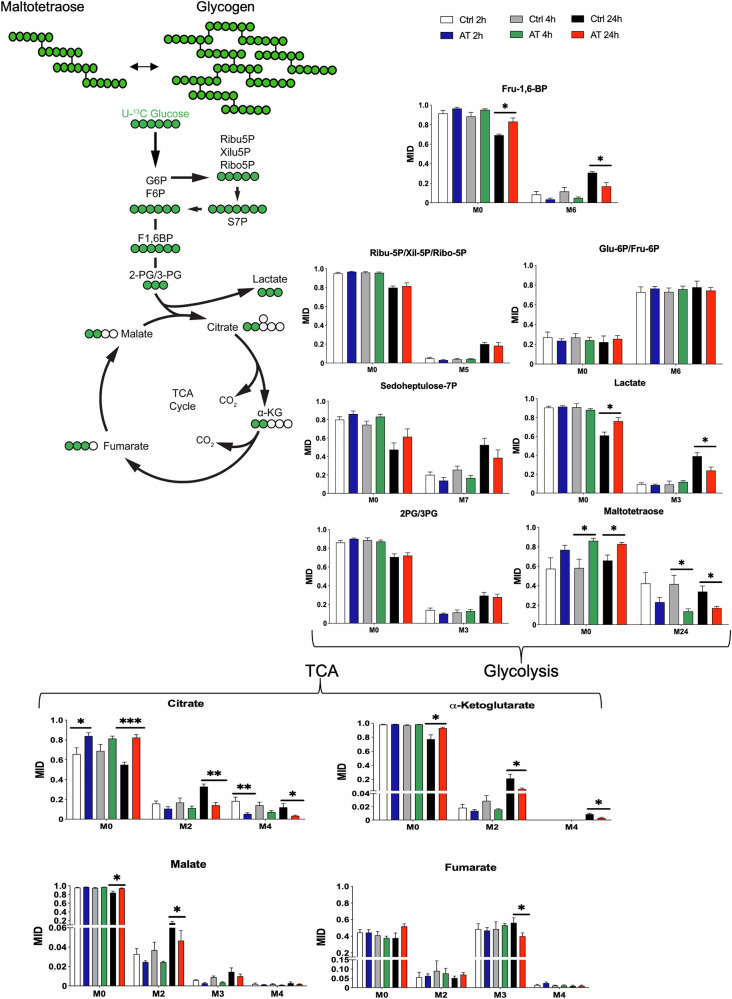 Figure 2
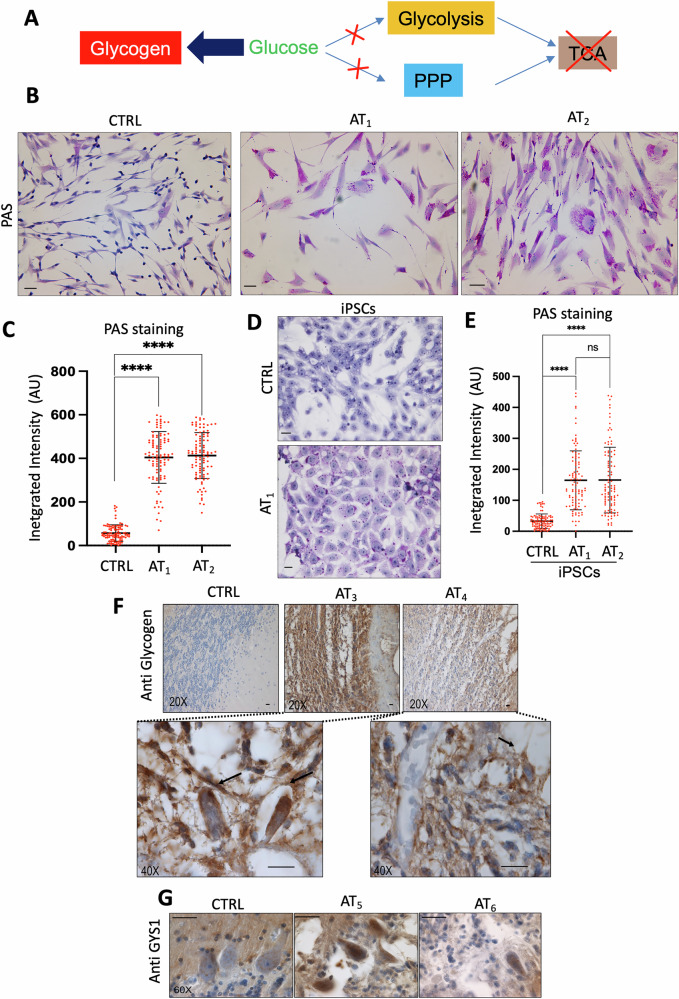 Figure 3
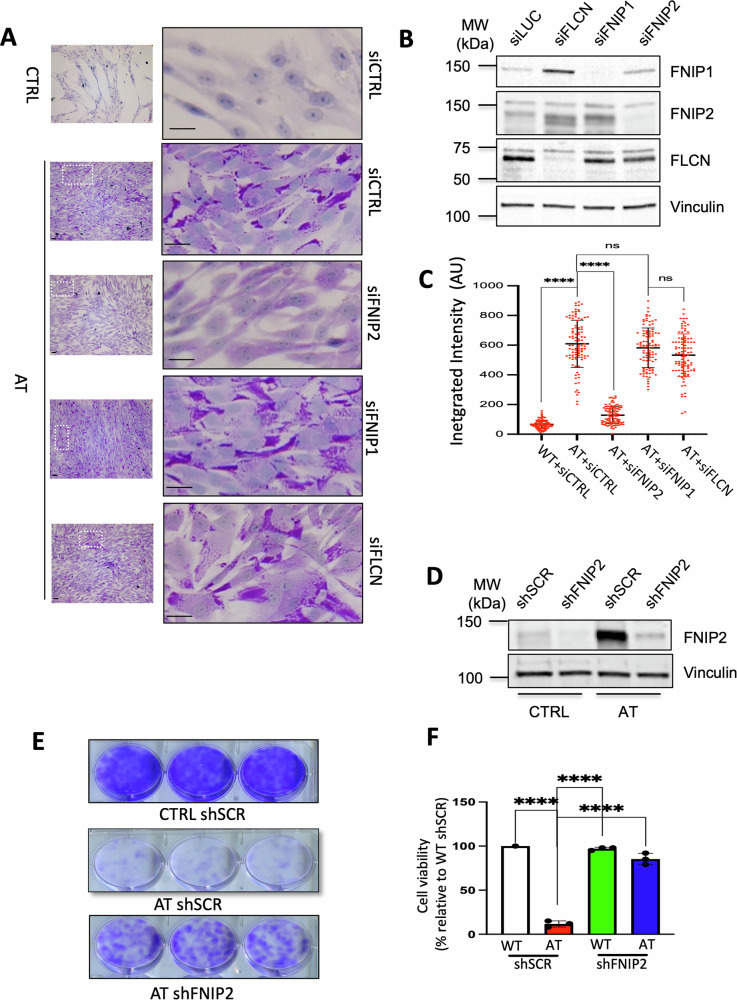 Figure 4
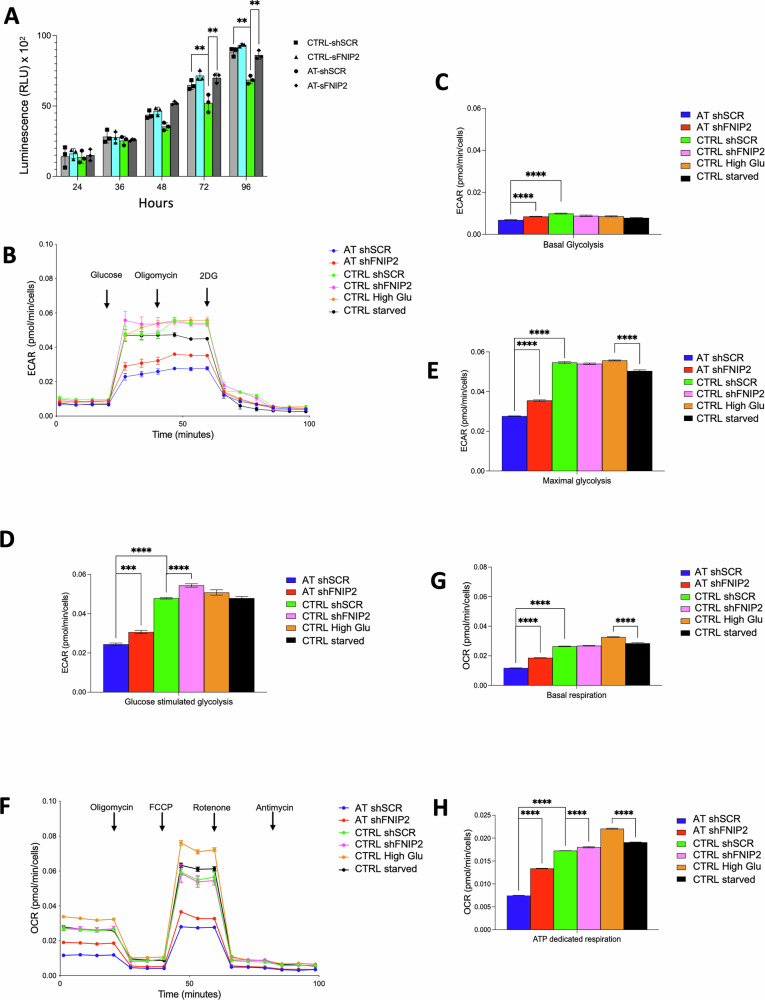 Figure 5
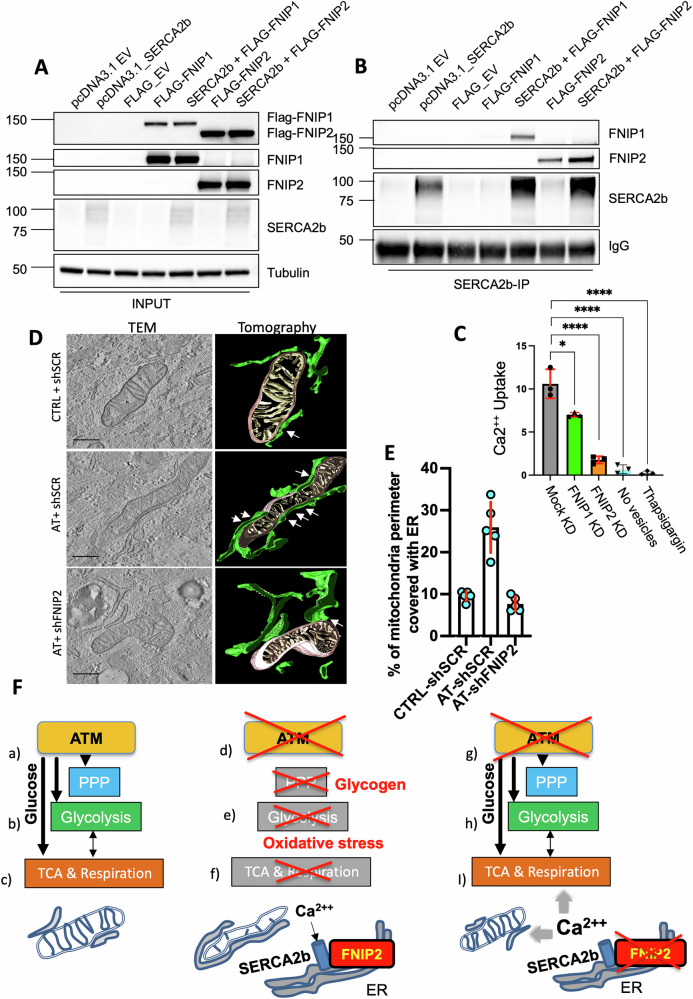 Figure 6
Peer Reviews
No public reviews on file for this paper yet. If you reviewed it on a platform where reviews are public (OpenReview, ICLR, NeurIPS, ICML), you can paste yours below so the community can read it here.
Videos
No videos yet. Explain this paper in a talk, walkthrough, or lecture? Add one.
Taxonomy
TopicsDNA Repair Mechanisms · Genetic Neurodegenerative Diseases · Biochemical and Molecular Research