Changes in the cortical GABAergic inhibitory system in a Spinal Muscular Atrophy mouse model
Giovanna Menduti, Francesco Ferrini, Anna Caretto, Amber Hassan, Raffaella di Vito, Giada Beltrando, Davide Marnetto, Alessandro Usiello, Ferdinando Di Cunto, Marina Boido, Alessandro Vercelli

TL;DR
This study explores how a lack of SMN protein in a mouse model of Spinal Muscular Atrophy affects GABAergic signaling in the motor cortex, contributing to disease progression.
Contribution
The study reveals a novel link between SMN deficiency and impaired GABAergic interneuron function in the motor cortex of SMA mice.
Findings
SMN deficiency is associated with reduced density and altered morphology of Parvalbumin-positive interneurons in the sensorimotor cortex.
SMN impacts GABA metabolism and neurotransmission through interactions between neurons and astrocytes.
These findings suggest a role for cortical GABAergic imbalance in upper motor neuron vulnerability in SMA.
Abstract
The cortical motor network excitatory-inhibitory (E/I) imbalance contributes to several neurodegenerative movement disorders. Spinal Muscular Atrophy (SMA) is a neuromuscular disease due to the lack of Survival Motor Neuron (SMN) protein, characterized by lower motor neuron (MN) degeneration and muscle atrophy. However, evidence shows that SMA patients display motor cortex abnormalities correlating with disease severity, suggesting altered maturation and maladaptive plasticity potentially contributing to upper MN vulnerability. This raises questions about cortical involvement and highlights the need for preclinical studies to clarify underlying mechanisms, given the limited accessibility of early-stage, untreated brain tissue from SMA patients. In agreement, our previous work in SMA mice revealed upper MN vulnerability, indicating SMA pathogenesis is far more complex than classically…
Genes, proteins, chemicals, diseases, species, mutations and cell lines named across the full text — each resolved to its canonical identifier and authoritative record.
Click any figure to enlarge with its caption.
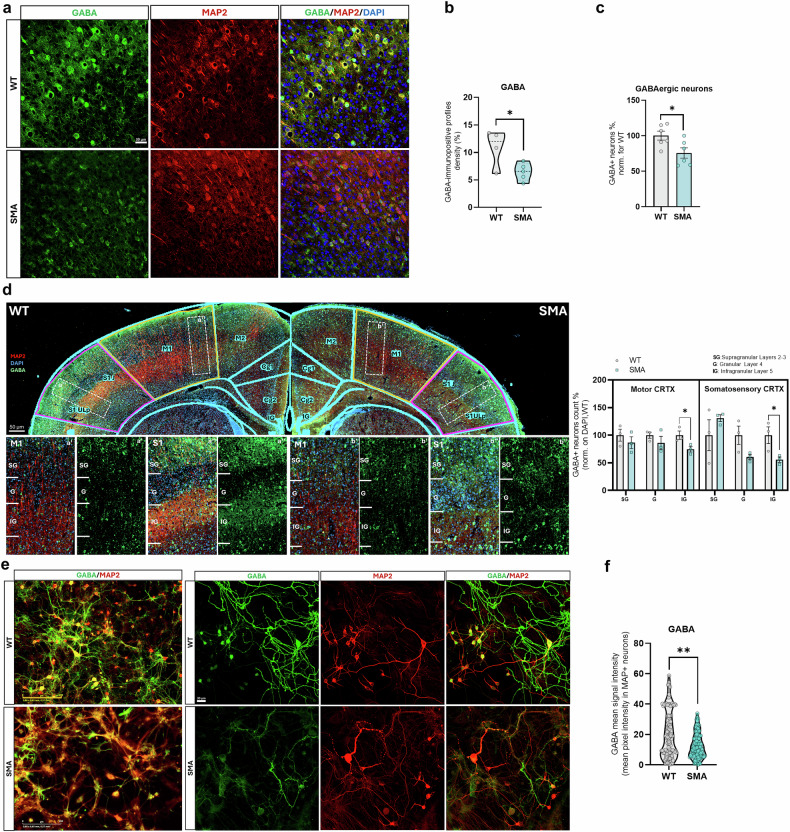 Figure 1
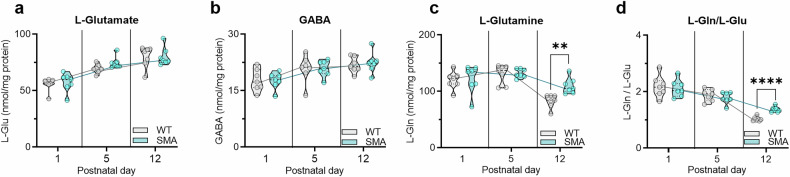 Figure 2
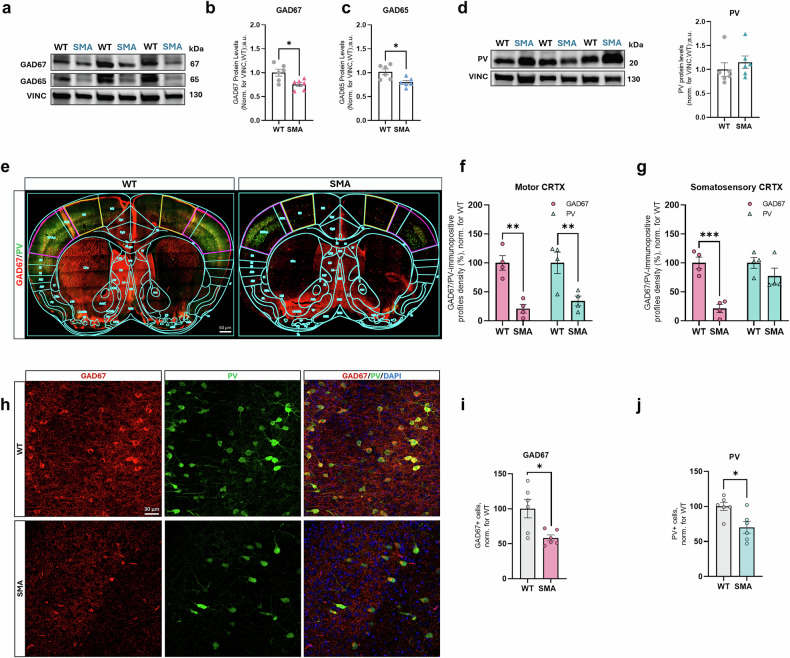 Figure 3
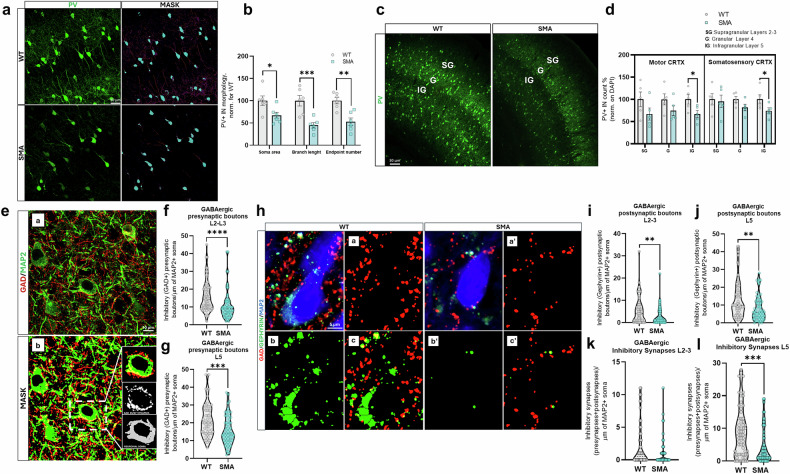 Figure 4
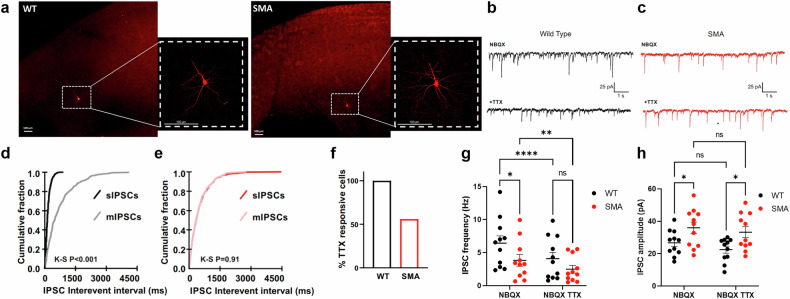 Figure 5
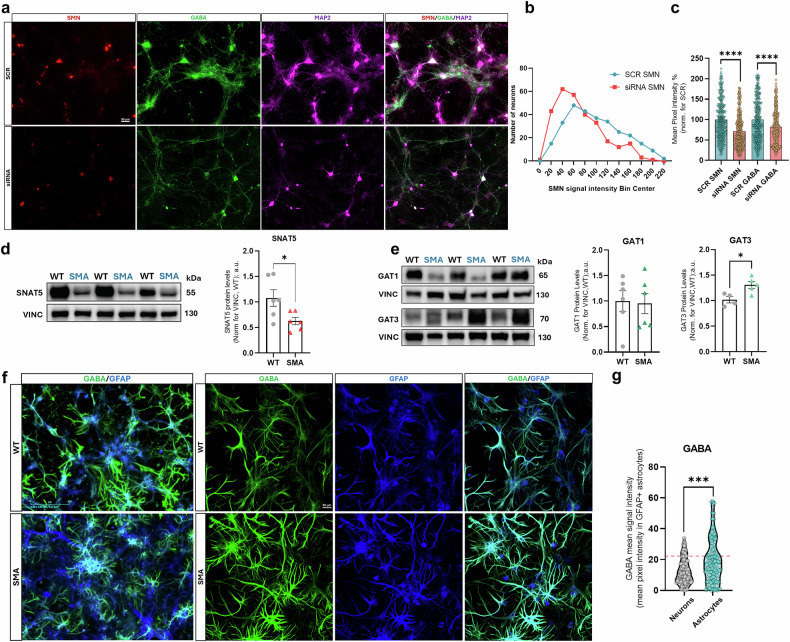 Figure 6
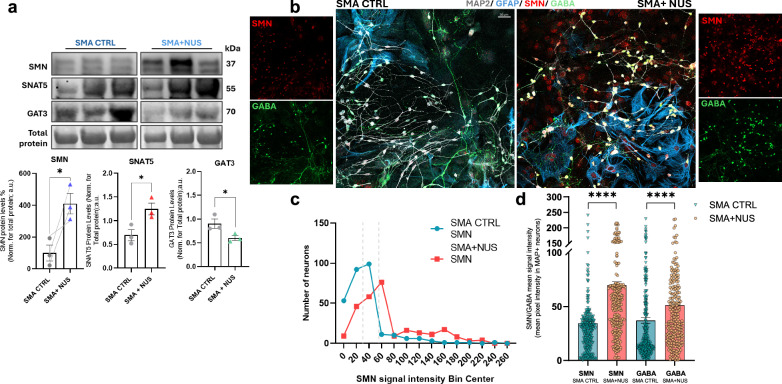 Figure 7
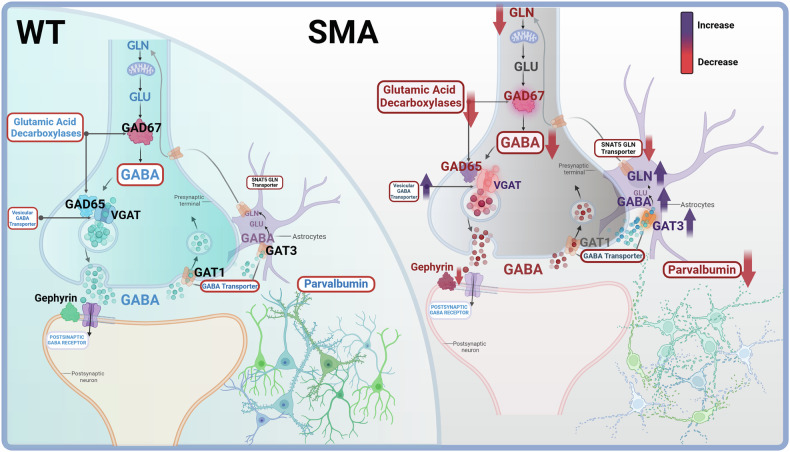 Figure 8
Peer Reviews
No public reviews on file for this paper yet. If you reviewed it on a platform where reviews are public (OpenReview, ICLR, NeurIPS, ICML), you can paste yours below so the community can read it here.
Videos
No videos yet. Explain this paper in a talk, walkthrough, or lecture? Add one.
Taxonomy
TopicsNeurogenetic and Muscular Disorders Research · Amyotrophic Lateral Sclerosis Research · Hereditary Neurological Disorders