Improving engineering properties of laterite soil using eco-friendly biopolymers: a study on strength and compressibility
Ahmad M. Ebid, Shailendra Banne, Snehal U. Bobade, Raviraj Sorate

TL;DR
This study explores using eco-friendly biopolymers to improve the strength and compressibility of laterite soil, offering a sustainable alternative to traditional stabilizers.
Contribution
The study introduces xanthan gum and guar gum as effective eco-friendly biopolymers for laterite soil stabilization.
Findings
3% xanthan gum and 2% guar gum increased unconfined compressive strength by 321.40% and 241.05% after 28 days.
Permeability decreased by 93.12% with xanthan gum and 96.96% with guar gum, indicating improved consolidation.
Microstructural analysis showed formation of cementitious products and dense matrices enhancing soil integrity.
Abstract
In recent years, there has been a growing focus on sustainable and eco-friendly alternatives to conventional chemical stabilizers for improving problematic soils. This study investigates the stabilization of laterite soil using eco-friendly biopolymers xanthan gum (XG) and guar gum (GG) to enhance its engineering properties. Soil samples treated with 1% to 4% biopolymer dosages were tested after curing periods ranging from 3 to 28 days. Laboratory evaluations included Unconfined Compressive Strength (UCS), permeability, and consolidation tests, along with microstructural analyses using XRD. The results demonstrated significant improvements in strength, reduced permeability, and enhanced microstructural integrity, confirming the potential of XG and GG as sustainable soil stabilizers. Results reveal that 3% XG and 2% GG are the optimum concentrations, yielding maximum UCS improvements of…
Genes, proteins, chemicals, diseases, species, mutations and cell lines named across the full text — each resolved to its canonical identifier and authoritative record.
Click any figure to enlarge with its caption.
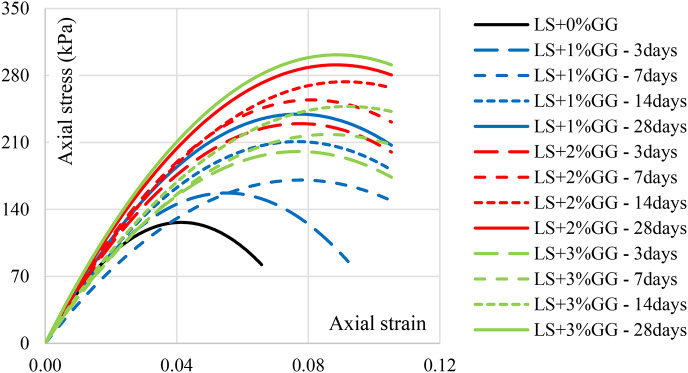 Figure 10
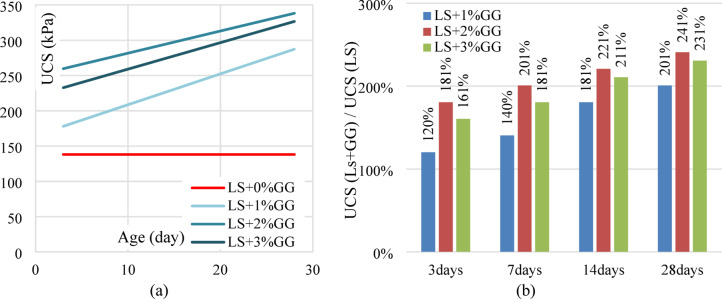 Figure 11
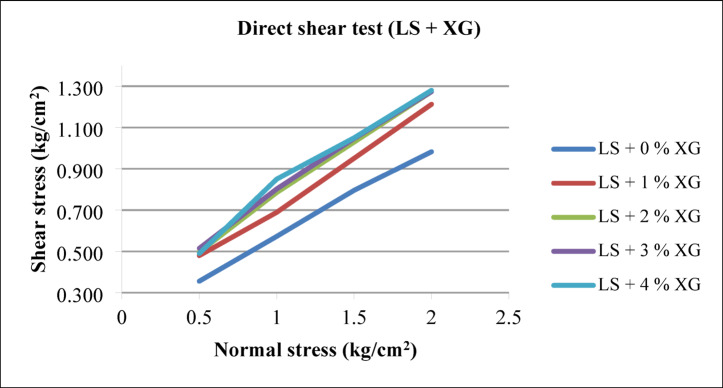 Figure 12
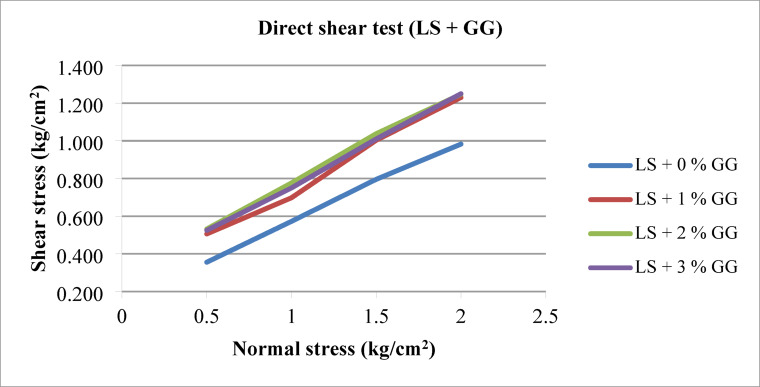 Figure 13
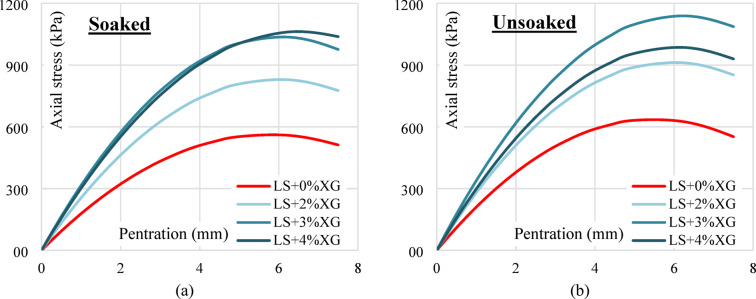 Figure 14
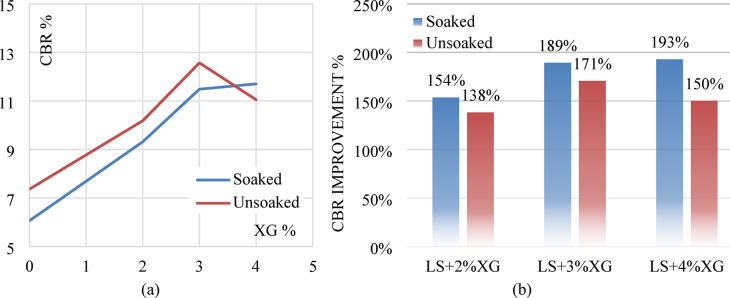 Figure 15
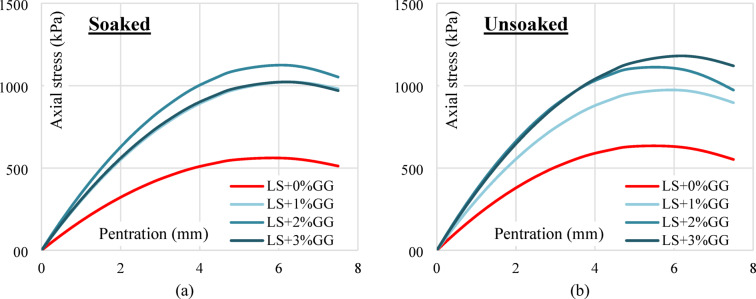 Figure 16
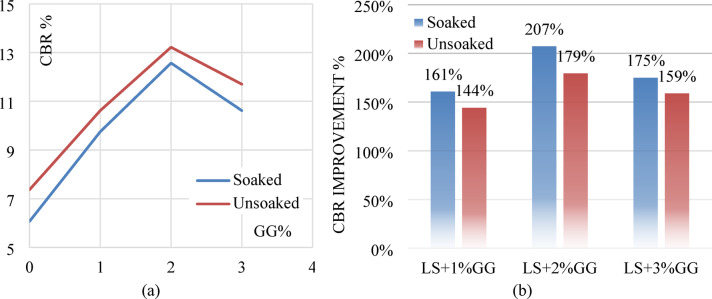 Figure 17
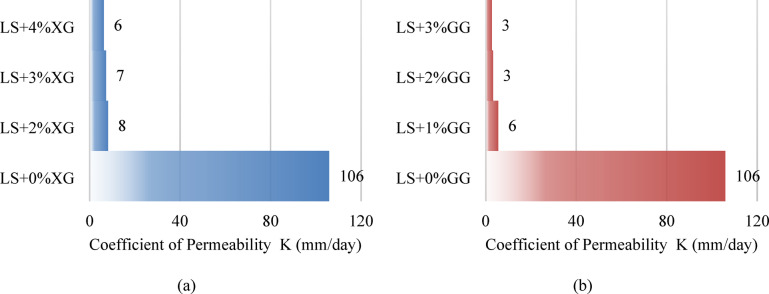 Figure 18
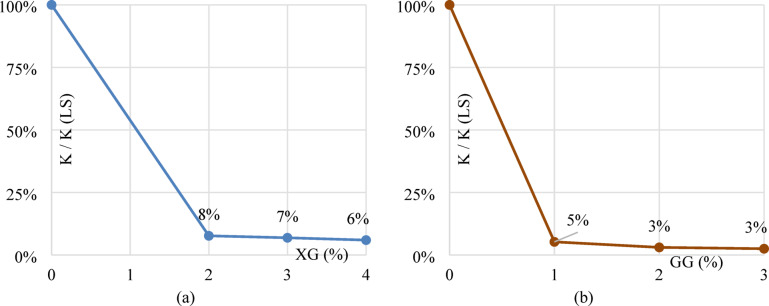 Figure 19
 Figure 1
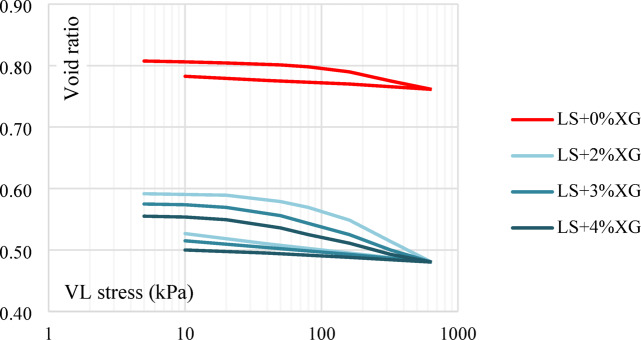 Figure 20
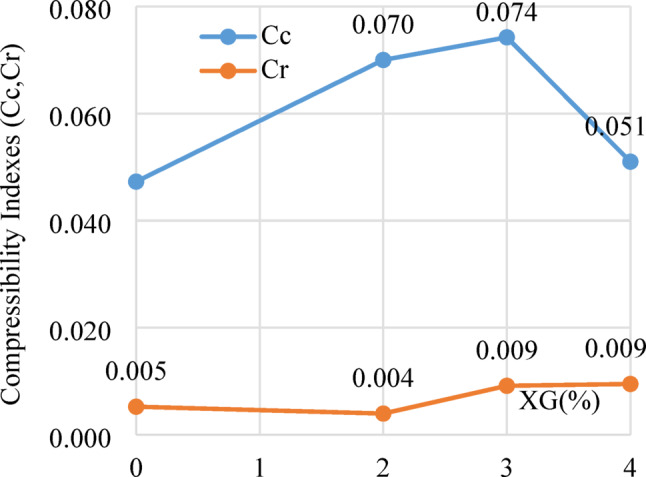 Figure 21
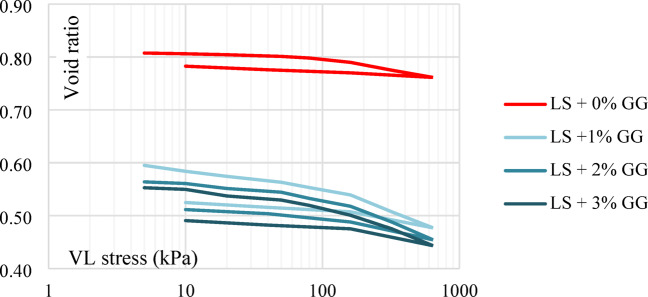 Figure 22
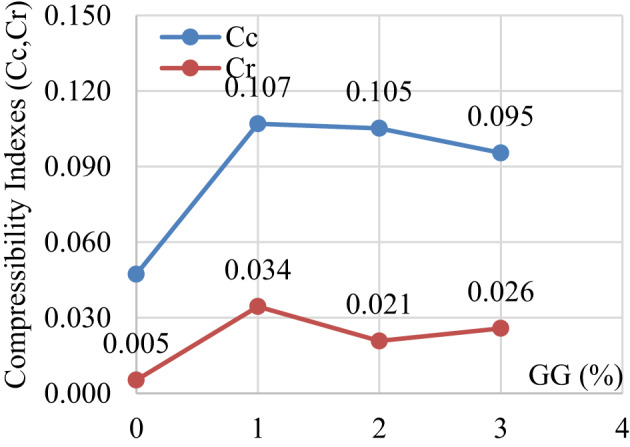 Figure 23
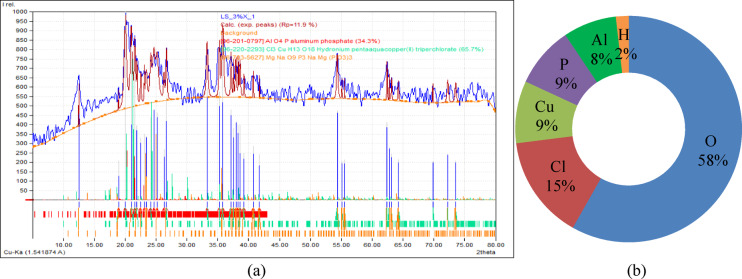 Figure 24
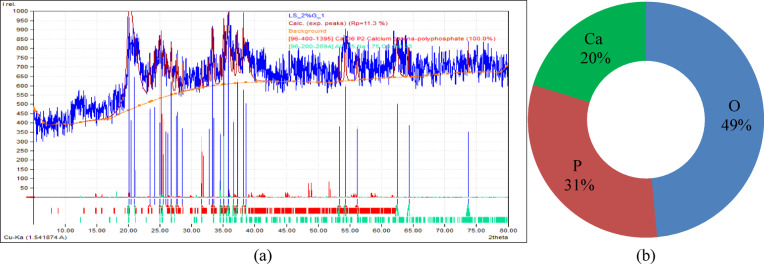 Figure 25
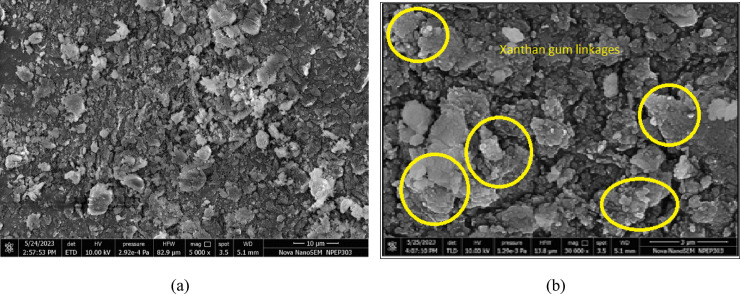 Figure 26
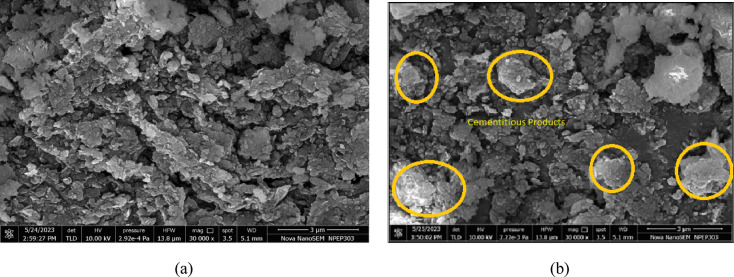 Figure 27
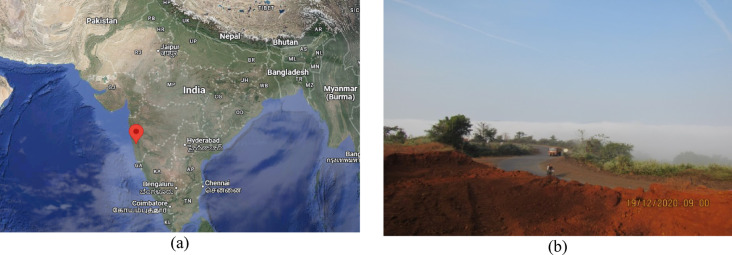 Figure 2
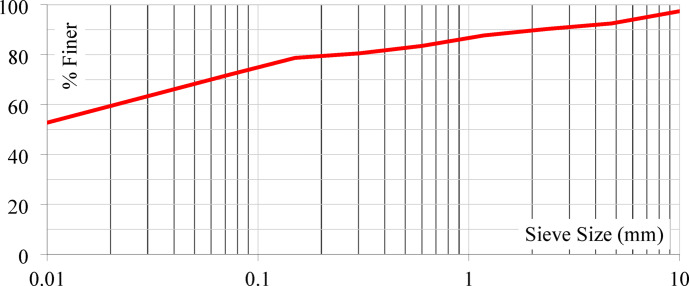 Figure 3
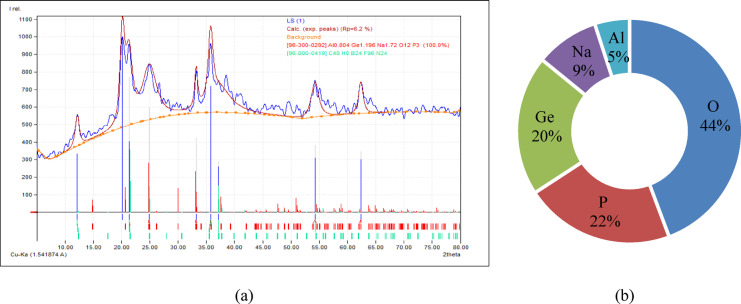 Figure 4
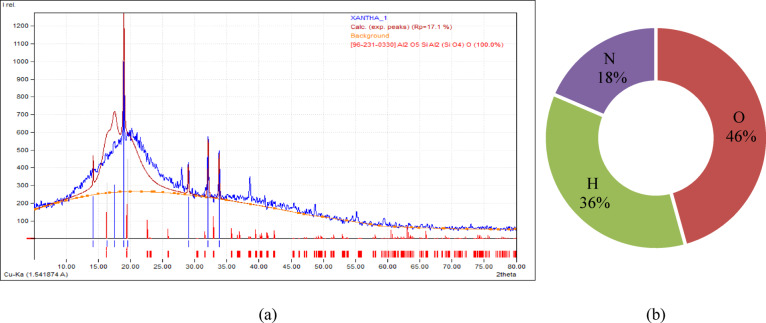 Figure 5
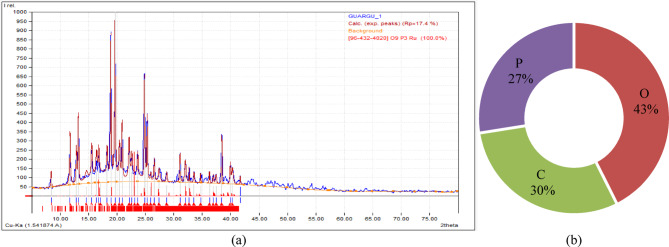 Figure 6
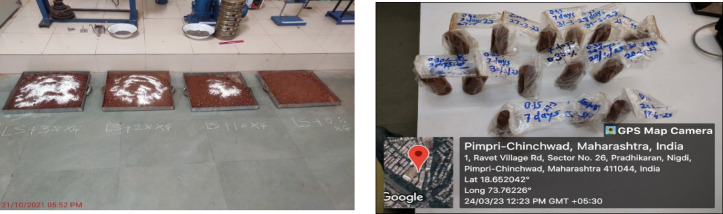 Figure 7
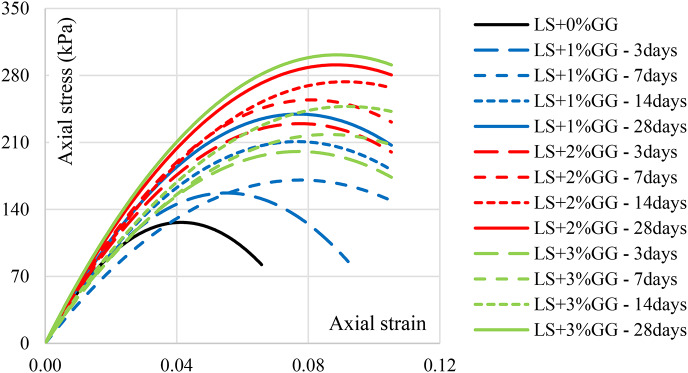 Figure 8
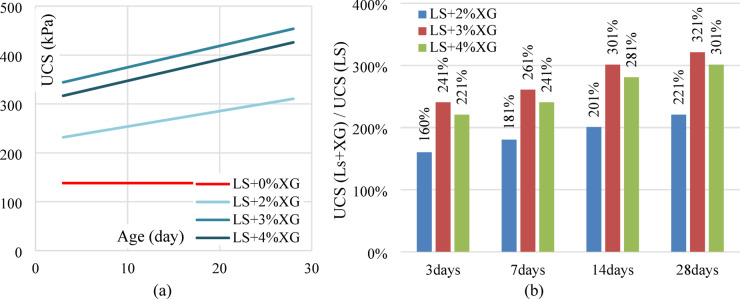 Figure 9
Peer Reviews
No public reviews on file for this paper yet. If you reviewed it on a platform where reviews are public (OpenReview, ICLR, NeurIPS, ICML), you can paste yours below so the community can read it here.
Videos
No videos yet. Explain this paper in a talk, walkthrough, or lecture? Add one.
Taxonomy
TopicsMicrobial Applications in Construction Materials · Concrete and Cement Materials Research · Grouting, Rheology, and Soil Mechanics