R-loop editing by DNA cytosine deaminase APOBEC3B modulates the activity of oestrogen receptor enhancers
Chi Zhang, Yu-jing Lu, Bingjie Chen, Zhiyan Bai, Qiaoxi Zeng, Alexia Hervieu, Marco P. Licciardello, Konstantinos Mitsopoulos, Bissan Al-Lazikani, Marcello Tortorici, Olivia W. Rossanese, Paul Workman, Paul A. Clarke

TL;DR
APOBEC3B helps estrogen receptors create DNA breaks by editing R-loops, affecting gene regulation and genomic instability.
Contribution
APOBEC3B's role in R-loop editing and DNA break formation at estrogen receptor enhancers is newly established.
Findings
APOBEC3B targets active regulatory regions via R-loops in an ER-dependent manner.
A3B-induced uracil processing contributes to R-loop-associated DNA breaks.
ER-regulated gene activation depends on APOBEC3B-mediated R-loop deamination.
Abstract
Oestrogen receptor (ER) activation leads to the formation of DNA double strand breaks (DSB), promoting genomic instability and tumour heterogeneity. The single-stranded DNA cytosine deaminase APOBEC3B (A3B) serves as a co-activator of ER and is implicated in inducing DSBs at transcriptional enhancers regulated by ER. Using whole-genome sequencing in an engineered cell model lacking base excision repair (BER) function, we demonstrate that A3B preferentially targets transcriptionally active regulatory regions in an R-loop-dependent manner. Strand-specific DNA:RNA immunoprecipitation sequencing (ssDRIP-seq) and ssDNA-associated protein immunoprecipitation sequencing (SPI-seq) confirm that A3B binds to and deaminates ssDNA within R-loops, a process facilitated by ER transactivation. Furthermore, BER-mediated processing of A3B-induced uracil bases contributes to the formation of…
Genes, proteins, chemicals, diseases, species, mutations and cell lines named across the full text — each resolved to its canonical identifier and authoritative record.
Click any figure to enlarge with its caption.
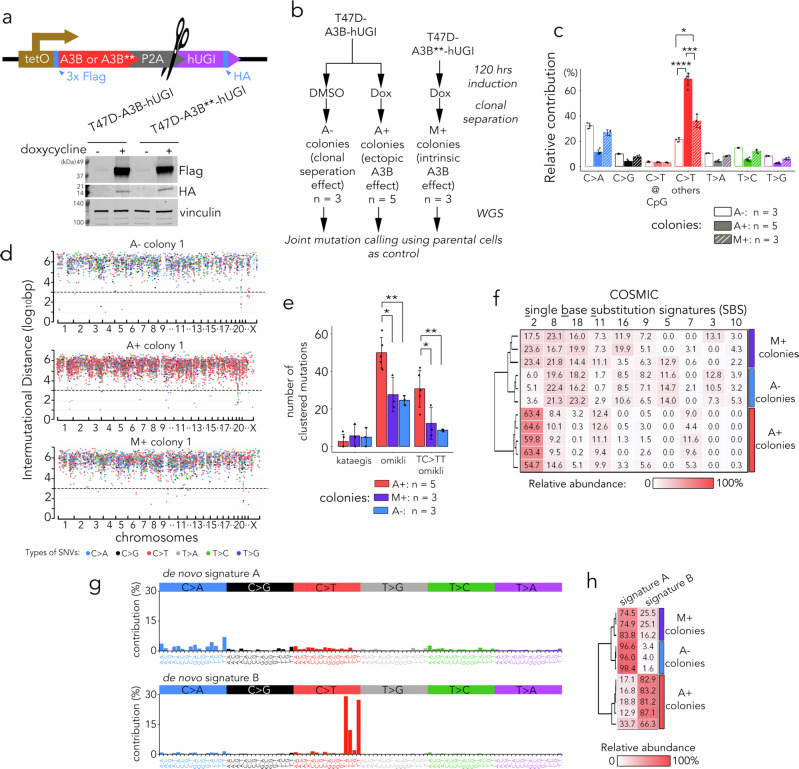 Figure 1
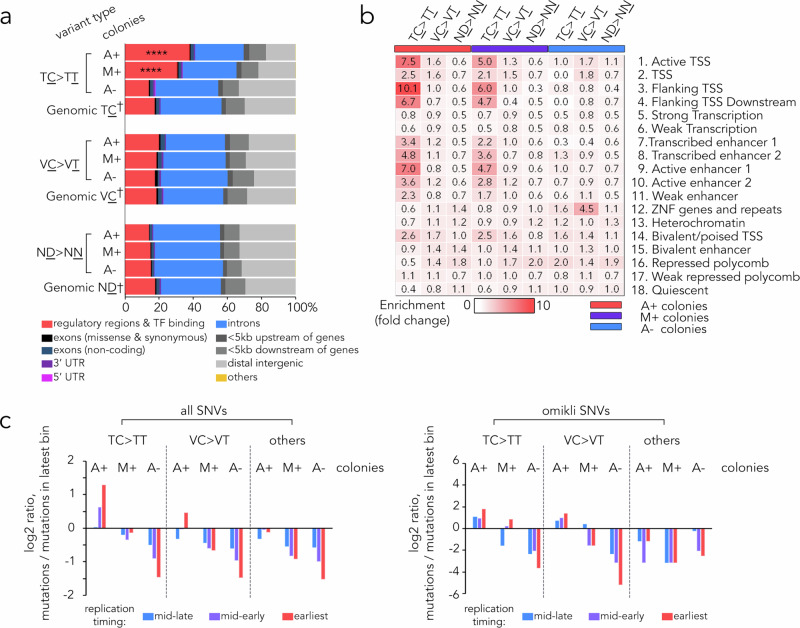 Figure 2
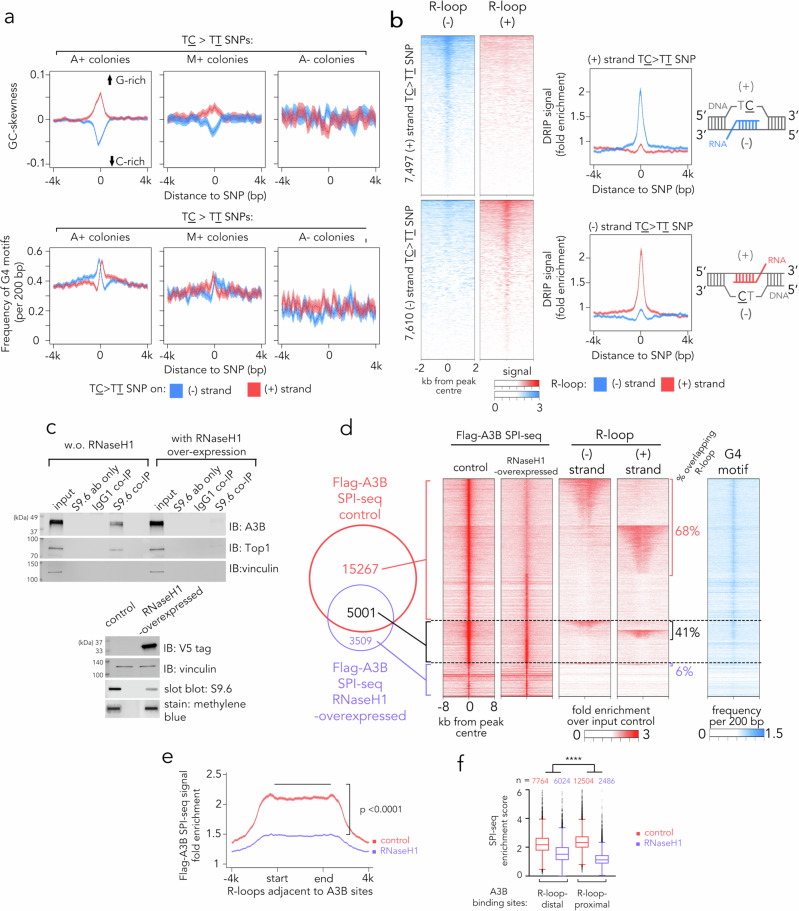 Figure 3
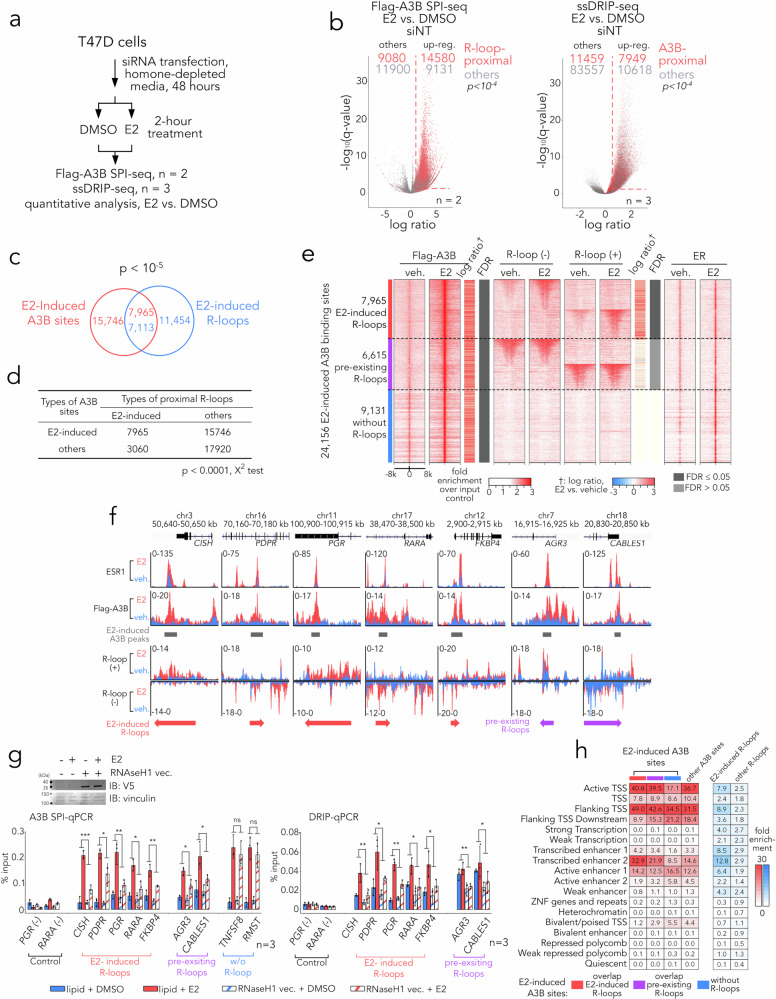 Figure 4
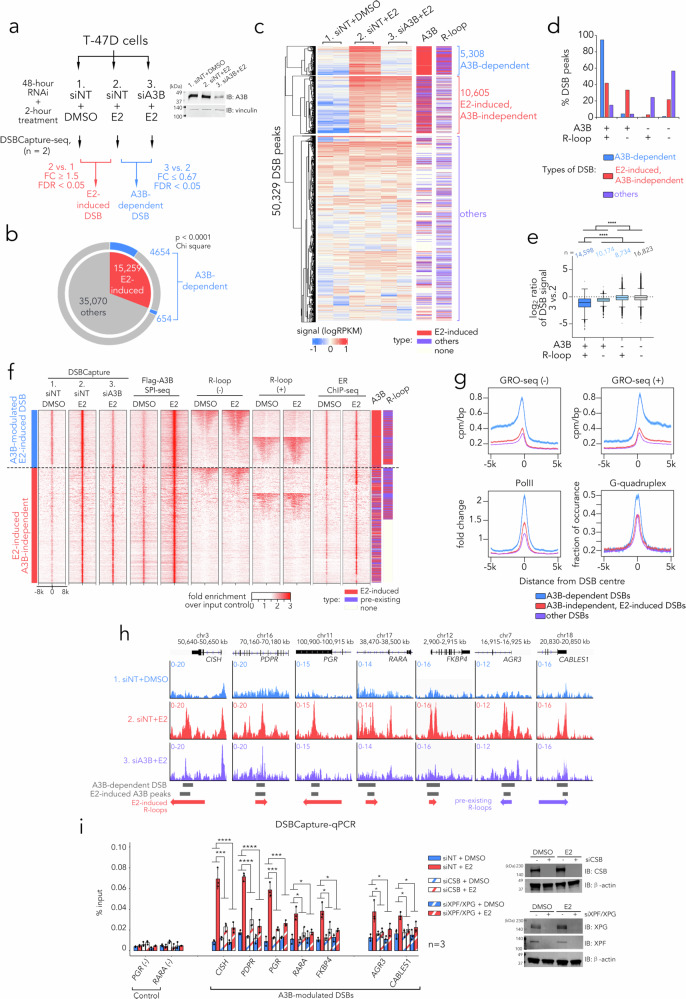 Figure 5
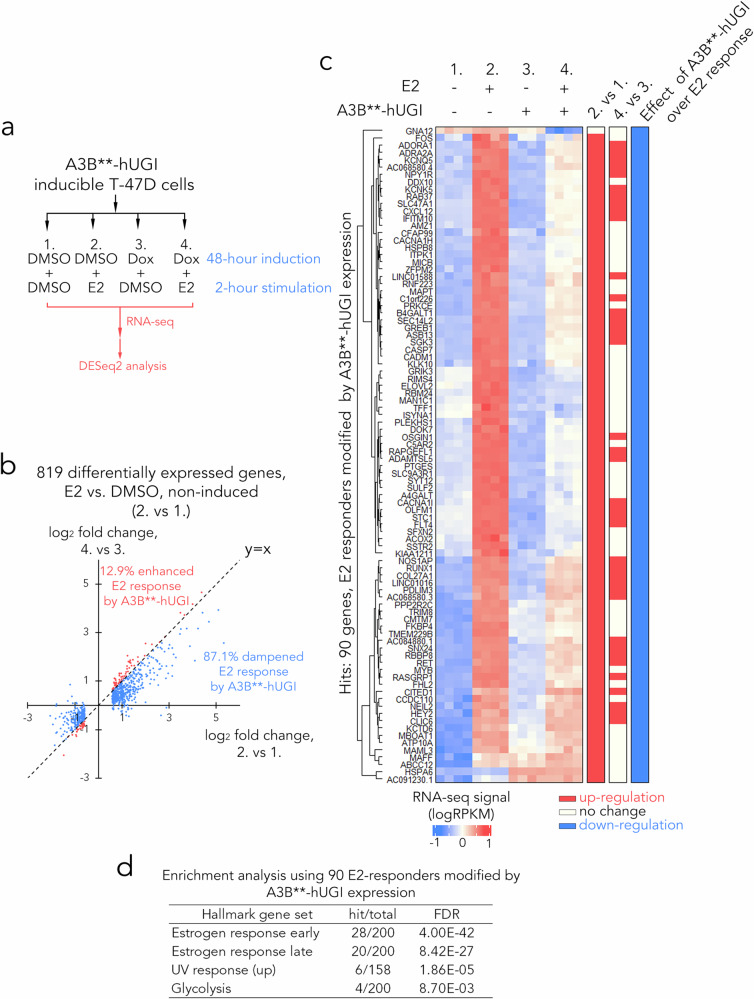 Figure 6
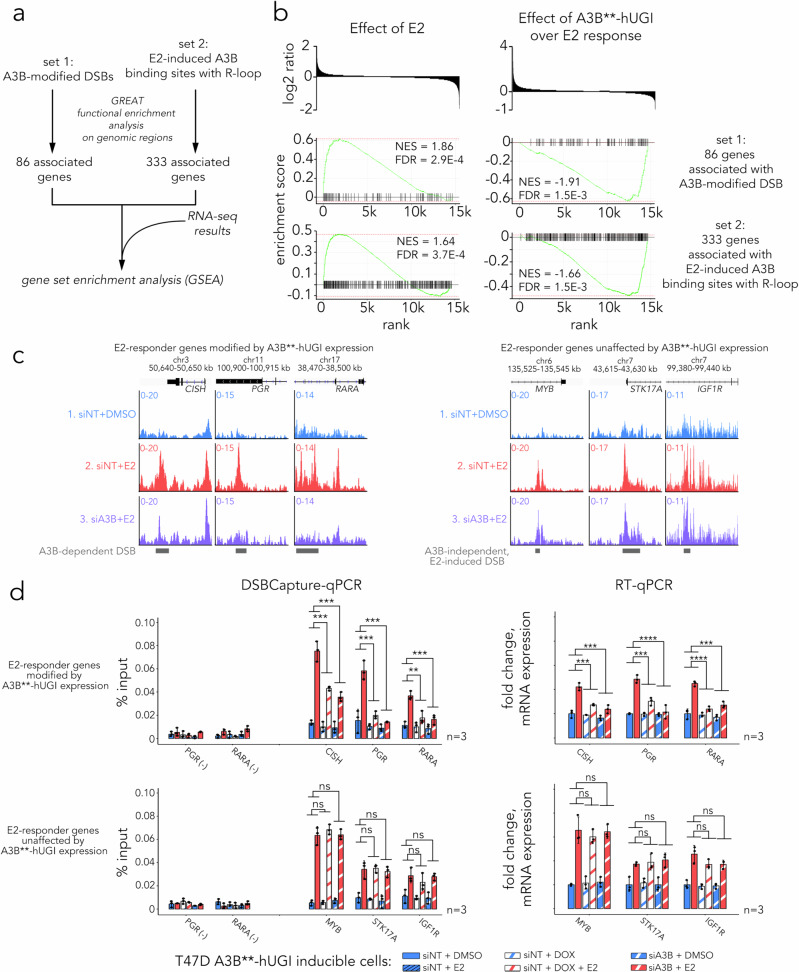 Figure 7
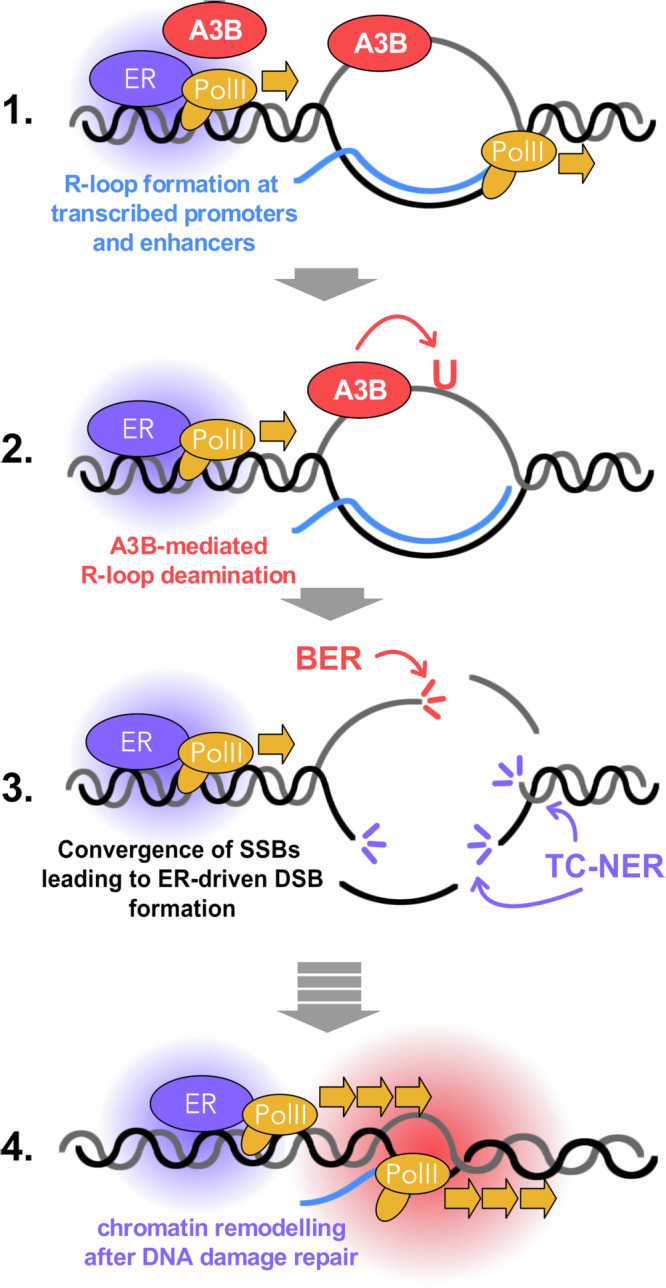 Figure 8
Peer Reviews
No public reviews on file for this paper yet. If you reviewed it on a platform where reviews are public (OpenReview, ICLR, NeurIPS, ICML), you can paste yours below so the community can read it here.
Videos
No videos yet. Explain this paper in a talk, walkthrough, or lecture? Add one.
Taxonomy
TopicsDNA Repair Mechanisms · CRISPR and Genetic Engineering · Virus-based gene therapy research