STING activation induces polarized cytokine secretion of IFN-β and IL-17A promoting photoreceptor death and choroidal disruption in age-related macular degeneration
Chao Huang, Vishnu Suresh Babu, Sridhar Bammidi, Jakob N. Arnold, Martin Ebeling, Gabriella Widmer, Pamela Strassburger, Mirjana Lazendic, Sabine Grüner, Janis Koester, Puja Dutta, Stacey Hose, Sonali Singh, Pooja Gautam, Eleonora M. Lad, Peter D. Westenskow, Oksana Kutsyr

TL;DR
The STING pathway contributes to AMD by triggering harmful inflammation and cell death in the retina, offering a new therapeutic target.
Contribution
The study identifies STING as a master regulator of multiple AMD pathologies through spatially organized inflammation.
Findings
STING activation leads to polarized cytokine secretion, causing photoreceptor death and choroidal disruption.
Pharmacological and genetic inhibition of STING rescues AMD-like pathologies in mouse models.
STING exhibits biphasic functionality, offering cytoprotection in healthy tissue but driving inflammation in AMD.
Abstract
Age-related macular degeneration (AMD) represents one of the therapeutic challenges of aging eye diseases. Our investigation reveals the stimulator of interferon genes (STING) pathway as an orchestrator of immune-mediated retinal degeneration, exhibiting biphasic, stage-dependent functionality—providing cytoprotection in healthy tissue but driving pathogenic inflammation during early AMD progression. Through immunohistochemical analysis of human eyes, we demonstrate stage-dependent cytoplasmic STING upregulation with parallel IFN-β activation. Using patient-derived induced pluripotent stem cells-retinal pigment epithelium (iPSC-RPE) from AMD siblings, we discovered polarized cytokine secretion: apical IFN-β triggers photoreceptor apoptosis in human retinal organoids, while basal IL-17A compromises choroidal neovascularization. The Cryba1 conditional knockout (cKO) AMD-like mouse model…
Genes, proteins, chemicals, diseases, species, mutations and cell lines named across the full text — each resolved to its canonical identifier and authoritative record.
Click any figure to enlarge with its caption.
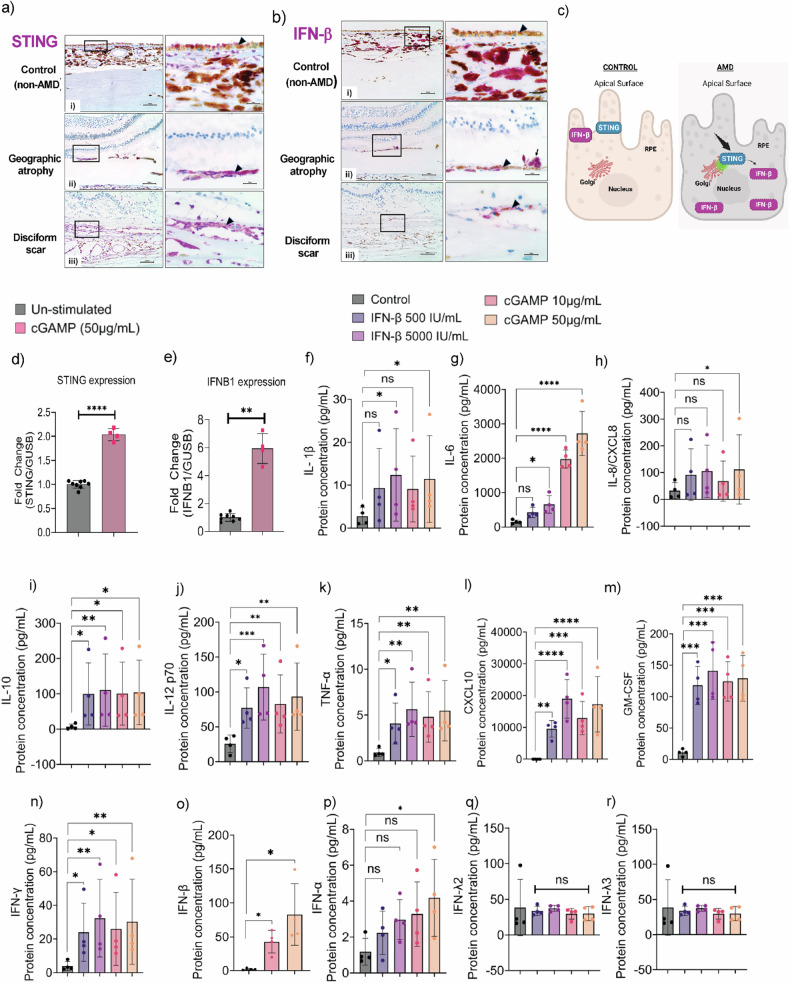 Figure 1
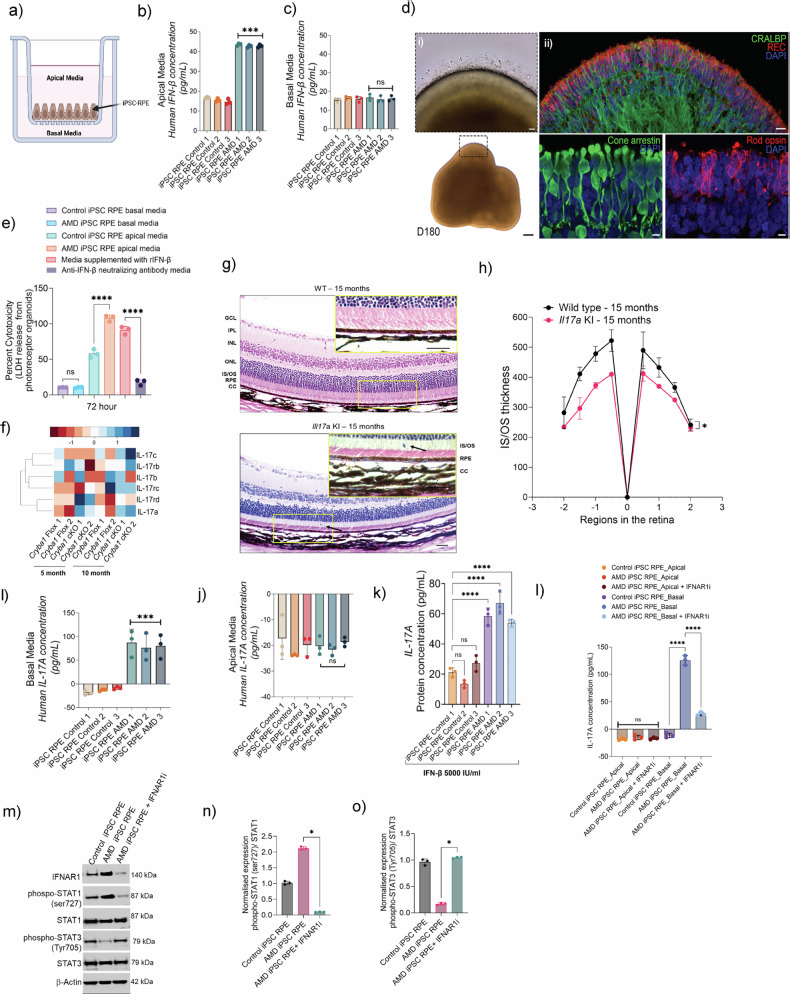 Figure 2
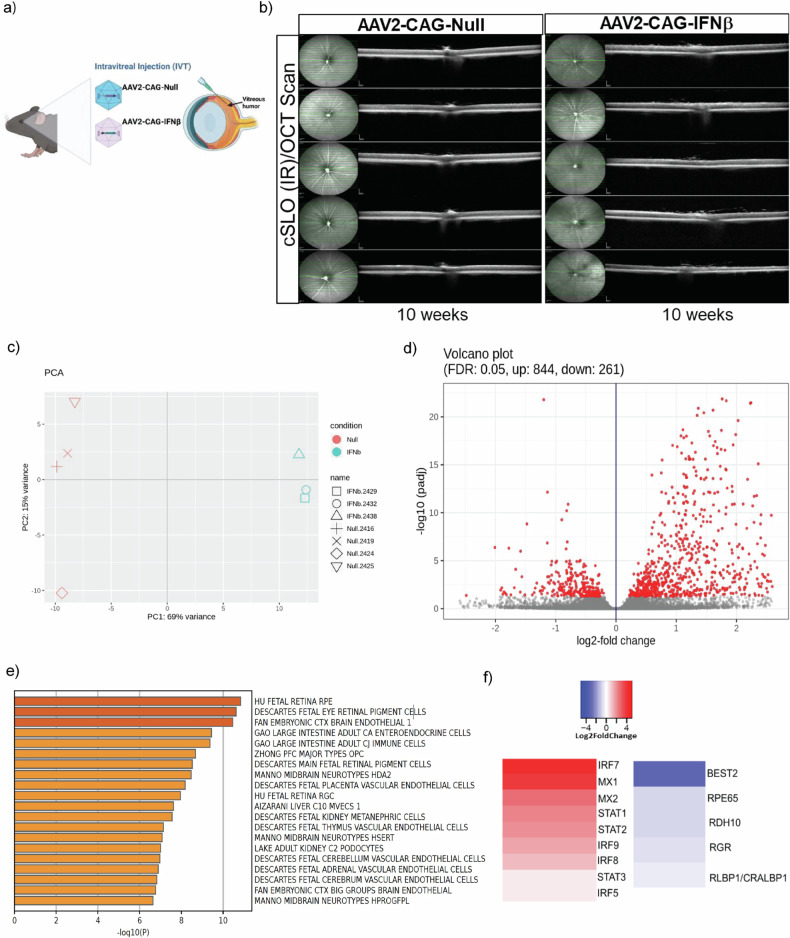 Figure 3
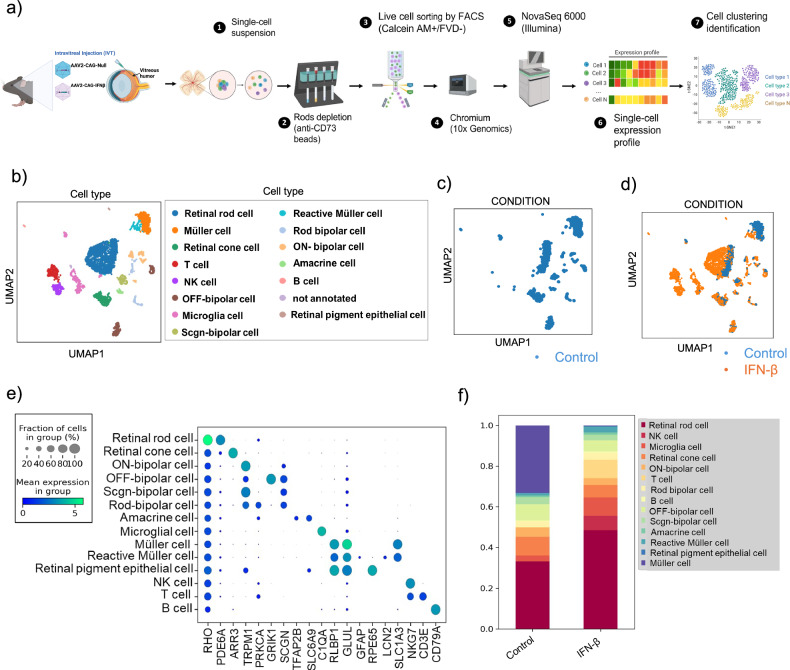 Figure 4
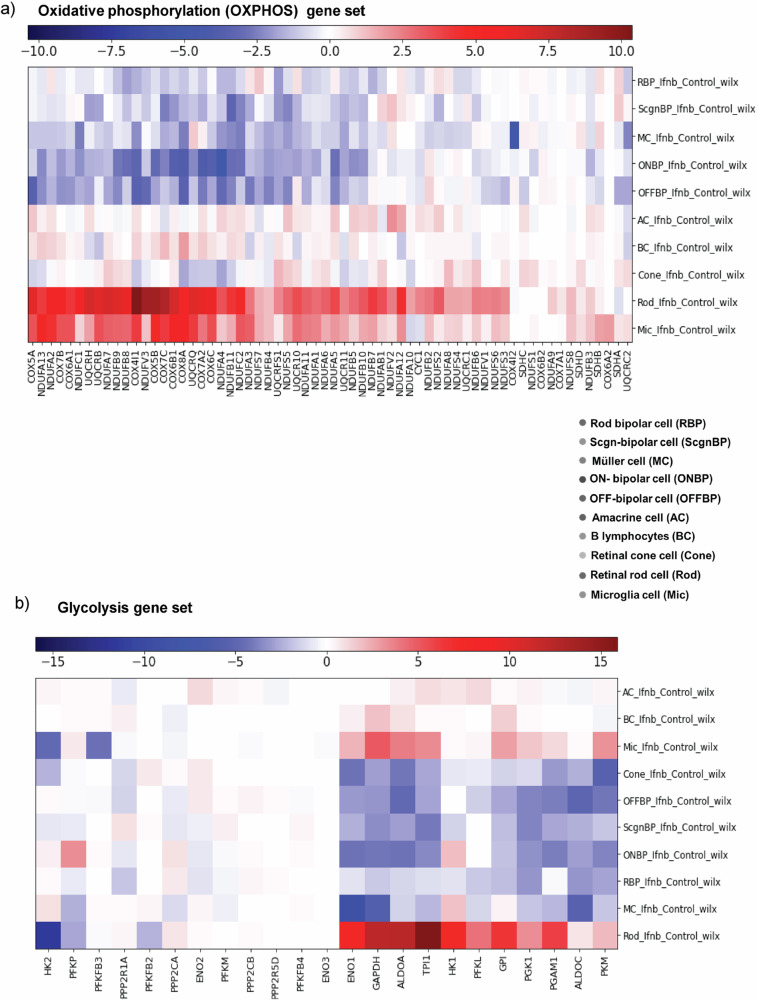 Figure 5
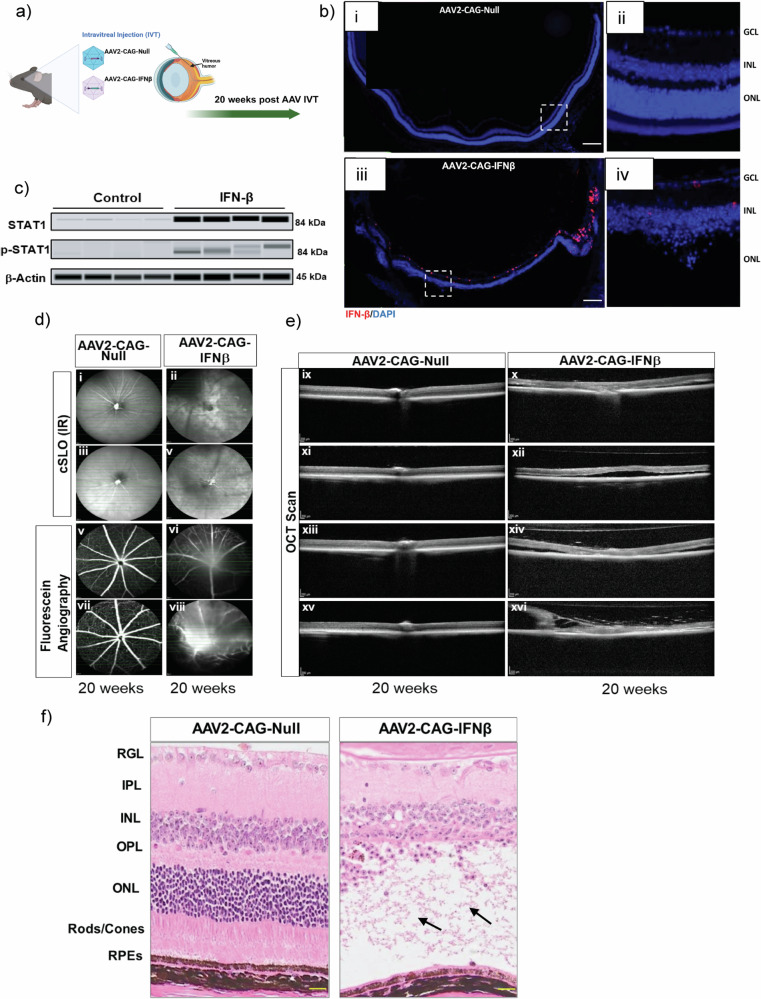 Figure 6
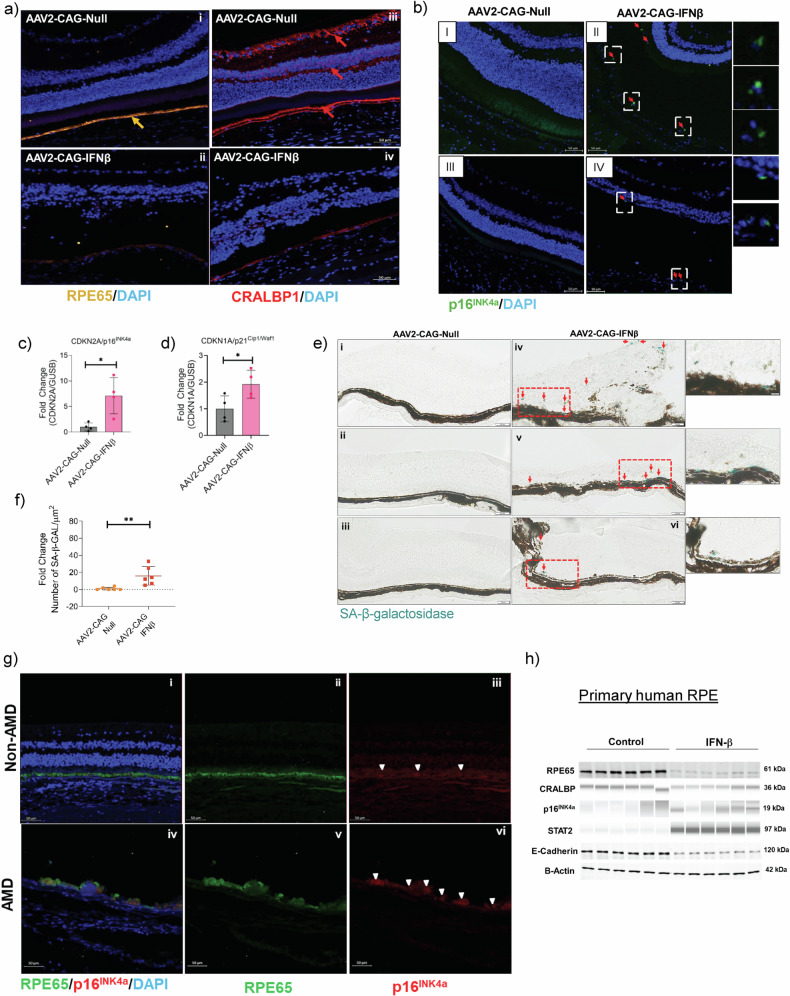 Figure 7
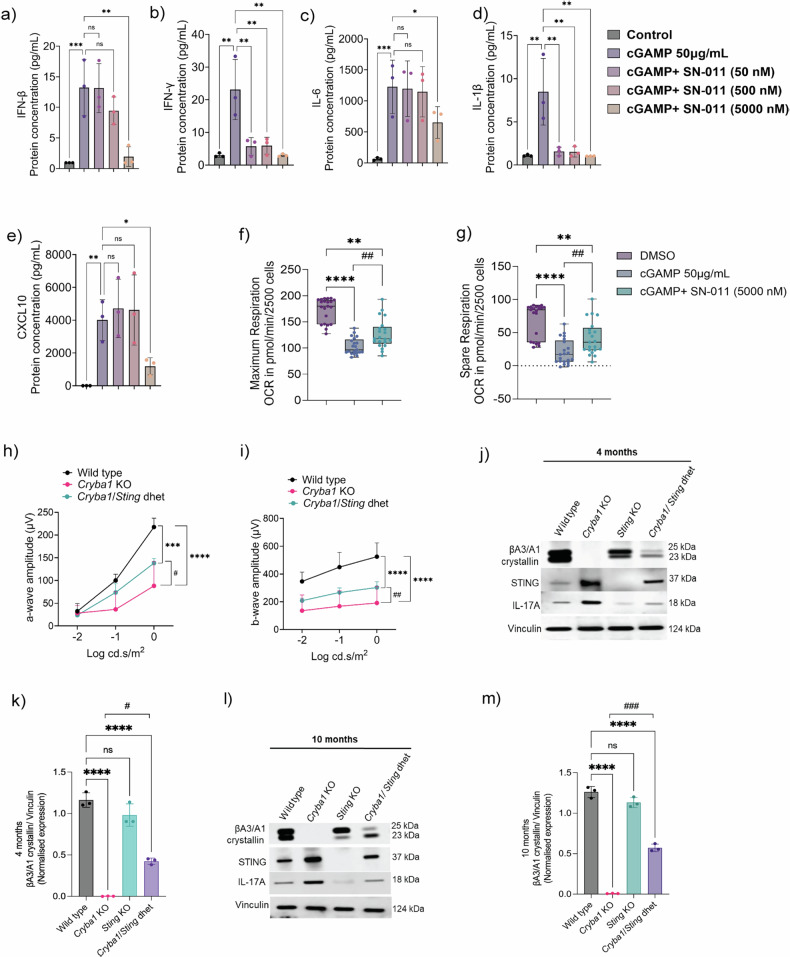 Figure 8
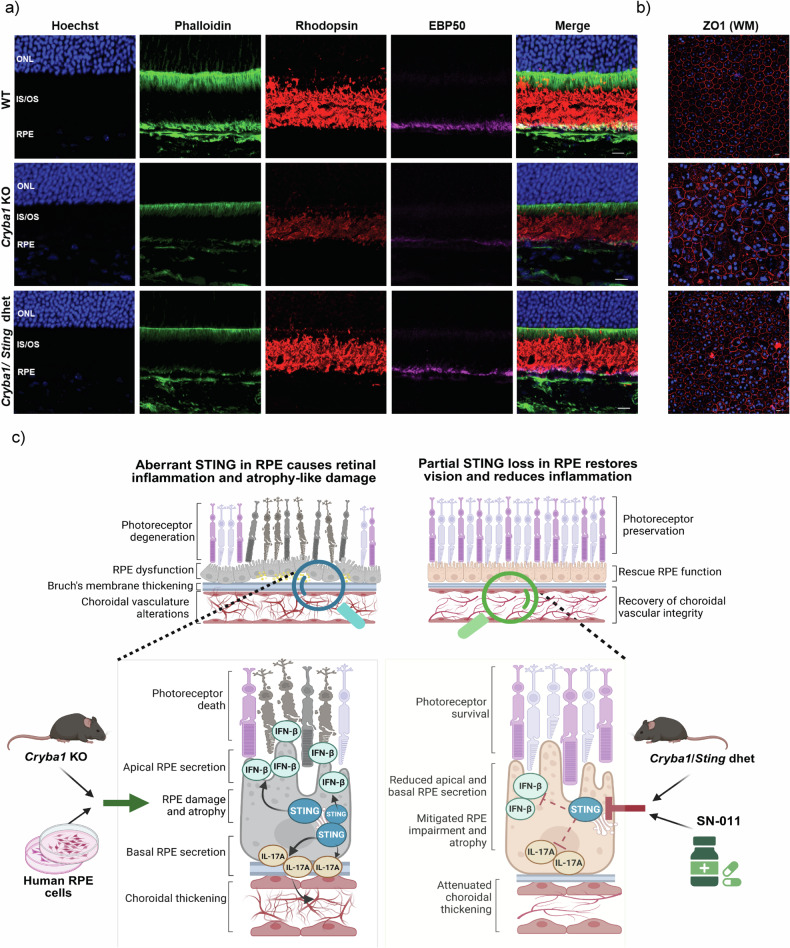 Figure 9
Peer Reviews
No public reviews on file for this paper yet. If you reviewed it on a platform where reviews are public (OpenReview, ICLR, NeurIPS, ICML), you can paste yours below so the community can read it here.
Videos
No videos yet. Explain this paper in a talk, walkthrough, or lecture? Add one.
Taxonomy
Topicsinterferon and immune responses · Ocular Diseases and Behçet’s Syndrome · Retinal Diseases and Treatments