H3K9me2 is a determinant for the mitosis-to-meiosis transition in female germ cells
Yanting Hu, Heyang Zhou, Lining Shi, Ke Liu, Xiangyue Meng, Xinru Guo, Liying Shan, Futeng Hu, Yongbin Liu, Teng Zhang, Yang Zhou

TL;DR
This study shows that H3K9me2, a chromatin marker, is essential for female germ cells to transition from mitosis to meiosis in mice.
Contribution
The study identifies H3K9me2 as a key regulator of the mitosis-to-meiosis transition in female germ cells, acting upstream of Stra8 and Dazl.
Findings
H3K9me2 levels are high during the meiosis entry period in female germ cells.
Reduced H3K9me2 levels impair the transition from pluripotency to meiosis.
H3K9me2 is enriched at the promoter of SOX2 and chromatin remodeling complex genes.
Abstract
The transition from mitosis to meiosis is crucial for determining the germ cell fate and ensuring the successive production of gametes. However, the mechanisms underlying meiotic entry within the dynamic chromatin context still remain poorly understood. Herein, we demonstrate that H3K9me2, a key marker of heterochromatin formation, plays a pivotal role in the transition from mitosis to meiosis in female germ cells of mice. We show that H3K9me2 maintains high levels in female germ cells from embryonic day 13.5 to 15.5, which closely corresponds to the timing of entry into meiosis in female mice. Interestingly, the reduction of H3K9me2 levels impairs the transition from pluripotency to meiosis in female germ cells, and the role of H3K9me2 appears to act upstream of Stra8 and Dazl. Mechanistically, the multi-omics sequencing analyses of sorted germ cells reveal that H3K9me2 is specifically…
Genes, proteins, chemicals, diseases, species, mutations and cell lines named across the full text — each resolved to its canonical identifier and authoritative record.
Click any figure to enlarge with its caption.
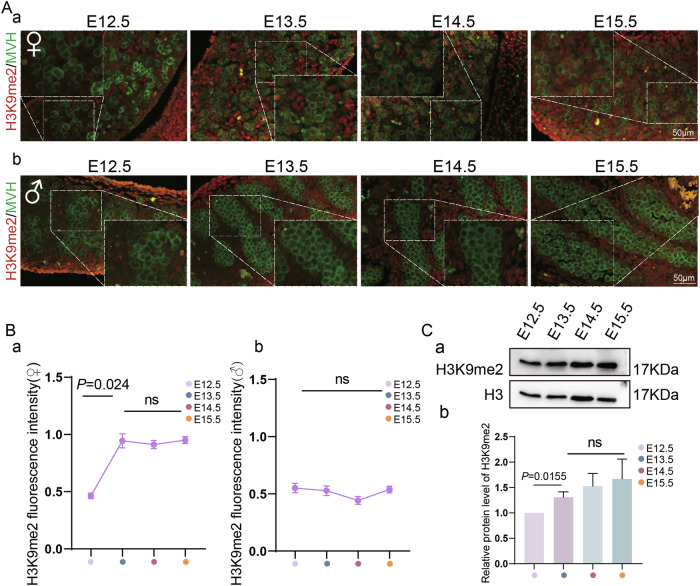 Figure 1
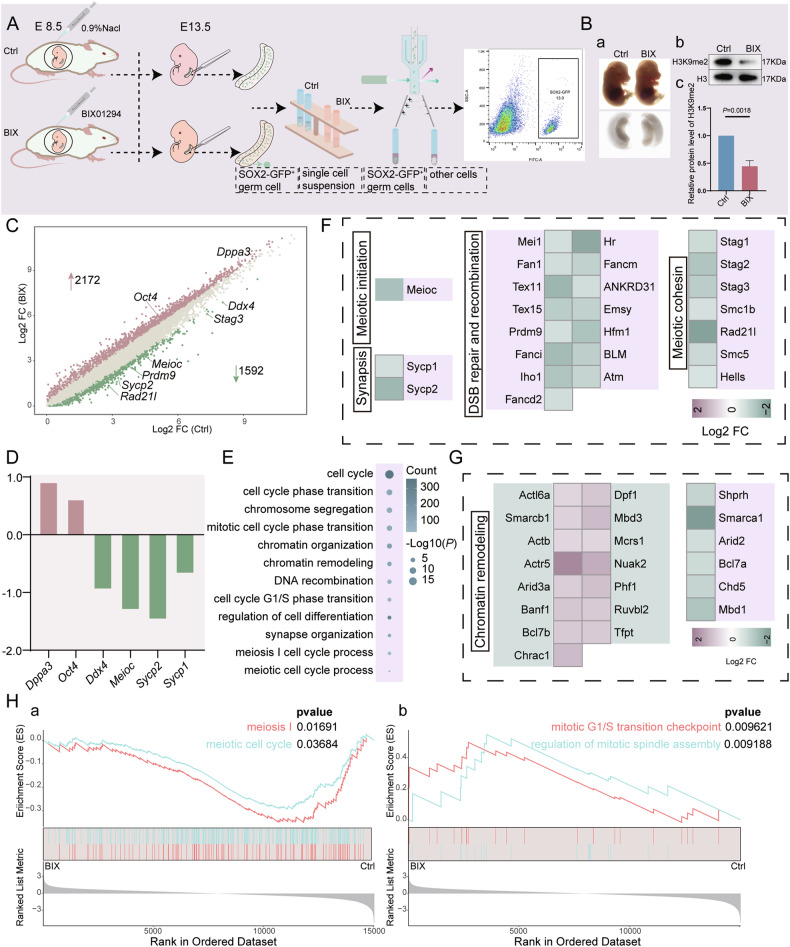 Figure 2
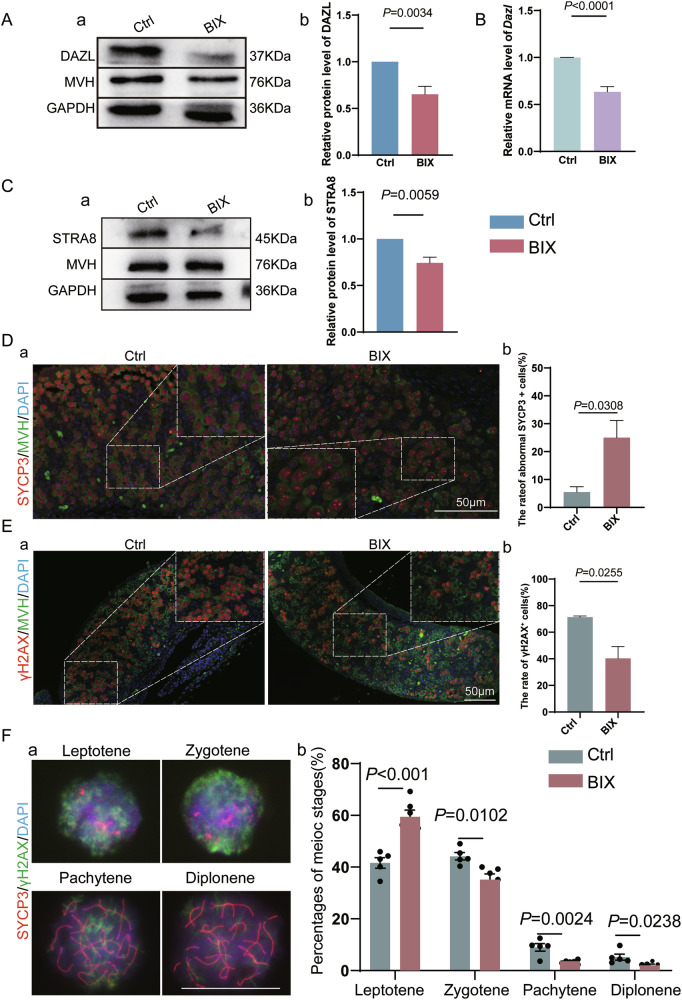 Figure 3
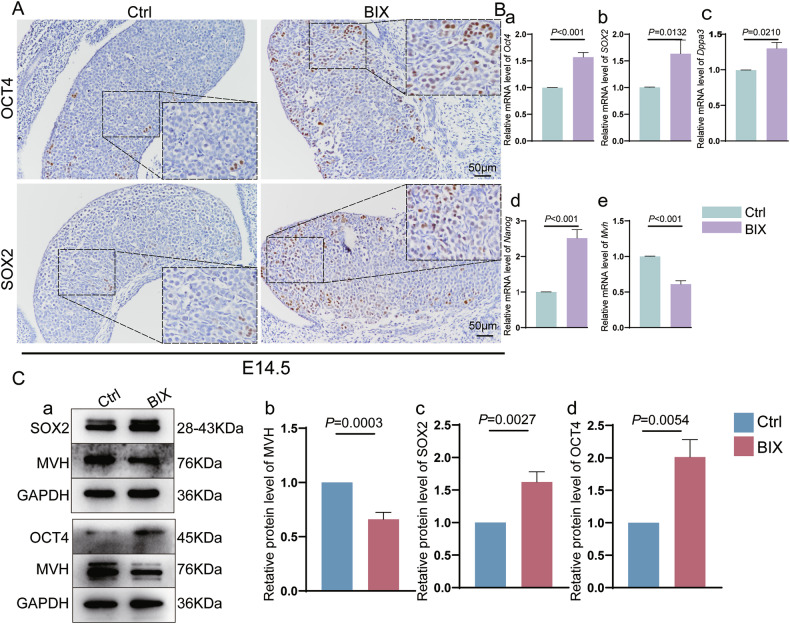 Figure 4
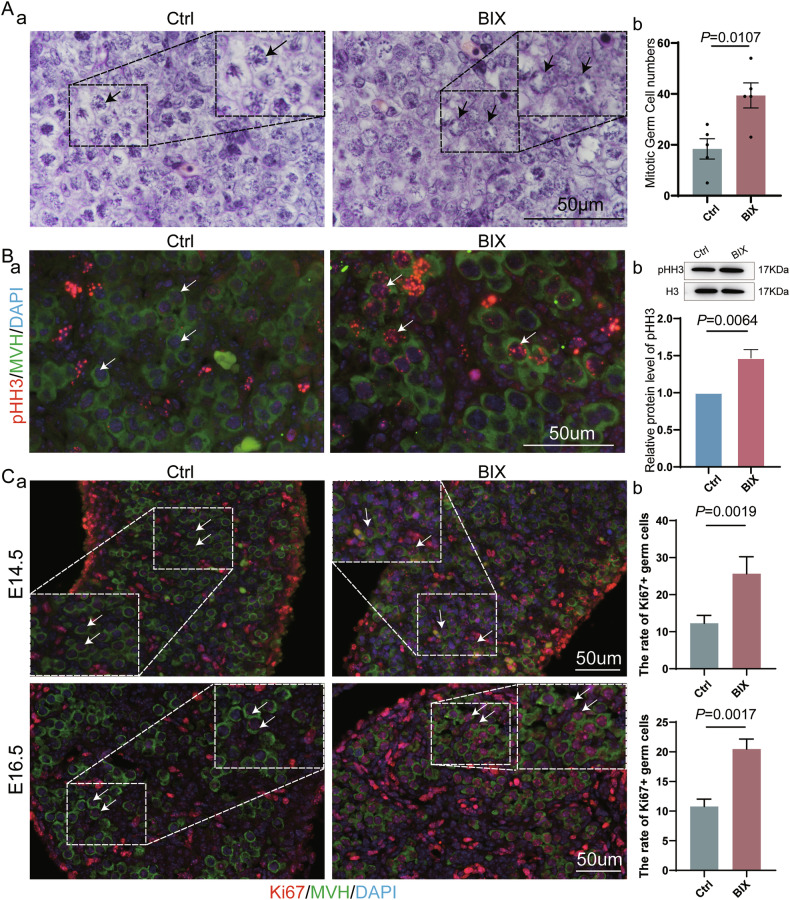 Figure 5
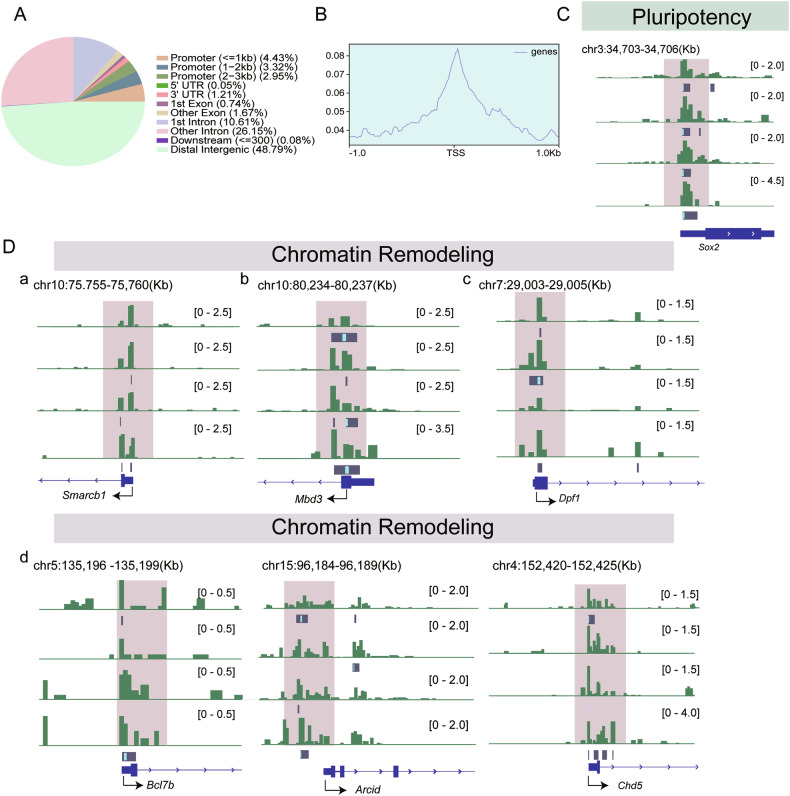 Figure 6
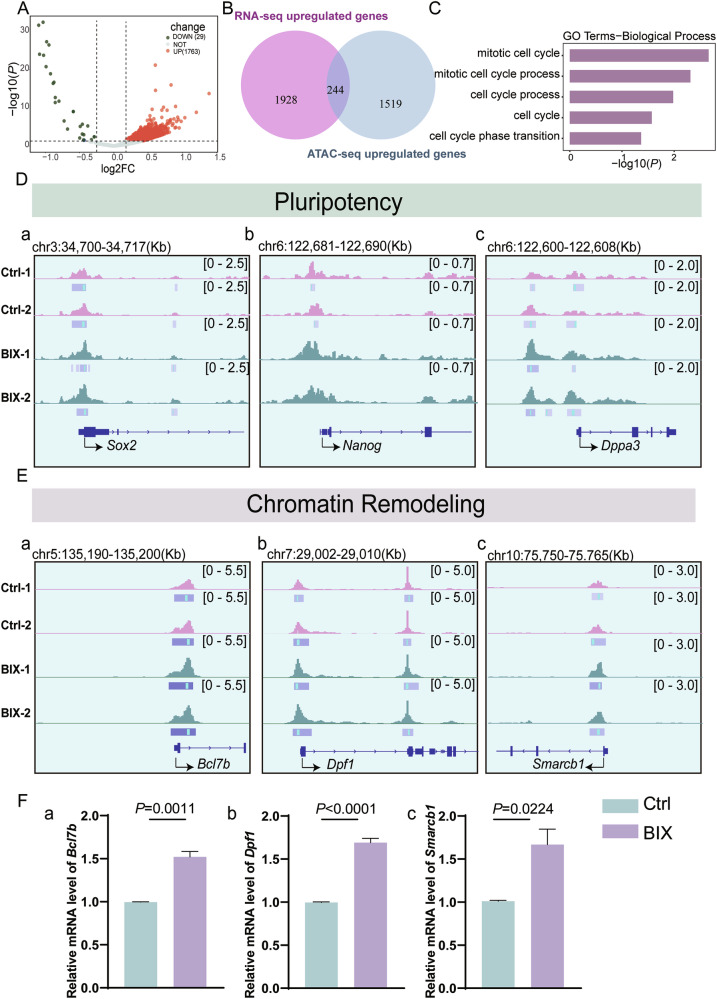 Figure 7
Peer Reviews
No public reviews on file for this paper yet. If you reviewed it on a platform where reviews are public (OpenReview, ICLR, NeurIPS, ICML), you can paste yours below so the community can read it here.
Videos
No videos yet. Explain this paper in a talk, walkthrough, or lecture? Add one.
Taxonomy
TopicsPluripotent Stem Cells Research · Reproductive Biology and Fertility · Microtubule and mitosis dynamics