Numerical and statistical analysis of aluminum deep drawing using LS-DYNA coupled with Taguchi design and response surface methodology
Eslam Shamso, Moataz Abd El Kafy, Noha Naeim

TL;DR
This study uses simulations to analyze how different parameters affect the deep drawing process of aluminum sheets.
Contribution
The novel contribution is combining Taguchi design and RSM to optimize deep drawing of aluminum with LS-DYNA simulations.
Findings
Punch velocity is the most significant factor affecting thinning and forming force in aluminum deep drawing.
Regression models developed using RSM show strong reliability and predictive accuracy.
Blank holder force has a minor impact compared to punch velocity and blank thickness.
Abstract
Deep drawing is one of the most widely used sheet metal forming processes in the manufacturing industry. This study presents a finite element-based investigation of the deep drawing process of aluminum circular blanks using LS-DYNA. The objective is to assess the influence of key process parameters on formability and failure modes during low-depth cup forming. A parametric design based on the Taguchi method was adopted, incorporating three levels for each of the following parameters: punch velocity (2, 5, 8 mm/s), blank thickness (1, 1.5, 2 mm), and blank holder force (5, 10, 15 kN). The output responses included maximum forming force, maximum thinning %, effective plastic strain, Von Mises stress, and Forming Limit Diagram (FLD) values. The simulation results were analyzed using ANOVA within Response Surface Methodology (RSM) to evaluate the statistical significance and interactions…
Genes, proteins, chemicals, diseases, species, mutations and cell lines named across the full text — each resolved to its canonical identifier and authoritative record.
Click any figure to enlarge with its caption.
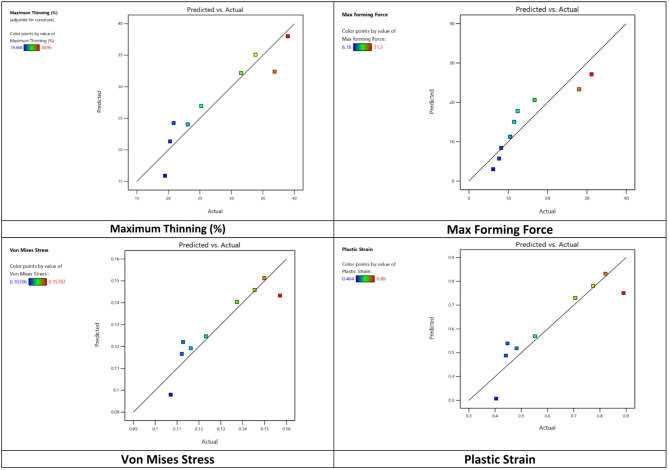 Figure 10
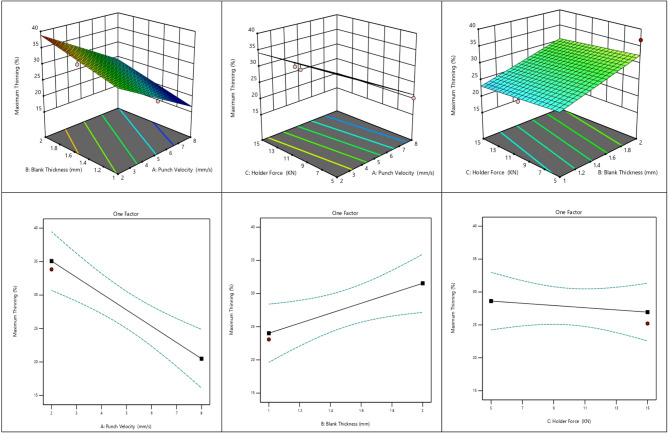 Figure 11
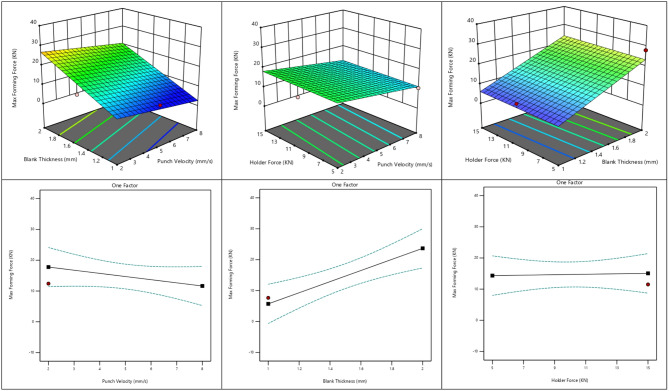 Figure 12
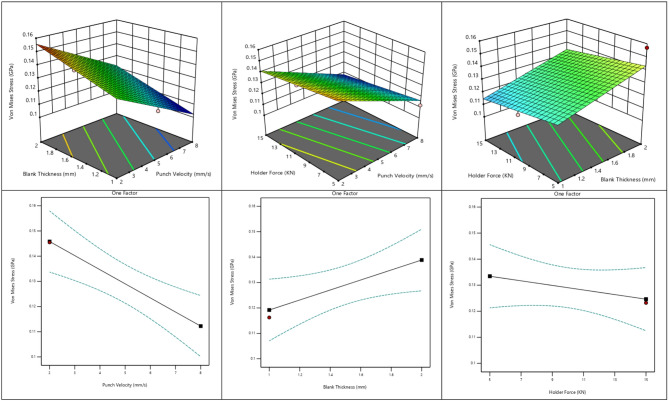 Figure 13
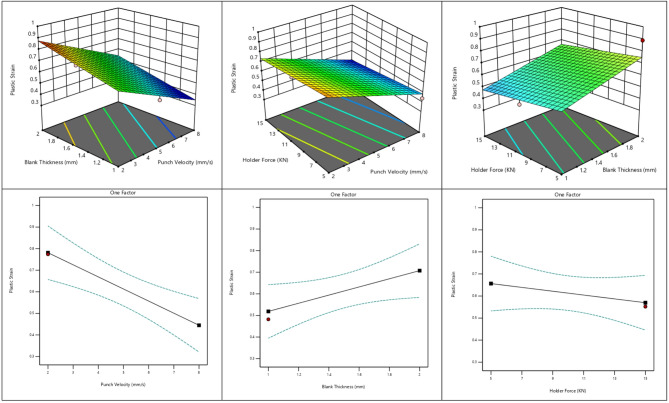 Figure 14
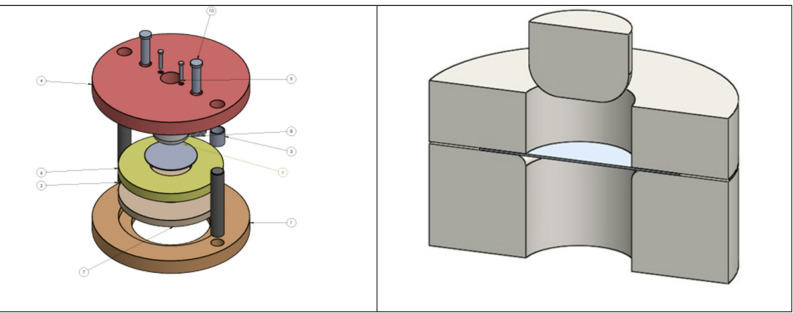 Figure 1
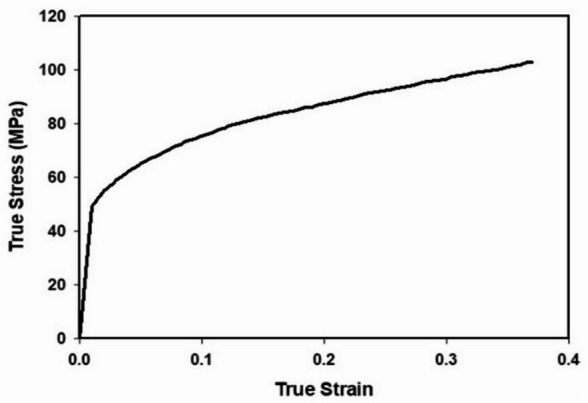 Figure 2
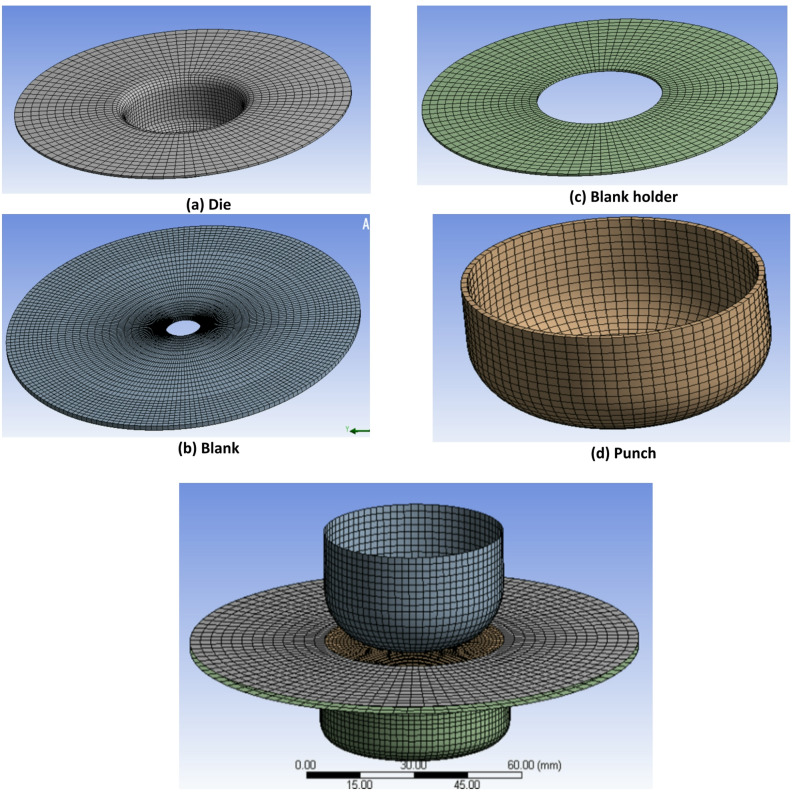 Figure 3
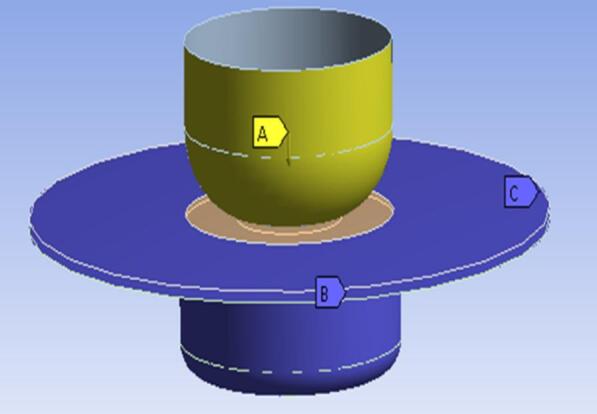 Figure 4
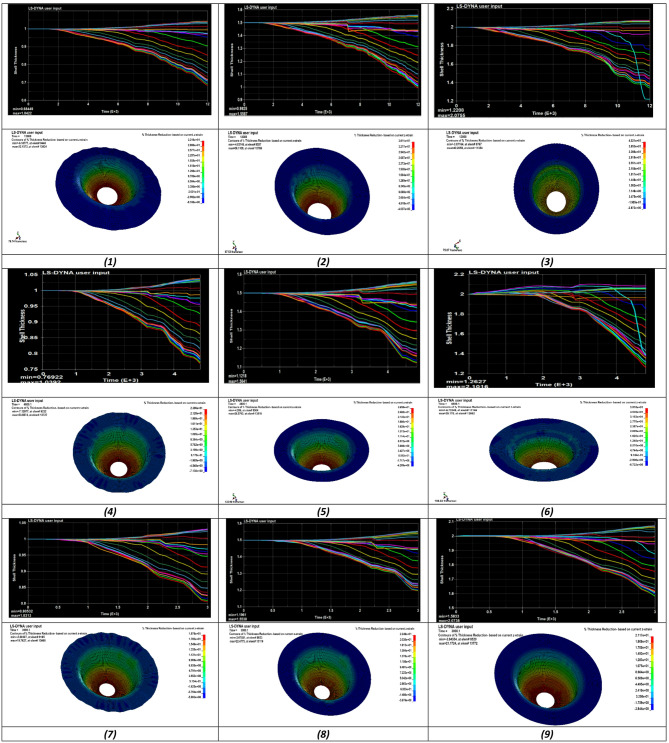 Figure 5
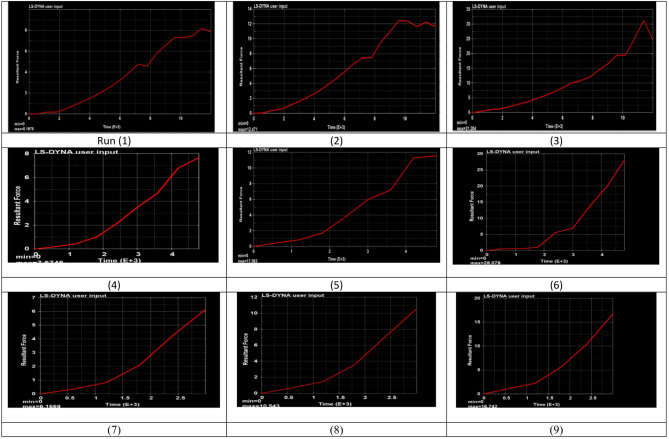 Figure 6
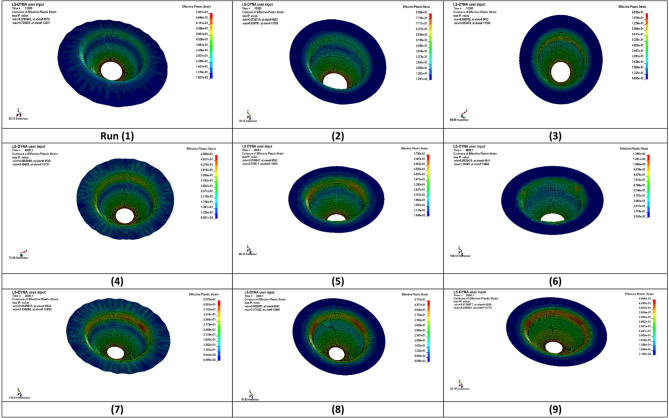 Figure 7
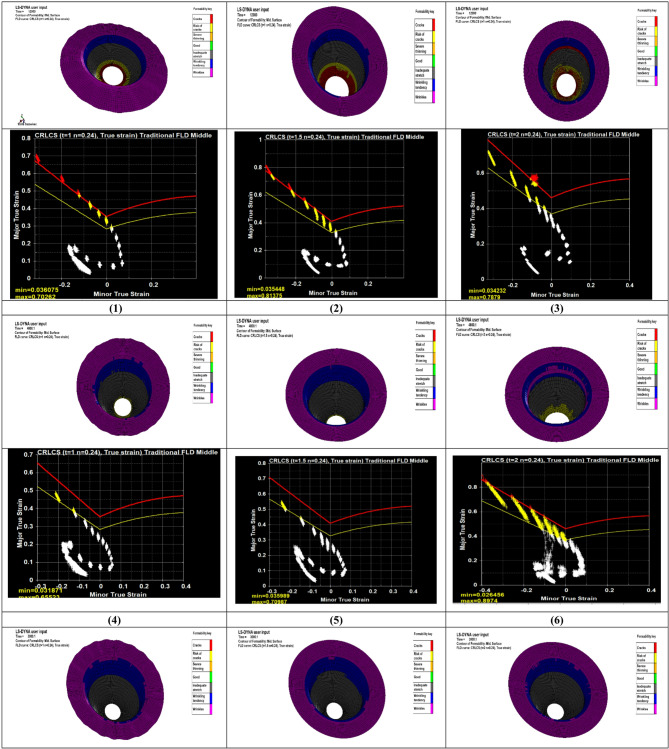 Figure 8
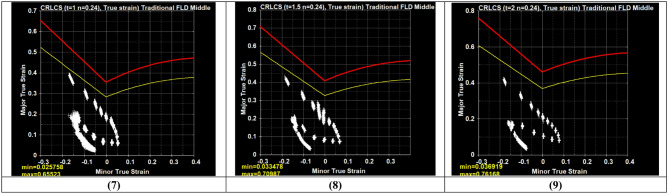 Figure 9
Peer Reviews
No public reviews on file for this paper yet. If you reviewed it on a platform where reviews are public (OpenReview, ICLR, NeurIPS, ICML), you can paste yours below so the community can read it here.
Videos
No videos yet. Explain this paper in a talk, walkthrough, or lecture? Add one.
Taxonomy
TopicsMetal Forming Simulation Techniques · Metallurgy and Material Forming · Microstructure and mechanical properties