Tumor growth inhibitory activity of the P2X7 receptor antagonist AZ10606120 in two cell lines of human glioblastoma
Michela Graziano, Silvia Bono, Michela Pizzoferrato, Chiara Ferraro, Flavia Grossi, Pierluigi Navarra, Maria Martire, Lucia Lisi

TL;DR
This study shows that blocking the P2X7 receptor with AZ10606120 reduces the growth of human glioblastoma cells, but also activates pathways that could promote tumor progression.
Contribution
The study reveals the dual effect of AZ10606120 on glioblastoma cells, inhibiting growth while activating pro-tumor signaling.
Findings
AZ10606120 significantly reduced GBM cell viability and proliferation.
AZ10606120 increased caspase-3 and p21 expression, suggesting apoptosis induction.
AZ10606120 stimulated IL-6 release and activated CREB and STAT3 pathways.
Abstract
Glioblastoma multiforme (GBM) is among the most aggressive and lethal primary brain tumors. P2X7 is a purinergic receptor overexpressed in GBM, whose activation can promote tumor growth. Two major splice variants of the P2X7 receptor, isoforms A and B, are expressed in GBM cells. In our study, both isoforms A and B were present in GBM cells, with a slight prevalence of isoform B expression in the U87MG cell line compared to the T98G cell line. In GBM cell cultures, we evaluated the effects of P2X7 receptor activation/inhibition on cell growth. Exposure of GBM cells to various concentrations of ATP did not alter cellular activity, whereas inhibition of the P2X7 receptor with the antagonist AZ10606120, but not with A740003, significantly reduced GBM cell viability and proliferation. The U87MG cell line, which expresses the B isoform more highly, was more sensitive to the antiproliferative…
Genes, proteins, chemicals, diseases, species, mutations and cell lines named across the full text — each resolved to its canonical identifier and authoritative record.
Click any figure to enlarge with its caption.
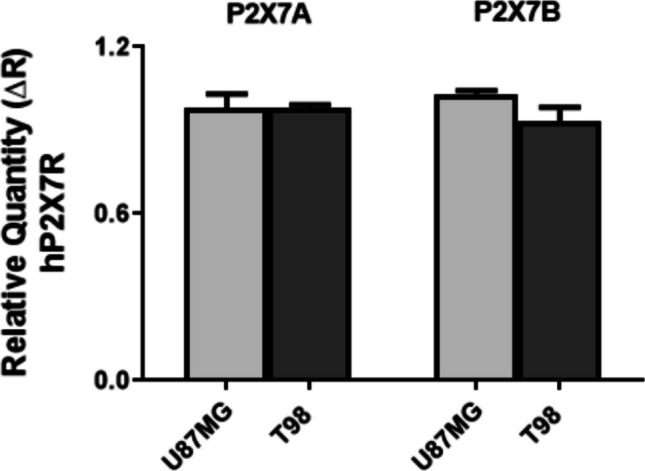 Figure 1
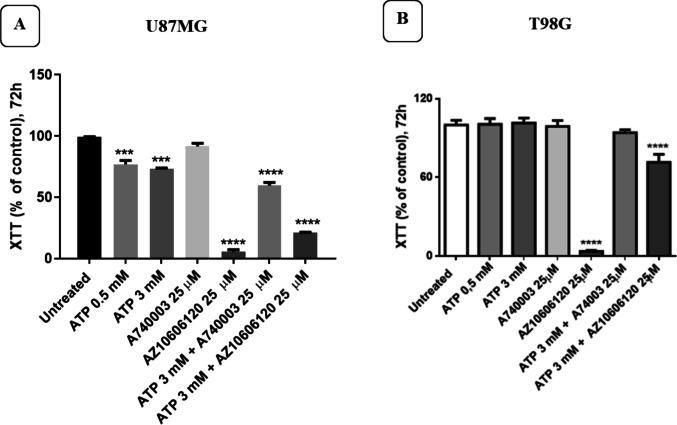 Figure 2
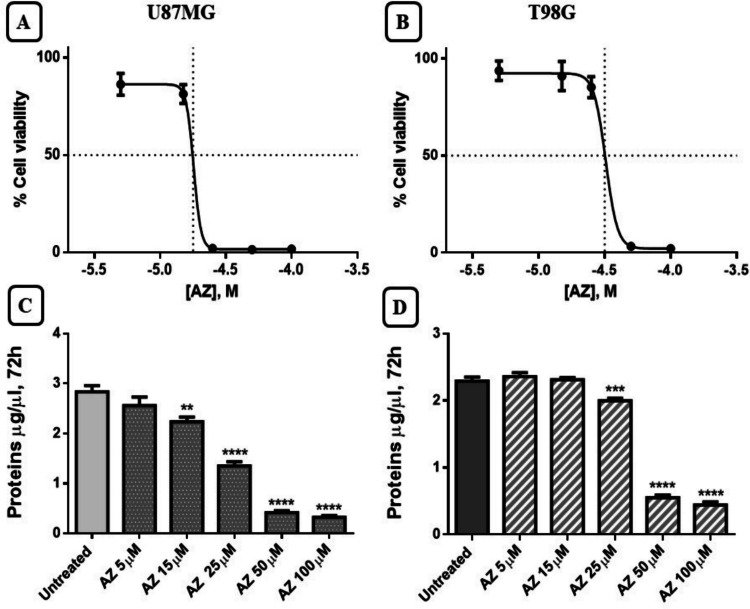 Figure 3
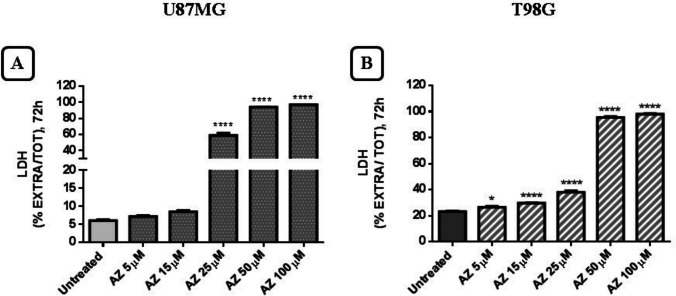 Figure 4
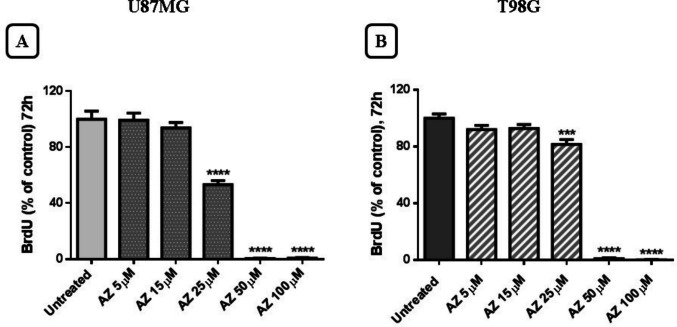 Figure 5
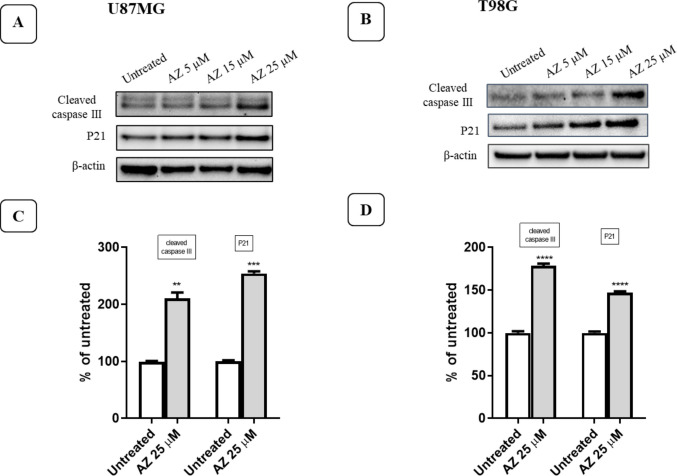 Figure 6
 Figure 7
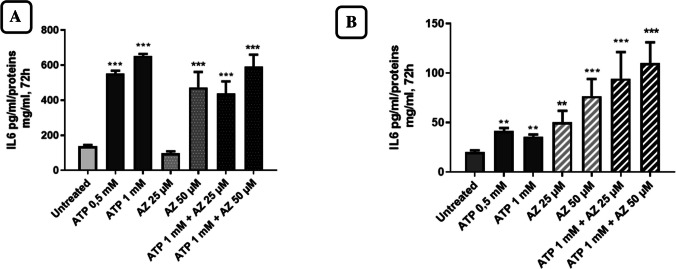 Figure 8
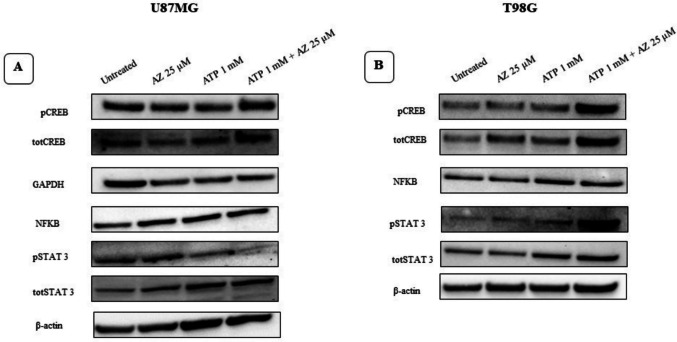 Figure 9
 Figure 10
Peer Reviews
No public reviews on file for this paper yet. If you reviewed it on a platform where reviews are public (OpenReview, ICLR, NeurIPS, ICML), you can paste yours below so the community can read it here.
Videos
No videos yet. Explain this paper in a talk, walkthrough, or lecture? Add one.
Taxonomy
TopicsAdenosine and Purinergic Signaling · Sulfur Compounds in Biology · Amino Acid Enzymes and Metabolism