Measuring hierarchical structure across hominid percussive tool-use sequences
Derry Taylor, Tina Petersen, Catherine Crockford, Roman M. Wittig

TL;DR
A new method reveals that chimpanzee tool-use behavior has hierarchical structure, offering insights into the evolution of human and animal behavior.
Contribution
Introduces a novel method for measuring hierarchical structure in behavioral sequences and demonstrates its application to hominid tool-use.
Findings
Chimpanzee percussive tool-use shows hierarchical complexity beyond markov processes.
Human percussive tool-use is more hierarchically complex than chimpanzee tool-use.
The method successfully detects hierarchical structure in natural behavioral sequences.
Abstract
Understanding the evolution of animal cognitive capacities requires us to study their full range of naturally occurring sequences of behavior. It has long been theorized that cognitive capacities are revealed through the sequential structure of natural behavior, particularly its hierarchical organization. Progress in understanding the origins of this capacity has, however, been limited by a lack of techniques for identifying and measuring hierarchical structure in behavioral sequences. To fill this methodological gap, we introduce here an analysis pipeline for measuring hierarchical structure in sequential behavior. We then establish the validity of our approach by first applying it to chimpanzee percussive tool-use (PTU) sequences and comparing it to markov-simulated control sequences. Secondly, we apply our analysis to a dataset on PTU in humans and compare the hierarchical complexity…
Genes, proteins, chemicals, diseases, species, mutations and cell lines named across the full text — each resolved to its canonical identifier and authoritative record.
Click any figure to enlarge with its caption.
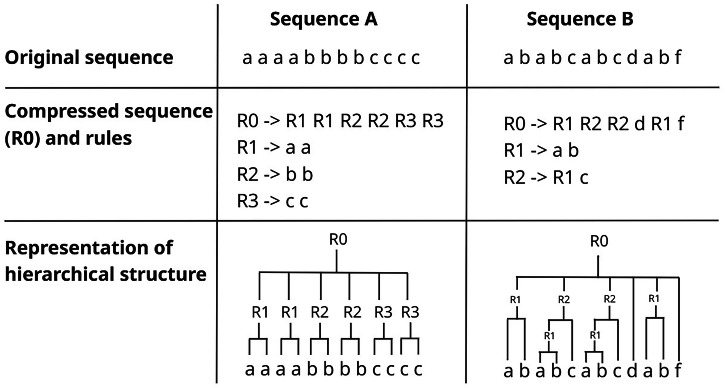 Figure 1
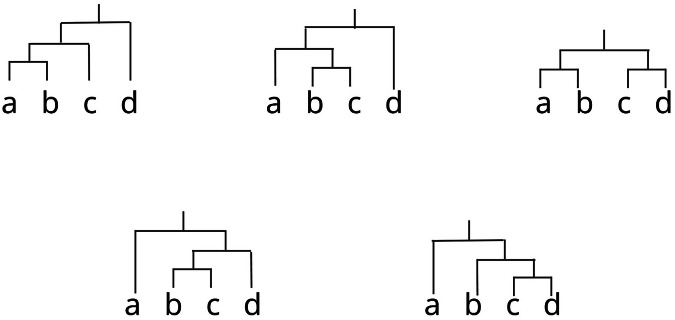 Figure 2
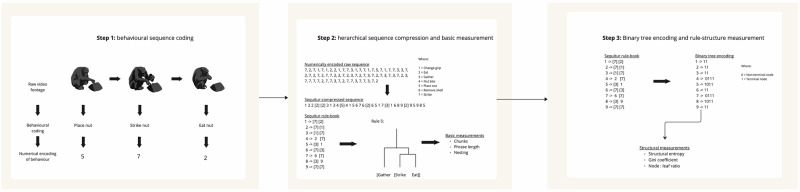 Figure 3
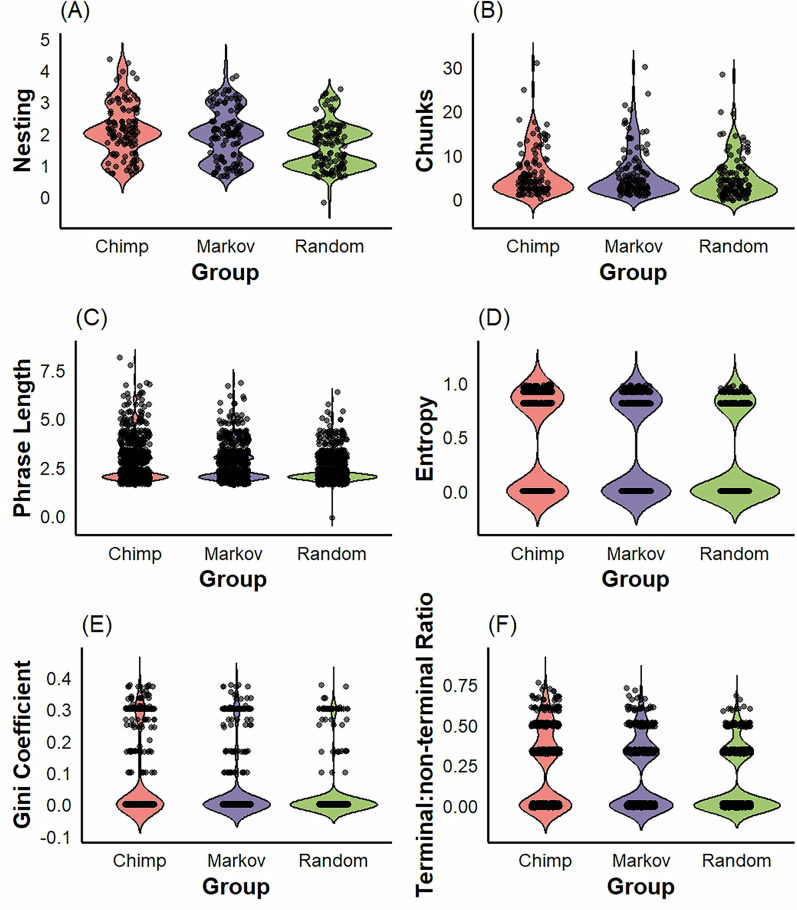 Figure 4
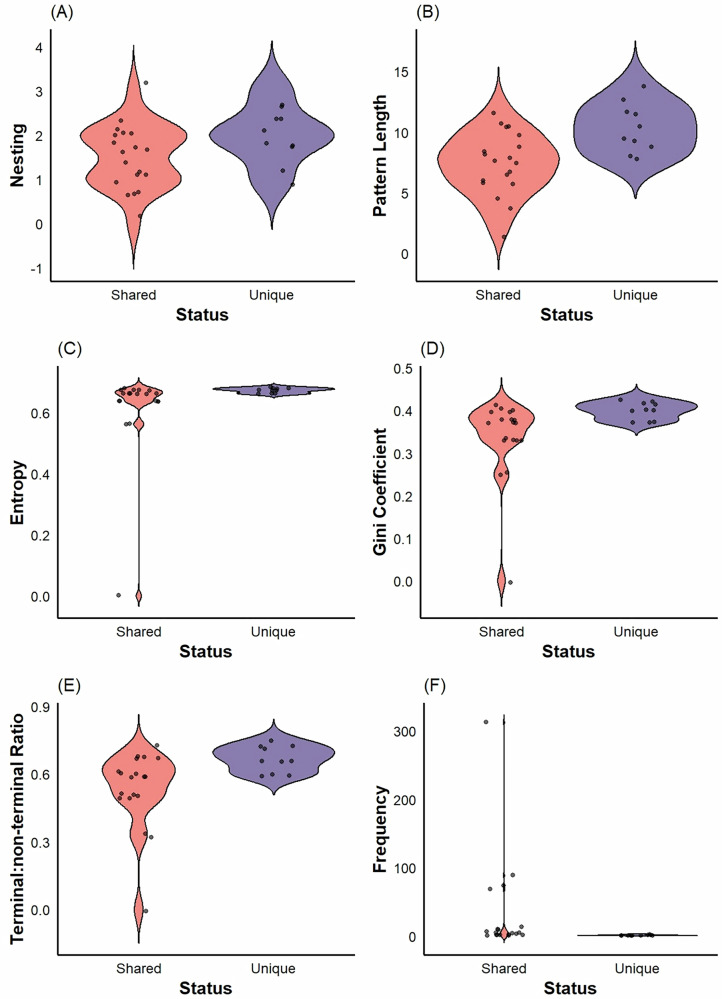 Figure 5
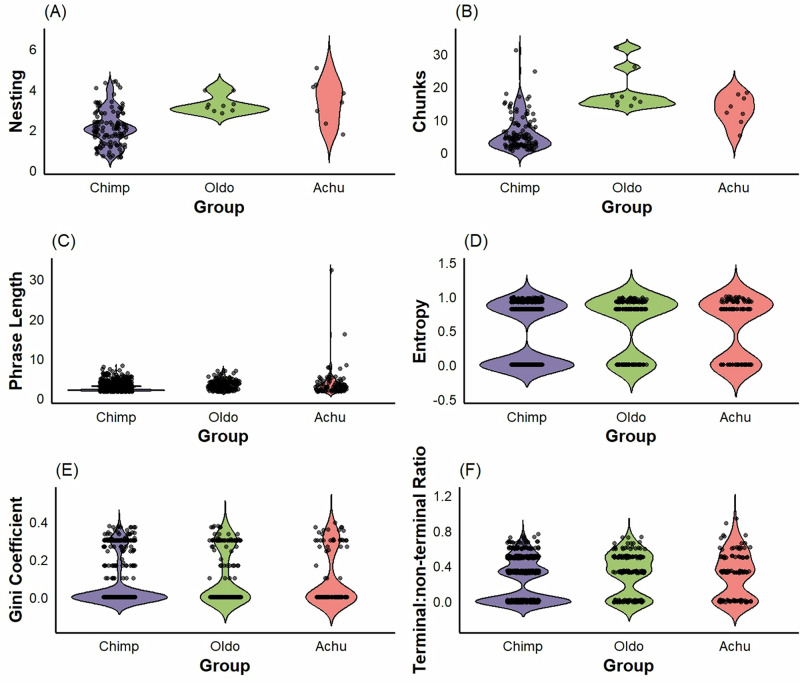 Figure 6
Peer Reviews
No public reviews on file for this paper yet. If you reviewed it on a platform where reviews are public (OpenReview, ICLR, NeurIPS, ICML), you can paste yours below so the community can read it here.
Videos
No videos yet. Explain this paper in a talk, walkthrough, or lecture? Add one.
Taxonomy
TopicsPrimate Behavior and Ecology · Action Observation and Synchronization · Zebrafish Biomedical Research Applications