Machine learning-driving optimization and spatial assembly of a cell-free system for high-yield liquiritigenin production
Fei Liu, Si-Bo Zhao, Yan-Hua Liu, Jun-Feng Li, Nuo-Qiao Lin, Meihereayi Mutailifu, Pei Xu, Jian-Zhong Liu

TL;DR
Researchers created a cell-free system using machine learning and enzyme assembly to efficiently produce the medicinal compound liquiritigenin.
Contribution
A novel cell-free system combining machine learning and spatial enzyme assembly for high-yield biosynthesis of liquiritigenin.
Findings
Optimized enzyme combinations achieved 155.32 ± 14.39 mg/L liquiritigenin production.
Spatial assembly with scaffold proteins increased yield to 439.42 ± 19.53 mg/L.
Machine learning and iterative experiments improved enzyme ratios and cofactor concentrations.
Abstract
Liquiritigenin is a medicinal flavonoid whose production is constrained by inefficient plant extraction and complex chemical synthesis. To overcome this, we developed a modular cell-free multi-enzyme system for its efficient biosynthesis from tyrosine, integrating spatial enzyme assembly with machine learning-guided optimization. Using a combined cell-free metabolic engineering (CFME) and cell-free protein synthesis-driven metabolic engineering (CFPS-ME) approach, we screened and optimized five key pathway enzymes to establish a one-pot reaction. The optimal enzyme combination (phenylalanine ammonia-lyase from Zea mays, 4-coumarate-coenzyme A ligase 4 from Arabidopsis thaliana, chalcone synthase from Glycine max, chalcone reductase from Medicago sativa, chalcone flavonone isomerase from Zea mays) was identified through systematic screening and ratio optimization. After Plackett–Burman…
Genes, proteins, chemicals, diseases, species, mutations and cell lines named across the full text — each resolved to its canonical identifier and authoritative record.
Click any figure to enlarge with its caption.
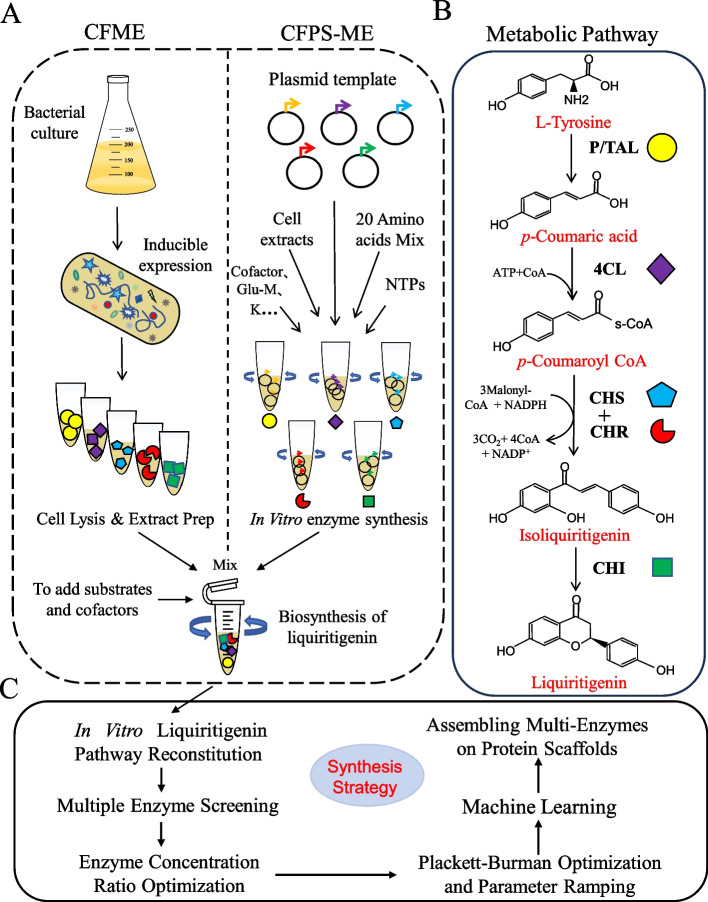 Figure 1
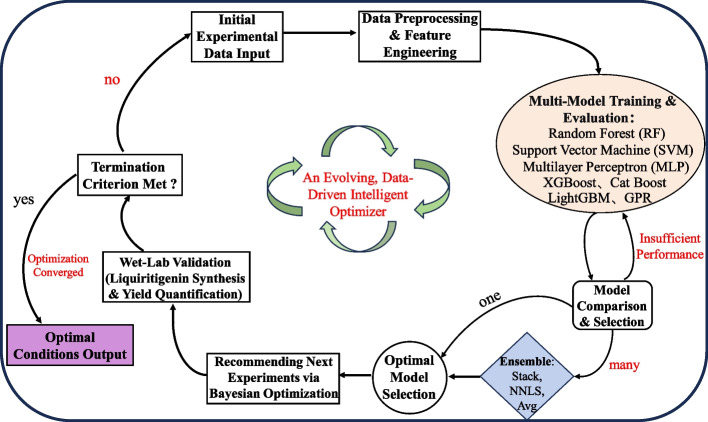 Figure 2
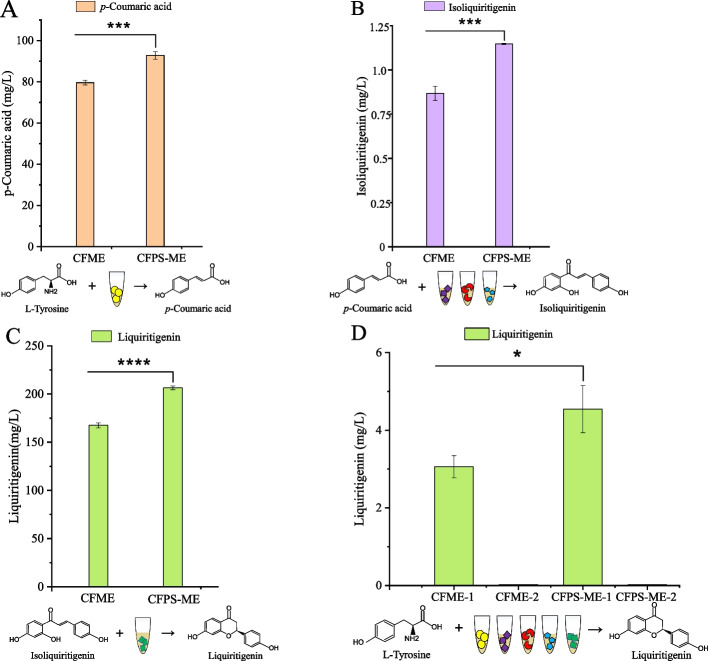 Figure 3
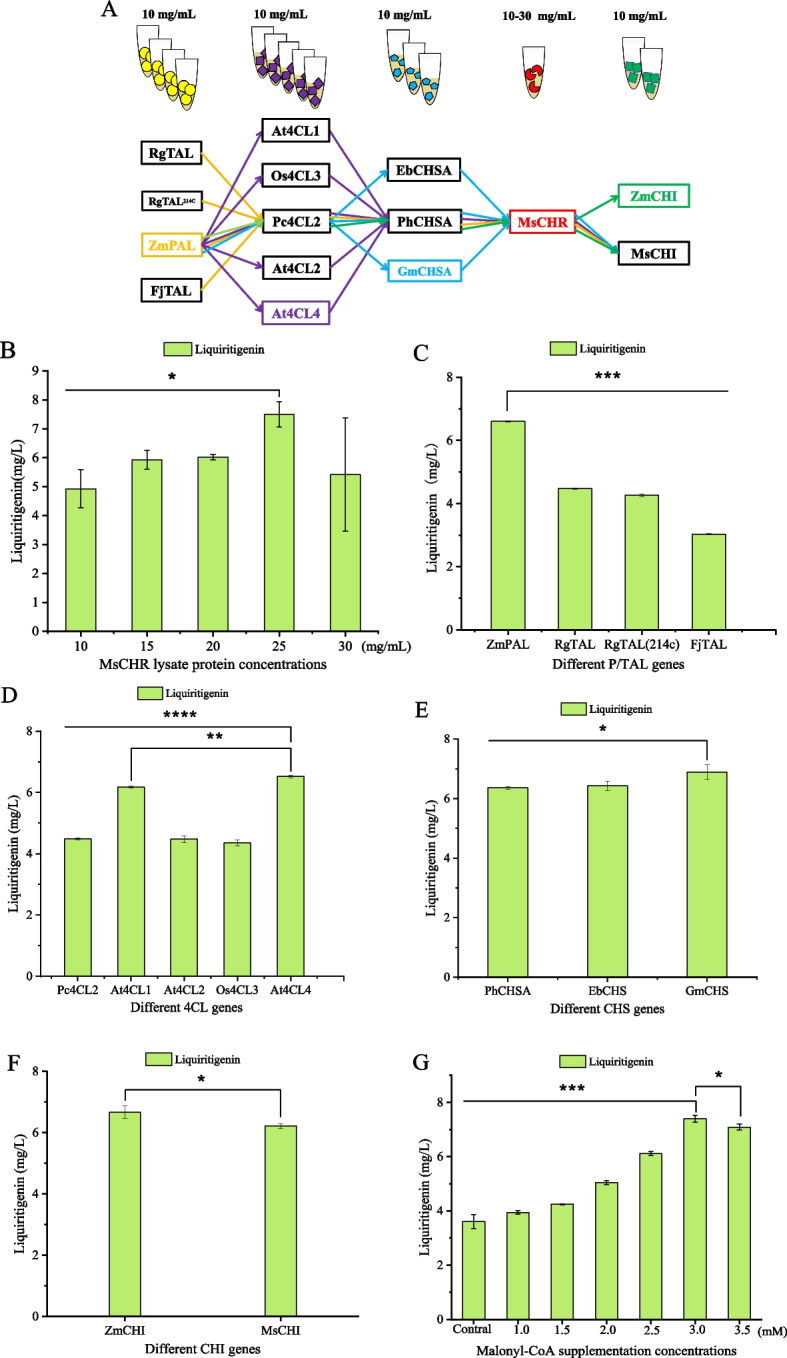 Figure 4
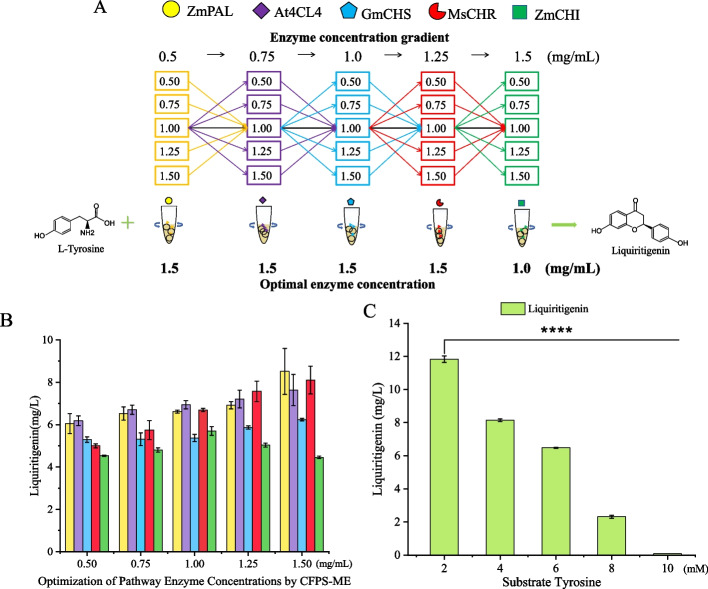 Figure 5
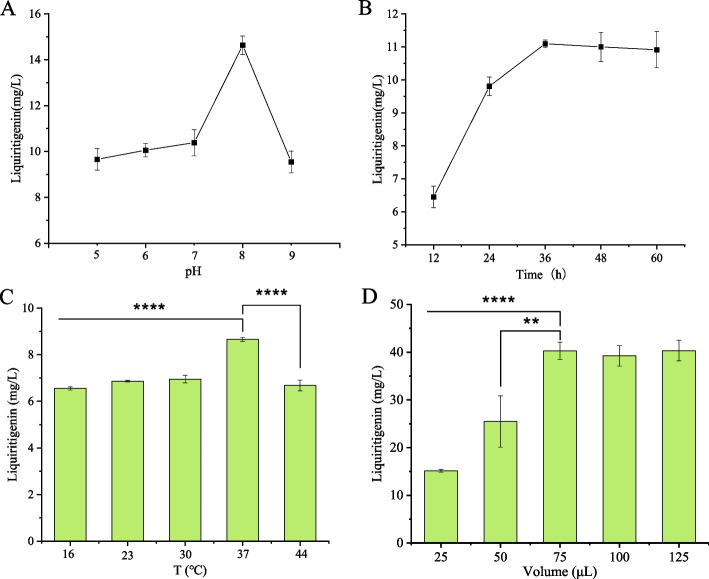 Figure 6
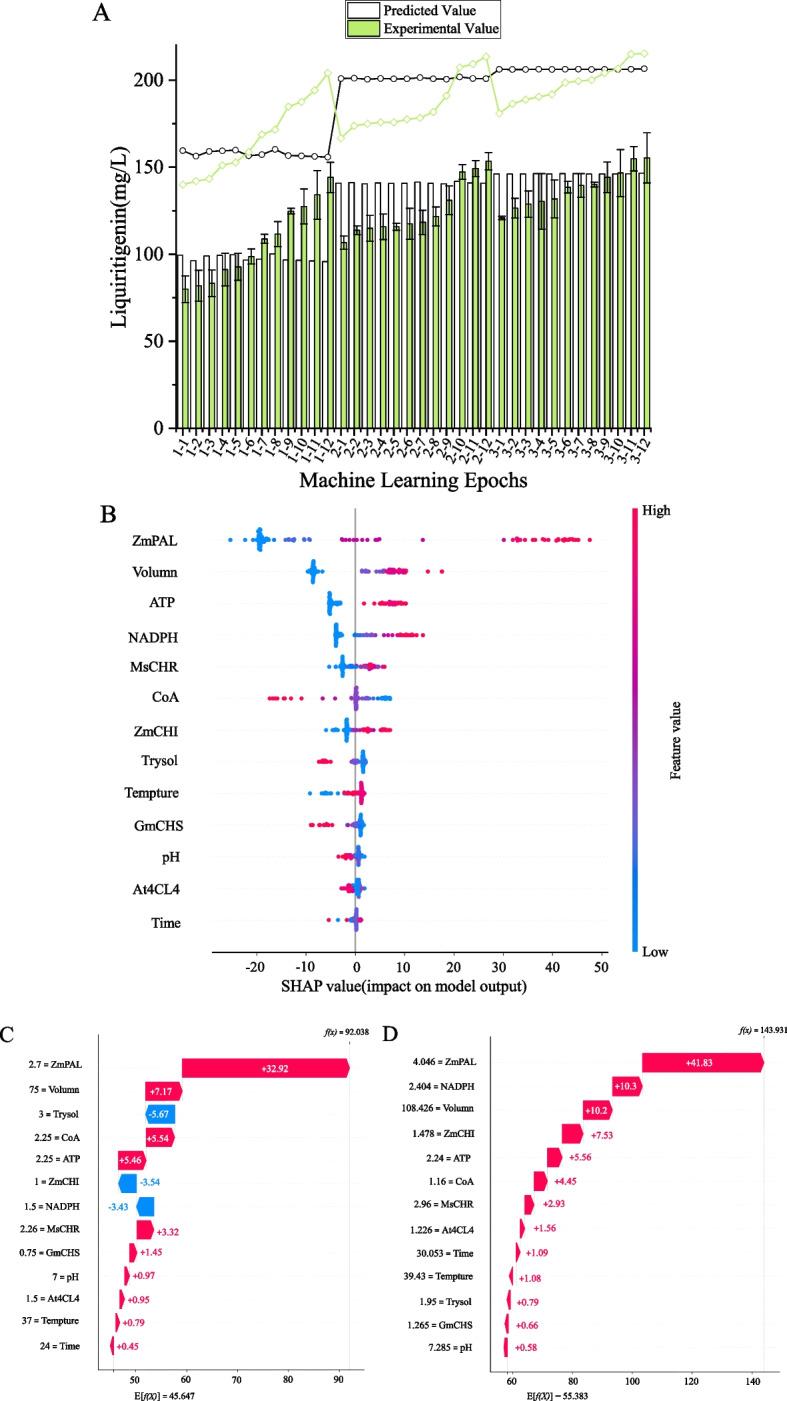 Figure 7
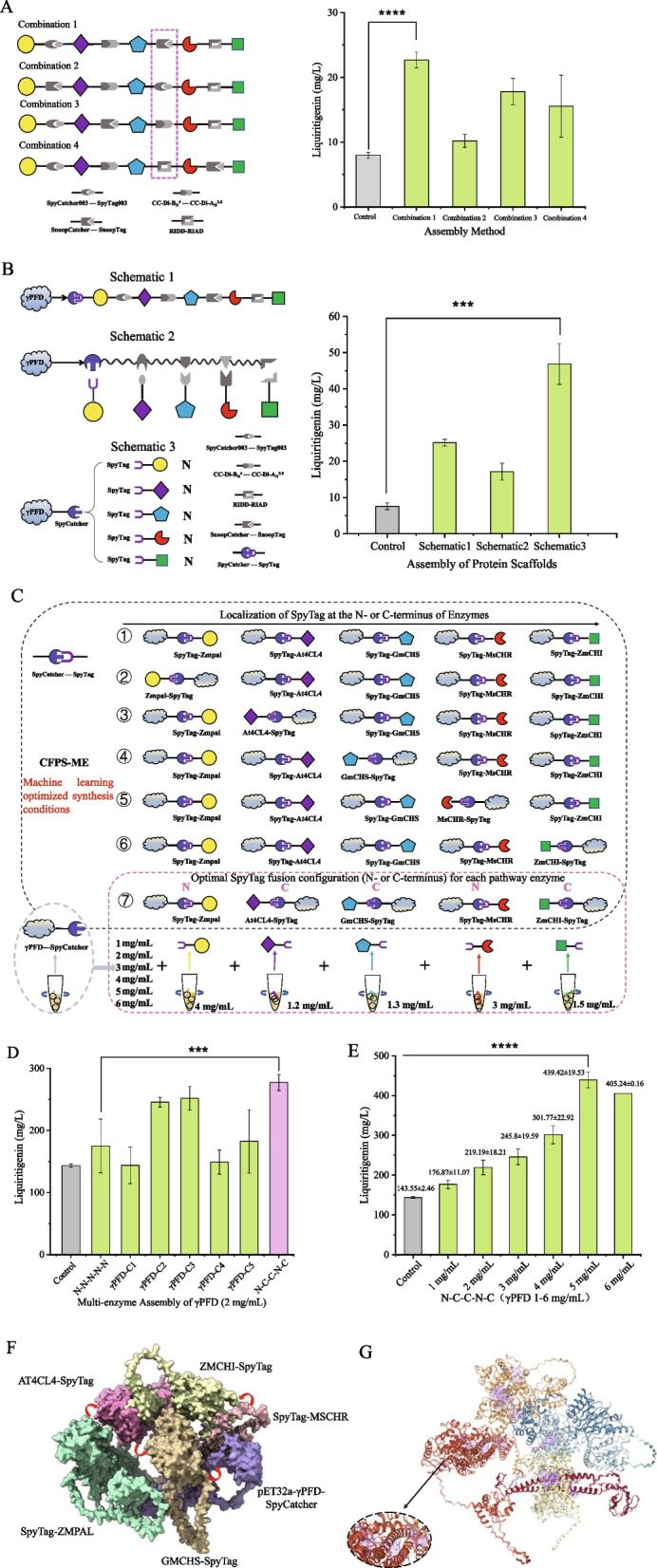 Figure 8
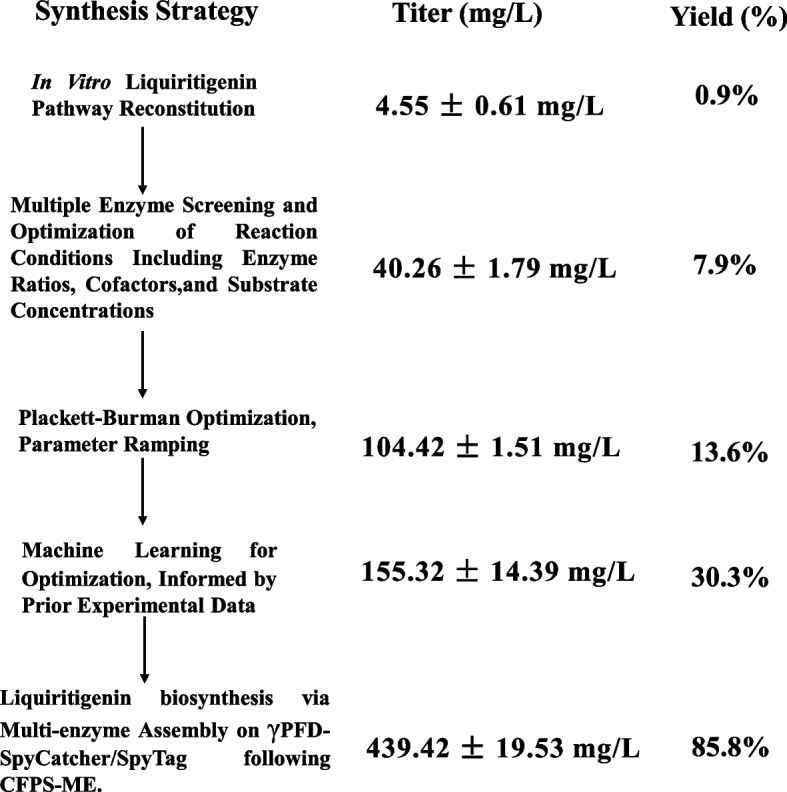 Figure 9
Peer Reviews
No public reviews on file for this paper yet. If you reviewed it on a platform where reviews are public (OpenReview, ICLR, NeurIPS, ICML), you can paste yours below so the community can read it here.
Videos
No videos yet. Explain this paper in a talk, walkthrough, or lecture? Add one.
Taxonomy
TopicsPlant biochemistry and biosynthesis · Plant Gene Expression Analysis · Microbial Metabolic Engineering and Bioproduction