Multimodal Profiling Reveals Distinct Endothelial Activation Pathways Regulated by Flow and Heparan Sulfate
Ian C. Harding, Nicholas R. O’Hare, Ira M. Herman, Eno E. Ebong

TL;DR
This study shows that heparan sulfate in the endothelial glycocalyx helps prevent inflammation in blood vessels under normal flow conditions, but not reactive oxygen species production.
Contribution
The study reveals that heparan sulfate specifically suppresses flow-dependent endothelial inflammation but not oxidative stress.
Findings
Intact heparan sulfate suppresses pro-inflammatory gene expression under normal flow conditions.
HS degradation leads to an inflammatory endothelial phenotype similar to stagnant flow conditions.
ROS production remains unaffected by HS degradation under normal flow.
Abstract
Atherosclerotic cardiovascular disease originates from endothelial dysfunction, characterized by a shift toward a pro-inflammatory state and increased production of reactive oxygen species (ROS). This dysfunction occurs under adverse mechanical conditions, such as blood flow oscillation, multi-directionality, recirculation, shear stress gradients, and low or stagnation flows. This study investigates how degradation of heparan sulfate (HS), a major component of the endothelial glycocalyx, drives the transition of endothelial cells from a functional, anti-inflammatory, and antioxidant phenotype under streamlined flow conditions to a dysfunctional, pro-inflammatory, and pro-oxidant phenotype when flow is stagnant. Pro-inflammatory and pro-oxidant endothelial behavior precedes atherosclerosis development. Human aortic endothelial cells were exposed to uniform shear stress (14 dynes/cm2) to…
Genes, proteins, chemicals, diseases, species, mutations and cell lines named across the full text — each resolved to its canonical identifier and authoritative record.
Click any figure to enlarge with its caption.
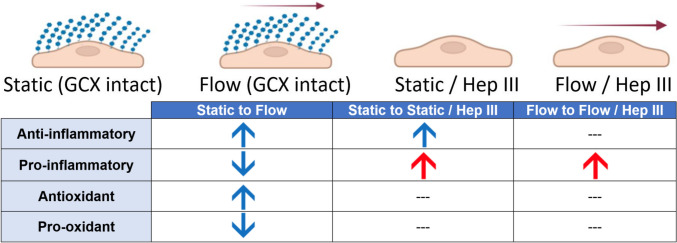 Figure 10
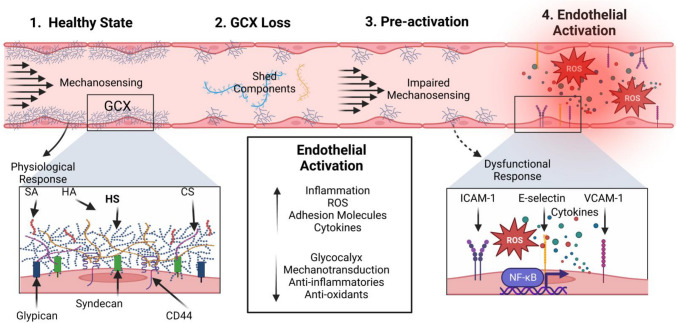 Figure 1
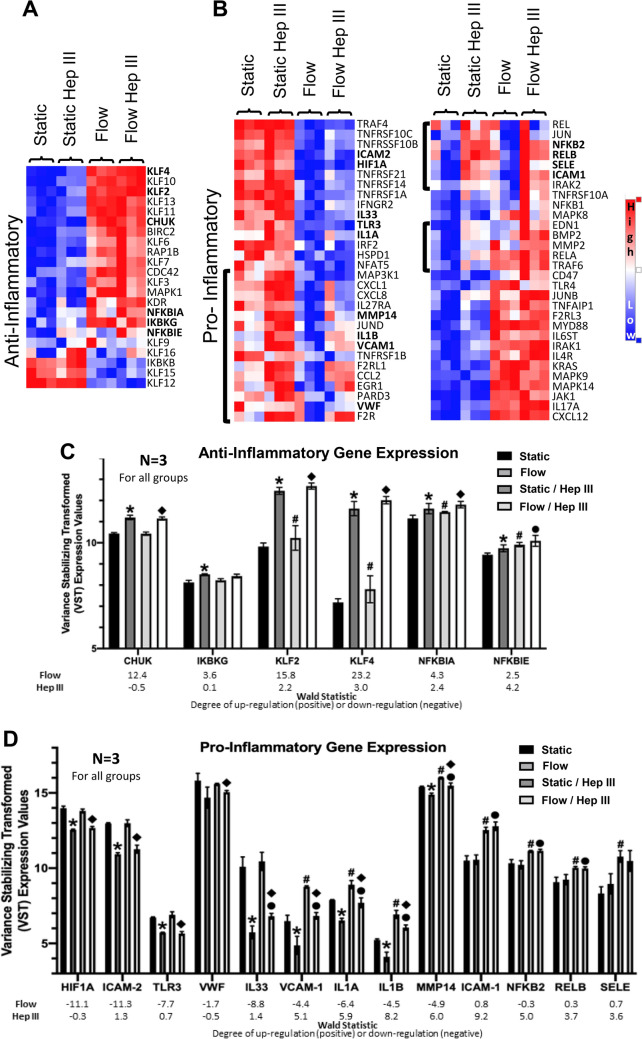 Figure 2
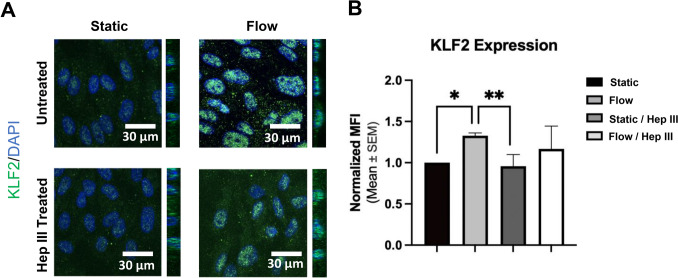 Figure 3
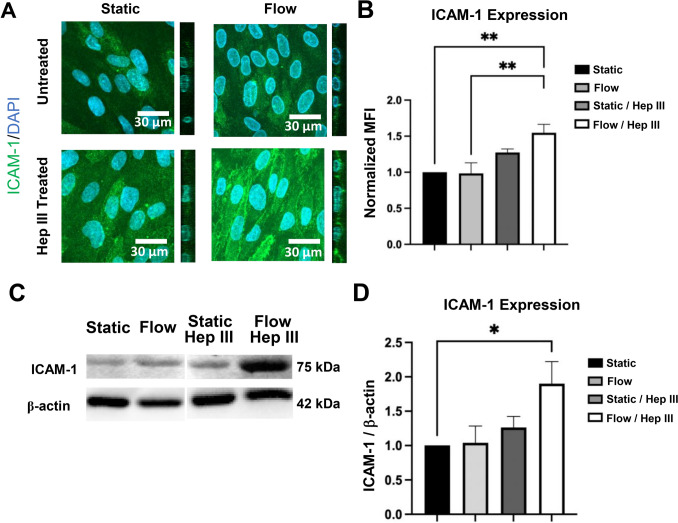 Figure 4
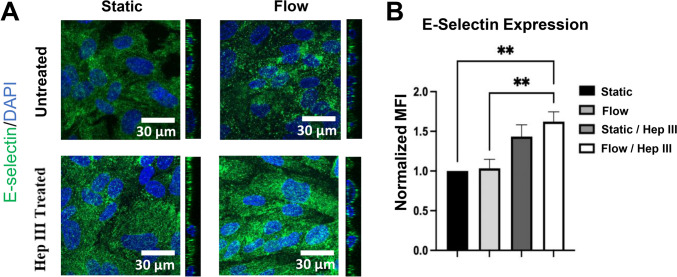 Figure 5
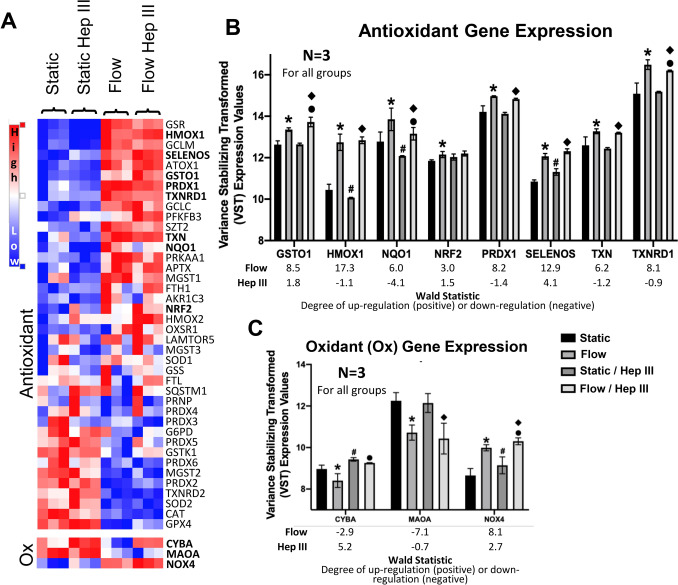 Figure 6
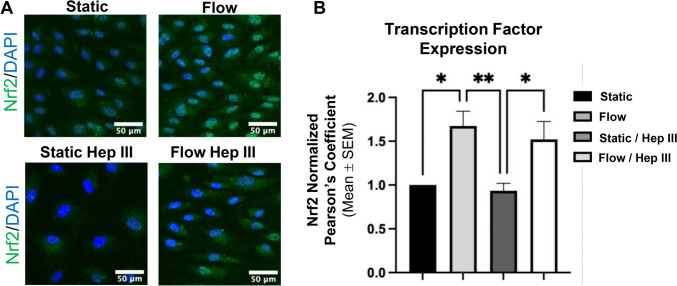 Figure 7
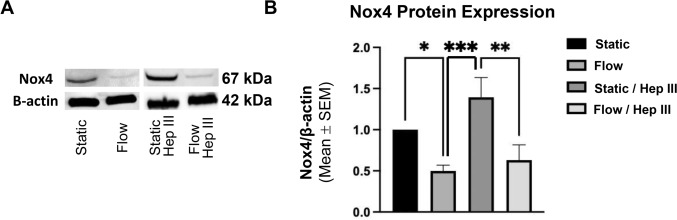 Figure 8
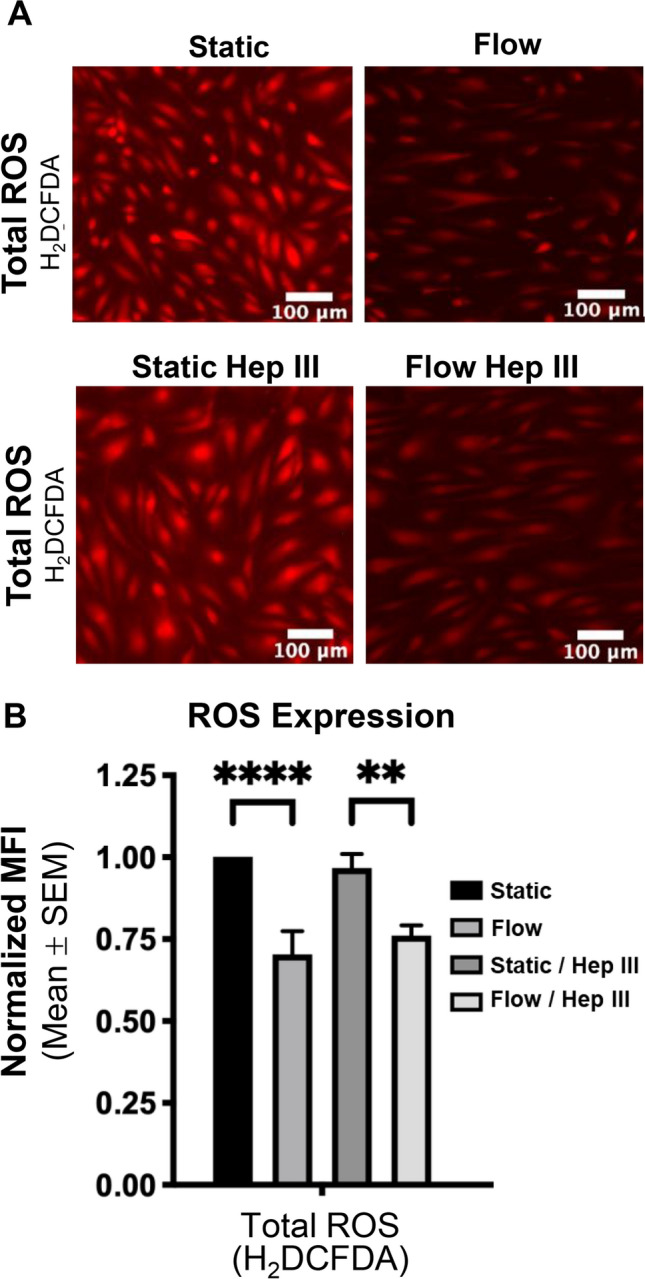 Figure 9
Peer Reviews
No public reviews on file for this paper yet. If you reviewed it on a platform where reviews are public (OpenReview, ICLR, NeurIPS, ICML), you can paste yours below so the community can read it here.
Videos
No videos yet. Explain this paper in a talk, walkthrough, or lecture? Add one.
Taxonomy
TopicsProteoglycans and glycosaminoglycans research · Trauma, Hemostasis, Coagulopathy, Resuscitation · Blood properties and coagulation