Development of a 3D In Vitro Model of Dupuytren’s Disease as a Platform for Drug Screening
Jarmila Knitlova, Adam Eckhardt, Daniel Hadraba, David Vondrasek, Roman Stachon, Elena Filova, Vera Jencova, Kristyna Havlickova, Tatyana Kobets, Martin Ostadal, Lucie Bacakova

TL;DR
Researchers created a 3D model of Dupuytren’s disease using patient tissue to test potential antifibrotic drugs like minoxidil.
Contribution
A novel 3D in vitro model of Dupuytren’s disease using decellularized patient tissue and fibroblasts for drug screening.
Findings
The 3D model retained the pathological structure and mechanical properties of native DD tissue.
Fibroblasts successfully repopulated the scaffold and differentiated into myofibroblasts with disease-relevant secretomes.
The 3D model showed more complex drug responses to minoxidil compared to 2D cultures.
Abstract
Dupuytren’s disease (DD) is a common fibrotic disorder of the hand, characterized by progressive thickening and contracture of the palmar and digital fascia. Surgical excision remains the primary treatment; however, there are currently no therapies to prevent disease progression or recurrence. This study aims to develop a 3D in vitro model to test novel antifibrotic therapies. The model is based on decellularized pathological DD tissue seeded with patient-derived fibroblasts, capturing the role of both cellular and extracellular matrix components in disease progression. Fibrotic DD tissues were obtained from surgical excisions, sectioned, and decellularized. In parallel, primary fibroblasts were isolated from patient samples. The decellularized extracellular matrices (dECMs) were characterized with respect to biochemical composition, collagen structure, and mechanical properties.…
Genes, proteins, chemicals, diseases, species, mutations and cell lines named across the full text — each resolved to its canonical identifier and authoritative record.
Click any figure to enlarge with its caption.
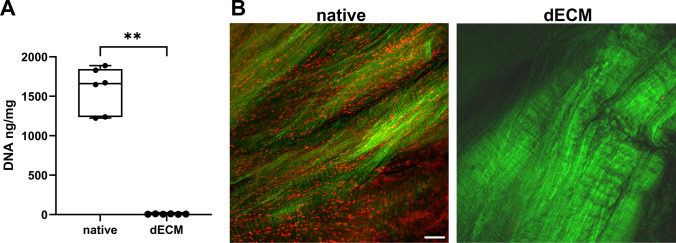 Figure 1
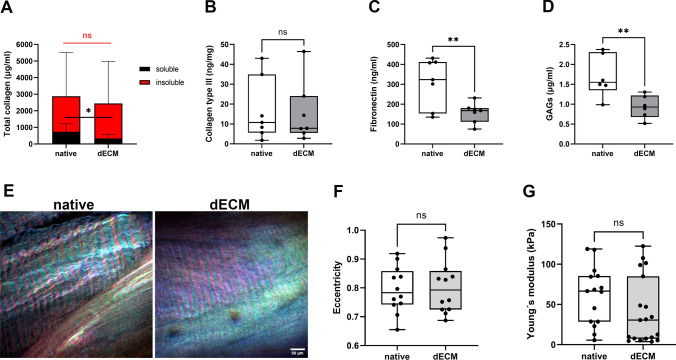 Figure 2
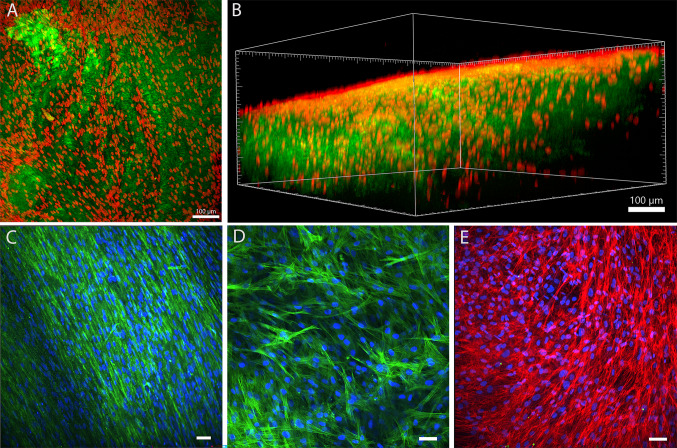 Figure 3
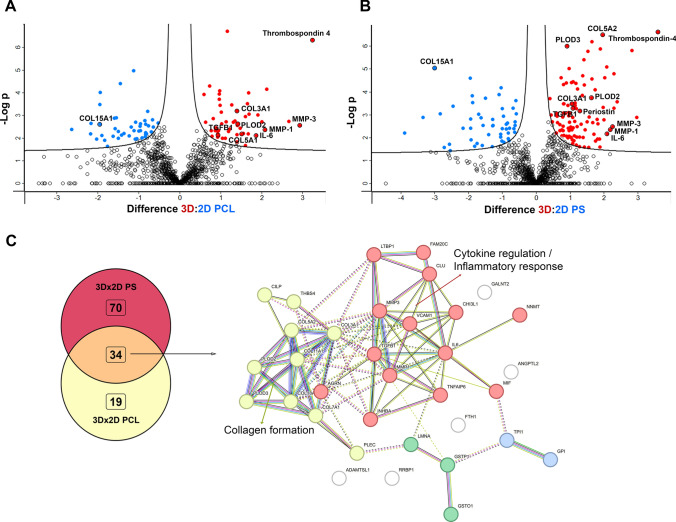 Figure 4
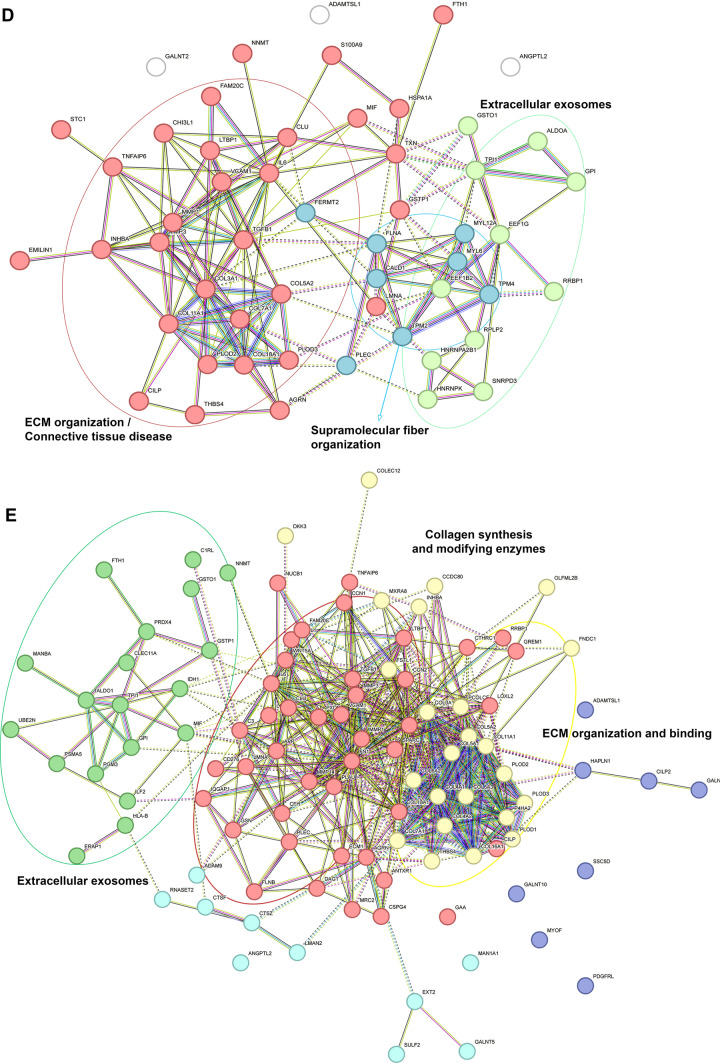 Figure 4
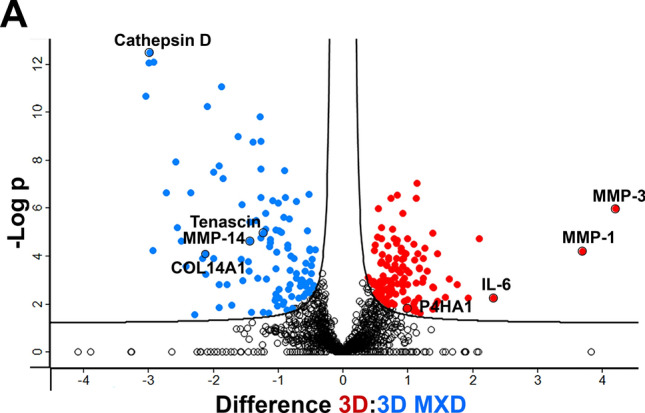 Figure 5
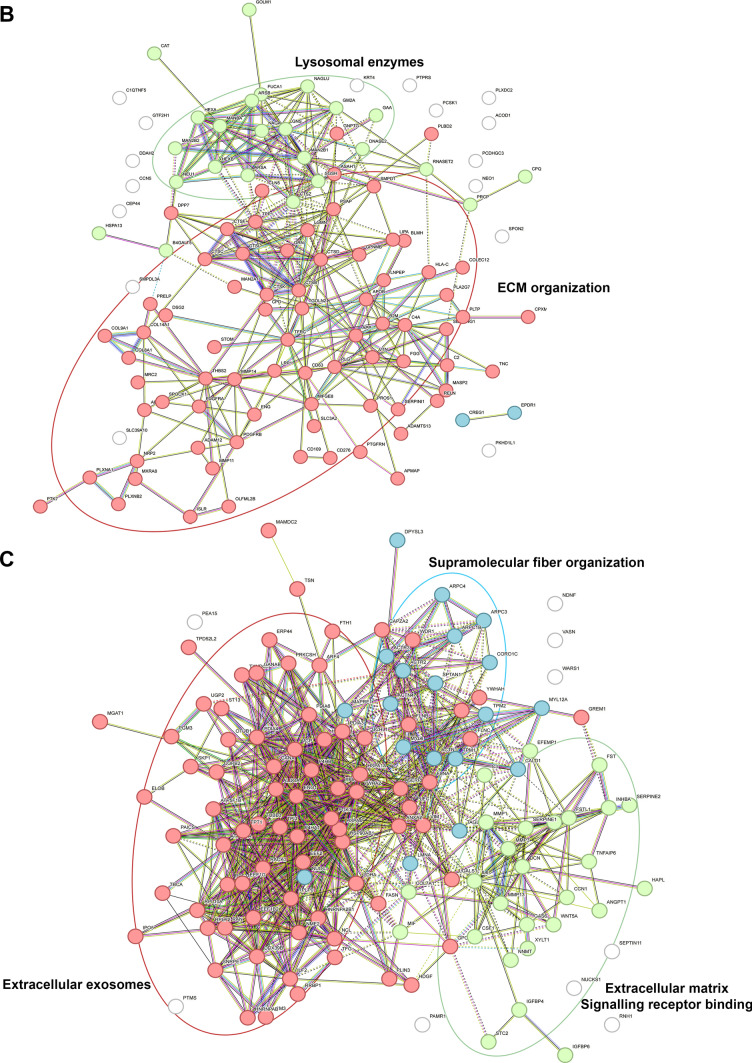 Figure 5
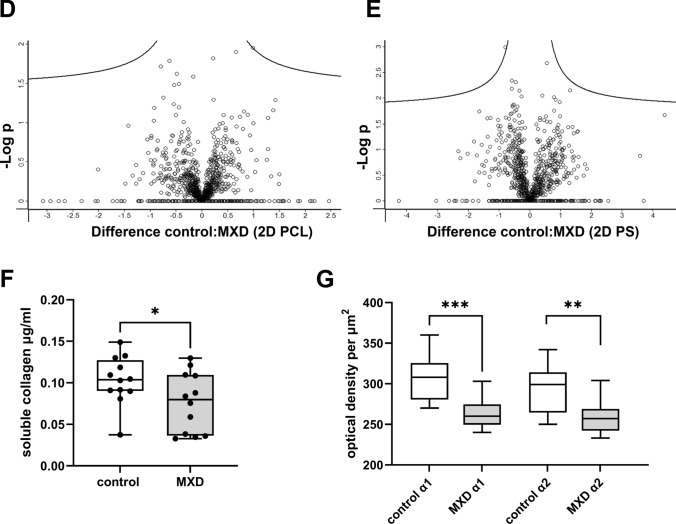 Figure 5
 Figure 9
Peer Reviews
No public reviews on file for this paper yet. If you reviewed it on a platform where reviews are public (OpenReview, ICLR, NeurIPS, ICML), you can paste yours below so the community can read it here.
Videos
No videos yet. Explain this paper in a talk, walkthrough, or lecture? Add one.
Taxonomy
TopicsDupuytren's Contracture and Treatments · Botulinum Toxin and Related Neurological Disorders · Hedgehog Signaling Pathway Studies