Melanoma/CSPG4-Enhanced Collagen-Mediated Contact Guidance Requires Mutant Active BRAF and the CSPG4 Core Protein Cytoplasmic Domain
G. Thrivikraman, J. Yang, M. Price, A. Giubellino, J. B. McCarthy, R. T. Tranquillo

TL;DR
This study shows that CSPG4 and mutant BRAF work together to enhance melanoma cell movement along collagen structures, which could help explain how melanoma spreads.
Contribution
The study identifies the specific role of the CSPG4 cytoplasmic domain and mutant BRAF in collagen-mediated contact guidance in melanoma.
Findings
CSPG4-expressing melanoma cells show enhanced contact guidance and migration speed along aligned collagen.
The CSPG4 cytoplasmic tail's phospho-acceptor site is essential for this effect.
BRAF inhibition reduces CSPG4-mediated contact guidance and migration speed.
Abstract
Chondroitin sulfate proteoglycan-4 (CSPG4) is a transmembrane cell surface proteoglycan that promotes malignant progression in melanoma. Elevated CSPG4 expression in melanoma cells is associated with several malignant phenotypic properties, including increased tumor cell invasion, tumorigenic potential, and metastasis. Magnetically aligned collagen gels with entrapped cells were used to model the aligned extracellular matrix in the tumor microenvironment and to identify the key role of CSPG4 in sensing contact guidance. The data show that CSPG4-expressing WM1552C Radial Growth Phase (RGP) melanoma cells exhibit enhanced contact guidance along with increased migration speed in contrast to paired counterparts that lack CSPG4. This required the presence of a pERK 1,2 phospho-acceptor site on the cytoplasmic tail of the core protein. Furthermore, short-term treatment of CSPG4-expressing…
Genes, proteins, chemicals, diseases, species, mutations and cell lines named across the full text — each resolved to its canonical identifier and authoritative record.
Click any figure to enlarge with its caption.
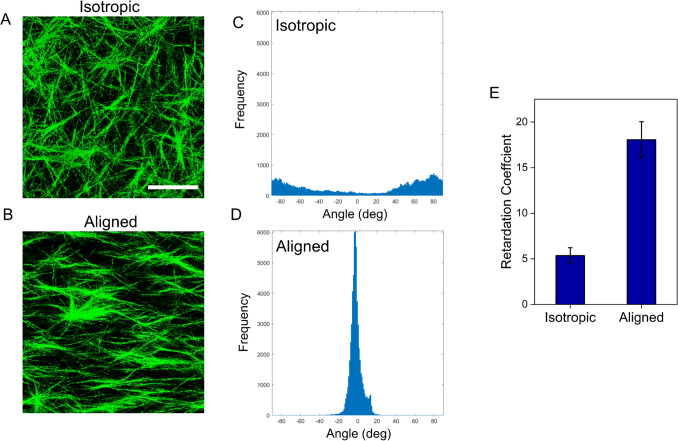 Figure 1
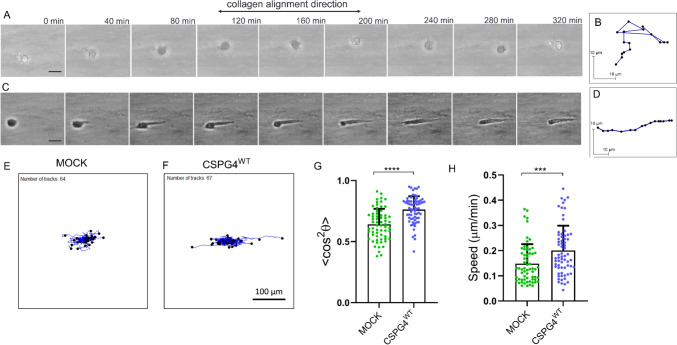 Figure 2
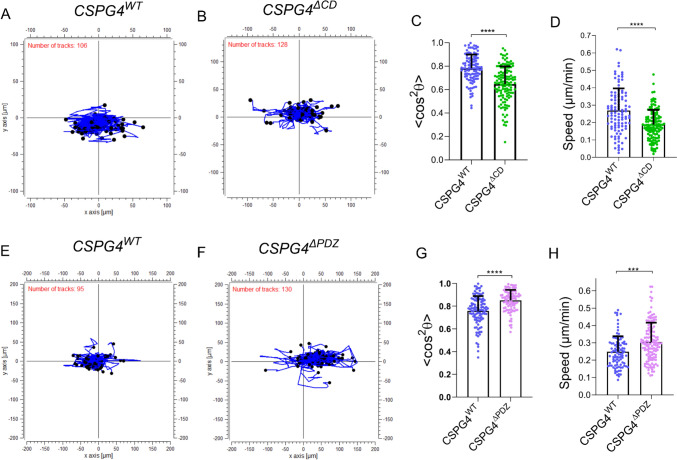 Figure 3
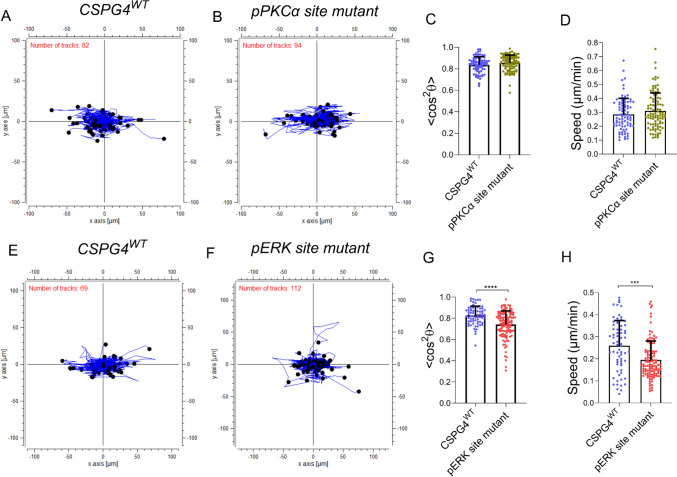 Figure 4
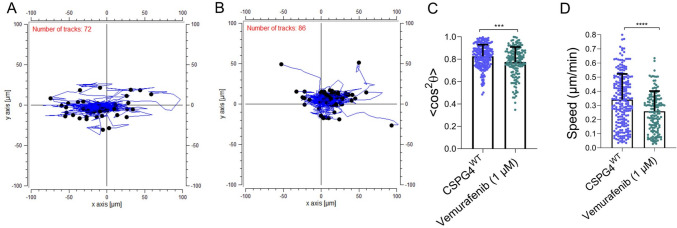 Figure 5
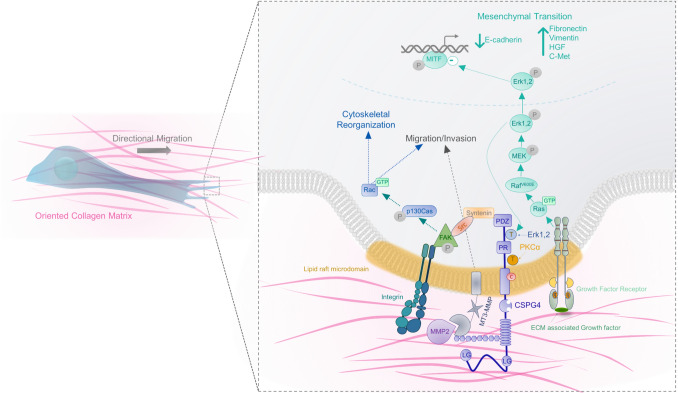 Figure 6
Peer Reviews
No public reviews on file for this paper yet. If you reviewed it on a platform where reviews are public (OpenReview, ICLR, NeurIPS, ICML), you can paste yours below so the community can read it here.
Videos
No videos yet. Explain this paper in a talk, walkthrough, or lecture? Add one.
Taxonomy
TopicsProteoglycans and glycosaminoglycans research · Cell Adhesion Molecules Research · Melanoma and MAPK Pathways