An intrinsically disordered region mediates RNA-binding selectivity and cellular activities of LARP6
Federica Capraro, Giancarlo Abis, Alessio Incocciati, Peter J. Simpson, Mehran Karimzadeh, Laura Masino, Alexander Barley, Tam T. T. Bui, Geoff Kelly, Hani Goodarzi, Maria R. Conte, Faraz K. Mardakheh

TL;DR
The study reveals how a disordered region in the LARP6 protein helps it selectively bind RNA, which is important for cancer cell functions.
Contribution
The novel finding is that intrinsically disordered regions can modulate RNA-binding specificity by influencing structured domains.
Findings
The N-terminal IDR of LARP6 broadens RNA footprints and enhances binding selectivity.
IDRs modulate RNA access by restricting conformational flexibility of the La-module.
IDR-mediated RNA selectivity is crucial for LARP6's role in cancer cell viability and invasion.
Abstract
Intrinsically disordered regions (IDRs) are prevalent in RNA-binding proteins (RBPs), yet their roles in RNA interactions remain poorly defined. We examined RNA-binding regulation by structured and disordered regions of LARP6, an RBP with a diverse RNA-binding repertoire. Mass spectrometry-based RNA interaction mapping in living cells identified direct LARP6–RNA contacts within the structured La-module and its flanking IDRs. Mutagenesis and individual-nucleotide resolution UV-crosslinking and immunoprecipitation (iCLIP) revealed the La-module, but not the IDRs, as essential for LARP6 RNA binding. Deletion of the N-terminal IDR broadened LARP6 RNA footprints, uncovering a role in RNA-binding selectivity. This is achieved through a composite mechanism of restricting the conformational flexibility of the adjacent La-module, forming auxiliary contacts with the RNA, and modulating RNA access…
Genes, proteins, chemicals, diseases, species, mutations and cell lines named across the full text — each resolved to its canonical identifier and authoritative record.
Click any figure to enlarge with its caption.
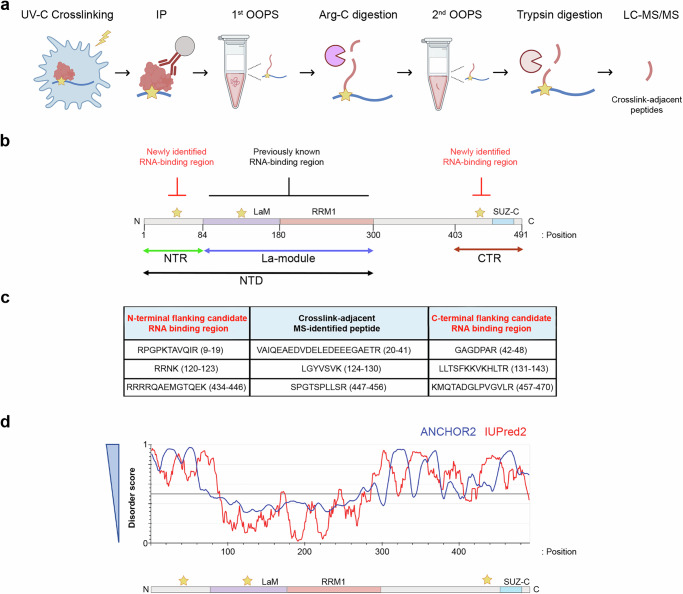 Figure 1
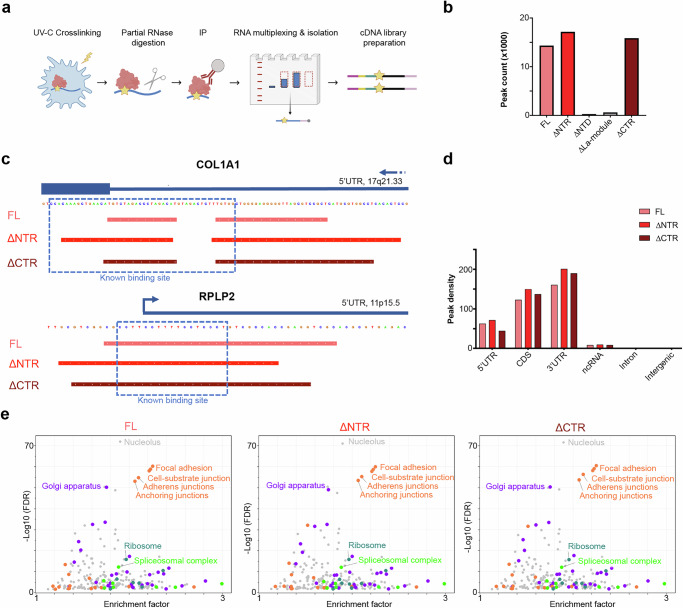 Figure 2
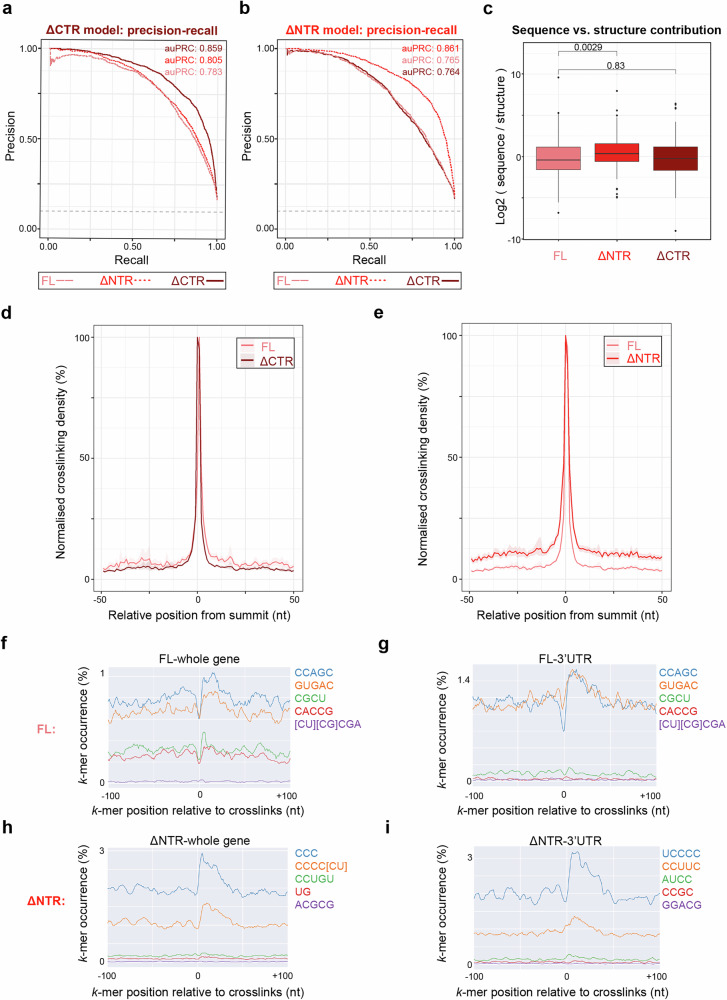 Figure 3
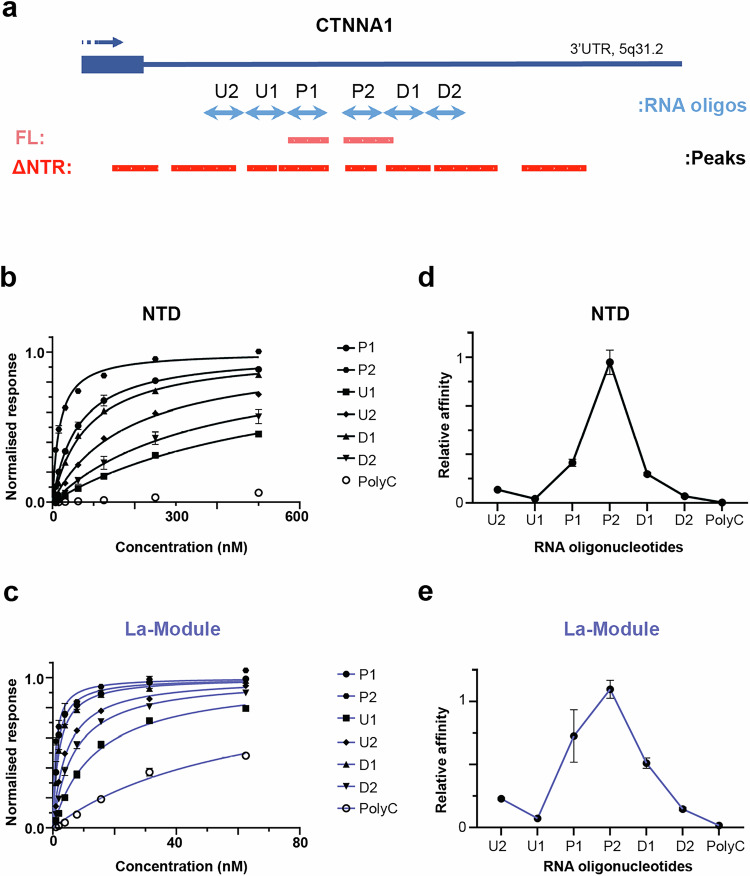 Figure 4
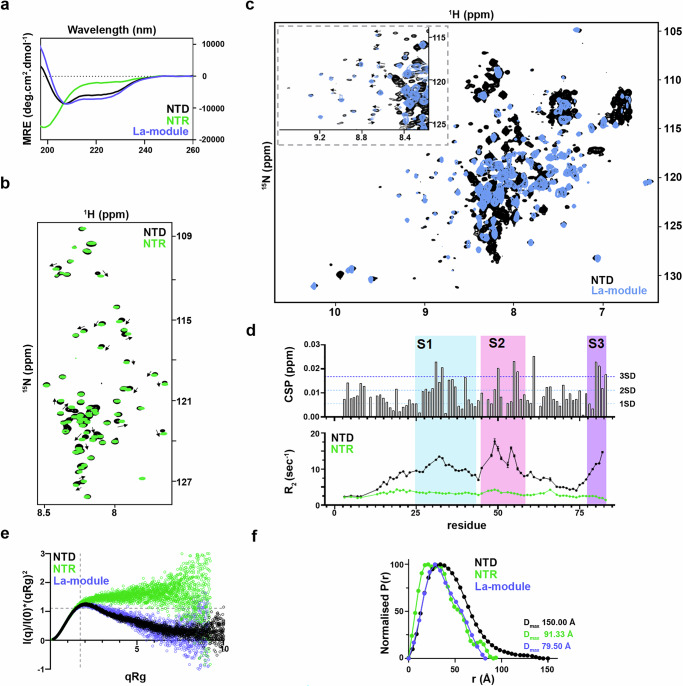 Figure 5
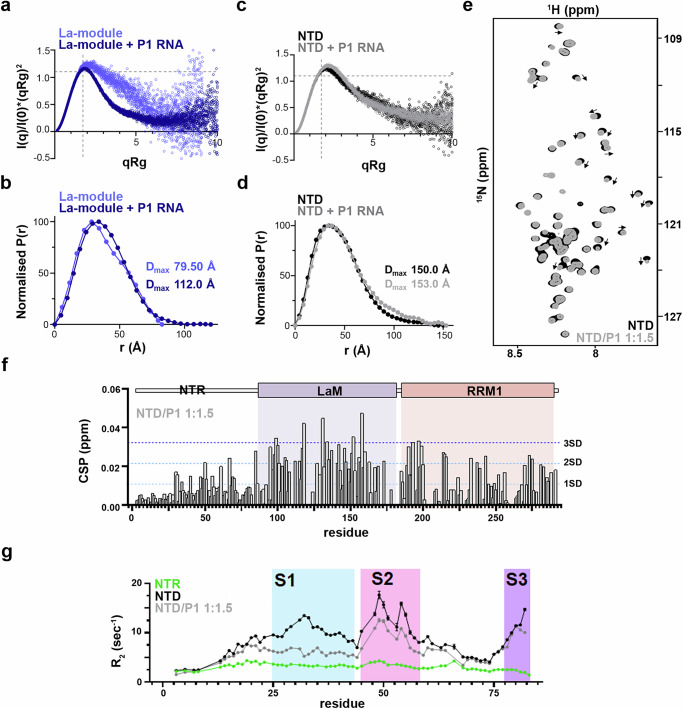 Figure 6
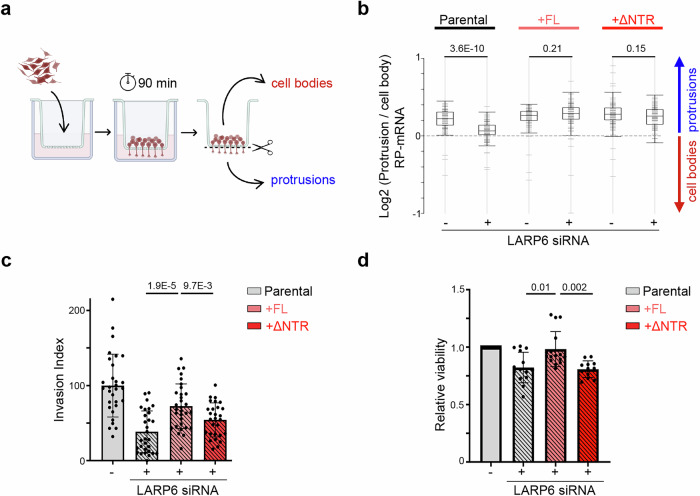 Figure 7
Peer Reviews
No public reviews on file for this paper yet. If you reviewed it on a platform where reviews are public (OpenReview, ICLR, NeurIPS, ICML), you can paste yours below so the community can read it here.
Videos
No videos yet. Explain this paper in a talk, walkthrough, or lecture? Add one.
Taxonomy
TopicsRNA Research and Splicing · RNA regulation and disease · Nuclear Structure and Function