NSD2 inhibits the expression of PD-L1 via oxidative phosphorylation to control immune surveillance in hepatocellular carcinoma
Wei Zhang, Wenxin Feng, Chunxiao Ma, Hanyu Rao, Changwei Liu, Yue Xu, Ningyuan Liu, Ziyi Wang, Rebiguli Aji, Ting Han, Wei-Qiang Gao, Xiuying Xiao, Li Li

TL;DR
This study shows that NSD2, a protein previously linked to cancer, actually helps control liver cancer by reducing PD-L1 levels through a process called oxidative phosphorylation.
Contribution
The study reveals NSD2 as a tumor suppressor in hepatocellular carcinoma by inhibiting PD-L1 via oxidative phosphorylation.
Findings
NSD2 overexpression in mice suppresses tumor cell proliferation in liver cancer models.
NSD2 inhibits oxidative phosphorylation, which in turn reduces PD-L1 expression and improves immune recognition of tumors.
Patients with low NSD2 expression respond better to PD-L1 inhibitor treatments.
Abstract
Hepatocellular carcinoma (HCC) is the fourth most common cause of cancer-related death, and patients usually exhibit impaired immune function within the tumor environment. NSD2 is an H3K36 methyltransferase and has been considered a cancer-promoting factor. However, the role of NSD2 in the occurrence and development of HCC is still unclear. In this study, the effects of NSD2 on HCC were assessed by both mouse and cell models. RNA-seq, ChIP-seq, and orthotopic tumor models were employed to decipher the downstream mechanisms of NSD2 responsible for HCC development. NSD2 alterations were characterized in patients with HCC. Hepatocyte-specific NSD2 overexpression suppresses the proliferation of tumor cells in DEN-treated mice. Mechanistically, NSD2 inhibits OXPHOS by activating target genes (Camk2d and Prkce) transcription. Downregulation of OXPHOS, caused by overexpression of NSD2,…
Genes, proteins, chemicals, diseases, species, mutations and cell lines named across the full text — each resolved to its canonical identifier and authoritative record.
Click any figure to enlarge with its caption.
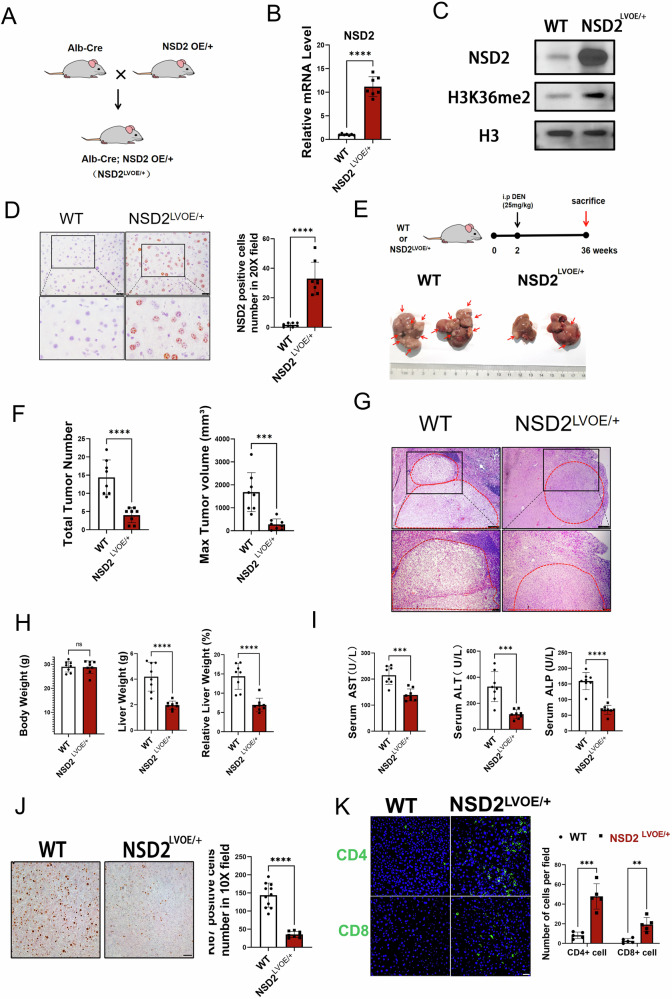 Figure 1
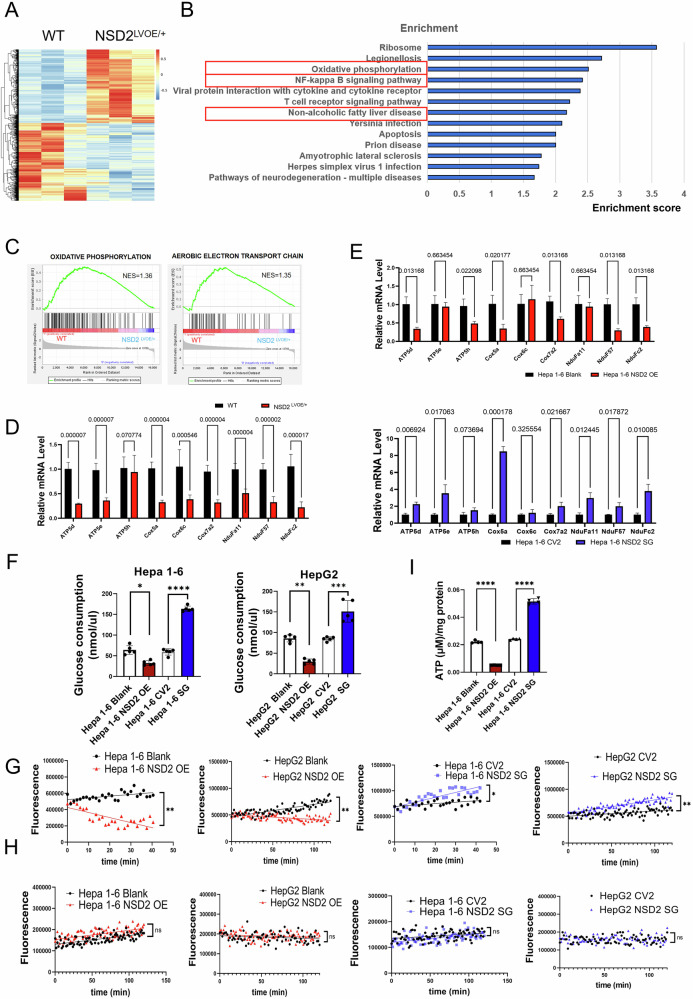 Figure 2
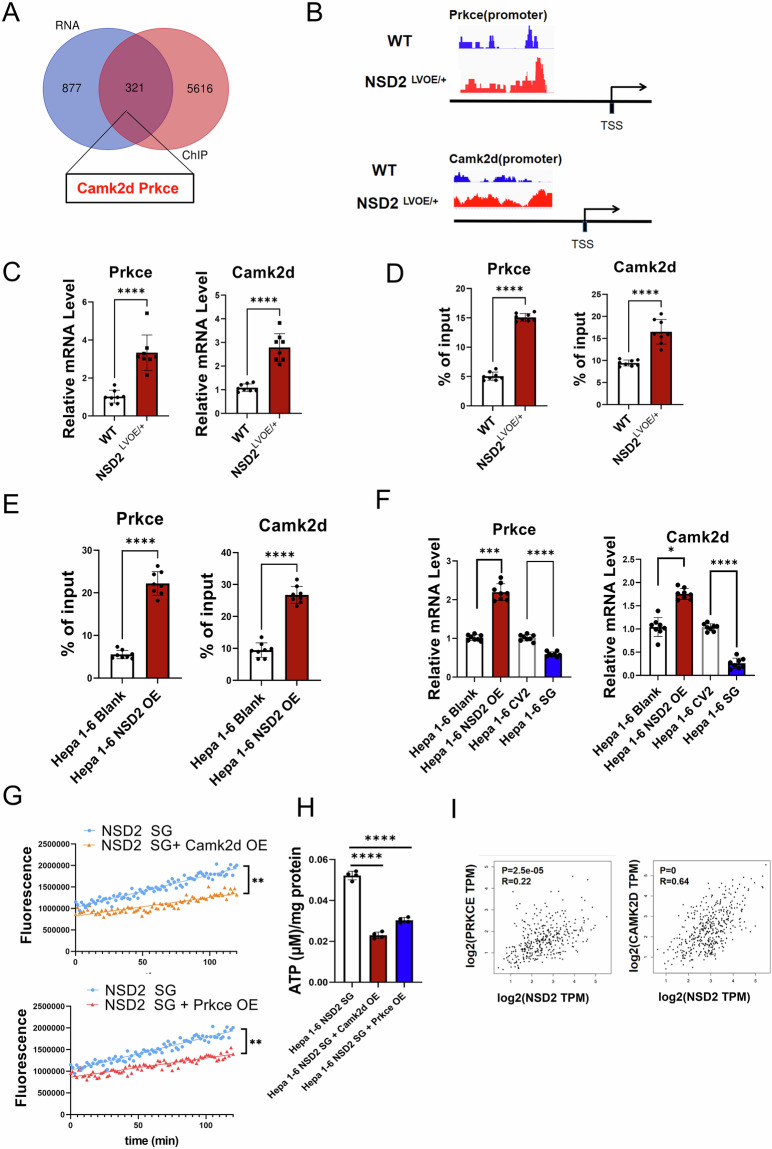 Figure 3
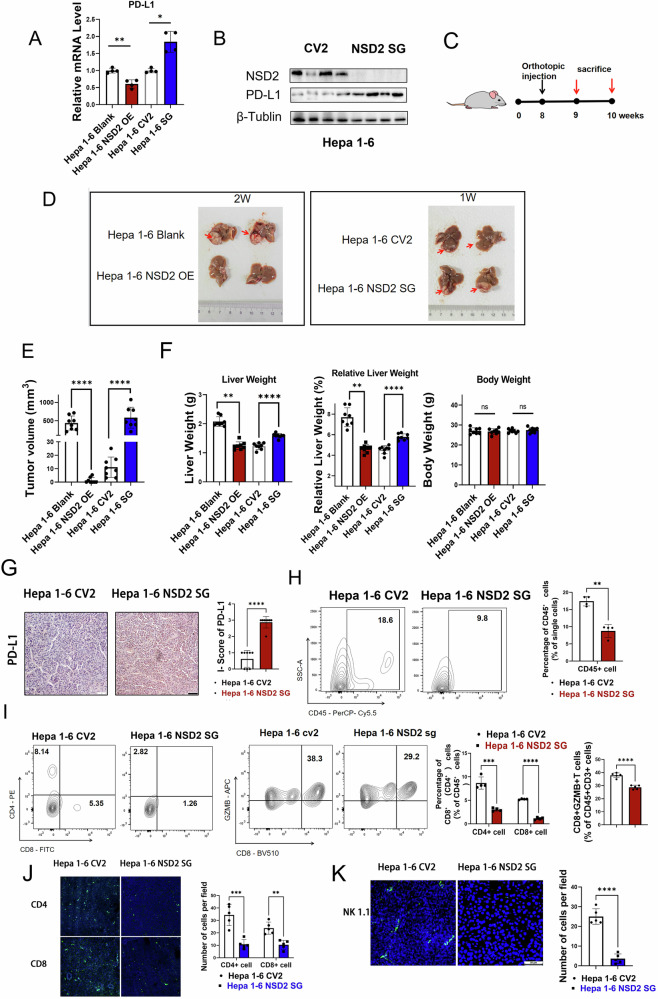 Figure 4
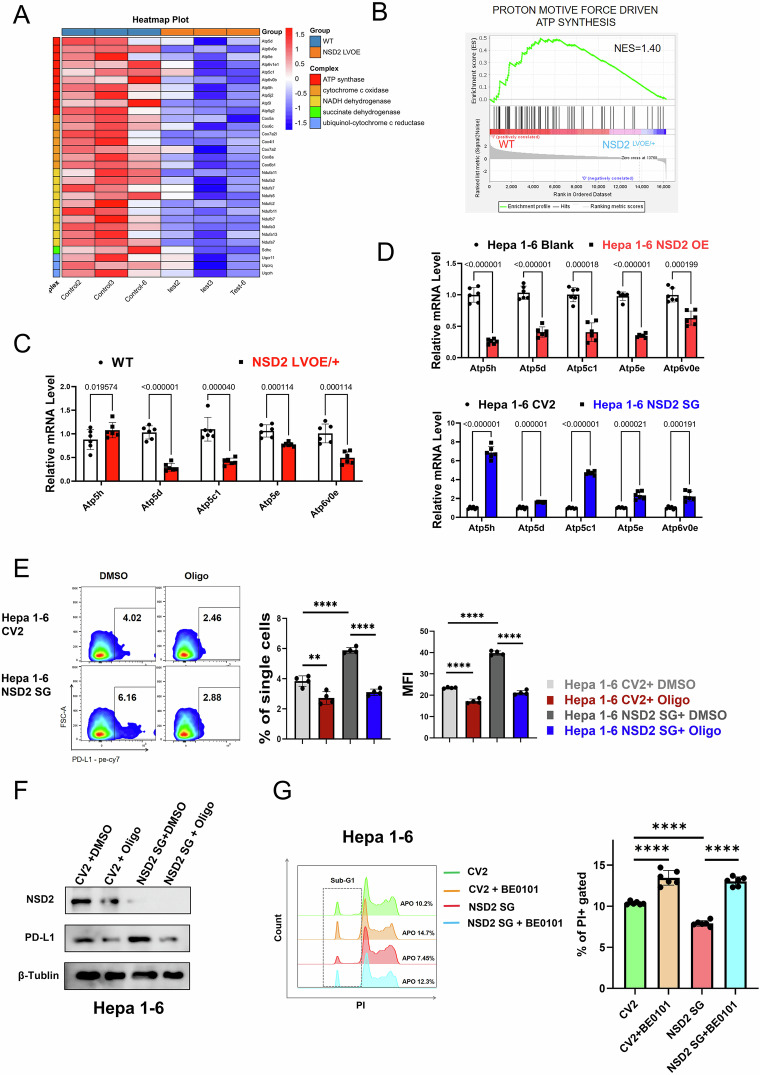 Figure 5
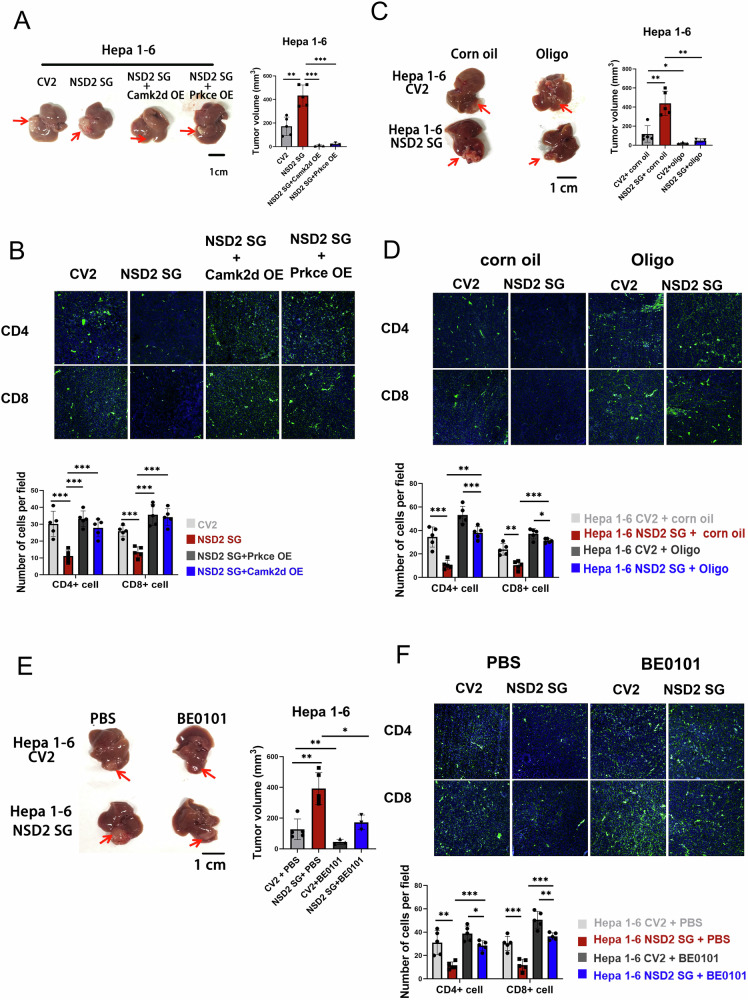 Figure 6
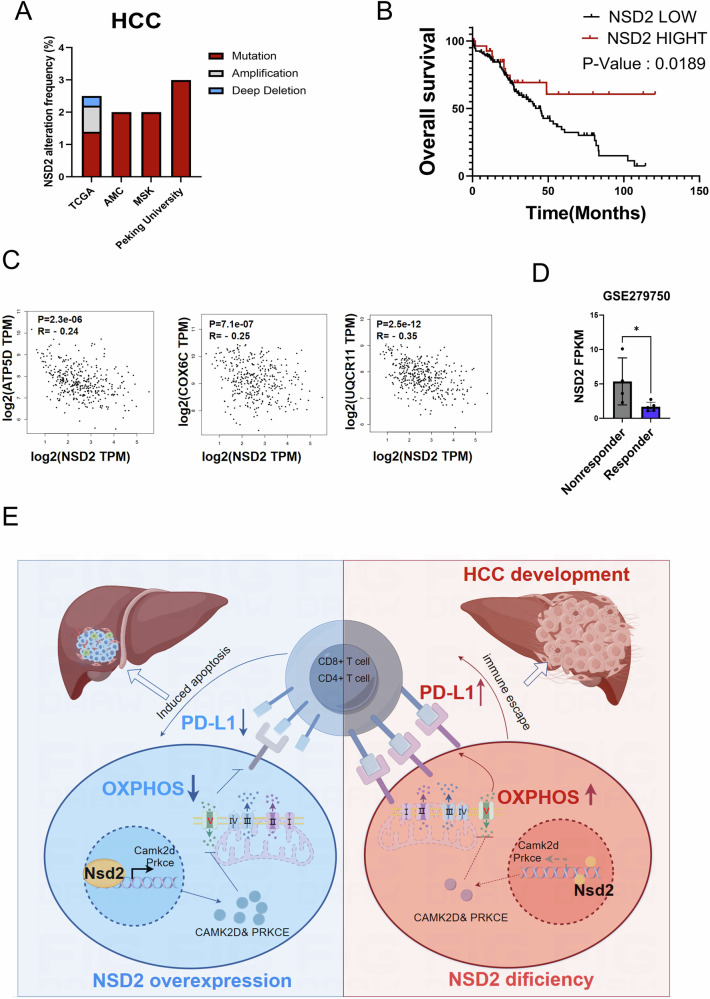 Figure 7
Peer Reviews
No public reviews on file for this paper yet. If you reviewed it on a platform where reviews are public (OpenReview, ICLR, NeurIPS, ICML), you can paste yours below so the community can read it here.
Videos
No videos yet. Explain this paper in a talk, walkthrough, or lecture? Add one.
Taxonomy
TopicsEpigenetics and DNA Methylation · RNA modifications and cancer · Cancer, Hypoxia, and Metabolism