Immunoinformatics based designing of a broad-spectrum multi-epitope vaccine against co-infection of human metapneumovirus, respiratory syncytial virus, and influenza A virus
Lu Li, Yong Chen, Shaoyong Wu, Chunyan Wu, Junhong Xie, Abdullah Shah, Xin Xie, Junyin Tan, Yudie Qin, Yuanlei Zeng, Amin Ullah Jan, Tianci Yang, Sadeeq Ullah

TL;DR
This paper presents a new multi-epitope vaccine design targeting three respiratory viruses using immunoinformatics methods.
Contribution
A novel broad-spectrum subunit vaccine candidate is designed for co-infections of hMPV, RSV, and IAV using computational immunology.
Findings
The vaccine construct showed stable binding to TLR4 with a binding energy of −277.43 kcal/mol.
Immune simulations predicted strong antibody responses and durable memory formation.
Codon optimization resulted in a high CAI of 0.98, indicating efficient bacterial expression.
Abstract
Co-infections involving human metapneumovirus (hMPV), respiratory syncytial virus (RSV), and influenza A virus (IAV) often exacerbate disease severity in vulnerable populations. Here, we employed a structure-based immunoinformatics approach to design a multi-epitope subunit vaccine targeting these pathogens. The construct incorporated two epitopes each for cytotoxic T lymphocytes (CTLs), helper T lymphocytes (HTLs), and B cells, derived from the fusion proteins of hMPV and RSV, as well as the neuraminidase protein of IAV. These epitopes were linked with an adjuvant and optimized spacers to enhance immunogenicity and structural stability. Structural modeling confirmed correct folding, and molecular docking predicted a stable interaction with Toll-Like Receptor 4 (TLR4) − 277.43 kcal/mol. Molecular dynamics simulations indicated a compact and stable complex with restricted conformational…
Genes, proteins, chemicals, diseases, species, mutations and cell lines named across the full text — each resolved to its canonical identifier and authoritative record.
Click any figure to enlarge with its caption.
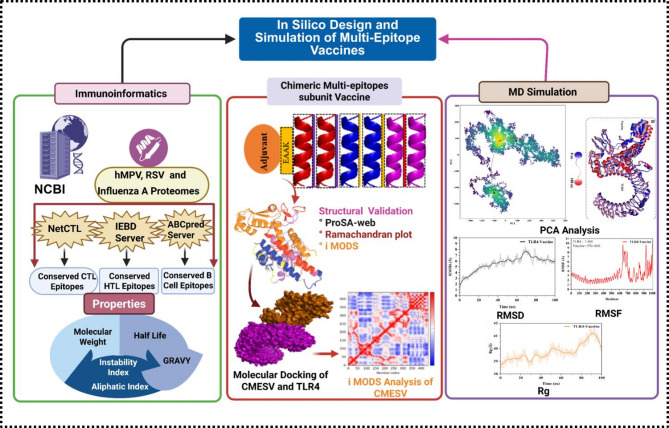 Figure 1
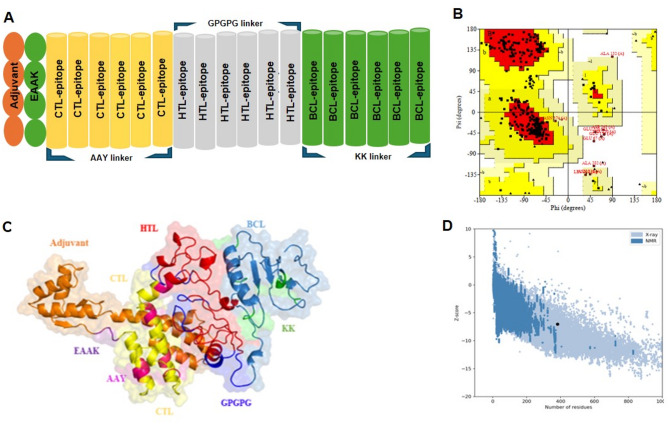 Figure 2
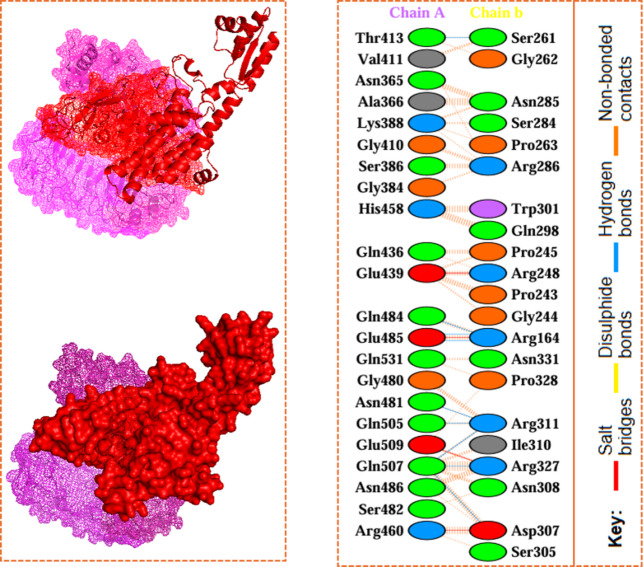 Figure 3
 Figure 4
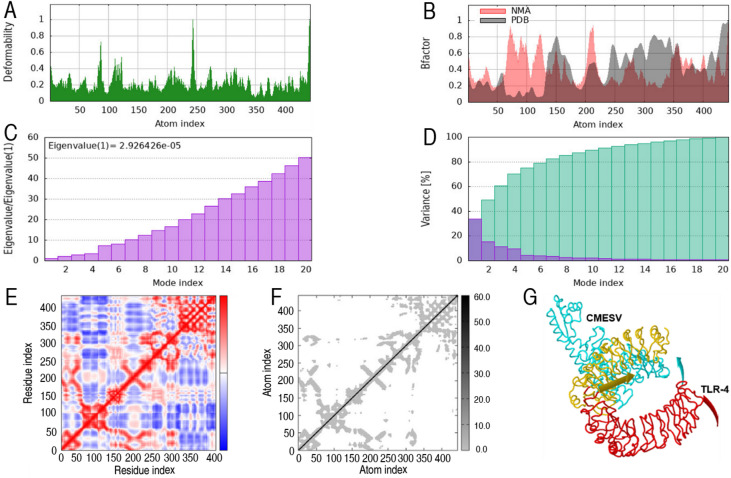 Figure 5
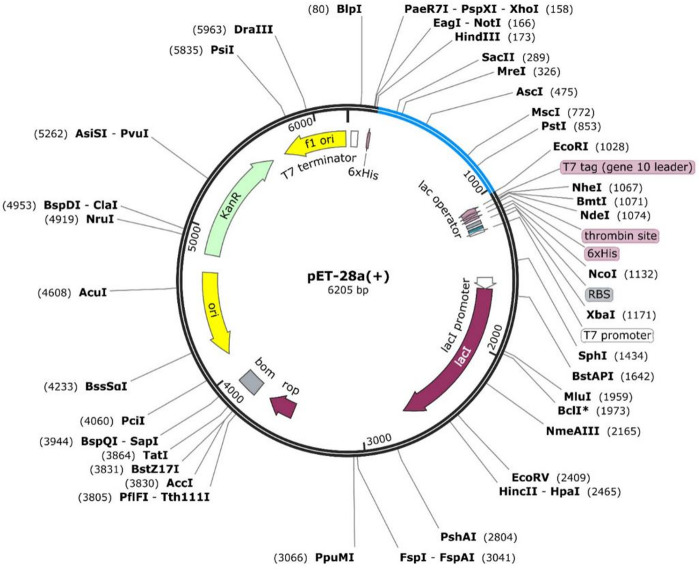 Figure 6
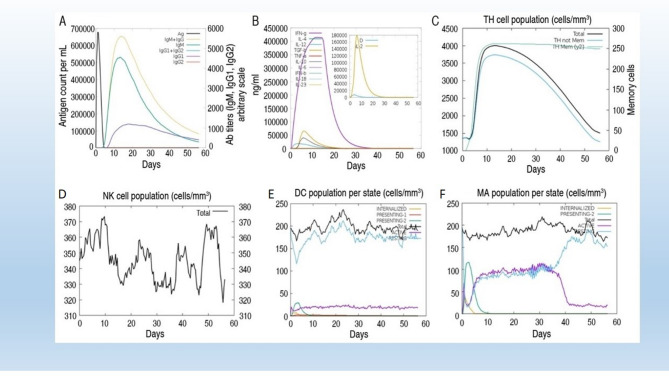 Figure 7
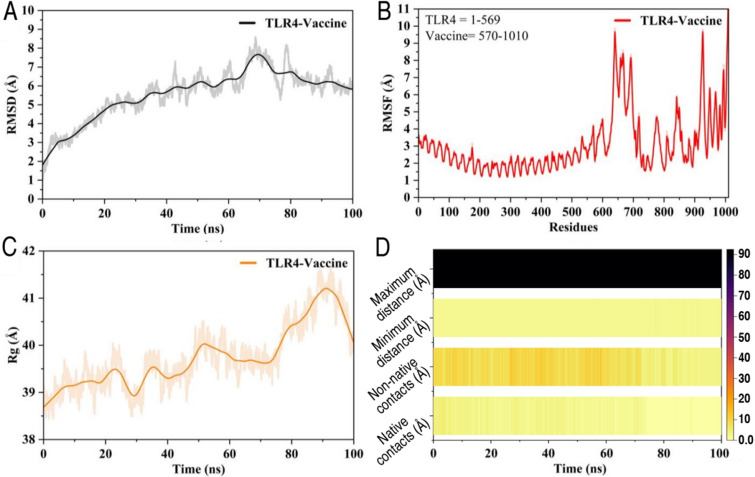 Figure 8
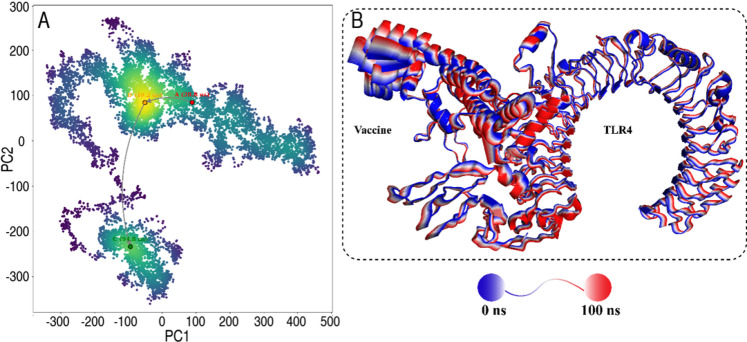 Figure 9
Peer Reviews
No public reviews on file for this paper yet. If you reviewed it on a platform where reviews are public (OpenReview, ICLR, NeurIPS, ICML), you can paste yours below so the community can read it here.
Videos
No videos yet. Explain this paper in a talk, walkthrough, or lecture? Add one.
Taxonomy
Topicsvaccines and immunoinformatics approaches · Respiratory viral infections research · Pneumonia and Respiratory Infections