An explainable AI-driven hybrid feature selection approach for coronary artery disease diagnosis
Tarneem Elemam, Hosam Refaat, Mohamed Makhlouf

TL;DR
This paper introduces a new AI method to select important features for diagnosing heart disease, improving accuracy and performance compared to existing methods.
Contribution
The novel SHOW algorithm combines SHAP-based ranking with optimized wrapper selection for improved CAD diagnosis.
Findings
SHOW outperforms 14 state-of-the-art algorithms in accuracy and feature selection for CAD diagnosis.
Using SHOW with XGBoost achieves over 93% accuracy on the Z-Alizadeh Sani dataset with only 14 selected features.
SHOW demonstrates strong performance across three CAD datasets with high sensitivity, specificity, and AUC metrics.
Abstract
Coronary artery disease (CAD), where the heart does not get enough oxygen-rich blood due to a buildup of fatty matter, is a leading cause of death worldwide. Since its symptoms may not be recognized until a cardiac attack occurs, its early diagnosis is crucial. In this paper, we introduce the SHAP Optimized Wrapper (SHOW) feature selection algorithm, which works in two steps. First, a SHapley Additive exPlanations (SHAP) method is developed using XGBoost, Random Forest (RF), and Support Vector Machine (SVM) classifiers, to rank the features based on their diagnostic significance. Second, an optimized sequential forward selection wrapper technique is employed, whereby the ranked features are evaluated to select the optimal subset. To validate the algorithm, it is used in seven classifiers to classify three public domain CAD data sets. The classifiers are XGBoost, RF, SVM, Decision Tree…
Genes, proteins, chemicals, diseases, species, mutations and cell lines named across the full text — each resolved to its canonical identifier and authoritative record.
Click any figure to enlarge with its caption.
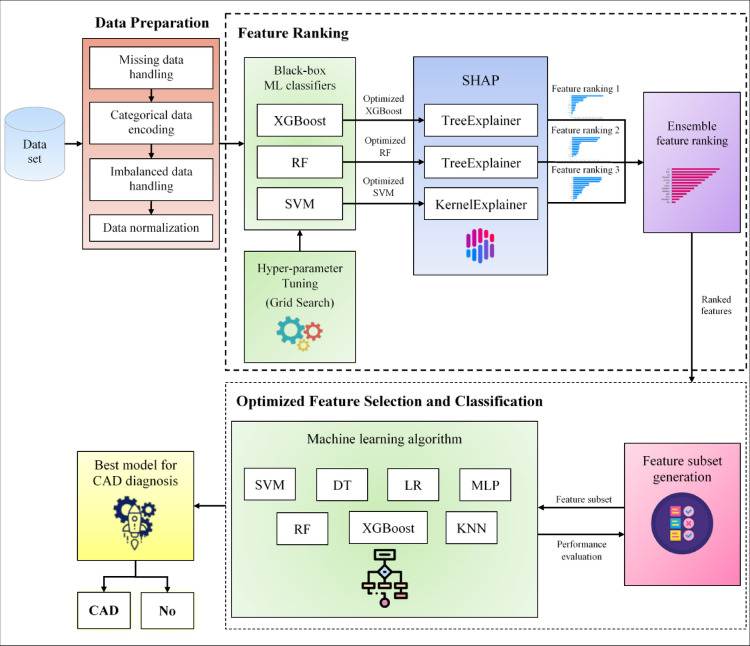 Figure 1
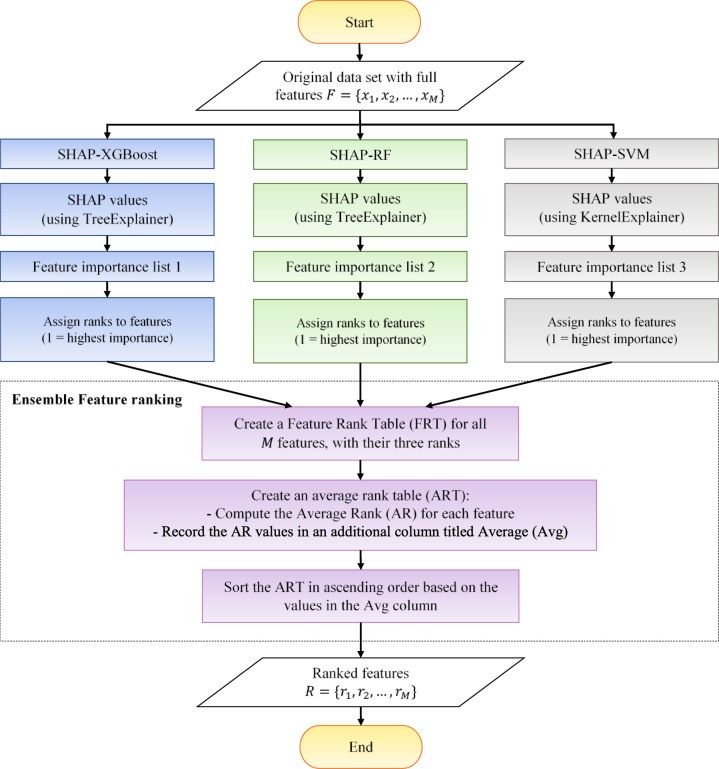 Figure 2
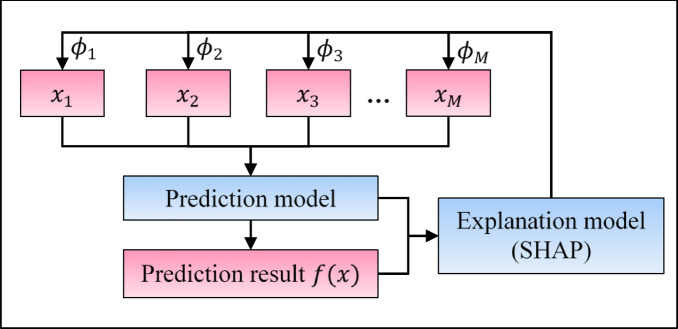 Figure 3
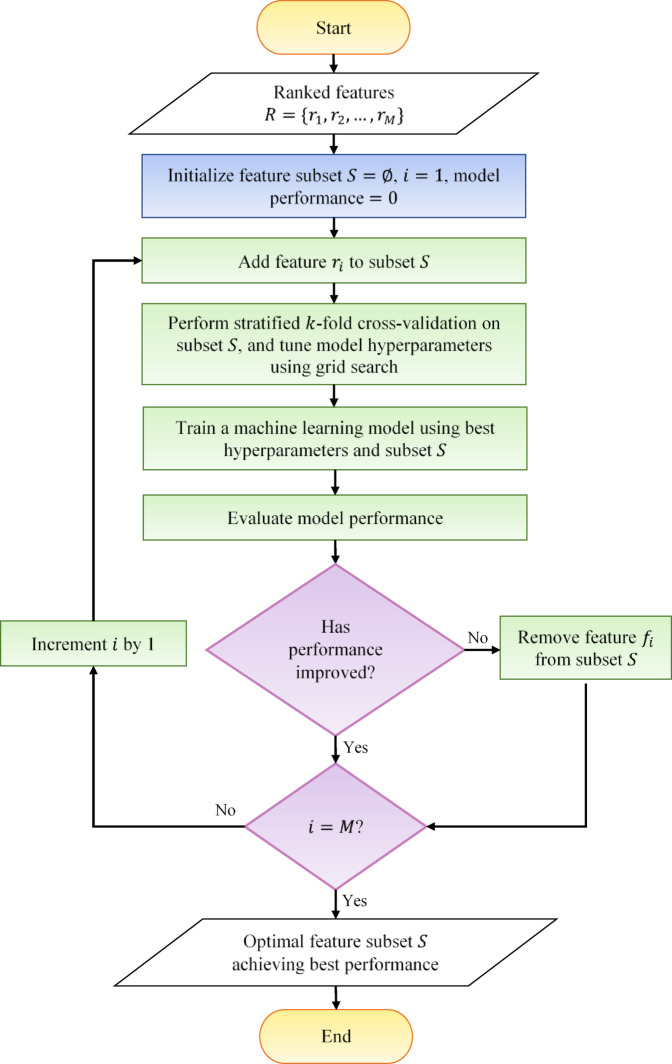 Figure 4
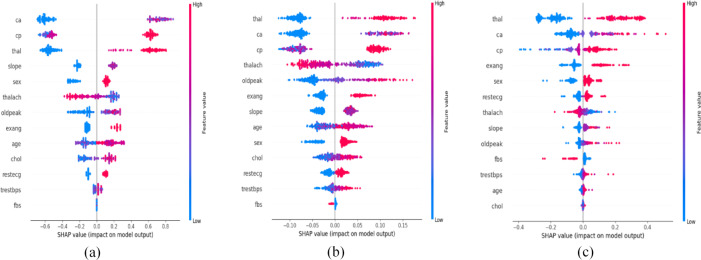 Figure 5
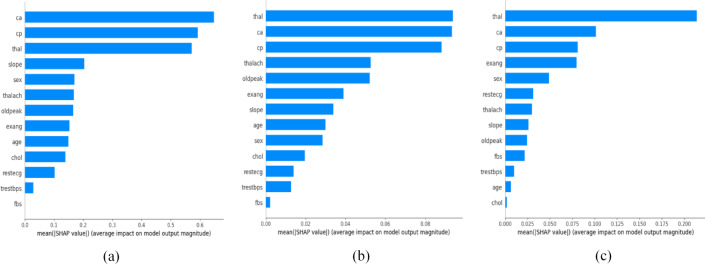 Figure 6
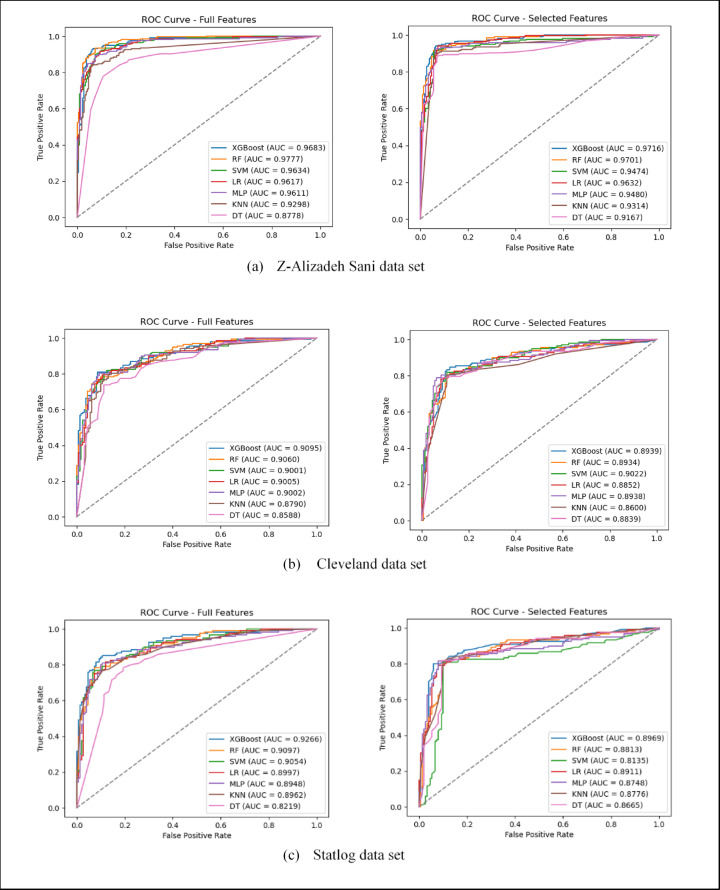 Figure 7
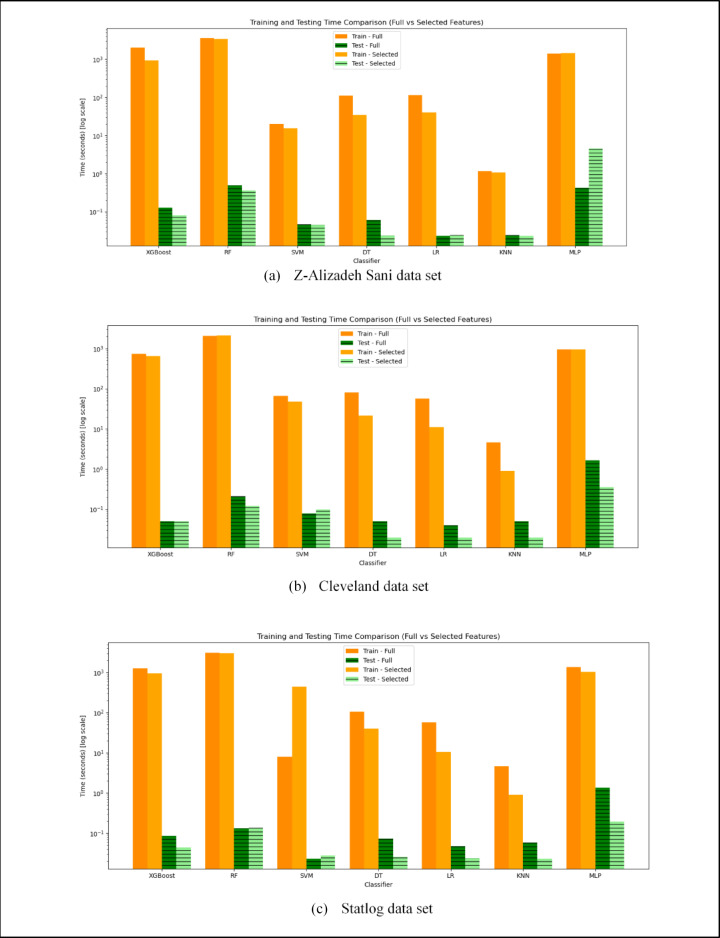 Figure 8
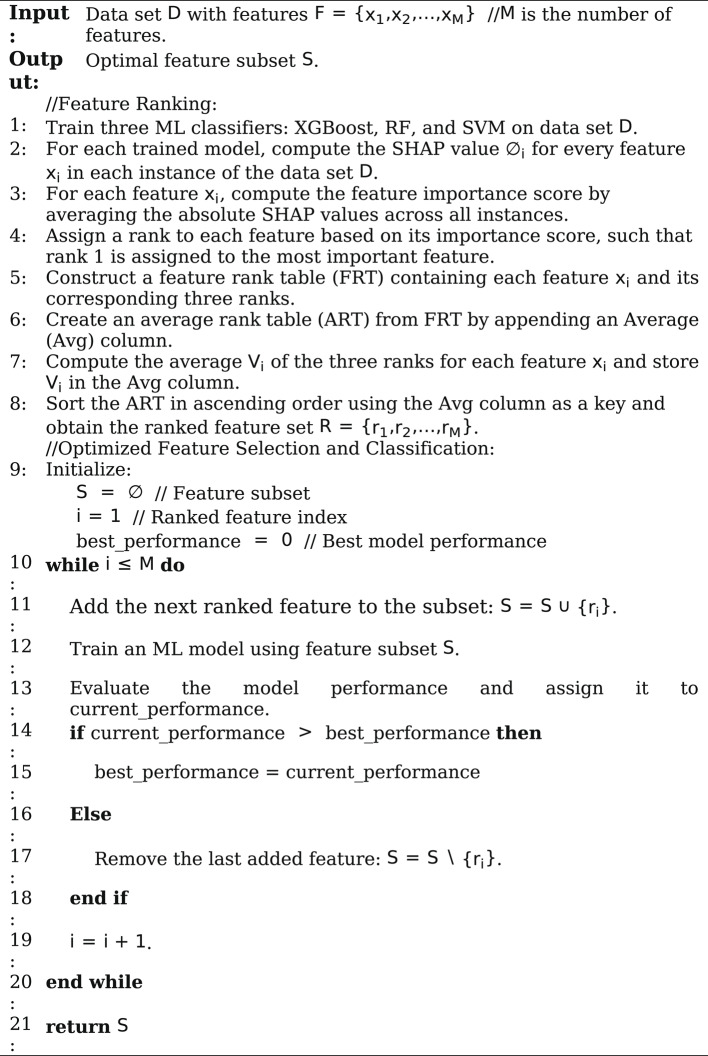 Figure 9
Peer Reviews
No public reviews on file for this paper yet. If you reviewed it on a platform where reviews are public (OpenReview, ICLR, NeurIPS, ICML), you can paste yours below so the community can read it here.
Videos
No videos yet. Explain this paper in a talk, walkthrough, or lecture? Add one.
Taxonomy
TopicsArtificial Intelligence in Healthcare · Cardiovascular Disease and Adiposity · Brain Tumor Detection and Classification