Through the holes: the biotechnological potential of actinoporins (and other PFPs)
Javier Maraver-de-Paz, Diego Heras-Márquez, Juan Palacios-Ortega, Álvaro Martínez-del-Pozo, Sara García-Linares

TL;DR
This paper explores how pore-forming proteins, especially actinoporins, can be repurposed for biotechnology, including creating nanoreactors to break down plastic waste.
Contribution
The paper highlights the novel use of actinoporins as biosustainable nanoreactors for plastic degradation and proposes future improvements for broader applications.
Findings
Actinoporins and other PFPs have been adapted for biosensing, sequencing, and proteomics.
Actinoporins can be converted into nanoreactors for plastic degradation.
Future optimization of PFP-based nanoreactors could improve their activity and specificity.
Abstract
Pore-forming proteins (PFPs) are singular polypeptides used by all kinds of organisms for attack or defence. They defy the stereotypical classification between water-soluble and membrane proteins. Within this large family of proteins, bacterial hemolysins and sea anemone actinoporins stand out as candidates for transforming these toxins into therapeutic or biotechnological devices. Over the past two decades, many examples have been published where these toxic proteins have been adapted to perform single-molecule tasks such as biosensing, sequencing of proteins and nucleic acids, discriminating protein chemical modifications, proteomics analyses, or even the use of DNA in computational approaches. Lately, PFPs have also been incorporated as templates for designing new artificial nanoreactors to catalyse different chemical reactions. A promising alternative within this idea is the recent…
Genes, proteins, chemicals, diseases, species, mutations and cell lines named across the full text — each resolved to its canonical identifier and authoritative record.
Click any figure to enlarge with its caption.
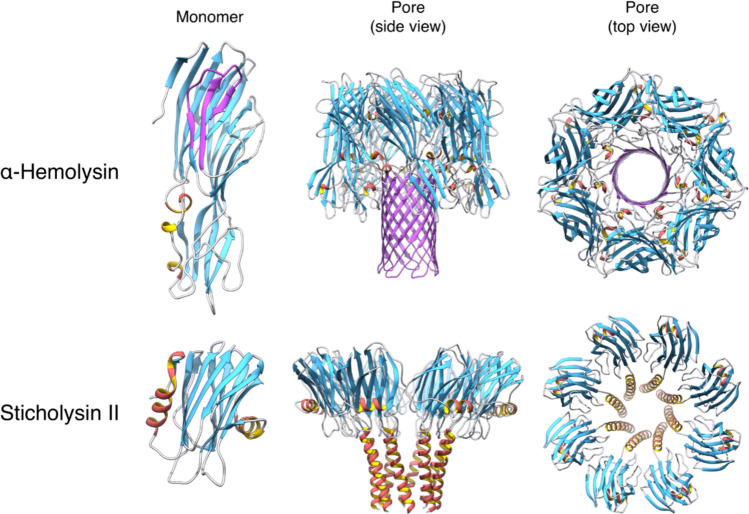 Figure 1
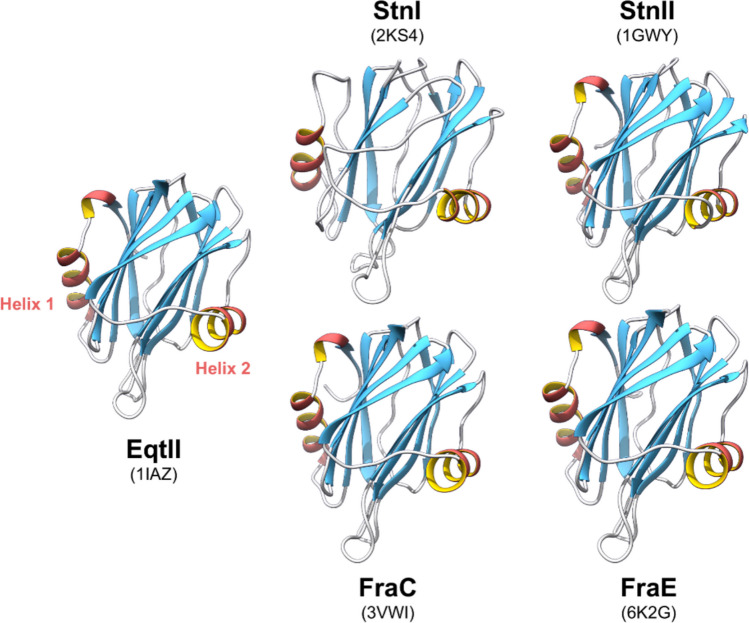 Figure 2
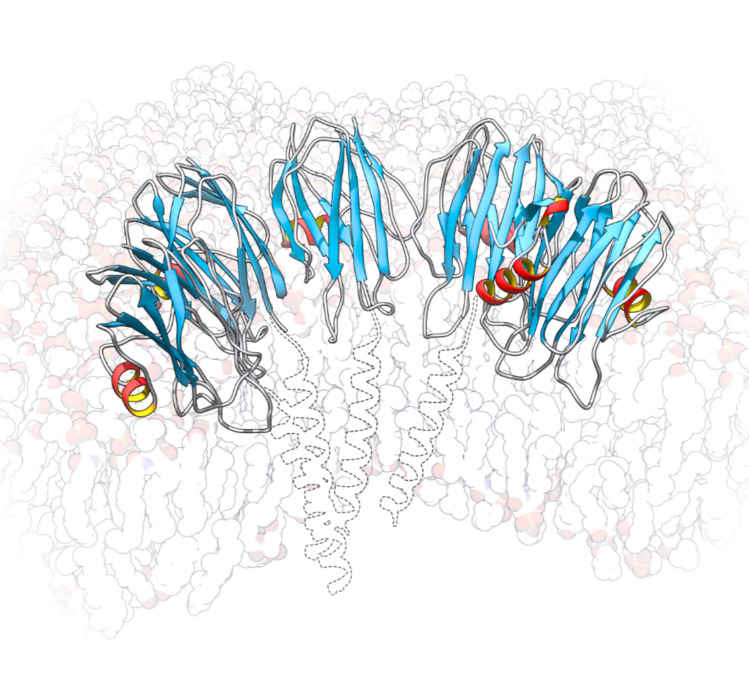 Figure 3
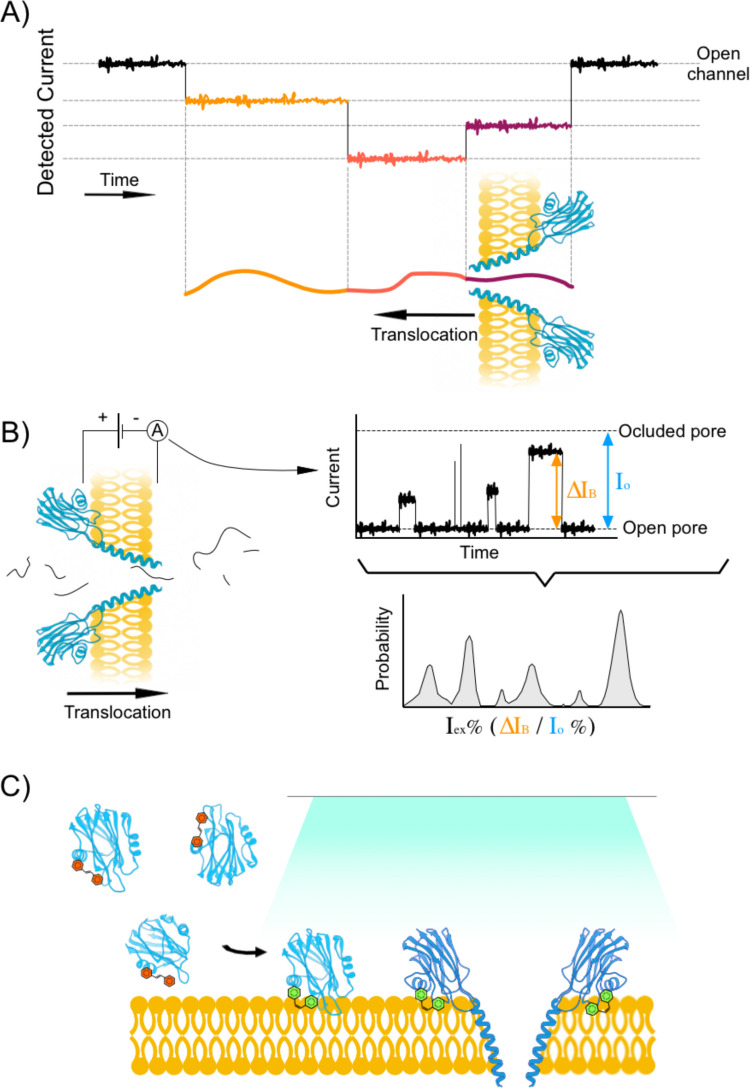 Figure 4
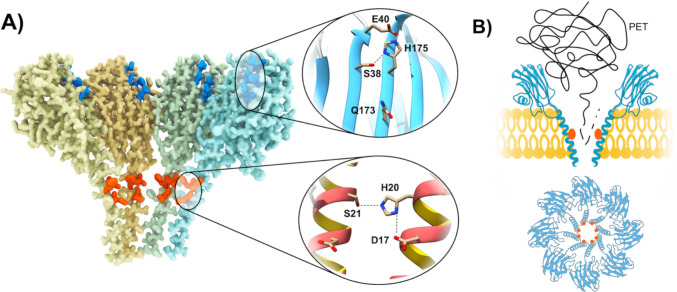 Figure 5
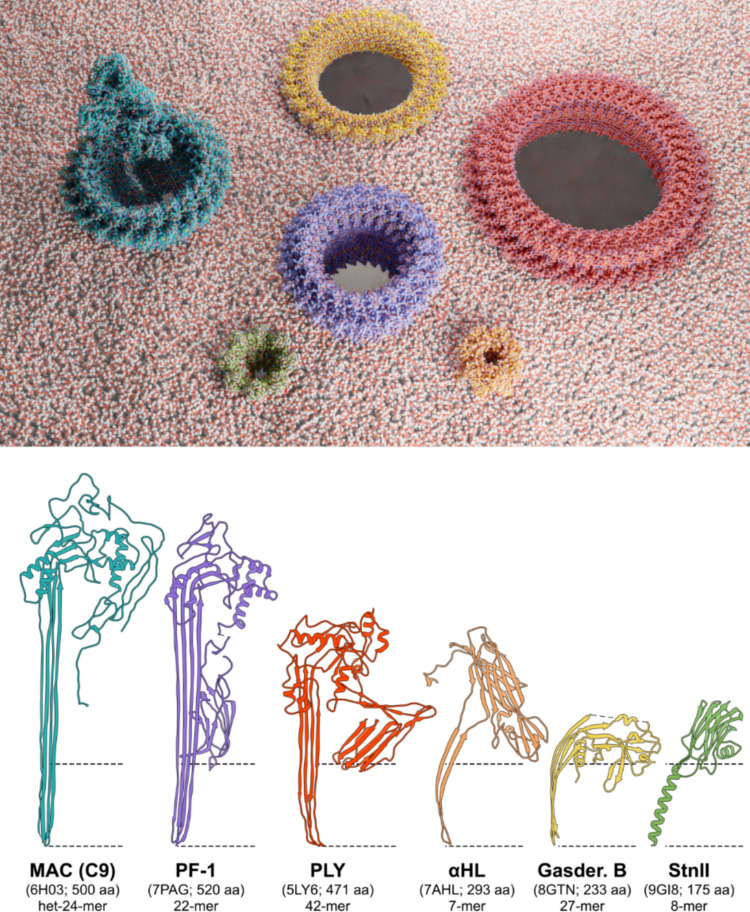 Figure 6
Peer Reviews
No public reviews on file for this paper yet. If you reviewed it on a platform where reviews are public (OpenReview, ICLR, NeurIPS, ICML), you can paste yours below so the community can read it here.
Videos
No videos yet. Explain this paper in a talk, walkthrough, or lecture? Add one.
Taxonomy
TopicsBacteriophages and microbial interactions · Diatoms and Algae Research · Marine Invertebrate Physiology and Ecology