Using atomic force microscopy for physical virology: touching and manipulating single virus particles
Alejandro Díez-Martínez, Klara Strobl, A. Cámara-Ballesteros, R. Delgado-Buscalioni, Pedro José de Pablo

TL;DR
This paper explores how atomic force microscopy can be used to study and manipulate individual virus particles, including imaging, measuring their mechanical properties, and observing virus assembly and disassembly.
Contribution
The paper introduces novel applications of AFM for physical virology, including biomechanical analysis and real-time observation of virus processes.
Findings
AFM can image individual viruses in liquid with high resolution and manipulate single particles.
Mechanical fatigue protocols reveal the mechanical properties of TMV and viral coat proteins.
AFM can trigger genome release in MVM and move viruses across surfaces to measure adhesion strength.
Abstract
Atomic force microscopy (AFM) employs a nanometer-scale tip mounted on a microcantilever to scan surfaces where virus particles have been captured. Beyond generating high-resolution images of individual virions in liquid, AFM offers unique capabilities: manipulation of single particles, investigation of their biomechanical properties, and real-time observation of assembly and disassembly processes, including genome release. This chapter begins by outlining fundamental aspects of virus adsorption and imaging, highlighting, among other factors, the influence of tip-convolution artifacts. These principles are applied to reveal the adsorption behavior of the TGEV coronavirus on surfaces. Subsequent sections detail approaches for probing TMV’s mechanical properties through single-indentation experiments and mechanical fatigue protocols. In this section, the mechanical fatigue approach is…
Genes, proteins, chemicals, diseases, species, mutations and cell lines named across the full text — each resolved to its canonical identifier and authoritative record.
Click any figure to enlarge with its caption.
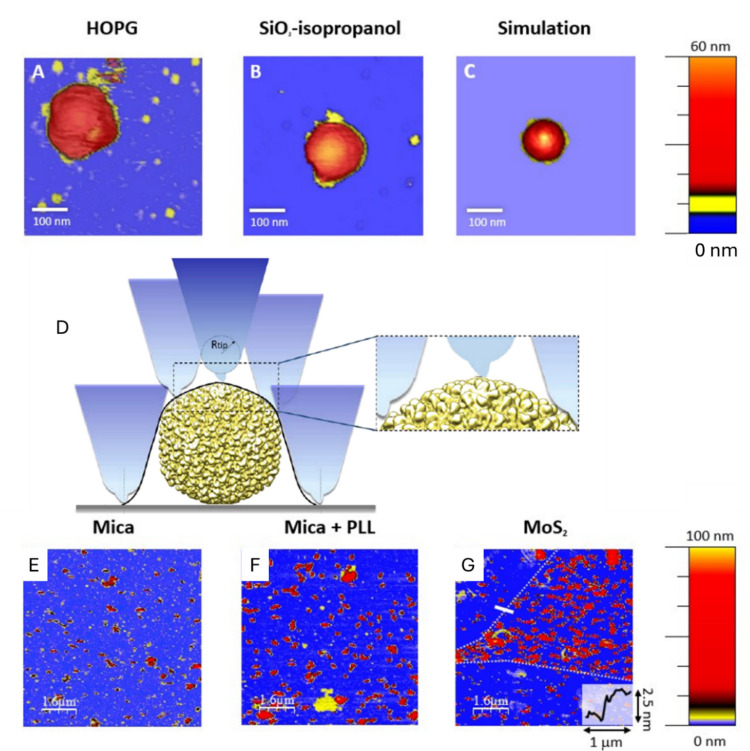 Figure 1
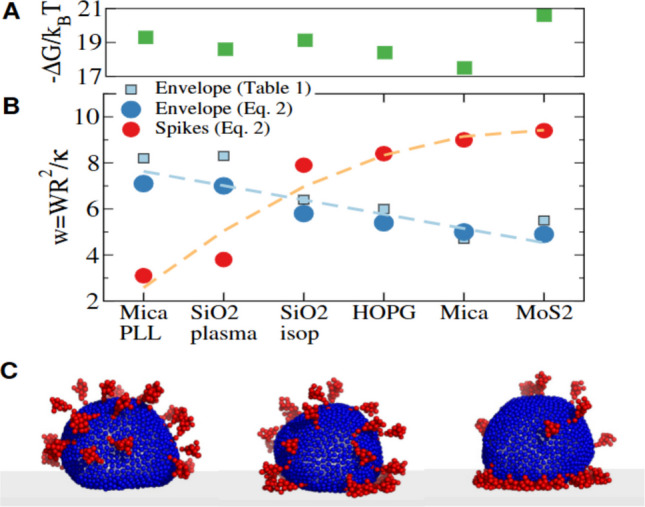 Figure 2
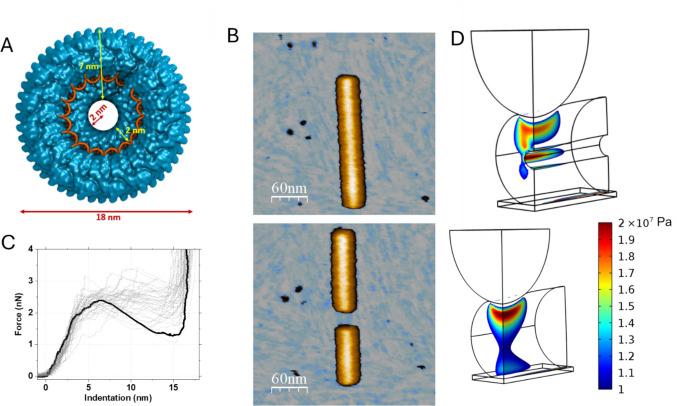 Figure 3
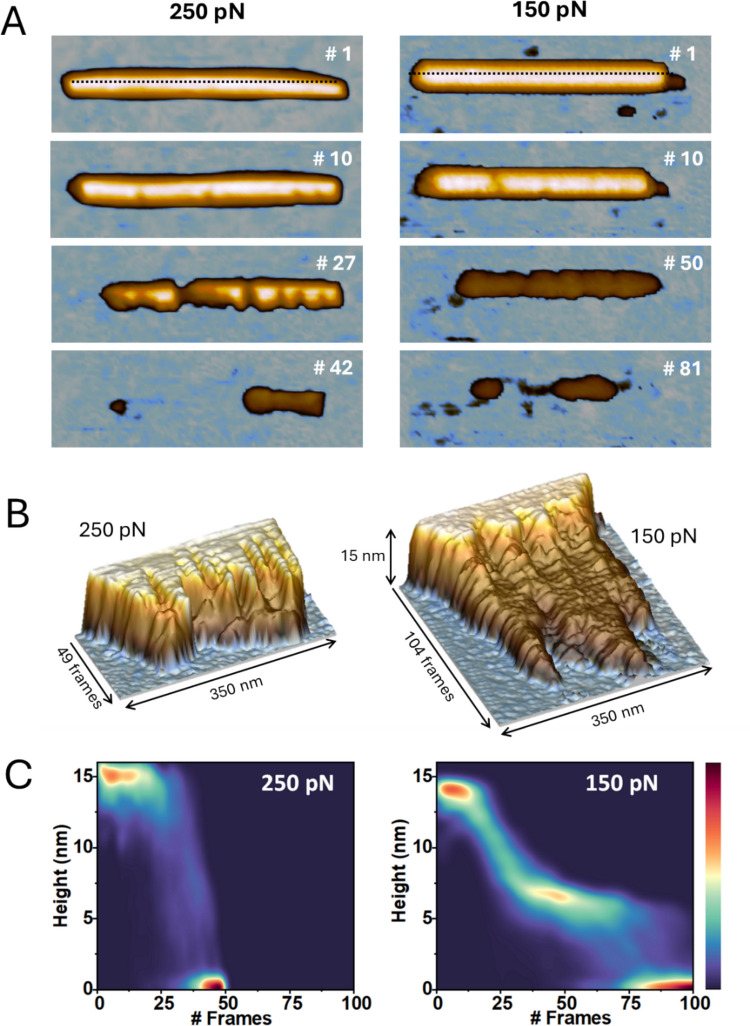 Figure 4
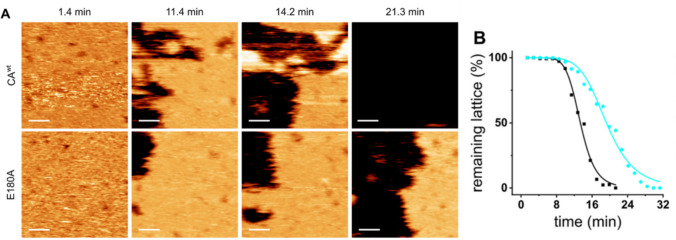 Figure 5
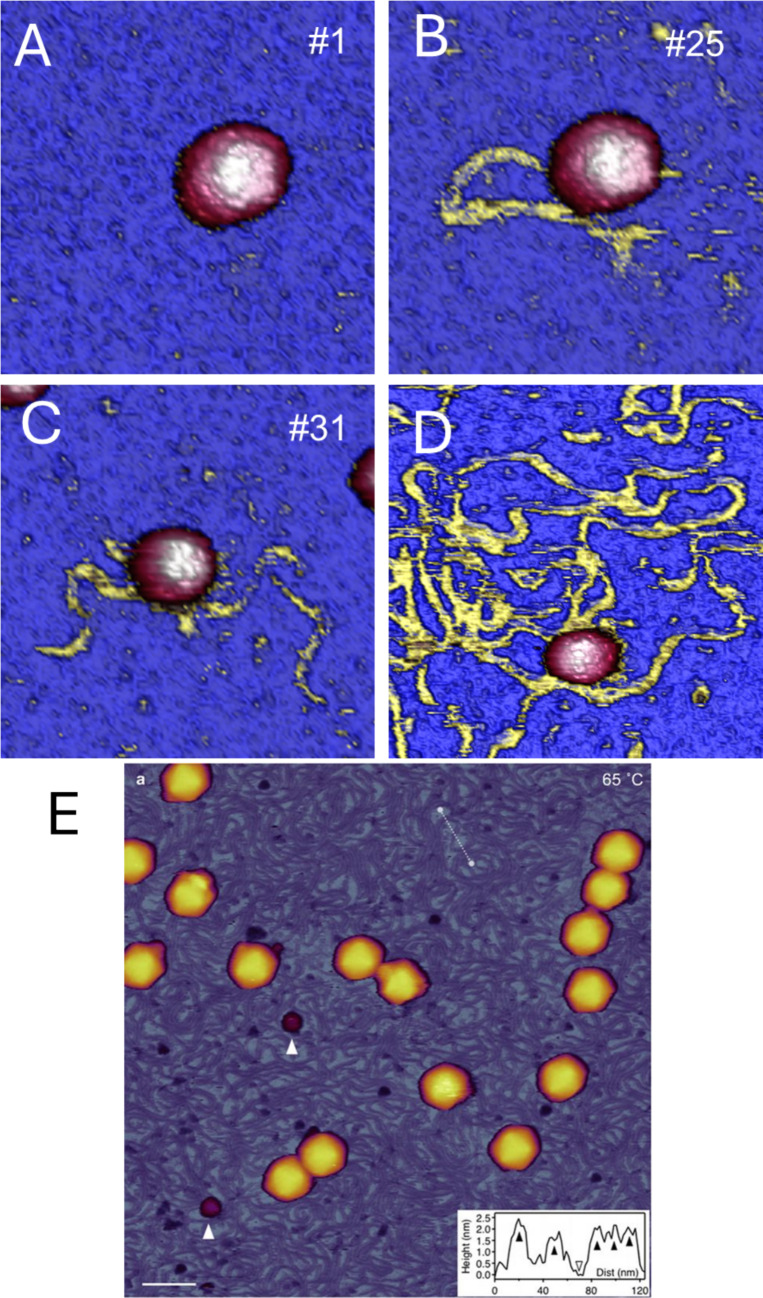 Figure 6
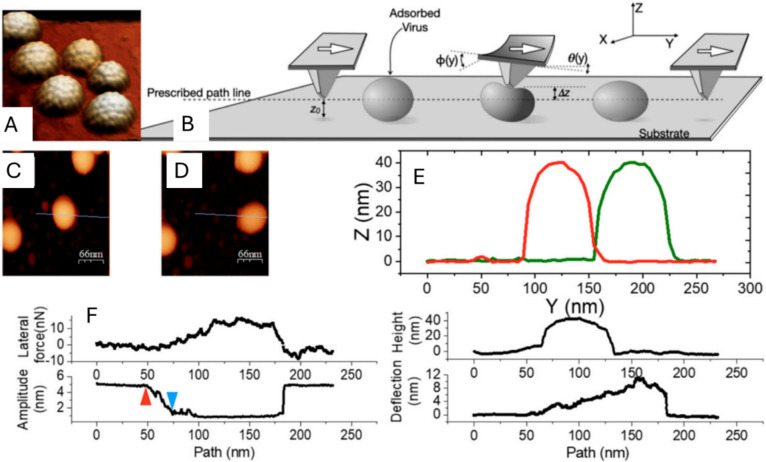 Figure 7
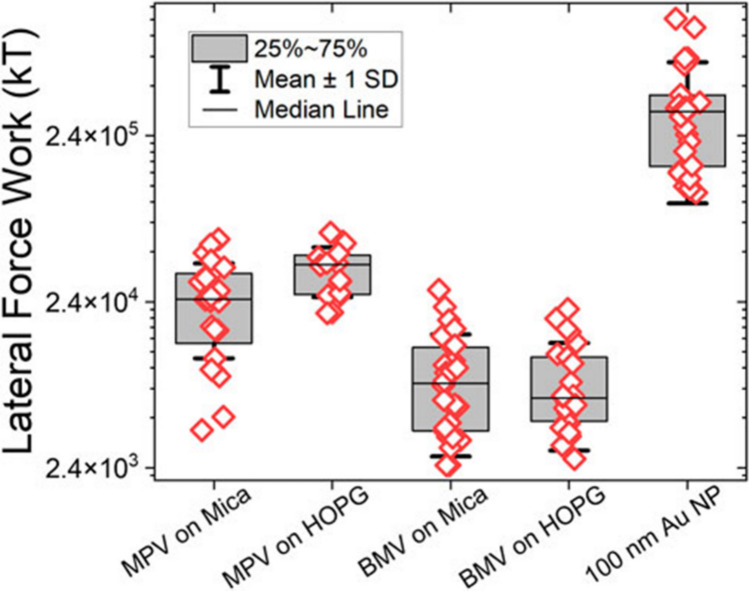 Figure 8
Peer Reviews
No public reviews on file for this paper yet. If you reviewed it on a platform where reviews are public (OpenReview, ICLR, NeurIPS, ICML), you can paste yours below so the community can read it here.
Videos
No videos yet. Explain this paper in a talk, walkthrough, or lecture? Add one.
Taxonomy
TopicsForce Microscopy Techniques and Applications · Mechanical and Optical Resonators · Bacteriophages and microbial interactions