From Dysplasia to Carcinoma: Expression Patterns of Dermokine, Matriptase, and Tryptase in OPMD
Lara Maria Alencar Ramos Innocentini, Mateus Gonçalves Miranda, Carol Kobori da Fonseca, Pedro Franco Ferreira, Leandro Dorigan de Macedo, Graziela Cavalcanti, Luiz Carlos Conti de Freitas, Ana Carolina Fragoso Motta, Alan Grupioni Lourenço, Katiuchia Uzzun Sales

TL;DR
This study explores dermokine, matriptase, and tryptase as potential biomarkers for predicting the progression of oral potentially malignant disorders to cancer.
Contribution
The study identifies altered expression patterns of dermokine, matriptase, and tryptase as potential early indicators of malignant transformation in oral disorders.
Findings
Dermokine, tryptase, and matriptase showed higher expression in OPMD and OOSCC compared to normal mucosa.
Dermokine was predominantly expressed in OPMD and in patients who progressed to malignancy.
Matriptase expression shifted from membranous in normal tissue to diffuse in OPMD and OOSCC.
Abstract
The malignant transformation of oral potentially malignant disorders (OPMDs) lacks reliable molecular markers. Dermokine and matriptase are involved in epithelial differentiation and inflammation, while tryptase is associated with the tumor microenvironment, which may contribute to carcinogenesis. This study investigated these molecules as potential biomarkers for predicting the malignant progression of OPMDs. This was a cross‐sectional comparative study. Paired normal oral mucosa (NM) and OPMD tissues (n = 21) were assessed, while oral and oropharyngeal squamous cell carcinoma (OOSCC) samples (n = 64) were evaluated using tissue microarrays. Proteomic analysis of five OPMD cases identified dermokine, tryptase, and matriptase as potential biomarkers, further examined through clinical, histopathological, and immunohistochemical analyses across NM, OPMD, and OOSCC tissues. Females…
Genes, proteins, chemicals, diseases, species, mutations and cell lines named across the full text — each resolved to its canonical identifier and authoritative record.
Click any figure to enlarge with its caption.
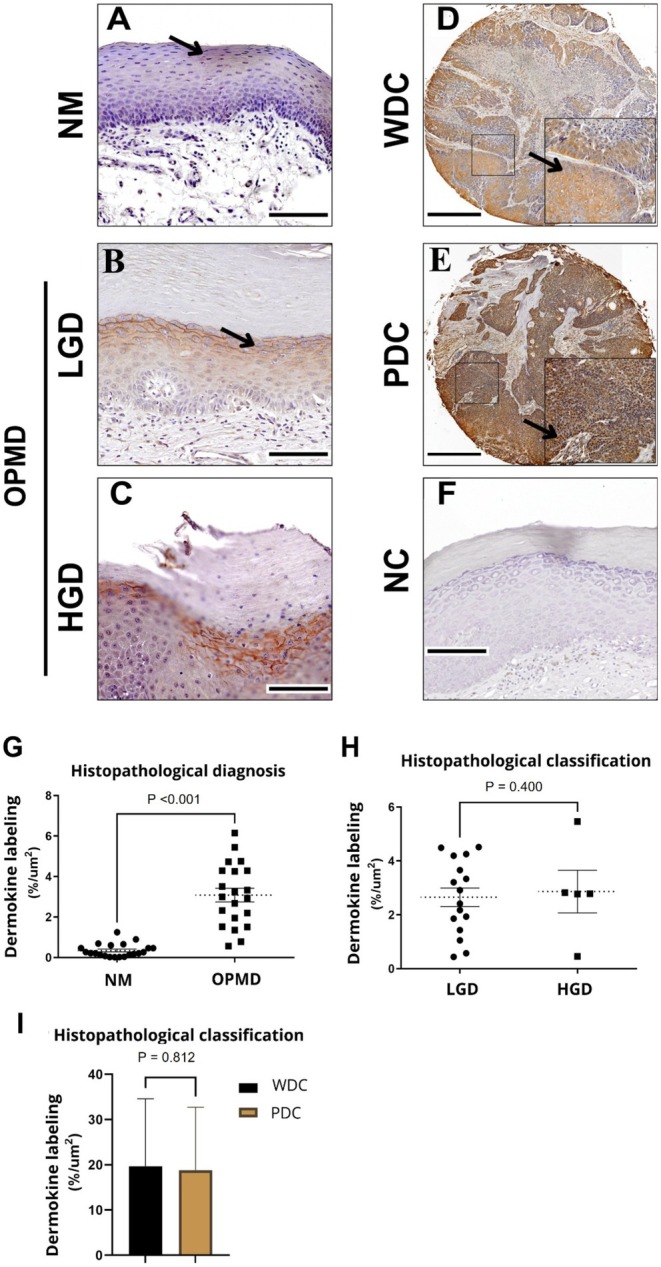 Figure 1
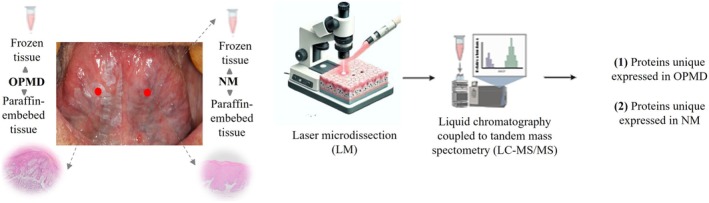 Figure 2
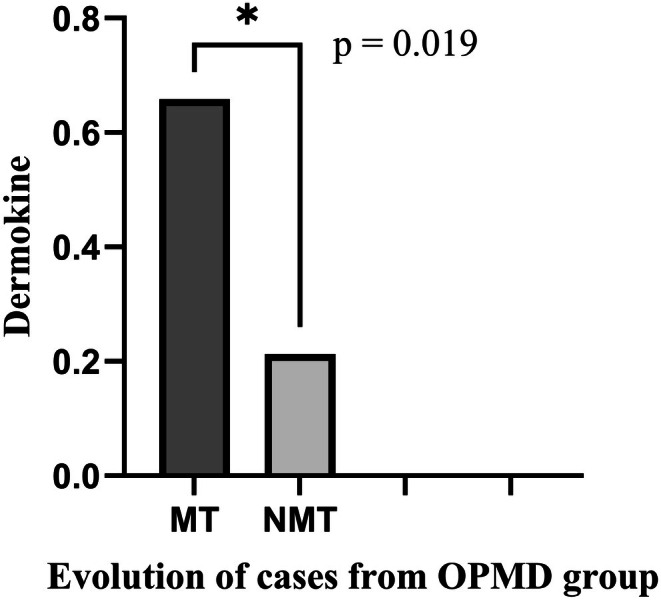 Figure 3
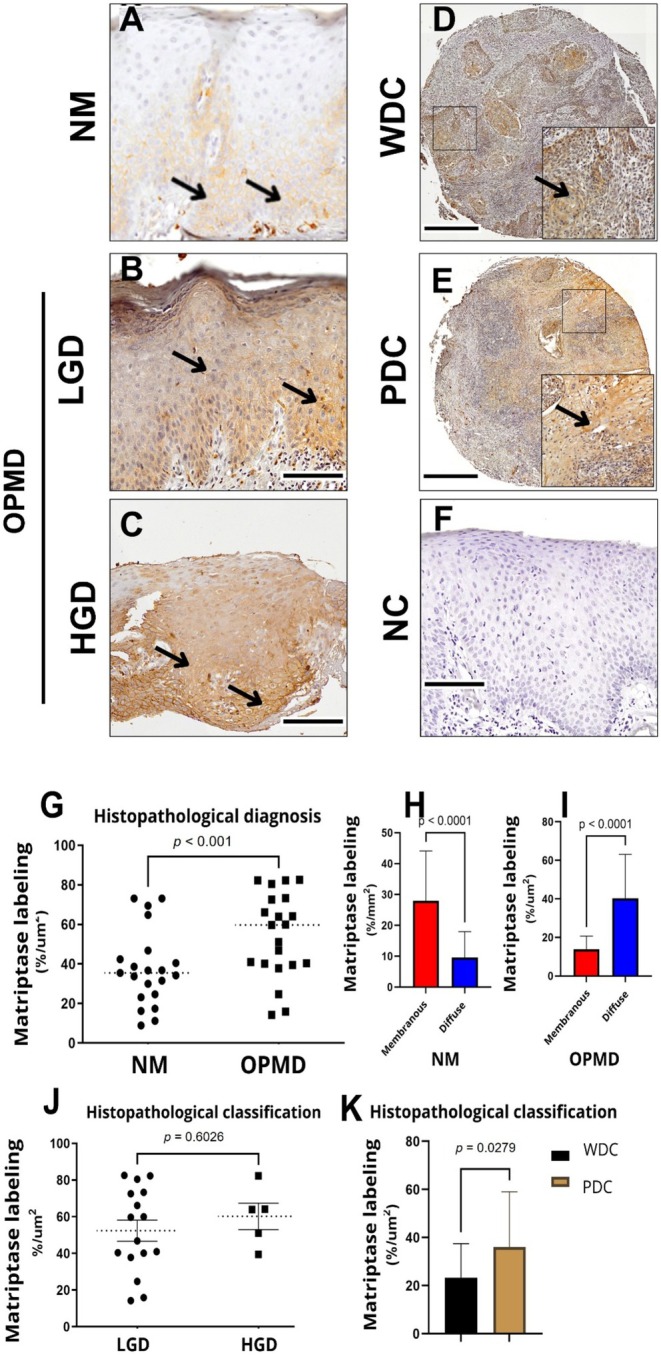 Figure 4
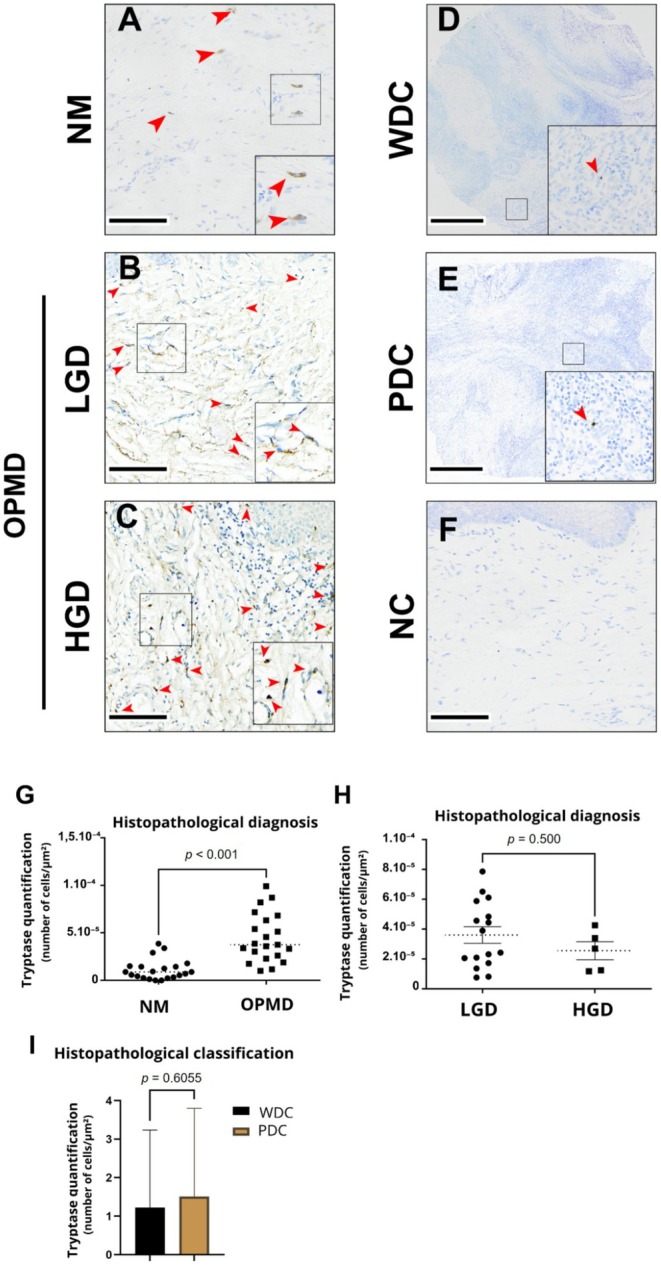 Figure 5
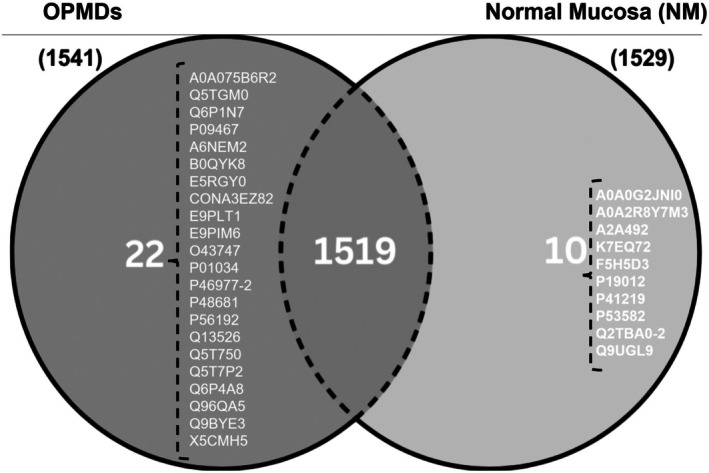 Figure 6
Peer Reviews
No public reviews on file for this paper yet. If you reviewed it on a platform where reviews are public (OpenReview, ICLR, NeurIPS, ICML), you can paste yours below so the community can read it here.
Videos
No videos yet. Explain this paper in a talk, walkthrough, or lecture? Add one.
Taxonomy
TopicsOral Health Pathology and Treatment · Salivary Gland Tumors Diagnosis and Treatment · Oral and Maxillofacial Pathology