Formative Structured Oral Examination as a Novel Method of Academic Mentoring for Slow and Medium Achievers in Medical Biochemistry: A Mixed-Method Study
Zachariah Bobby, Monisha Muralidharan, Hanumanthappa Nandeesha, Ramesh R, Devanatha Desikan V, Deepthi Sudha M, Zayapragassarazan Z

TL;DR
A new mentoring method called FSOE improved learning outcomes for medical students struggling in biochemistry.
Contribution
Introduces and validates the Formative Structured Oral Examination (FSOE) as an effective academic mentoring tool for slow and medium achievers in medical education.
Findings
FSOE significantly improved post-test scores in biochemistry topics for low and medium achievers.
Students showed large effect sizes in scores after FSOE sessions, with further improvement after a second cycle.
Feedback revealed enhanced understanding, engagement, and reduced stress, though logistical issues were noted.
Abstract
Introduction: Academic mentoring is essential for graduate students who are slow or medium achievers. Yet, the usefulness of the Formative Structured Oral Examination (FSOE) as a tool for academic mentoring has not been studied. This study aims to assess the utility of FSOE as a tool for fostering academic mentoring among slow and medium achievers. Methods: A convergent mixed-method study was conducted among 52 first-year MBBS students, covering three biochemistry topics with residents serving as resource persons. The study included both a quantitative single-group pre-post quasi-experimental component and an exploratory qualitative component (feedback and focus group discussions). Two cycles of FSOE were performed for each topic, with one student at a time and pre-prepared color cards. Each FSOE session lasted approximately one hour. Multiple-choice pre- and post-tests were conducted…
Genes, proteins, chemicals, diseases, species, mutations and cell lines named across the full text — each resolved to its canonical identifier and authoritative record.
Click any figure to enlarge with its caption.
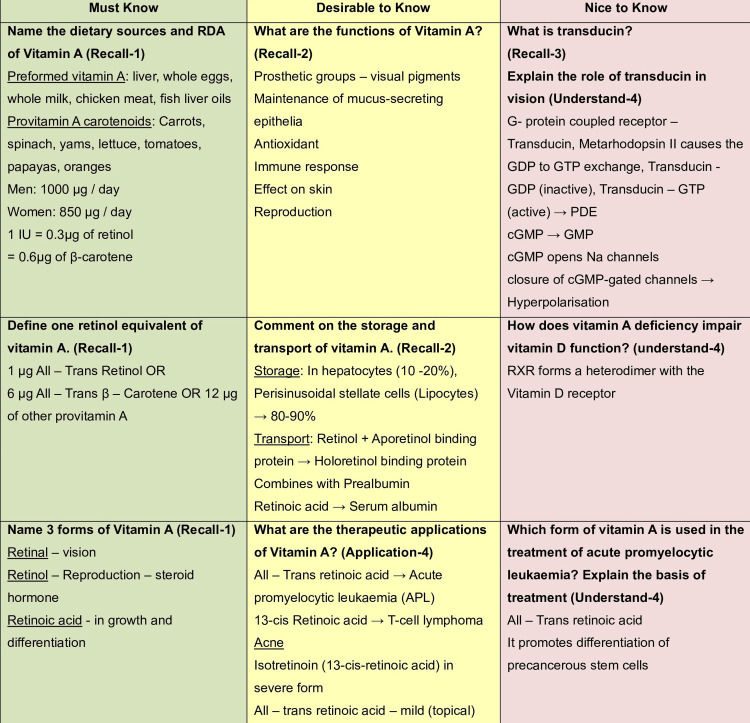 Figure 1
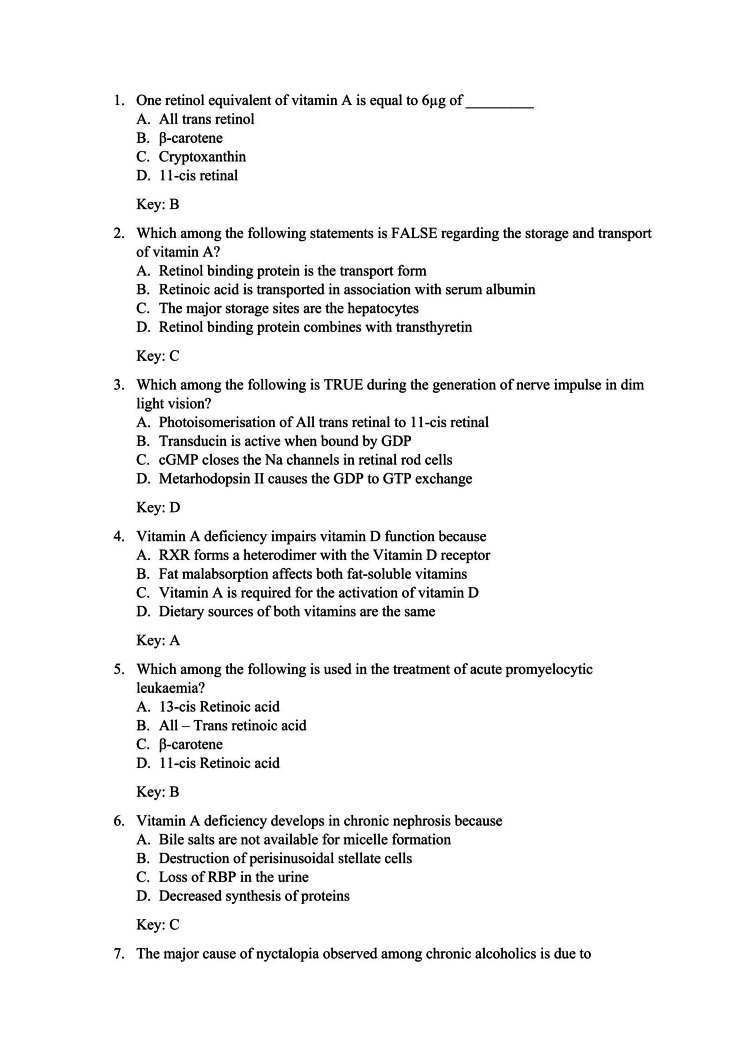 Figure 2
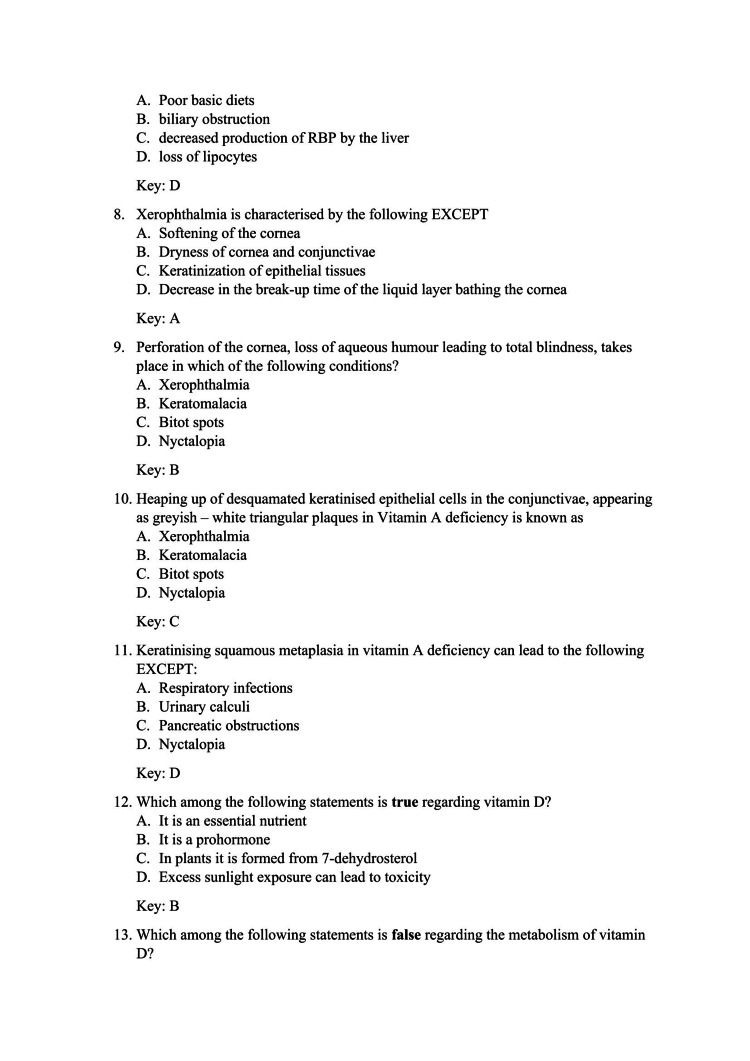 Figure 3
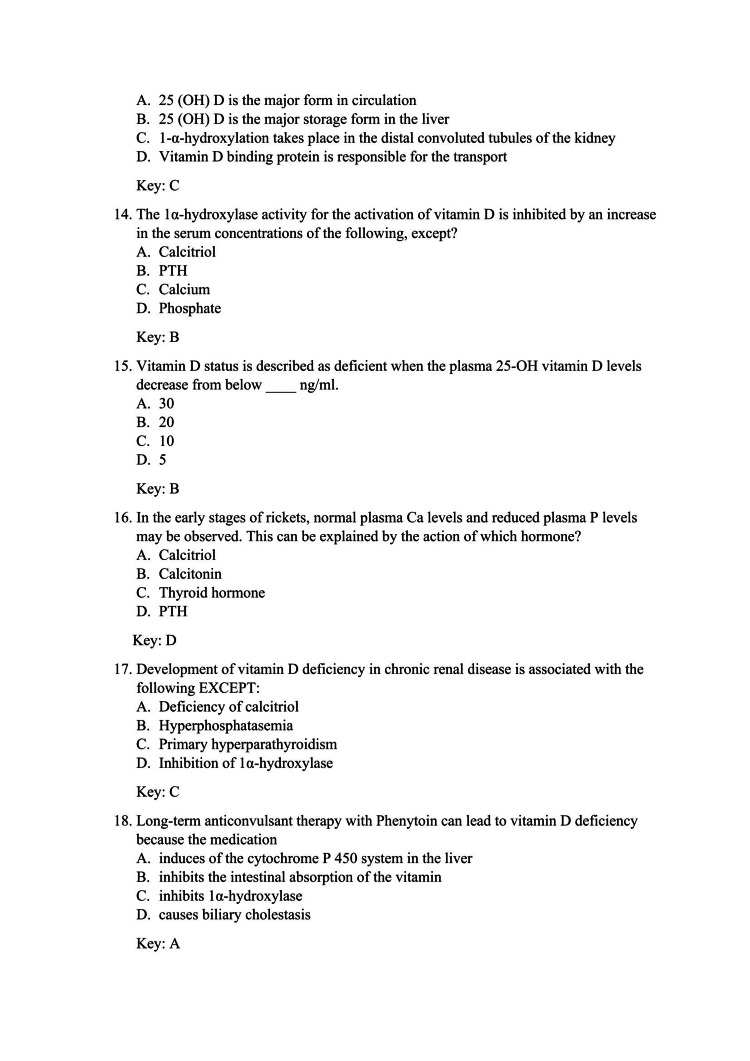 Figure 4
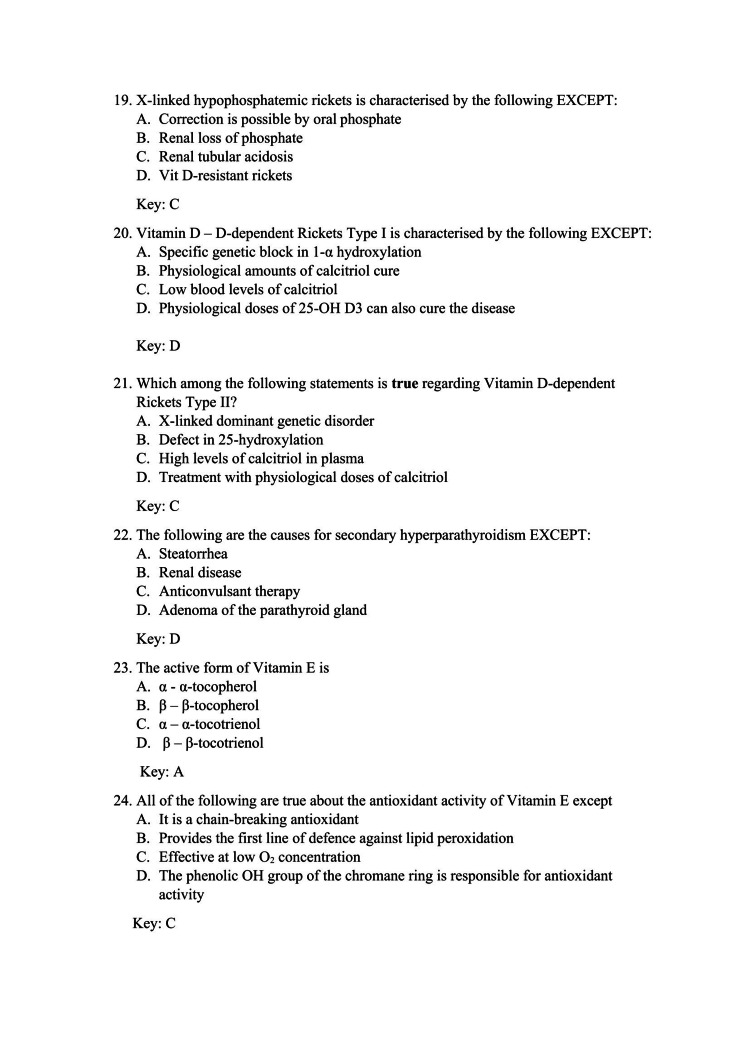 Figure 5
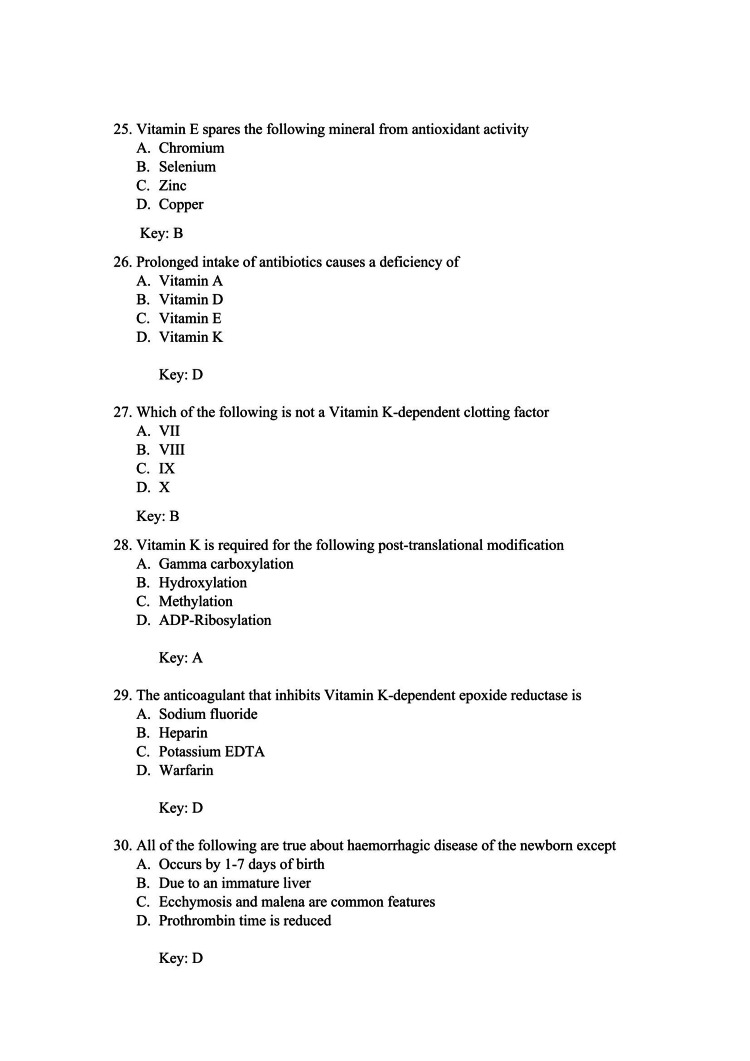 Figure 6
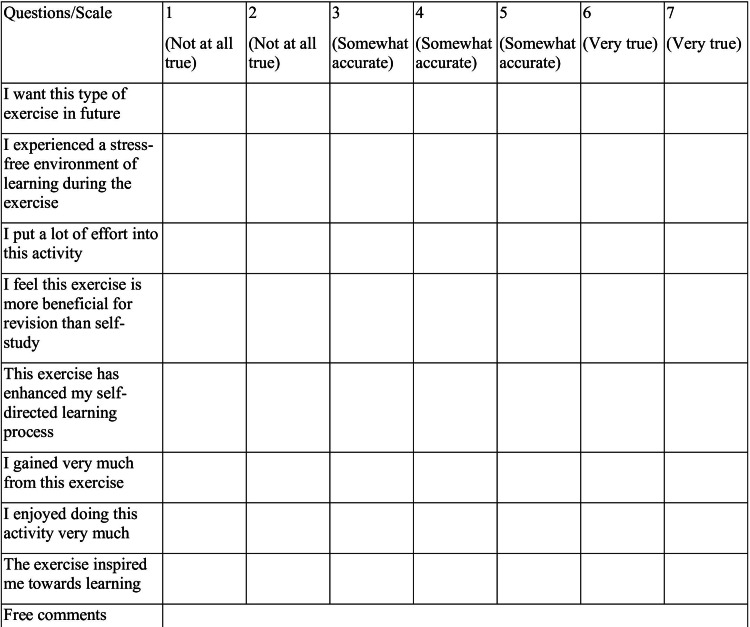 Figure 7
Peer Reviews
No public reviews on file for this paper yet. If you reviewed it on a platform where reviews are public (OpenReview, ICLR, NeurIPS, ICML), you can paste yours below so the community can read it here.
Videos
No videos yet. Explain this paper in a talk, walkthrough, or lecture? Add one.
Taxonomy
TopicsMentoring and Academic Development · Health and Medical Research Impacts · Various Chemistry Research Topics