Sensitive voltammetric detection of bosentan using gold nanoparticles-decorated pencil graphite electrode in pharmaceutical formulations and plasma samples
Yossra A. Trabik, Reham A. Ismail, Miriam F. Ayad, Lobna A. Hussein, Amr M. Mahmoud

TL;DR
A new eco-friendly electrochemical sensor using gold nanoparticles on a pencil graphite electrode was developed to detect bosentan in pharmaceuticals and plasma with high accuracy.
Contribution
The study introduces a sensitive and green electrochemical method for bosentan detection using gold nanoparticle-modified electrodes.
Findings
The sensor achieved a dynamic range of 2.5 × 10⁻⁷ to 2.5 × 10⁻⁵ M with a detection limit of 7.92 × 10⁻⁸ M.
The method was validated for accuracy and precision in pharmaceutical dosage forms and human plasma.
The analytical method received a high greenness score of 78.0 and an AGREE score of 0.65.
Abstract
In this study, a new eco-friendly electrochemical sensor was effectively designed and utilized to analyze bosentan (BOS); an endothelin receptor antagonist (ERA) that helps in the management of pulmonary artery hypertension (PAH), in its pharmaceutical dosage forms and in human plasma samples. Our approach involves BOS electro-oxidation on a gold nanoparticles- modified pencil graphite electrode (PGE) surface in order to improve electrode sensitivity and increase peak current. Gold nanoparticles (Au-NPs) were electrochemically deposited onto the electrode surface using cyclic voltammetry (CV). With the aid of differential pulse voltammetry, a quantitative determination of BOS was obtained in 0.1 M KCl across a potential range of 0.00 to 1.8 V. The method’s validation was performed in compliance with International Council for Harmonization of Technical Requirements for Pharmaceuticals…
Genes, proteins, chemicals, diseases, species, mutations and cell lines named across the full text — each resolved to its canonical identifier and authoritative record.
Click any figure to enlarge with its caption.
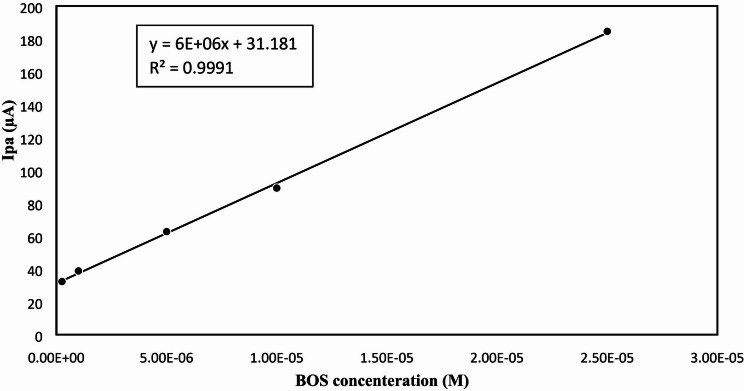 Figure 10
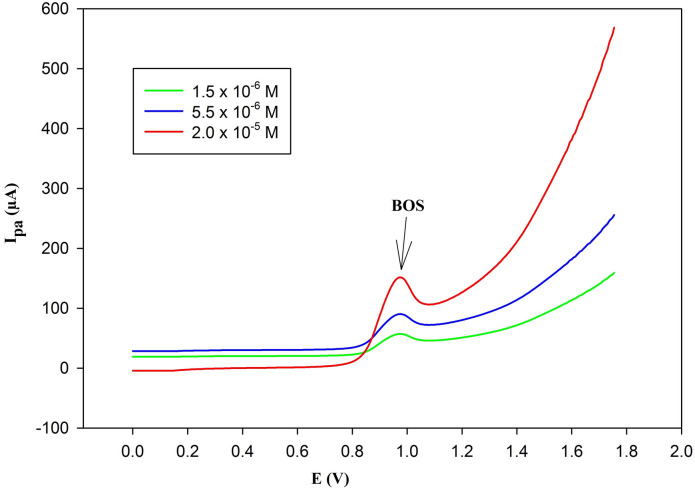 Figure 11
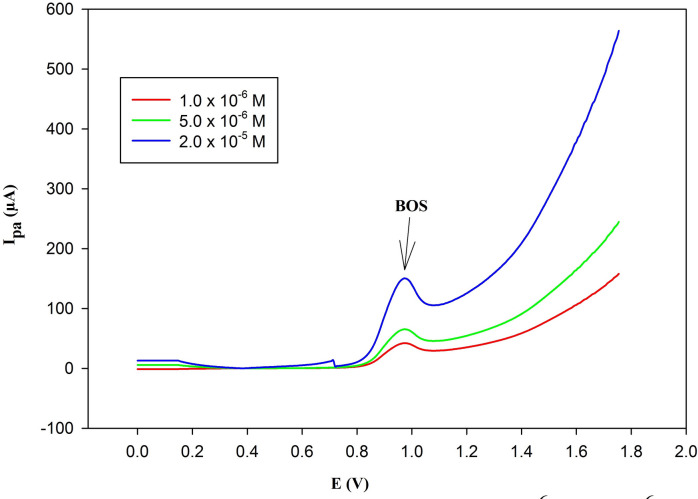 Figure 12
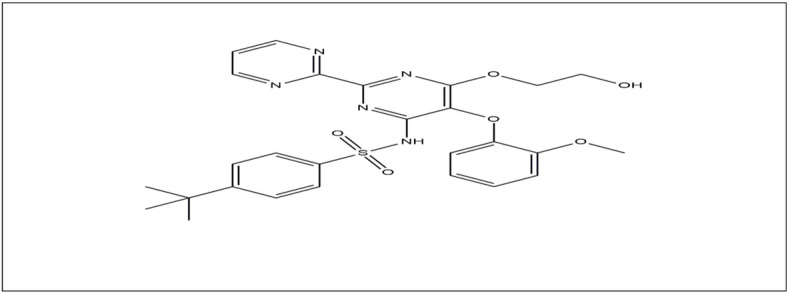 Figure 1
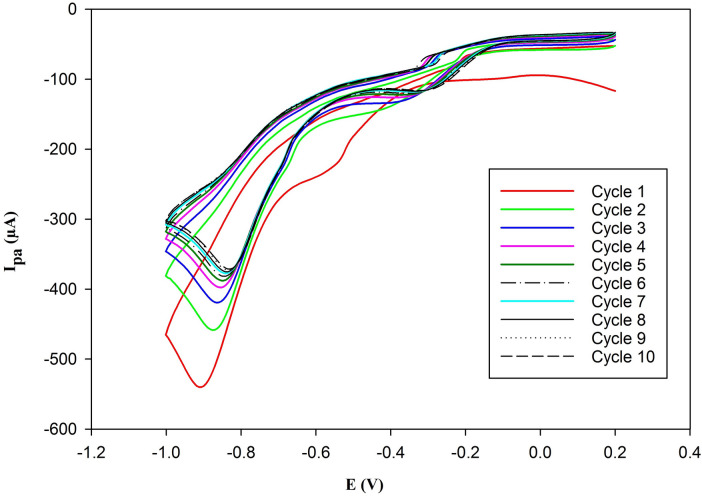 Figure 2
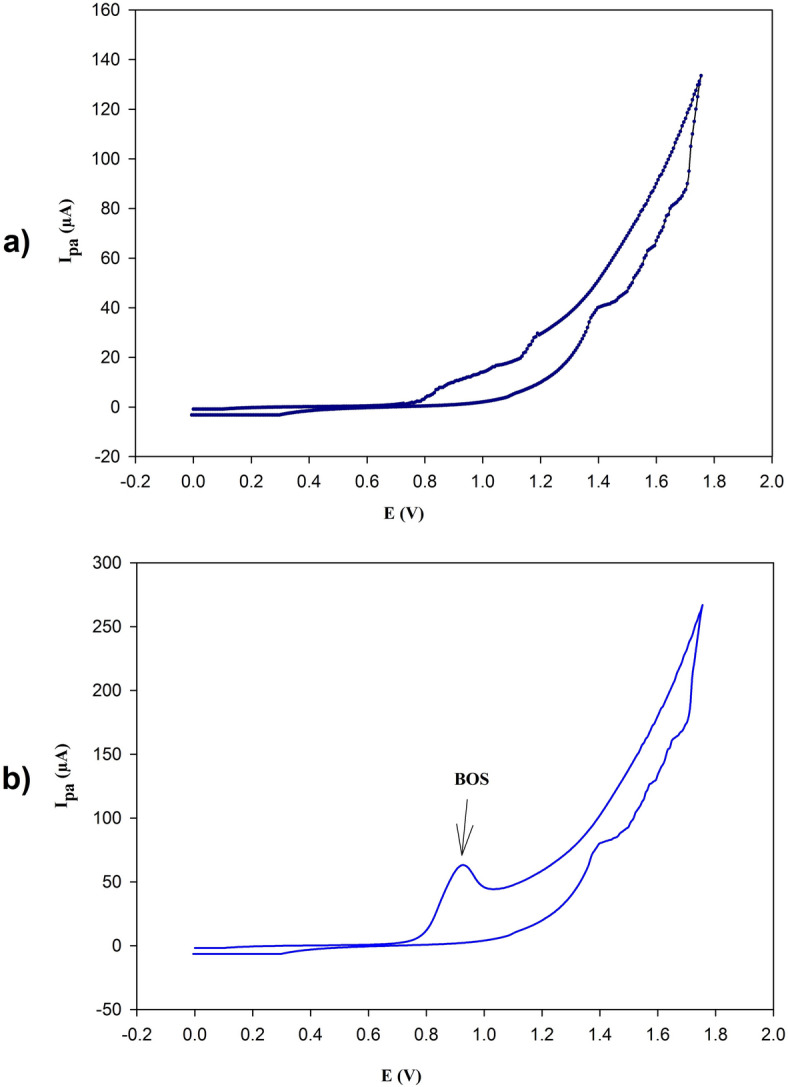 Figure 3
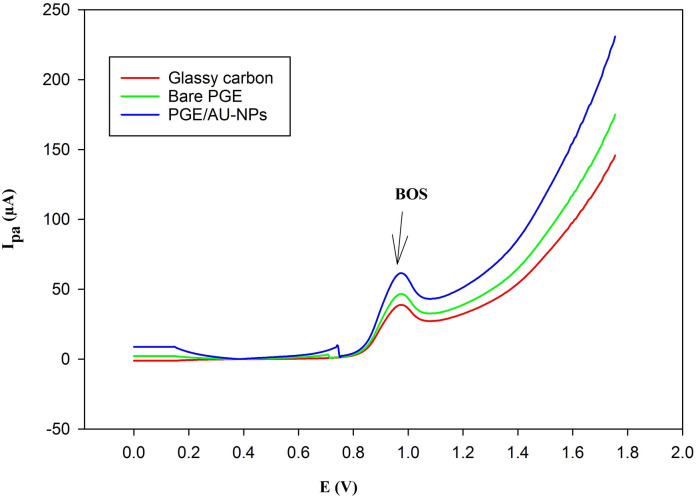 Figure 4
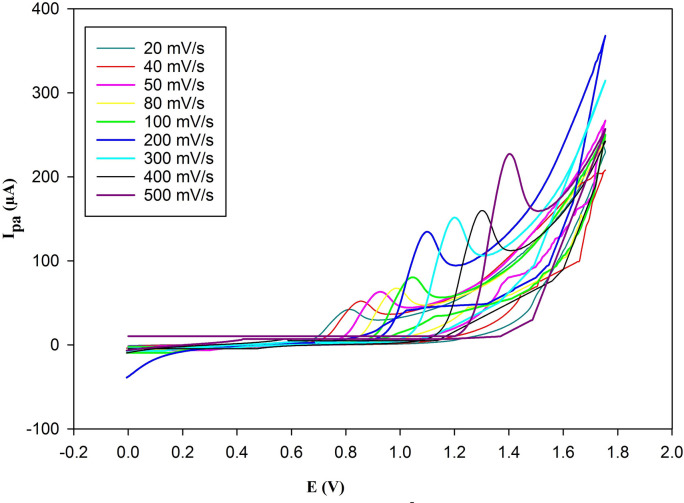 Figure 5
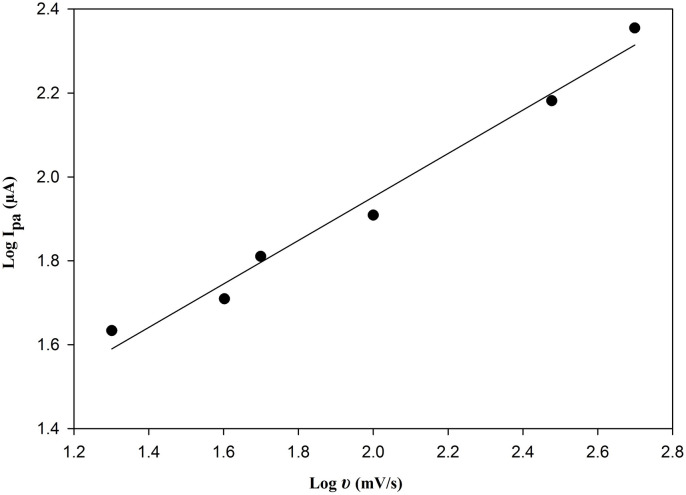 Figure 6
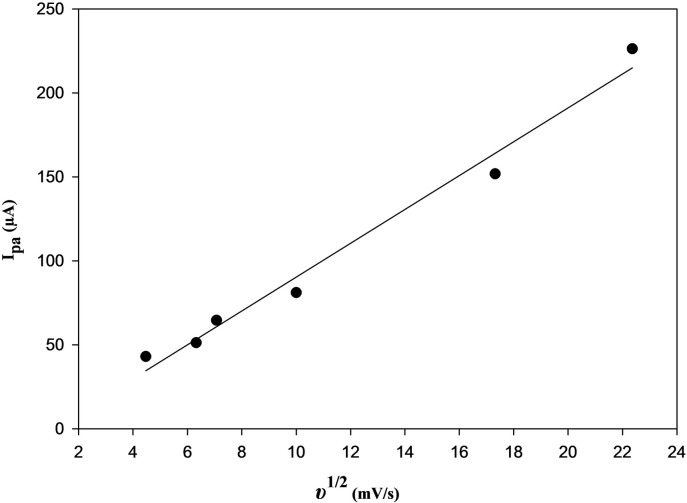 Figure 7
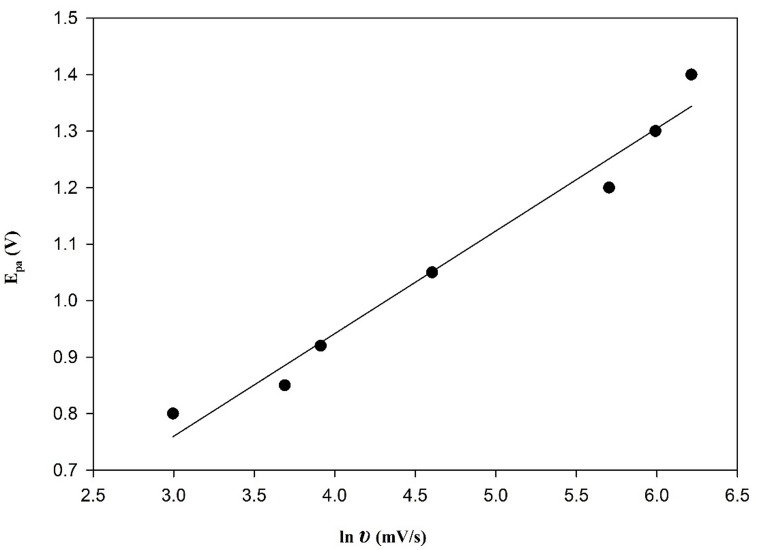 Figure 8
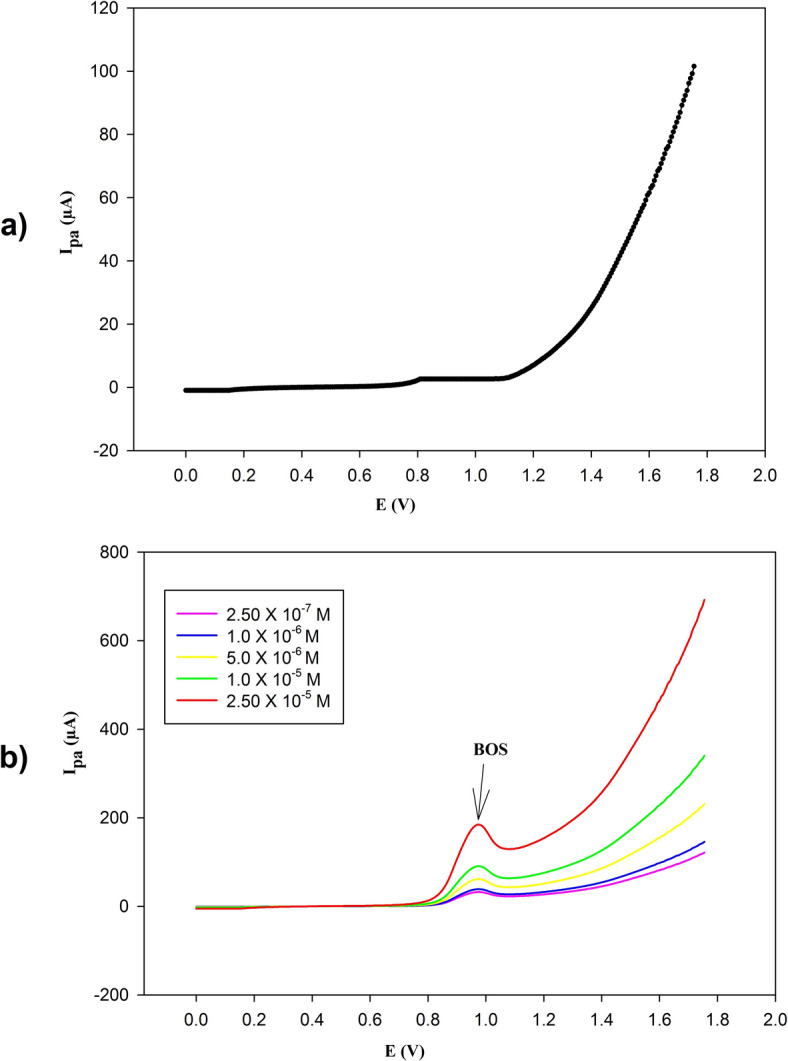 Figure 9
 Figure 13
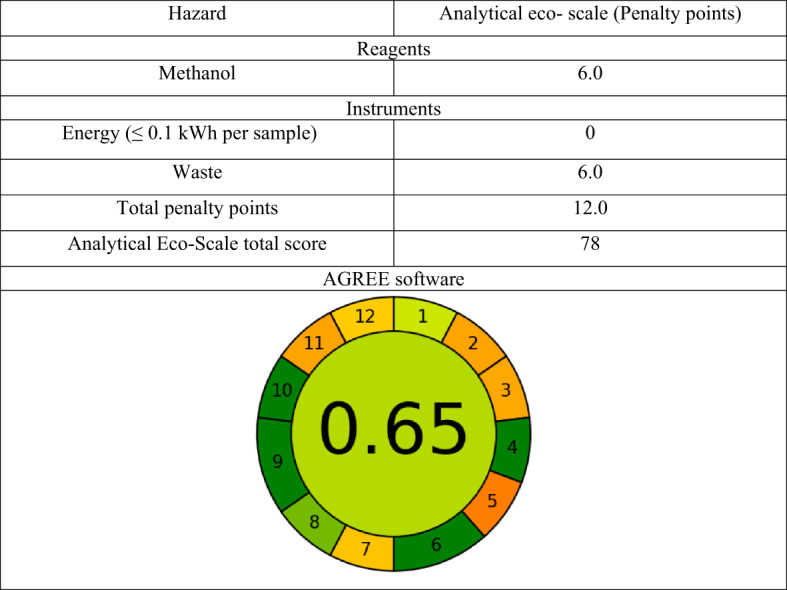 Figure 14
Peer Reviews
No public reviews on file for this paper yet. If you reviewed it on a platform where reviews are public (OpenReview, ICLR, NeurIPS, ICML), you can paste yours below so the community can read it here.
Videos
No videos yet. Explain this paper in a talk, walkthrough, or lecture? Add one.
Taxonomy
TopicsElectrochemical sensors and biosensors · Dye analysis and toxicity · Paraquat toxicity studies and treatments