Unveiling of phytochemicals, antioxidants, cytotoxic effects and anthelmintic potency of green tea (Camellia sinensis) beverage against albendazole resistant Hamonchus contortus
Noha M. F. Hassan, Bassma S. M. Elsawy, Mohamed A. Helal, Marwa H. Mahmoud, Nadia M. T. Abu El-Ezz, Hatem A. Shalaby

TL;DR
Green tea shows strong anthelmintic effects against drug-resistant Haemonchus contortus, a parasite affecting livestock, without harming cell viability.
Contribution
Green tea beverage is shown to be a safe and effective alternative anthelmintic against albendazole-resistant Haemonchus contortus.
Findings
Green tea exhibited high antioxidant activity and phenolic content, including significant DPPH radical scavenging and ferric reducing power.
Green tea caused complete inhibition of H. contortus egg hatchability and larval motility at low concentrations.
Green tea caused structural deformities in H. contortus eggs and larvae and showed no cytotoxic effects on BJ1 cell lines.
Abstract
Haemonchus contortus remains the main multidrug resistant strongyle threatened livestock productivity. The phytochemical components of green tea beverage (GT) might provide an alternative and sustainable anthelmintic effect. Therefore, this study aimed to evaluate the anthelmintic effect of GT beverage against albendazole resistant H. contortus from naturally infected sheep. Albendazole resistance was detected through egg hatch inhibition assay. Assessment of GT phytochemicals, antioxidant ability, anthelmintic effect and cytotoxicity MTT (dimethylthiazol-diphenyltetrazolium bromide) colorimetric assay were achieved. The GT was of high Total Phenolic Content; 555.32 mg gallic acid equivalents /g. Remarkable GT antioxidant qualities were noted where, 1,1-diphenyl-2-picrylhydrazyl (DPPH) radical scavenging activity (85.14%), DPPH antioxidant activity as 907.57 mg vitamin C/g equivalents,…
Genes, proteins, chemicals, diseases, species, mutations and cell lines named across the full text — each resolved to its canonical identifier and authoritative record.
Click any figure to enlarge with its caption.
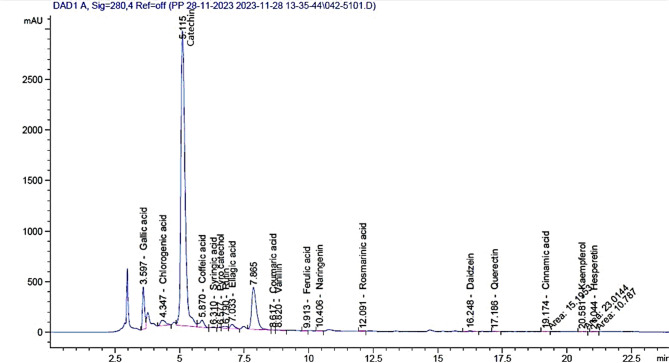 Figure 1
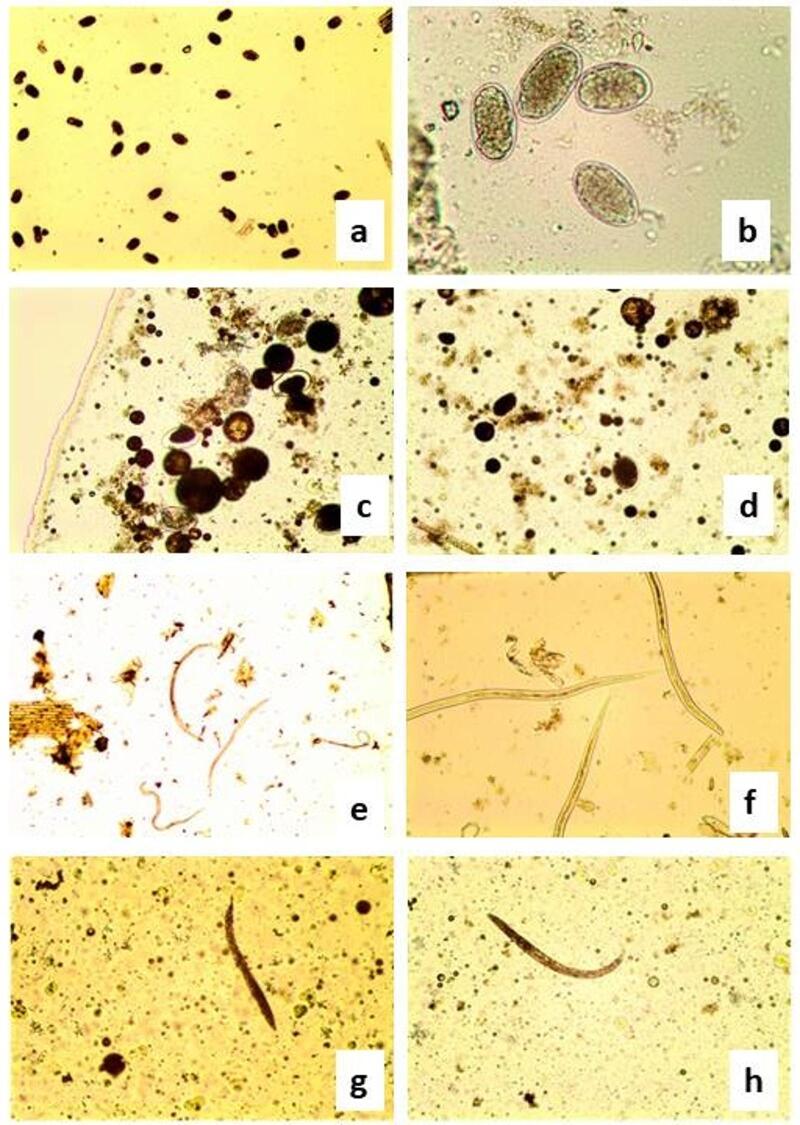 Figure 2
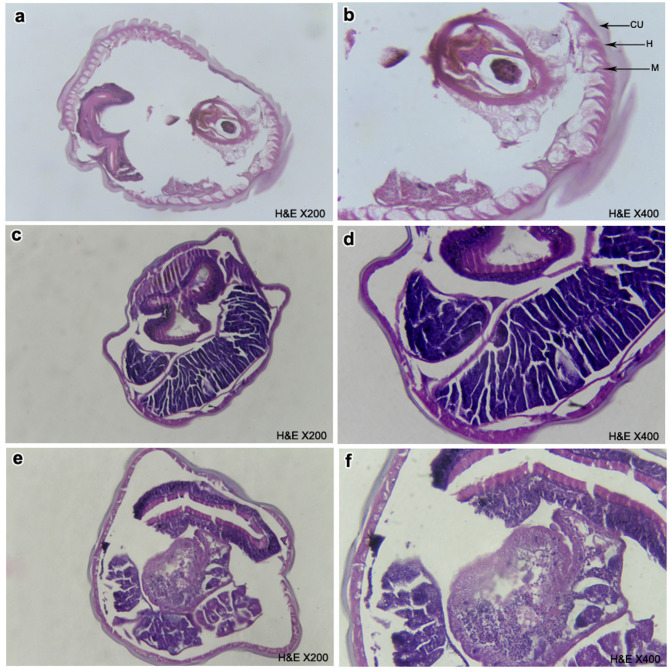 Figure 3
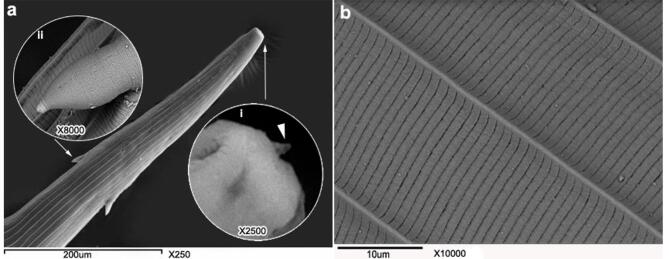 Figure 4
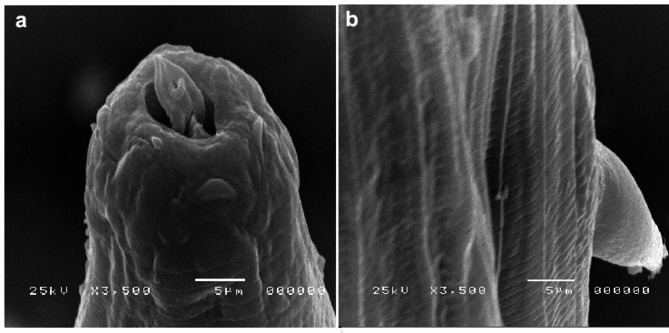 Figure 5
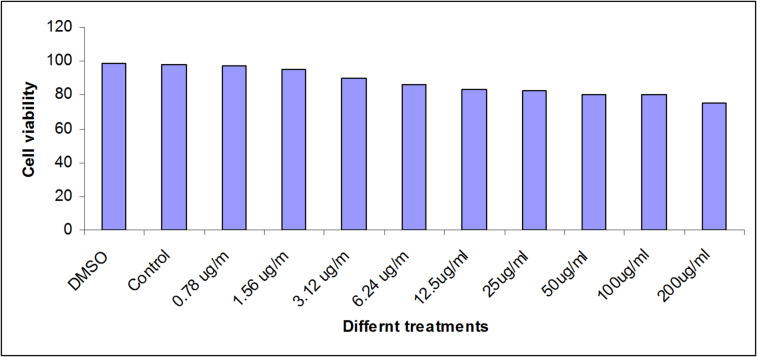 Figure 6
Peer Reviews
No public reviews on file for this paper yet. If you reviewed it on a platform where reviews are public (OpenReview, ICLR, NeurIPS, ICML), you can paste yours below so the community can read it here.
Videos
No videos yet. Explain this paper in a talk, walkthrough, or lecture? Add one.
Taxonomy
TopicsHelminth infection and control · Mollusks and Parasites Studies · Parasites and Host Interactions