Diversity, climatic correlations, and biocontrol prospects of seed-borne fungal endophytes in Egyptian maize
Khadiga A. Hasan, Hoda M. Soliman, Khalid M. Ghoneem, Yasser M. Shabana

TL;DR
This study explores the fungal communities in Egyptian maize seeds and their climate-related patterns, identifying a promising natural biocontrol agent against a harmful fungus.
Contribution
The study identifies a core group of seed-borne fungi in Egyptian maize and evaluates a native Trichoderma isolate as a potential biocontrol agent.
Findings
A total of 34 endophytic fungal species from 23 genera were identified in Egyptian maize seeds.
Trichoderma longibrachiatum (T14) inhibited Fusarium verticillioides growth by 74.03% in vitro.
Climate factors like temperature, solar radiation, and humidity explained 63.6% of fungal community variation.
Abstract
Maize (Zea mays L.) is the world’s third most important cereal crop, valued for its roles in human food, animal feed, industrial products, and biofuels. Its seeds harbor diverse endophytic fungi that can affect seed quality, plant health, and resilience. Given the vertical transmission of seed microbiota, this study investigated the diversity of seed-borne fungal endophytes in Egyptian maize cultivars across 18 governorates and assessed their associations with regional climate. In addition, the study evaluated the antagonistic activity of native Trichoderma isolates as potential biocontrol agents against Fusarium verticillioides, a major seed-borne pathogen threatening maize production. A total of 34 endophytic fungal species from 23 genera were identified. Aspergillus niger, Penicillium spp., A. flavus, and F. verticillioides were the most prevalent, with A. niger occurring in 97.2% of…
Genes, proteins, chemicals, diseases, species, mutations and cell lines named across the full text — each resolved to its canonical identifier and authoritative record.
Click any figure to enlarge with its caption.
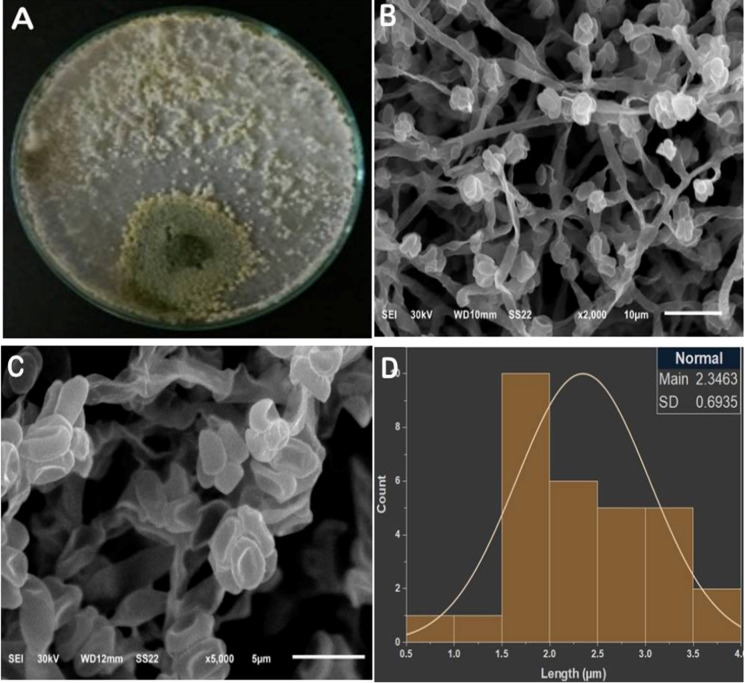 Figure 10
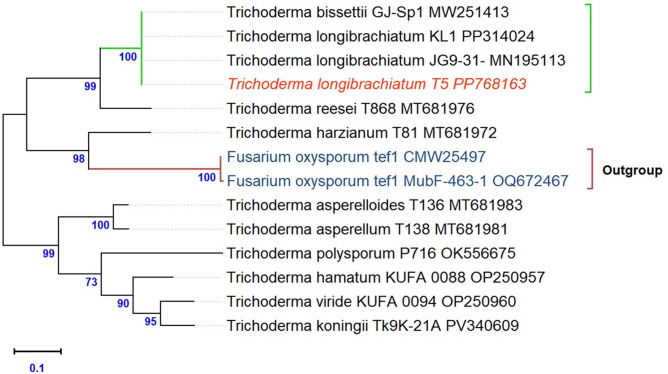 Figure 11
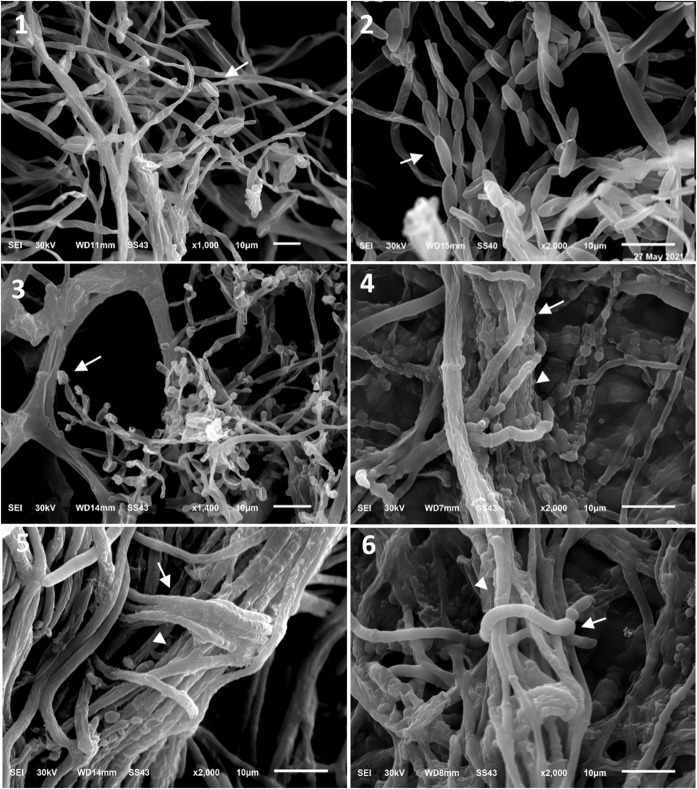 Figure 12
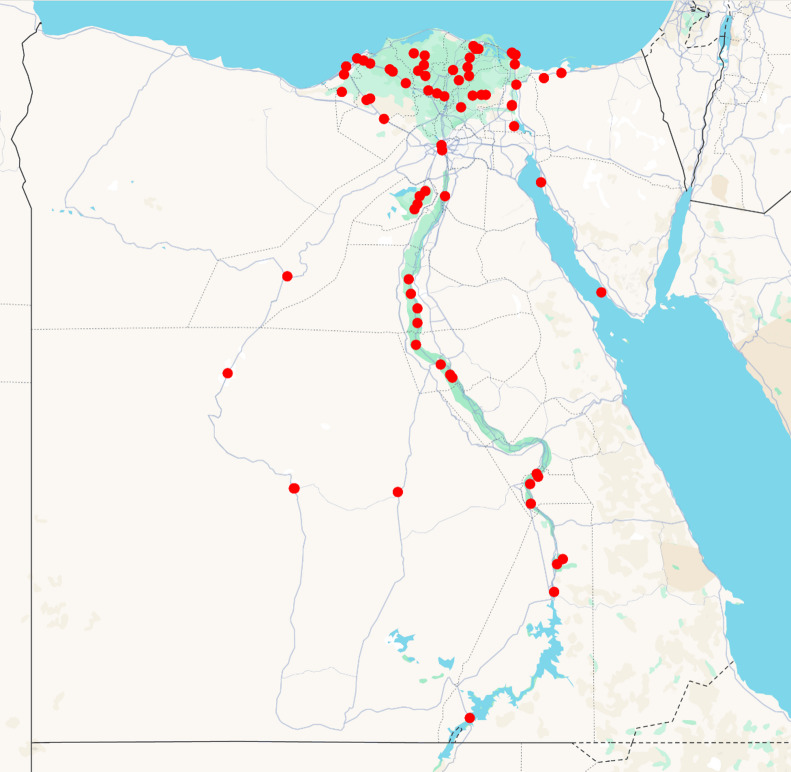 Figure 13
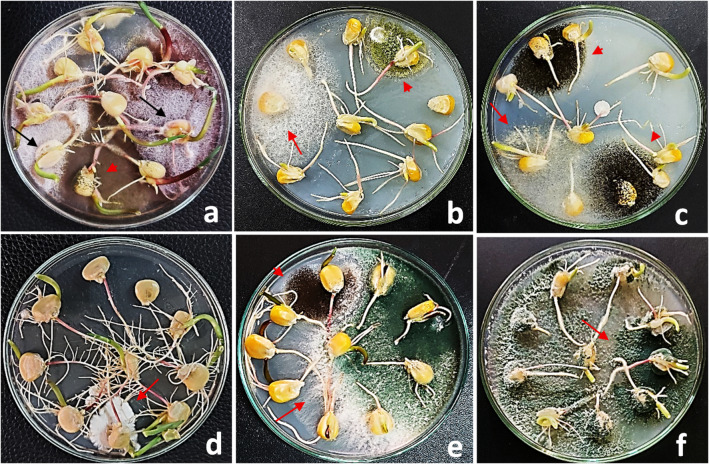 Figure 1
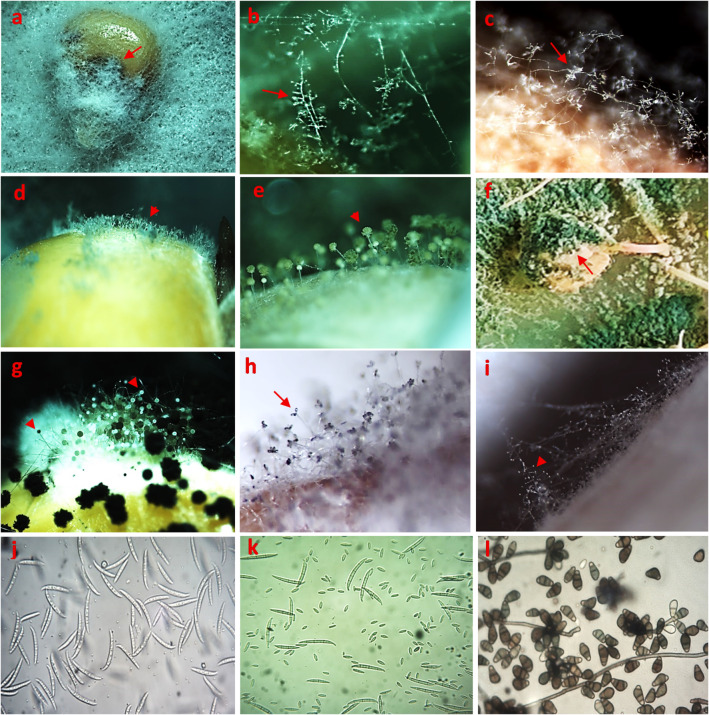 Figure 2
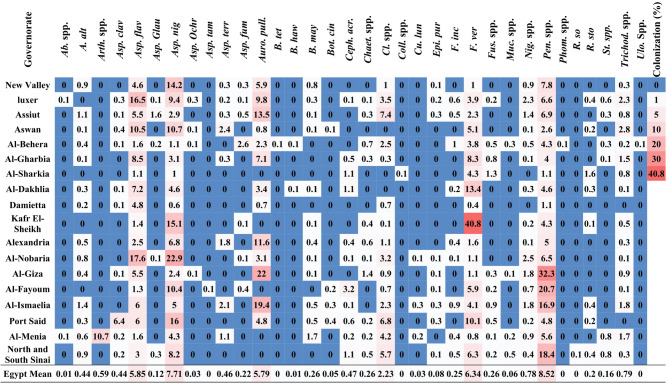 Figure 3
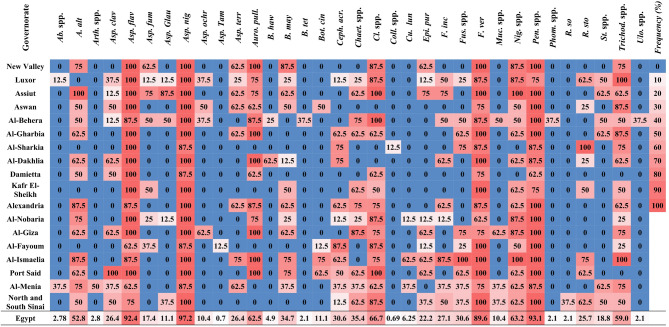 Figure 4
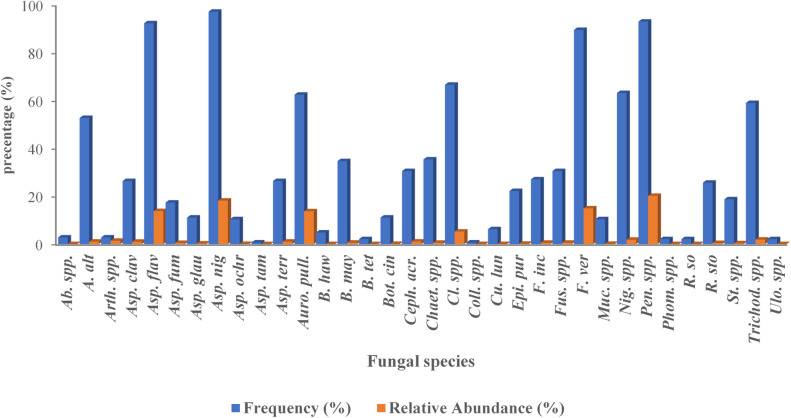 Figure 5
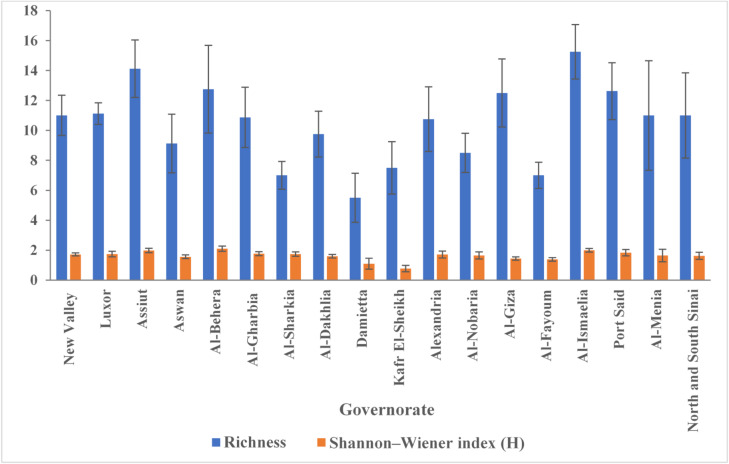 Figure 6
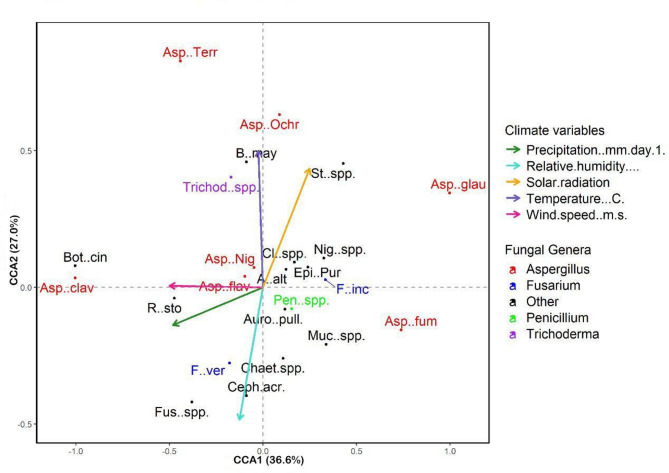 Figure 7
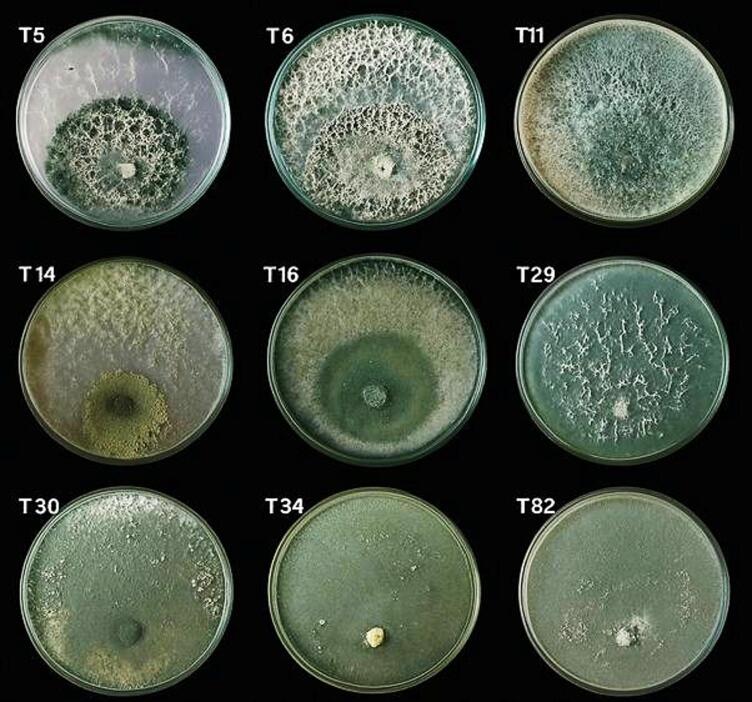 Figure 8
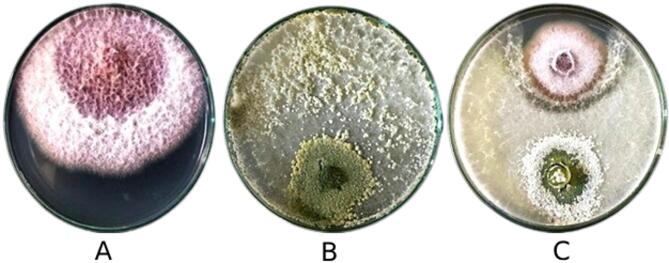 Figure 9
Peer Reviews
No public reviews on file for this paper yet. If you reviewed it on a platform where reviews are public (OpenReview, ICLR, NeurIPS, ICML), you can paste yours below so the community can read it here.
Videos
No videos yet. Explain this paper in a talk, walkthrough, or lecture? Add one.
Taxonomy
TopicsPlant-Microbe Interactions and Immunity · Mycotoxins in Agriculture and Food · Plant Pathogens and Fungal Diseases