A Lamp2a-linked RNA secreted by ADSCs prevents ENO1–lactylation–glycolysis feedback and cell malignant behavior in triple-negative breast cancer
Shaoqiang Cheng, Bingshu Xia, Liru Li, Shu Zhao, Qihong Zhang, Xue Hui, Xiaolei Liu, WenJing Xiong, Wanzhi Chen, Yue Zhang

TL;DR
This study shows how a specific RNA secreted by stem cells can inhibit cancer cell growth in triple-negative breast cancer by disrupting a feedback loop involving ENO1.
Contribution
The study identifies a novel RNA ligand linked to Lamp2a that targets ENO1 lactylation to inhibit glycolysis and malignancy in TNBC.
Findings
ENO1 lactylation promotes glycolysis and malignant behavior in TNBC cells under hypoxia.
A Lamp2a-linked RNA ligand disrupts ENO1 lactylation and induces its lysosomal degradation.
Exosomes from ADSCs carrying this RNA inhibit glycolysis and reduce cancer cell malignancy.
Abstract
Triple-negative breast cancer (TNBC) is a subtype characterized by the absence of common BC receptors and is closely associated with a hypoxic tumor microenvironment. However, the mechanisms through which TNBCs adapt to hypoxia remain elusive. This study revealed elevated ENO1 levels in various BC datasets and revealed ENO1 protein lactylation in BC samples through 4D label-free lactylation quantitative proteomics analysis. The results indicated that lactylation increases ENO1 protein stability and enzyme activity, which promotes glycolysis. Notably, as lactate levels increased, a positive feedback loop was established, further promoting lactylation of ENO1. This positive feedback mechanism enables TNBC cells to adapt more efficiently to hypoxia and enhances their malignant behaviors. Lactylation prevented the lysosomal degradation of ENO1. In this study, the characteristics of ENO1, an…
Genes, proteins, chemicals, diseases, species, mutations and cell lines named across the full text — each resolved to its canonical identifier and authoritative record.
Click any figure to enlarge with its caption.
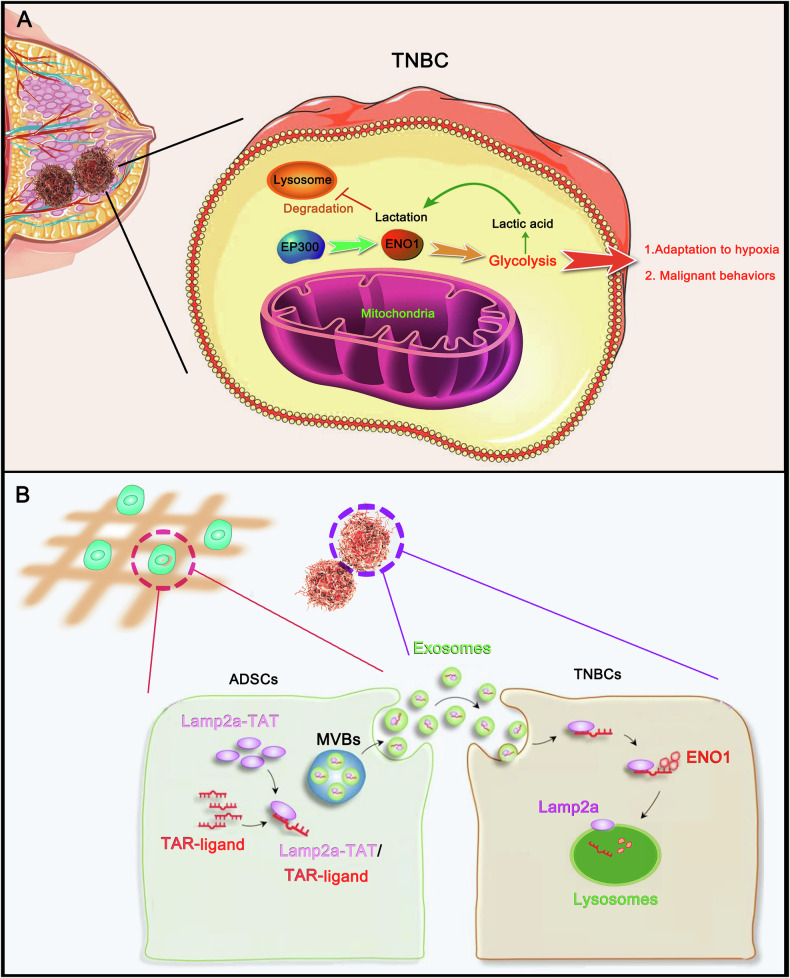 Figure 10
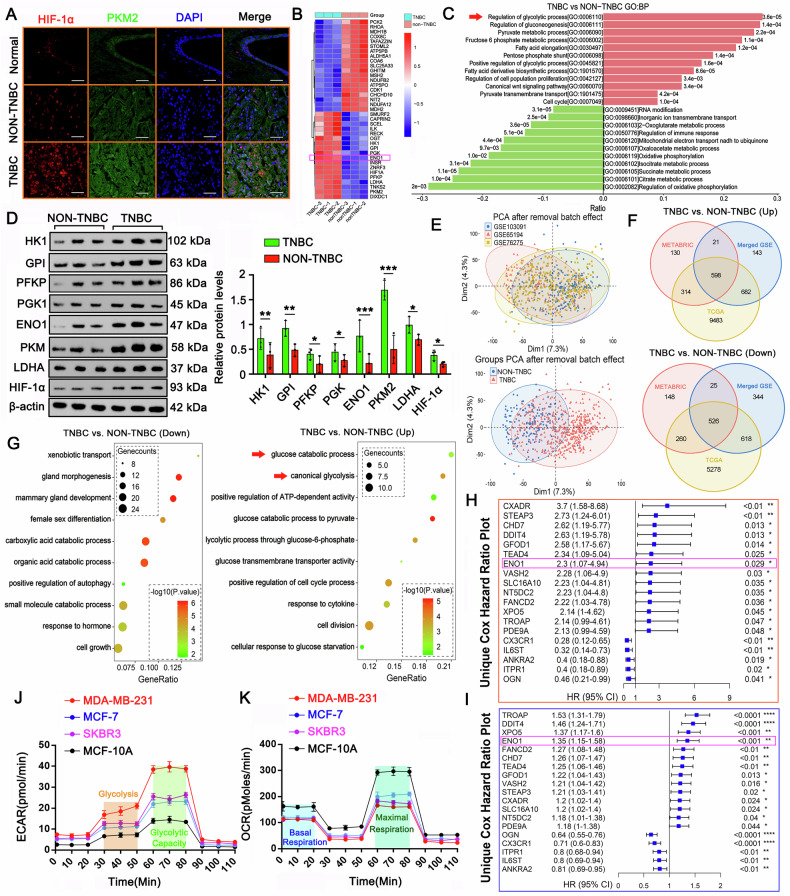 Figure 1
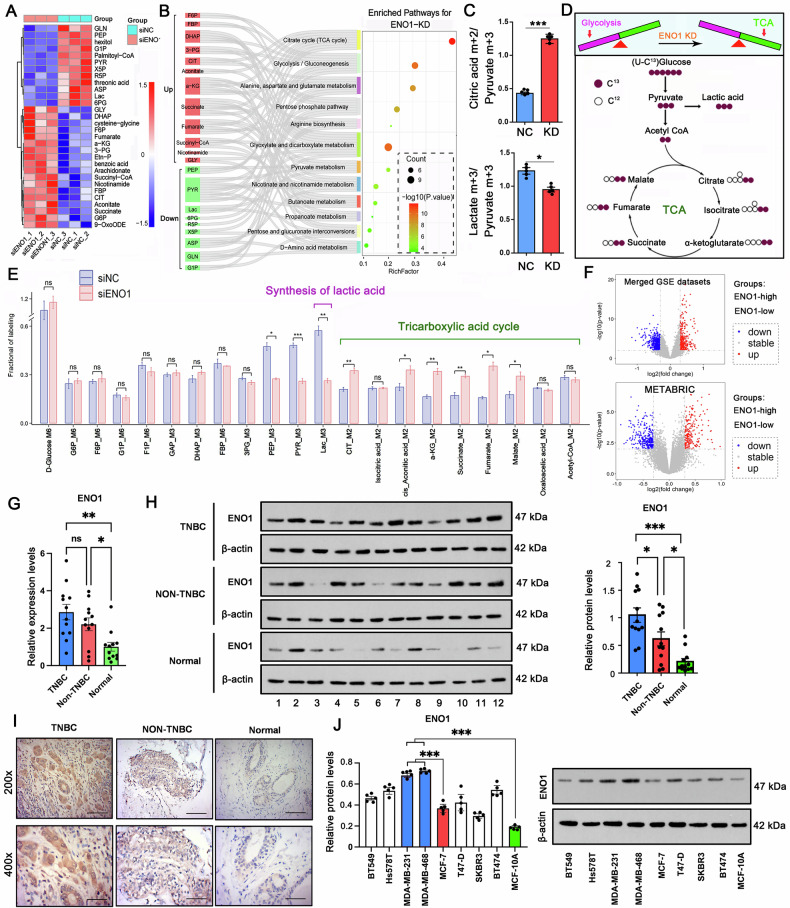 Figure 2
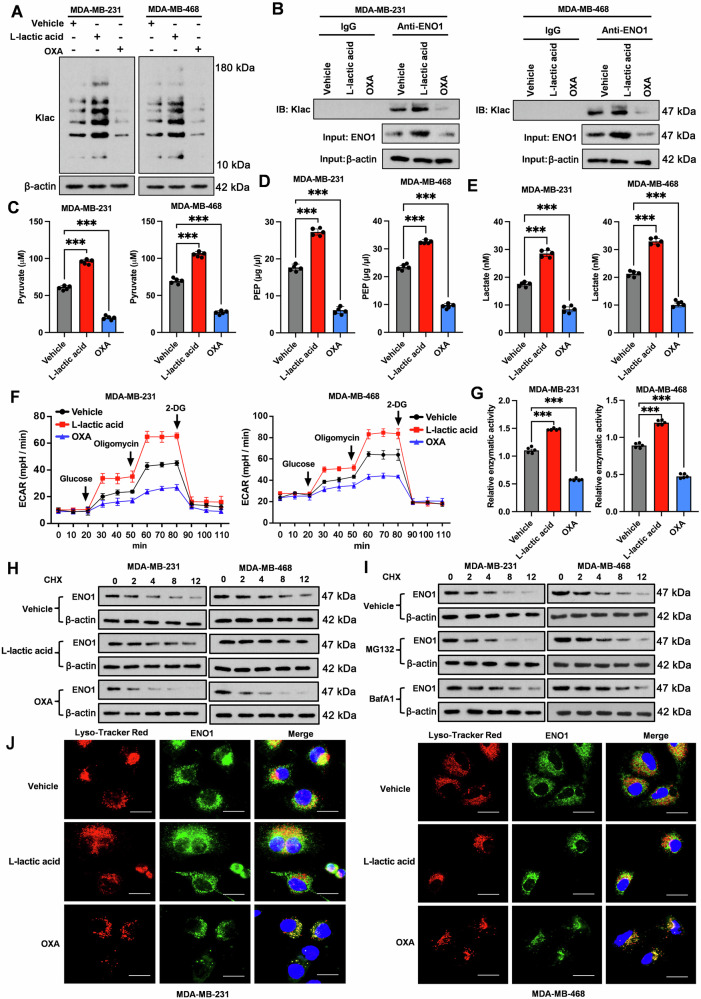 Figure 3
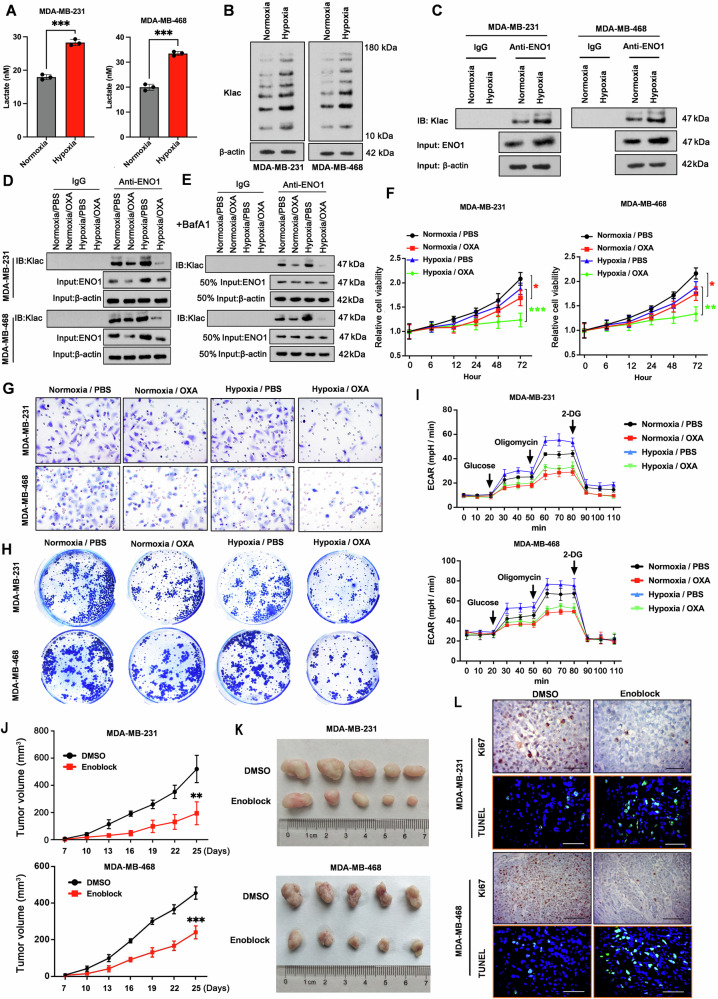 Figure 4
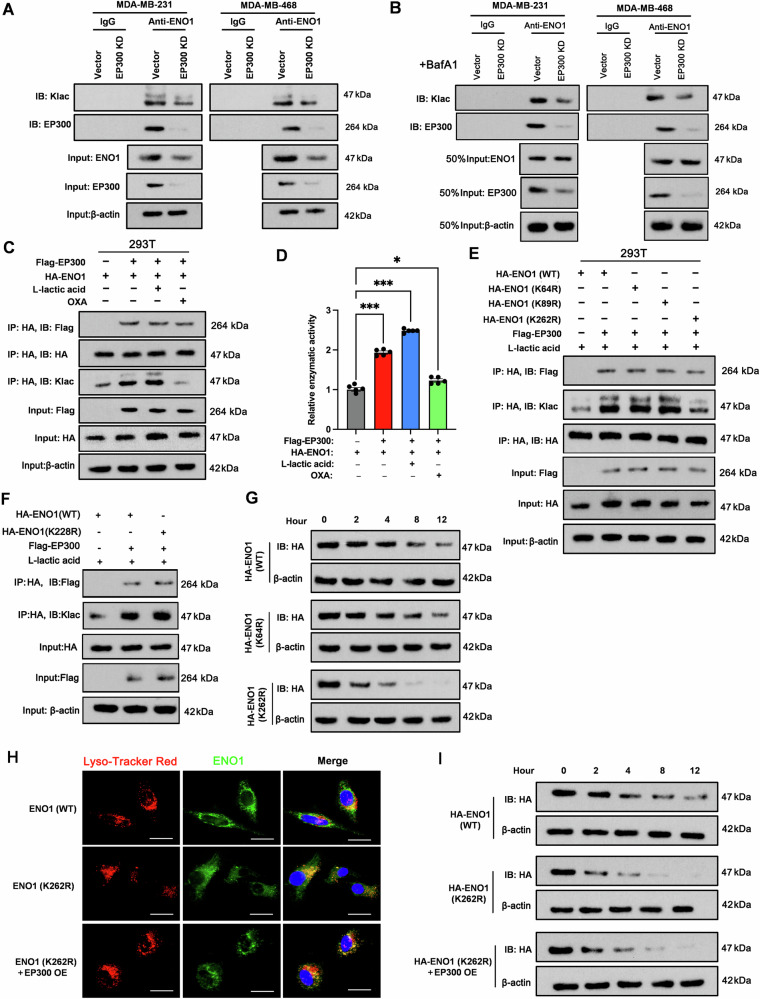 Figure 5
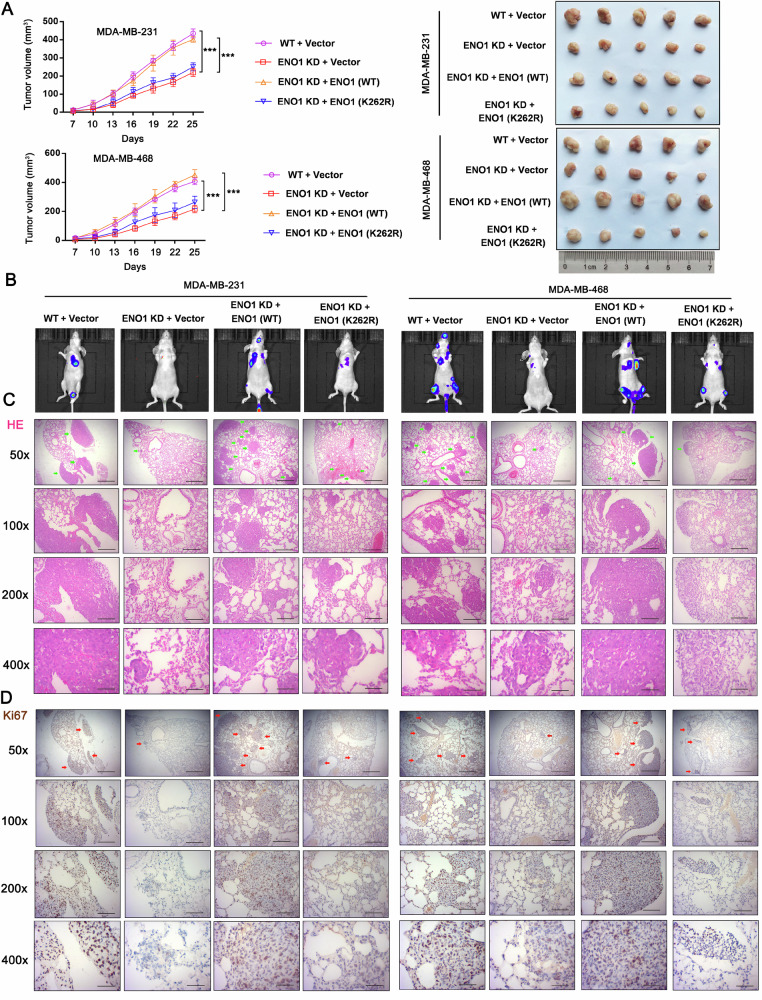 Figure 6
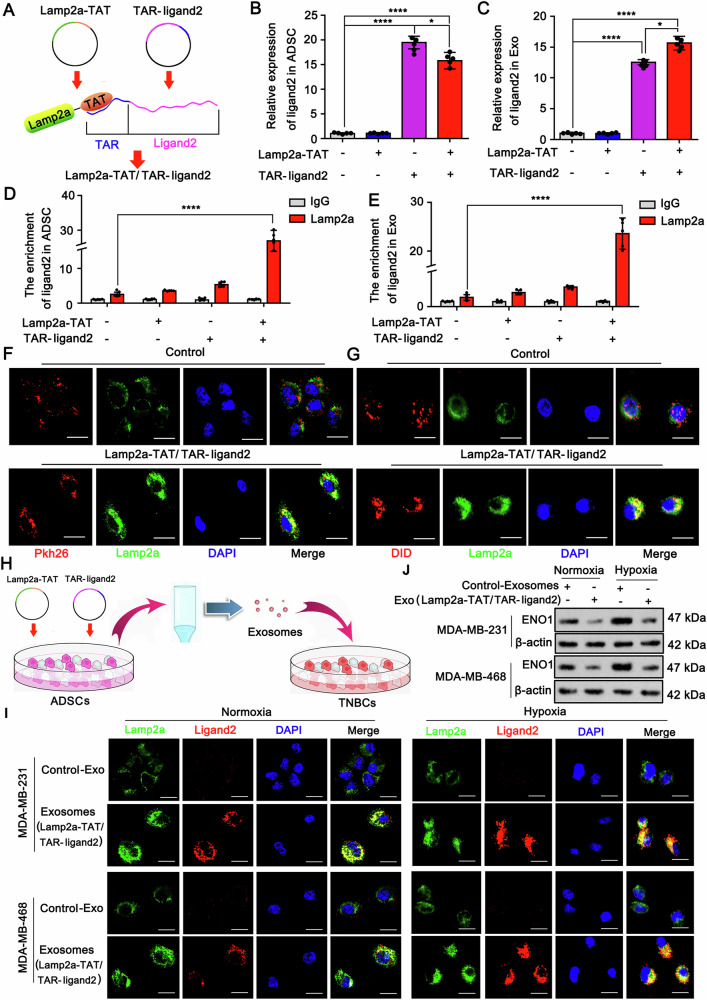 Figure 7
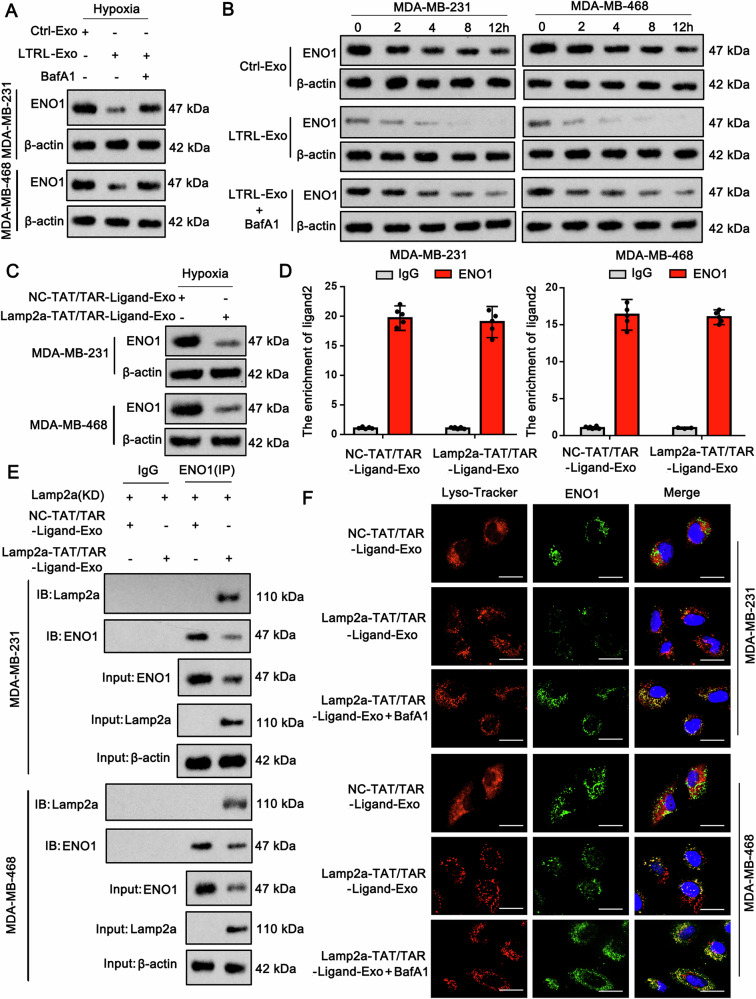 Figure 8
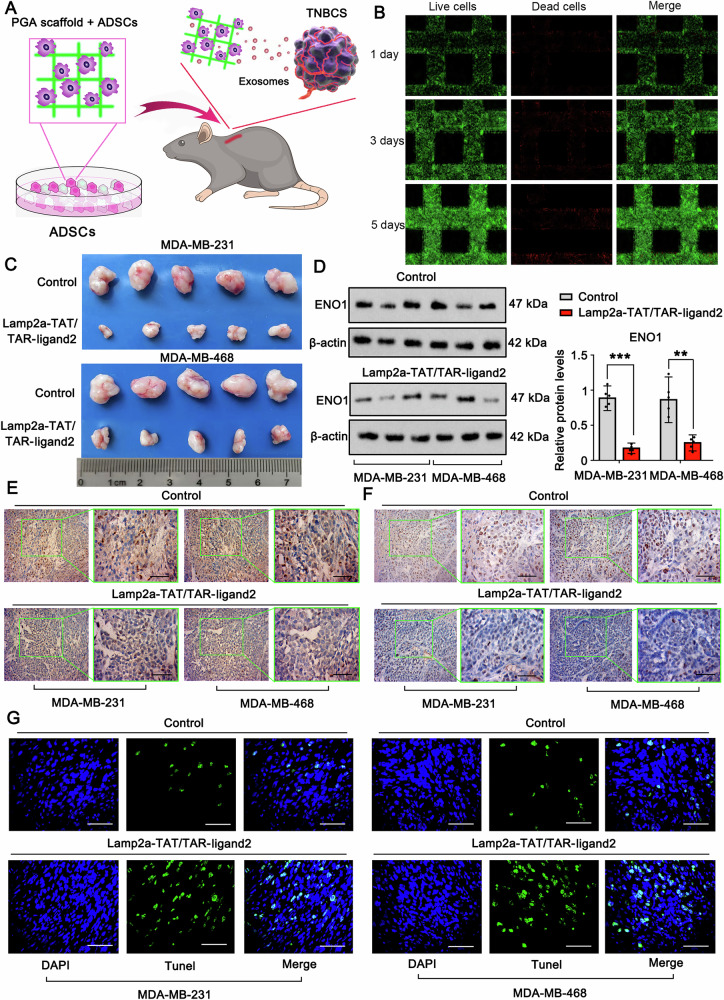 Figure 9
Peer Reviews
No public reviews on file for this paper yet. If you reviewed it on a platform where reviews are public (OpenReview, ICLR, NeurIPS, ICML), you can paste yours below so the community can read it here.
Videos
No videos yet. Explain this paper in a talk, walkthrough, or lecture? Add one.
Taxonomy
TopicsRNA Research and Splicing · Cancer, Hypoxia, and Metabolism · ATP Synthase and ATPases Research