Natural history of non-functioning pituitary neuroendocrine tumours: impact of baseline characteristics and gender-specific clinical presentations
Alessandro Bavaresco, Giulia Bovo, Alessandro Mondin, Carla Scaroni, Giacomo Voltan, Pierluigi Mazzeo, Irene Tizianel, Filippo Ceccato, Mattia Barbot

TL;DR
This study explores how gender affects the presentation and progression of non-functioning pituitary tumors, finding that men tend to have larger, more symptomatic tumors while women are often diagnosed earlier.
Contribution
The study identifies gender-specific clinical patterns in NF-PitNETs and emphasizes the need for individualized treatment approaches based on tumor characteristics.
Findings
Males had larger tumors and more symptoms compared to females, who were often diagnosed earlier due to reproductive-age monitoring.
Long-term tumor progression was similar between genders, with tumor size and visual impairment predicting progression in surveillance cases.
Surgical outcomes showed that residual tumor increased progression risk, while significant volume reduction improved visual outcomes.
Abstract
Non-functioning pituitary neuroendocrine tumours (NF-PitNETs) are the most common pituitary macroadenomas, with highly variable clinical behaviour. Although tumor growth and functional impairment are key considerations, the impact of patient sex on presentation and outcomes remains incompletely characterized. To investigate clinical, radiological and histopathological predictors of long-term outcomes in NF-PitNETs managed conservatively or surgically and to evaluate gender impact on initial presentation and tumour natural history. We retrospectively analyzed 170 patients with NF-PitNETs, including those under active surveillance and those treated surgically, with or without adjuvant therapies. Long-term clinical, endocrine and radiological follow-up was performed. Compared with female patients, males exhibited larger tumour dimensions and a higher prevalence of both visual field…
Genes, proteins, chemicals, diseases, species, mutations and cell lines named across the full text — each resolved to its canonical identifier and authoritative record.
Click any figure to enlarge with its caption.
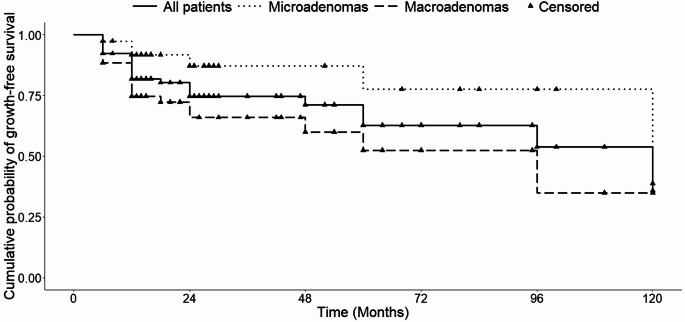 Figure 1
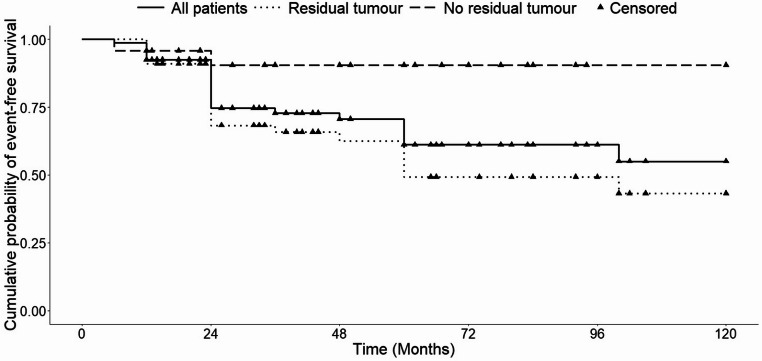 Figure 2
 Figure 3
Peer Reviews
No public reviews on file for this paper yet. If you reviewed it on a platform where reviews are public (OpenReview, ICLR, NeurIPS, ICML), you can paste yours below so the community can read it here.
Videos
No videos yet. Explain this paper in a talk, walkthrough, or lecture? Add one.
Taxonomy
TopicsPituitary Gland Disorders and Treatments · Neuroendocrine Tumor Research Advances · Meningioma and schwannoma management