Comprehensive Evaluation of Mung Bean Germplasm Resources Based on DUS Test Characteristics
Leyong Feng, Juanjuan Ma, Jin Yu, Jianhong Ren, Xiongfei Jiao

TL;DR
This study evaluates mung bean varieties using standardized traits to identify key characteristics linked to high yield and quality, aiding future breeding efforts.
Contribution
The study systematically validates DUS characteristics for mung bean breeding and identifies key traits influencing yield.
Findings
PCA and correlation analysis revealed key variation dimensions in plant morphology, pod, and seed characteristics.
Cluster analysis identified four distinct groups, with Cluster 2 being ideal for high-yield breeding.
Leaf greenness, pod number per plant, and hundred-grain weight significantly affect yield (p < 0.05).
Abstract
The Distinctness, Uniformity, and Stability (DUS) testing guidelines for mung beans (Vigna radiata L.) offer a standardized framework for new variety assessment. Although these guidelines are essential for variety management, the actual efficiency and breeding value of the 31 specified DUS characteristics in improving yield potential remain largely underexplored and lack systematic validation. To address this critical research gap, 180 genetically diverse mung bean accessions were analyzed using principal component analysis (PCA) and correlation analysis. The results revealed intrinsic relationships among characteristics and identified key variation dimensions centered on “plant morphology”, “pod characteristics”, and “seed characteristics”. Cluster analysis classified the 180 accessions into four distinct clusters. Cluster 2, in particular, offers a clear selection reference for…
Genes, proteins, chemicals, diseases, species, mutations and cell lines named across the full text — each resolved to its canonical identifier and authoritative record.
Click any figure to enlarge with its caption.
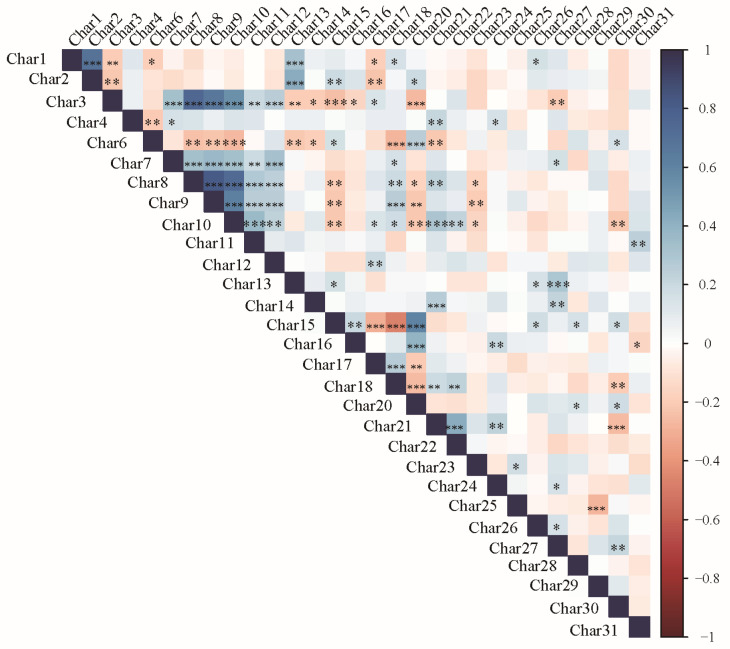 Figure 1
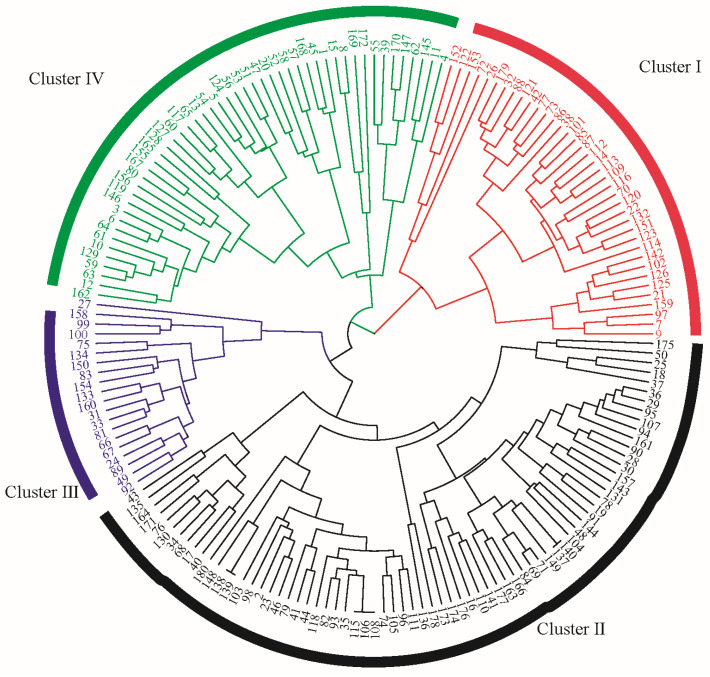 Figure 2
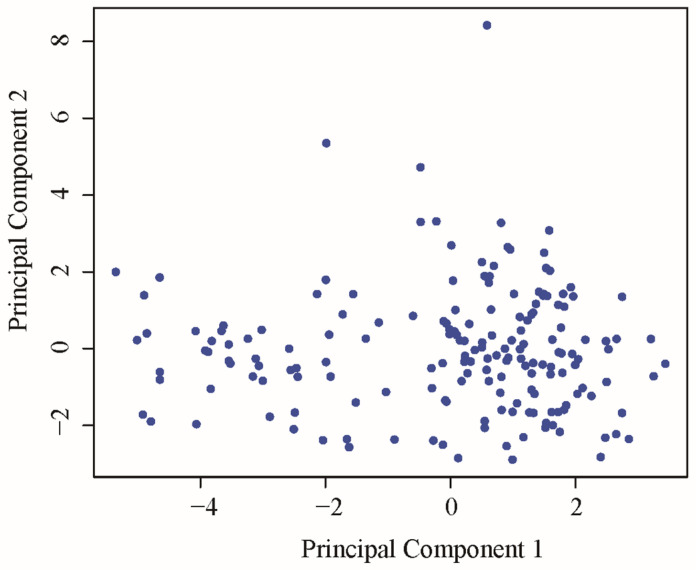 Figure 3
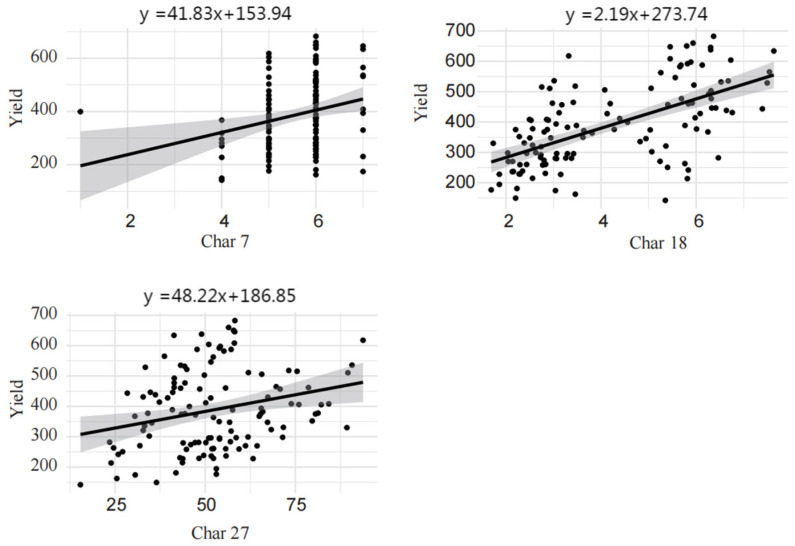 Figure 4
- —Key Research and Development Program of Xinzhou City
Peer Reviews
No public reviews on file for this paper yet. If you reviewed it on a platform where reviews are public (OpenReview, ICLR, NeurIPS, ICML), you can paste yours below so the community can read it here.
Videos
No videos yet. Explain this paper in a talk, walkthrough, or lecture? Add one.
Taxonomy
TopicsGenetics and Plant Breeding · Botanical Research and Chemistry · Soybean genetics and cultivation
1. Introduction
Mung bean (Vigna radiata L.) is an important short-duration leguminous crop that can grow in tropical, subtropical, and some temperate regions [1]. Mung bean is rich in easily digestible protein, carbohydrates, amino acids, essential micronutrients and natural antioxidants, exhibiting exceptional nutritional value. It also has medicinal properties and contributes to sustainable agricultural development via biological nitrogen fixation, which helps optimize cropping systems and boost the high-quality seed industry. Accordingly, mung bean has gained widespread attention across the globe [2,3,4]. As one of the centers of origin of mung bean, China has a cultivation history of more than 2000 years, giving the crop great economic and cultural significance [5]. However, under increasingly complex climate change and evolving market demands, the mung bean industry faces severe challenges in yield enhancement, stable nutritional and edible quality, and breeding varieties with broad-spectrum stress resistance [6].
Cultivating and protecting improved varieties is central to addressing these challenges. Plant variety protection relies on Distinctness, Uniformity, and Stability (DUS) testing, which serves as a scientifically rigorous evaluation system for new varieties [7]. DUS testing is simple to analyze, cost-effective, and does not rely on experimental technologies, playing a crucial role in the production and certification of high-quality seeds [8]. DUS testing has been successfully applied in breeding programs for major crops such as maize and rice, providing effective support for variety identification, protection of breeders’ rights, and guiding selection efforts. Applying it to mung bean breeding can similarly offer a reliable framework for germplasm identification and screening of desirable characteristics [9,10].
Despite its considerable potential, the systematic application of DUS testing in mung bean remains insufficient. Current studies are often limited to small-scale germplasm or single ecological regions, making it difficult to comprehensively reveal the population variation patterns of target characteristics [11]. Furthermore, the current description of characteristics falls short in covering key characteristics, particularly yield components, and lacks systematic correlation with yield performance. This in turn constrains its predictive and applied value in breeding [12]. Additionally, the loss of local mung bean germplasm resources is a widespread global concern, highlighting an urgent need for comprehensive and systematic characterization to facilitate the identification and conservation of elite genetic resources [13].
To bridge this knowledge gap, current research on the distinctness, uniformity and stability (DUS) testing of mung bean remains insufficient. The identification of qualitative and quantitative traits closely associated with yield, quality and adaptability is largely inadequate. Furthermore, most existing studies are restricted to small sample sizes and lack large-scale systematic investigations, which limits the comprehensive understanding of genetic diversity and trait variation patterns in mung bean germplasm. Therefore, this study conducted a systematic DUS-based evaluation of 180 mung bean varieties, integrating characteristics analysis with yield assessment. We aimed to analyze the correlation between DUS traits and yield, identify elite varieties with desirable traits and high-yield potential, and provide a scientific basis for the genetic improvement and yield enhancement of mung bean.
2. Results
2.1. Phenotypic Observation and Characteristic Analysis in DUS Testing
A systematic observation and analysis of 31 phenotypic characteristics was performed on 180 mung bean germplasms. The results indicated that different characteristics exhibited distinct frequency distributions (Figure 1). Among these germplasms, only one phenotypic type was observed for characteristic 5 and characteristic 19; due to their lack of diversity, these two characteristics were excluded from further analysis. Characteristics 1, 6, 8, 11, 12, 24, 25, 26 and 31 each displayed two phenotypic types. Within this group, characteristics 11, 22 and 25 showed relatively narrow variation ranges, each presenting a single-grade distribution. In contrast, characteristics 13, 21 and 28 exhibited the widest distribution ranges, covering nine phenotypic grades. To comprehensively characterize the phenotypic variation, Table 1 summarizes the mean, standard deviation, coefficient of variation (CV), and Shannon–Weaver diversity index (H′) for all 31 characteristics. A higher CV reflects greater variability among observations. The analysis revealed that characteristics 1, 8, 12 and 29 displayed relatively high variation, with CVs of 0.510, 0.529, 0.775 and 1.278, respectively. In comparison, characteristics 13, 22 and 25 showed low variation, with corresponding CVs of 0.025, 0.094 and 0.063. The Shannon–Weaver diversity index was used to assess the evenness of phenotypic distribution across germplasms, with higher values indicating more balanced characteristic representation. The diversity indices of characteristics 2, 13, 15, 18 and 21 all exceeded 1.5. Among these, characteristic 18 had the highest index (2.058), while characteristic 25 showed the lowest (0.034).
2.2. Correlation Among Phenotypic Characteristics
Correlation analyses were performed across 29 characteristics, and the resulting relationships were visualized in a heatmap (Figure 1). The heatmap employs a color gradient to intuitively depict the strength and direction of correlations among the characteristics: dark blue represents a strong positive correlation (correlation coefficient near 1), white indicates no correlation (correlation coefficient near 0), and dark red denotes a strong negative correlation (correlation coefficient near −1).
The analysis revealed a very strong positive correlation between characteristic 1 and characteristic 2 (correlation coefficient close to 1), while characteristic 15 showed a significant negative correlation with characteristic 18 (correlation coefficient close to −1), indicating an opposing trend in their variation. Further examination demonstrated that the number of significant correlations varied across characteristics. Characteristic 3 exhibited the highest number of significant correlations, showing strong positive correlations with characteristics 7, 8, 9, 10, 11, 12, and 16, and strong negative correlations with characteristics 13, 14, 15, and 17. In contrast, characteristic 29 displayed only one significant correlation—a negative correlation with characteristic 25—representing the fewest significant correlations among all characteristics examined.
2.3. Clustering Analysis
A cluster analysis was performed on 29 key phenotypic characteristics. The data were first standardized, and a hierarchical clustering approach was applied for further examination. As illustrated in Figure 2, when the Euclidean distance was set to 10, the 180 accessions were grouped into four distinct clusters. The mean values of the characteristics for each group are provided in Table 2. Cluster 1 comprises 38 varieties. Within this cluster, all accessions share a code of 1 for characteristic 1. Additionally, this cluster shows the lowest mean values for characteristics 3, 4, 7, 8, 9, 10, 11, 12, 14, 21, 28, 29, and 31 compared to the other clusters. Since most of these characteristics are related to color, the results suggest that accessions in Cluster 1 generally exhibit lighter coloration across various plant parts. Cluster 2 contains the largest number of varieties (73). It displays the highest mean values for characteristics 4, 7, 8, 9, 14, 18, 21, and 27. These characteristics predominantly reflect pre-flowering color characteristics as well as several morphological measurements. This pattern indicates that varieties in Cluster 2 tend to have darker leaves and are characterized by longer pods, a higher number of pods per plant, and greater hundred-grain weight. Given the close association of these characteristics with yield, Cluster 2 accessions are likely to exhibit superior yield performance. Cluster 3 includes the fewest varieties (23). It recorded the highest values for characteristics 10, 12, 15, 20, 28, 30, and 31, but the lowest values for characteristics 17, 18, 24, and 26. This profile suggests that accessions in this cluster possess relatively tall plant stature with more compact branching, yet bear a lower number of pods. Cluster 4 consists of 49 varieties. It shows the highest codes for characteristics 2, 13, 17, 22, and 26, and the lowest codes for characteristics 23 and 27. These results imply that accessions in Cluster 4 have a longer growth cycle but a smaller hundred-grain weight.
2.4. Principl Component Analysis
Principal component analysis (PCA) was performed to identify the main characteristics among 180 mung bean germplasm resources. As presented in Table 3, ten of the 31 eigenvalues exceeded 1, with a cumulative contribution rate of 66.49%, indicating that these ten principal components accounted for the majority of the variation in the 31 DUS test characteristics. PC1 was mainly associated with leaf color attributes, PC2 was primarily related to plant morphology, PC3 reflected petiole characteristics, PC4 corresponded to seed-related traits, and PC5 represented main stem attributes. The remaining principal components were associated with pod color, pod shape, branch number, seed coat luster, and stem pubescence. Furthermore, as shown in Figure 3, the PCA scatter plot based on the first two principal components revealed that all accessions were continuously distributed without distinct independent clusters, suggesting abundant genetic variation present in the tested mung bean germplasm resources.
2.5. Comprehensive Evaluation of Agronomic Characteristics in DUS Testing
By substituting the standardized values of the 29 DUS test characteristics (excluding characteristics 5 and 19) into the ten principal components, the scoring formulas for each component can be derived:
The index i ranges from 1 to the total number of components (here, 10), while k varies from 1 to the number of characteristics (here, 29). Based on the values of FAC1 through FAC10, the DTOPSIS method was applied to compute U1 to U10. The weights were assigned according to the contribution rates of each principal component, and a comprehensive evaluation formula D (representing the composite evaluation score) for different mung bean varieties was established through principal component analysis as follows:
Using this model, the composite scores of 180 tested varieties were calculated (Table 4). A higher D value indicates better overall phenotypic performance. The mean comprehensive evaluation score across all 180 mung bean accessions was 0.5398. The variety numbered 15 achieved the highest composite score (0.7093), which was primarily characterized by darker pigmentation in plant tissues, a greater number of branches, higher pod and seed counts, and increased yield.
2.6. Linear Regression Analysis
A correlation analysis between yield and all DUS characteristics was performed (Table 5), revealing that only characteristics 7, 18, and 27 showed significant correlations with yield. Subsequently, a linear regression model was fitted with yield as the dependent variable and characteristics 7, 18, and 27 as independent variables. The results are presented in Figure 4. The regression analysis indicated a significant positive linear relationship between mung bean yield and each of the three characteristics. Specifically, the equation for characteristic 7 was y = 41.83x + 153.94 (R^2^ = 0.07, p < 0.05), suggesting that yield increases steadily with increasing characteristic 7 values. Each unit increase in characteristic 7 was associated with an average yield increase of 41.83 units, starting from a baseline yield of 153.94 units. These results imply that characteristic 7 contributes moderately to mung bean yield and may be an important factor influencing yield variation. Maintenance of elevated leaf greenness throughout the growing season prolongs leaf functional longevity, reduces premature senescence, and promotes the partitioning of dry matter to grains, which in turn underpins the enhancement of grain yield in mung bean. For characteristic 18, the fitted equation was y = 2.19x + 273.74 (R^2^ = 0.07, p < 0.05). Although the regression slope was relatively small, it still reflected a positive association between characteristic 18 and mung bean yield. Each unit increase in characteristic 18 corresponded to an average yield increase of 2.19 units, with an intercept of 273.74 units. Thus, while characteristic 18 also exhibited a positive effect on yield, its influence slightly weaker appeared weaker compared to characteristic 7. Characteristic 27 showed a more pronounced relationship with mung bean yield, following the equation y = 48.22x + 186.85 (R^2^ = 0.37, p < 0.05). Here, each unit increase in characteristic 27 was associated with an average yield increase of 48.22 units, indicating a stronger strong positive effect. These findings suggest that characteristic 27 may play a critical role in determining mung bean yield. Pod number per plant and 100-seed weight are the core agronomic traits governing mung bean yield. In production practice, the optimal coordination of these two traits can be realized through the screening and breeding of adapted varieties, which provides a theoretical foundation and practical guidance for optimizing high-yield cultivation techniques and advancing high-yield and high-quality breeding of mung beans.
3. Discussion
This study identified three core yield-predictive traits (Characteristic 7: Leaf: Degree of light green color, Characteristic 18: Plants: Number of pods, Characteristic 27: Seed: Weight per Hundred Seeds) with significant positive correlations with mung bean yield through correlation and linear regression analysis, among which Characteristic 27 showed the strongest correlation (r = 0.66, p < 0.001), followed by Characteristic 7 and 18 (both r = 0.26, p < 0.05). Linear regression models further quantified the yield contribution of these traits: each unit increase in Characteristics 7, 18 and 27 was associated with an average yield increase of 41.83, 2.19 and 48.22 units, respectively, indicating that these three traits are the key phenotypic determinants of mung bean yield formation and can serve as reliable yield-predictive indicators in DUS testing and breeding practice. On the basis of this core finding, we further discussed the phenotypic variation characteristics, trait correlation patterns, germplasm clustering characteristics and comprehensive evaluation system of mung bean DUS traits, and explored the genetic and breeding implications of these results for mung bean genetic improvement. In addition, this study found that Characteristic 5 (Leaves: Number of small leaves) and Characteristic 19 (Plants: Pod-frying property) each displayed only a single phenotypic state, which suggests that these characteristics may be under high genetic constraint [14]. From an evolutionary perspective, such phenotypic conservation likely reflects the essential role of these characteristics in legume adaptation. For instance, leaflet number is likely under stringent control by developmental stability genes, such as those in the KNOX family [15]. Similarly, the absence of explosive pod shattering may be closely linked to directional selection for pod indehiscence during artificial domestication [16,17]. In contrast, the four highly variable characteristics (characteristics 1, 8, 12, and 29) exhibited distinct genetic profiles. Their high coefficients of variation (0.510–1.278) indicate not only polygenic regulation but also considerable phenotypic plasticity, which may facilitate environmental adaptation. Notably, from a population genetics standpoint, the high diversity index of characteristic 18 (pod number) (H′ = 2.058) suggests that this characteristic has retained substantial allelic variation throughout natural and artificial selection [18]. This diversity provides a valuable genetic foundation for further exploring yield potential via hybridization breeding [19].
Correlation analysis across 29 characteristics indicated a particularly noteworthy polygenic nature for characteristic 3. Its broad associations with 13 other characteristics suggest that this characteristic may influence multiple developmental processes, potentially mediated by hormone signaling pathways or transcription factor cascades [20,21]. From a breeding standpoint, the positive correlation between characteristic 7 (leaf greenness) and characteristic 18 (pod number) supports the applicability of the “source–sink” theory [22]. In contrast, the negative correlation between characteristic 15 (plant height) and characteristic 18 highlights key trade-offs to be balanced in plant architecture improvement [23,24].
The clustering analysis based on phenotypic characteristics not only enabled the systematic classification of germplasm resources, but also suggested specific breeding strategies for different improvement objectives. The low anthocyanin content observed in Cluster 1 may be associated with its ecological adaptability, offering candidate materials for breeding varieties suited to specific ecological regions. Group 2 exhibited favorable yield performance. The plant architecture characteristics of Cluster 3 indicated potential for yield enhancement through morphological improvement, although its weak reproductive growth also implied the necessity for hybrid-based breeding to balance vegetative and reproductive development. Despite the disadvantage of low hundred-grain weight, Cluster 4 showed valuable characteristics such as a long growth period, which could be useful in selecting late-maturing cultivars. This phenotype-based classification system provides a scientific foundation for precise parental selection and targeted breeding programs.
Principal component analysis (PCA) effectively reduced the complexity of the characteristic system to ten principal components, which is methodologically valuable. The cumulative contribution rate of the first ten components reached 66.493%, slightly lower than the 70% commonly reported in other crop studies. This outcome, however, plausibly reflects the greater complexity of the genetic background in mung beans. Notably, the first three principal components predominantly represent leaf color, plant architecture, and seed characteristics—characteristics that are also of major interest in soybean breeding. From the perspective of optimizing test protocols, this dimensionality-reduction approach could substantially enhance the efficiency of Distinctness, Uniformity, and Stability (DUS) testing. By focusing on characteristics with higher loadings in the leading principal components, the workload can be significantly reduced without compromising identification accuracy. Moreover, the dominant representation of pod- and seed-related characteristics in the principal components has been statistically confirmed, underscoring their central role in yield formation.
The establishment of the DTOPSIS comprehensive evaluation system marks a significant advancement in germplasm resource assessment methodologies. By incorporating weighted evaluations across multiple characteristics, this approach effectively mitigates the limitations inherent in conventional single-characteristic screening. The determination of an overall mean score of 0.5398 provides an objective benchmark for evaluating varietal quality. The superior performance of variety No. 15, with a score of 0.7093, further validates the practical efficacy of this system. From a breeding application perspective, this comprehensive evaluation method not only enables the rapid identification of varieties with favorable overall characteristics but also facilitates the discovery of innovative materials characterized by distinctive characteristic combinations. Three key characteristics—leaf greenness, pod number, and hundred-grain weight—collectively explain 76% of the observed yield variation. From a quantitative genetics standpoint, this result underscores the central role of these characteristics in yield formation. Notably, the mechanisms through which these characteristics contribute to yield differ significantly: hundred-grain weight primarily enhances yield by increasing individual seed weight, pod number ensures yield stability through the multiplication of yield components, and leaf greenness provides the material basis for yield by improving photosynthetic efficiency. This collaborative yet distinct mode of characteristic contribution suggests that differentiated selection strategies should be adopted in breeding programs. For hundred-grain weight, direct selection is warranted; for pod number, coordination with plant architecture should be considered; and for leaf greenness, stability under varying environmental interactions merits attention. The development of this model lays the groundwork for predicting yield potential based on DUS (Distinctness, Uniformity, Stability) characteristics during early breeding stages, which is expected to substantially enhance breeding efficiency.
4. Materials and Methods
4.1. Plant Materials and Experiments Design
In this study, a total of 180 mung bean accessions were collected, comprising 134 landrace varieties and 46 breeding lines (Table S1). Field experiments were conducted in 2023 and 2024 at an experimental site located in Xinzhou City, Shanxi Province, China (geographical coordinates: 120°52′ E, 30°40′ N; elevation 791 m). A randomized complete block design was employed with three replications to ensure the reliability of the results. Sowing was carried out in mid- to late May each year. Each experimental plot measured 5 m in length and 2.4 m in width, containing six rows with a row spacing of 40 cm and a plant spacing of 15 cm. The plot size was designed to accommodate at least 120 plants per plot. All trials were established on sandy loam soil.
4.2. Measurement of Phenotypic Characteristics and Collection of Data
The characteristic assessments were conducted in accordance with the industry standard NY/T 2350-2013 [25]. A total of 31 characteristics were recorded (Table 6), comprising 3 qualitative characteristics (QL), 10 semi-qualitative (pseudo-qualitative) characteristics (PQ), and 18 quantitative characteristics (QN). Upon maturation, plants from three plots were sampled for seed evaluation. The standard per-acre yield of mung beans was calculated using established scientific methodologies.
4.3. Genetic Diversity Analysis
For visual characteristics, codes recorded over the two-year period were sequentially calibrated against the standards of the reference varieties as prescribed in the guidelines [25]. For measured characteristics, the mean values derived from 40 typical plants selected each year were used for statistical analysis [26,27]. Based on the mean (X) and standard deviation (s) of each quantitative characteristic, the 180 mung bean germplasm accessions were classified into nine grades using the following criteria: grade 1 for values < X − 2s, grade 10 for values > X + 2s, and intermediate grades assigned accordingly [28,29]. Genetic diversity for each characteristic was assessed using the Shannon diversity index (H′), calculated as H′ = −ΣPi ln Pi, where Pi denotes the frequency of the i-th phenotypic class and ln represents the natural logarithm [30,31].
4.4. Comprehensive Evaluation of Genetic Quality
The mung bean germplasm was evaluated using the Decision-making Trial and Evaluation Laboratory and Technique for Order Preference by Similarity to Ideal Solution (DTOPSIS) method [32,33]. The calculation formulas are as follows: FAC denotes distinct principal component groups. Within the i-th principal component group, FACi− and FACi+ correspond to the minimum and maximum values, respectively. The j-th value in the standardized dataset of the i-th principal component group is represented by Fij, while Uij denotes the j-th value in the i-th group. Subsequently, the contribution rates derived from the principal component analysis were incorporated into the comprehensive evaluation score formula for computation [34,35].
4.5. Statistical Analysis of the Data Was Performed
All statistical analyses were performed with IBM SPSS Statistics 22.0 (IBM Corp., Armonk, NY, USA) and R software (version 4.3.1, R Foundation for Statistical Computing, Vienna, Austria). Correlation, principal component, regression, and cluster analyses were performed using SPSS 22.0 software [36]. For the cluster analysis, the data were standardized prior to analysis, and clustering was carried out based on Euclidean distance with the Ward (sum of squared differences) method [37]. Segmented linear regression analysis and scatter plot visualization were carried out in R with the SiZer [38] and ggplot2 packages. All analyses were performed in triplicate to ensure repeatability and reliability. Data sorting, collation, and interspecific variation analysis were processed using Microsoft Excel 2021 (Microsoft Corp., Redmond, WA, USA) [39].
5. Conclusions
This study systematically analyzed 31 distinctness, uniformity, and stability (DUS) test characteristics across 180 mung bean germplasm resources using multiple statistical methods. The main findings are as follows: Correlation analysis revealed shared regulatory patterns among color-related characteristics. Cluster analysis categorized the germplasm into four groups, with Group 2 (73 accessions) exhibiting darker leaf color, longer pods, more large pods, and higher hundred-grain weight, offering clear selection guidance for high-yield and high-quality breeding. Principal component analysis simplified the characteristic system by extracting 10 principal components that accounted for 66.493% of the cumulative variance, highlighting leaf color, plant morphology, and seed characteristics as core sources of variation. The DTOPSIS comprehensive evaluation objectively ranked germplasm quality and identified ‘Yingge 2’ as having superior overall characteristics, with outstanding regional adaptability; breeders may thus consider prioritizing its quantitative characteristics in subsequent breeding cycles. Linear regression analysis quantified the contributions of leaf greenness, pod number, and hundred-grain weight to yield, yielding a predictive model that explained 76% of yield variation and providing a reliable tool for early selection. Together, these results improved the understanding of the genetic architecture underlying mung bean DUS characteristics and suggested that breeders could select for superior traits such as leaf greenness, pod number per plant, and 100-seed weight to enhance yield stability and productivity in mung bean.
The reference list from the paper itself. Each links out to its DOI / PubMed record.
- 1Nair R.M. Schafleitner R. Lee S.-H. Global Status and Economic Importance of Mungbean The Mungbean Genome Nair R.M. Schafleitner R. Lee S.-H. Springer Cham, Switzerland 20191810.1007/978-3-030-20008-4_1 · doi ↗
- 2da Costa Neto V.P. de Melo A.R.P. Alencar C.E.S. de Lima V.B.C. Zilli J.E. Rodrigues A.C. Bonifacio A. Bacterial Consortia among Bradyrhizobium Species, Azospirillum baldaniorum and Bacillus pumilus Promote Plant Growth and Efficient Symbiotic Nitrogen Fixation in Mung Bean Symbiosis 20249325526710.1007/s 13199-024-01003-4 · doi ↗
- 3Chen H.-L. Hu L.-L. Yang Y. Hao X.-Y. Li S.-T. Wang S.-H. Wang L.-X. Cheng X.-Z. Evaluation and Genetic Diversity Analysis of Agronomic Traits and Bruchid Resistance using 481 Worldwide Mungbean Germplasms J. Plant Genet. Resour.20202154955910.13430/j.cnki.jpgr.20190717003 · doi ↗
- 4Lal C. Meena R.S. Meena M.R. Kumar S. Choudhary R.R. Jangir R. DUS Characterization of Elite Improved Lines of Greengram [Vigna radiata (L.) Wilczek]Int. J. Curr. Microbiol. Appl. Sci.2021103380339110.20546/ijcmas.2021.1001.398 · doi ↗
- 5Yang S. Zhang Y. Chen Y. Li Y. Li L. Zhou M. Liu J. Comprehensive Seed Quality Evaluation of 40 Core Mung Bean (Vigna radiata L.) Accessions Based on Genetic Diversity Genet. Resour. Crop Evol.202573194010.1007/s 10722-025-02653-z · doi ↗
- 6Meena O.P. Jat J.R. Kumar P. Jinger D. Meena V.S. Paramesh V. Jaysukhbhai K. Growth, Crop Productivity, Nutrient Uptake, and Soil Fertility as Influenced by Different Organic Manures in Green Gram (Vigna radiata L. Wilczek)J. Agric. Food Res.20252410247810.1016/j.jafr.2025.102478 · doi ↗
- 7International Union for the Protection of New Varieties of Plants (UPOV) General Introduction to the Examination of Distinctness, Uniformity and Stability (TG/1/3)UPOV Geneva, Switzerland 2022
- 8Kaur R. Kaur P. Kaur J. Kaur S. DUS Characterization of some Released Varieties and Advanced Breeding Lines of Soybean (Glycine max L.) under Punjab Agroclimatic Conditions Int. J. Curr. Microbiol. Appl. Sci.202092124213510.20546/ijcmas.2020.908.242 · doi ↗